Are Modern Humans, Neanderthals and Denisovans different species?
Whether modern humans (Homo sapiens), Neanderthals (Homo neanderthalensis), and Denisovans (Homo sapiens denisova) represent different…
Are Modern Humans, Neanderthals and Denisovans different species?

Whether modern humans (Homo sapiens), Neanderthals (Homo neanderthalensis), and Denisovans (Homo sapiens denisova) represent different species is a subject of ongoing debate in evolutionary biology. While they were distinct populations with some genetic and morphological differences, there is compelling evidence that they were not completely separate species in the strictest sense. This is due to interbreeding that occurred between them, which is a key factor in how we define species.
Key Concepts in Species Definition
To understand whether humans, Neanderthals, and Denisovans are separate species, we need to explore the concept of species itself. The traditional definition of a species, known as the biological species concept (proposed by Ernst Mayr), is that:
A species is a group of organisms that can interbreed and produce fertile offspring under natural conditions.
This definition is useful but not always perfect, particularly in cases of interbreeding between closely related species or populations, as it doesn’t account for genetic exchange or gene flow across species boundaries.
Modern Humans, Neanderthals, and Denisovans:
Neanderthals and Modern Humans:
- Neanderthals and modern humans shared a common ancestor about 500,000 to 700,000 years ago. Over time, they evolved into distinct populations, but there was still some genetic overlap.
- The key point is that Neanderthals and modern humans interbred at various points in history. Studies of ancient genomes have revealed that non-African modern humans carry a small but significant amount of Neanderthal DNA — about 1% to 2% of the genome. This indicates that interbreeding occurred between the two populations, but the Neanderthals didn’t completely vanish into the human population; rather, they contributed genetic material to modern humans.
- This suggests that, while Neanderthals were a distinct population, they were not a completely separate species. They were likely subspecies of Homo sapiens, or at least very closely related.
Denisovans:
- Denisovans are another group of archaic humans closely related to Neanderthals. They were first identified through genetic evidence from a finger bone and teeth found in the Denisova Cave in Siberia.
- Genetic studies show that Denisovans and Neanderthals shared a common ancestor about 600,000 years ago, and there is also evidence of interbreeding between Denisovans and both Neanderthals and modern humans.
- Some populations of modern humans (particularly those in Asia and Oceania) carry Denisovan DNA. For example, Melanesians and other Pacific island populations have been found to carry a higher percentage of Denisovan DNA (up to 5% in some populations).
- This shows that Denisovans were another population that was genetically distinct from modern humans, but they also contributed to the modern human gene pool.
Interbreeding and Species Classification:
- The fact that these groups interbred and exchanged genetic material raises the question: Are modern humans, Neanderthals, and Denisovans separate species?
- In strict terms, species are often defined by their ability to produce fertile offspring. While modern humans and Neanderthals could interbreed and produce fertile offspring, this suggests they were not entirely reproductively isolated.
- In some cases, populations that interbreed and share genetic material are considered subspecies rather than separate species. The ongoing genetic exchange and gene flow between these populations point to them being closely related and part of the same species complex rather than fully separate species.
- Hybridization — such as between modern humans and Neanderthals or Denisovans — can blur the lines between species. Some researchers argue that Neanderthals, Denisovans, and modern humans were separate species but not fully reproductively isolated, and thus they are often classified as distinct populations or subspecies within the Homo sapiens genus.
- It’s important to note that species are not always strictly defined. Sometimes, there can be significant genetic overlap, especially when two groups have a relatively recent common ancestor, as is the case with Neanderthals, Denisovans, and modern humans.
Differences Between Humans, Neanderthals, and Denisovans:
- Genetic Differences: Despite interbreeding, Neanderthals, Denisovans, and modern humans are not genetically identical. There are unique genetic signatures in each group, such as specific adaptations to climate, diet, and immunity that are present in Neanderthals and Denisovans but not in modern humans.
- Morphological Differences: Neanderthals and Denisovans had physical features that were adapted to colder climates (e.g., larger bodies, more robust bone structures). Modern humans, on the other hand, tend to have more gracile features (less robust, slimmer builds) adapted to warmer climates.
- Cultural and Behavioral Differences: Neanderthals and Denisovans likely had distinct cultural behaviors and technological innovations, but there is also evidence of cultural exchange between them and modern humans. Neanderthals, for instance, made tools, used fire, and likely had complex social structures, while Denisovans may have been involved in creating early jewelry and other symbolic artifacts.
Evolutionary Significance and Speciation:
The fact that modern humans, Neanderthals, and Denisovans interbred complicates the traditional idea of species being completely separate. It suggests that the boundaries between closely related species are not always clear-cut, particularly when gene flow occurs between them. However, over time, isolation (whether geographic, behavioral, or reproductive) and environmental pressures can lead to divergence, making populations increasingly distinct.
Are They Different Species?
- In strict biological terms, modern humans, Neanderthals, and Denisovans might be classified as different species or subspecies of the Homo genus due to their distinct characteristics and histories. They were separate populations that interbred but also had their own evolutionary paths.
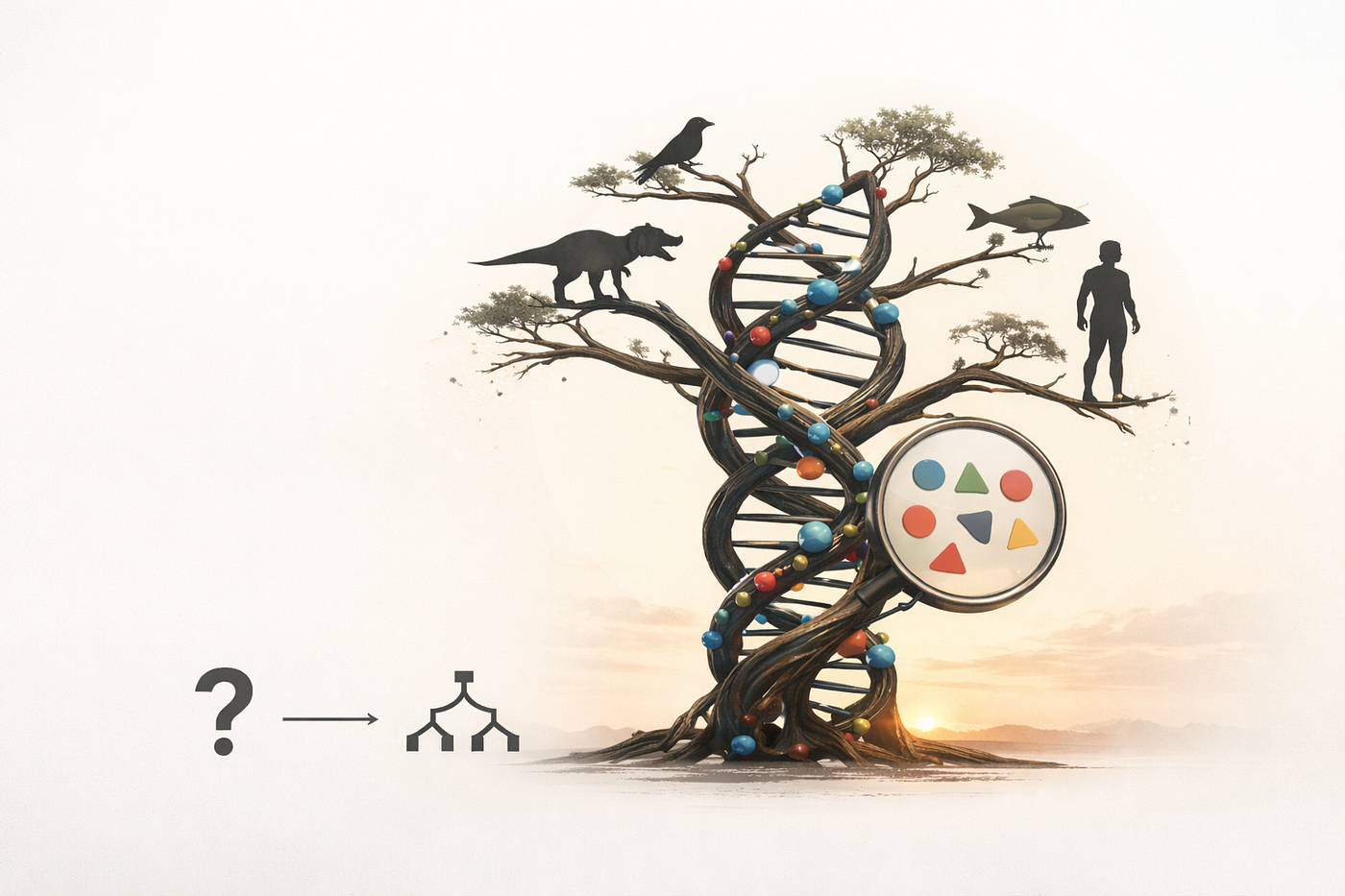
- From a more evolutionary or phylogenetic perspective, they are all part of the same human family tree, but they are distinct branches. They were capable of interbreeding because they were closely related, but they remained genetically distinct enough that each population had its own evolutionary trajectory.
Conclusion:
To answer your question: Neanderthals, Denisovans, and modern humans are closely related but not identical. They were likely different species or subspecies within the Homo genus. The fact that they interbred does complicate the classification into strict species boundaries, but it suggests that they were genetically close enough to produce fertile offspring. This is a great example of how species boundaries can be fluid in closely related groups, especially when gene flow occurs. They are more accurately described as distinct populations within the Homo sapiens lineage, and the interbreeding between them reflects the complexity of human evolution.
메타데이터
- post_id
- e52366624644
- slug
- are-modern-humans-neanderthals-and-denisovans-different-species-e52366624644
- url
- https://medium.com/@datavector/are-modern-humans-neanderthals-and-denisovans-different-species-e52366624644
- canonical_url
- https://medium.com/@datavector/are-modern-humans-neanderthals-and-denisovans-different-species-e52366624644
- author_url
- https://medium.com/@datavector
- status
- ok
- fetched_at
- 2026-07-24 18:36:52