Role of Cloud-Native Automotive Software Development in SDVs
The automotive industry is undergoing one of the biggest transformations in its history. Vehicles are no longer defined solely by…
Role of Cloud-Native Automotive Software Development in SDVs
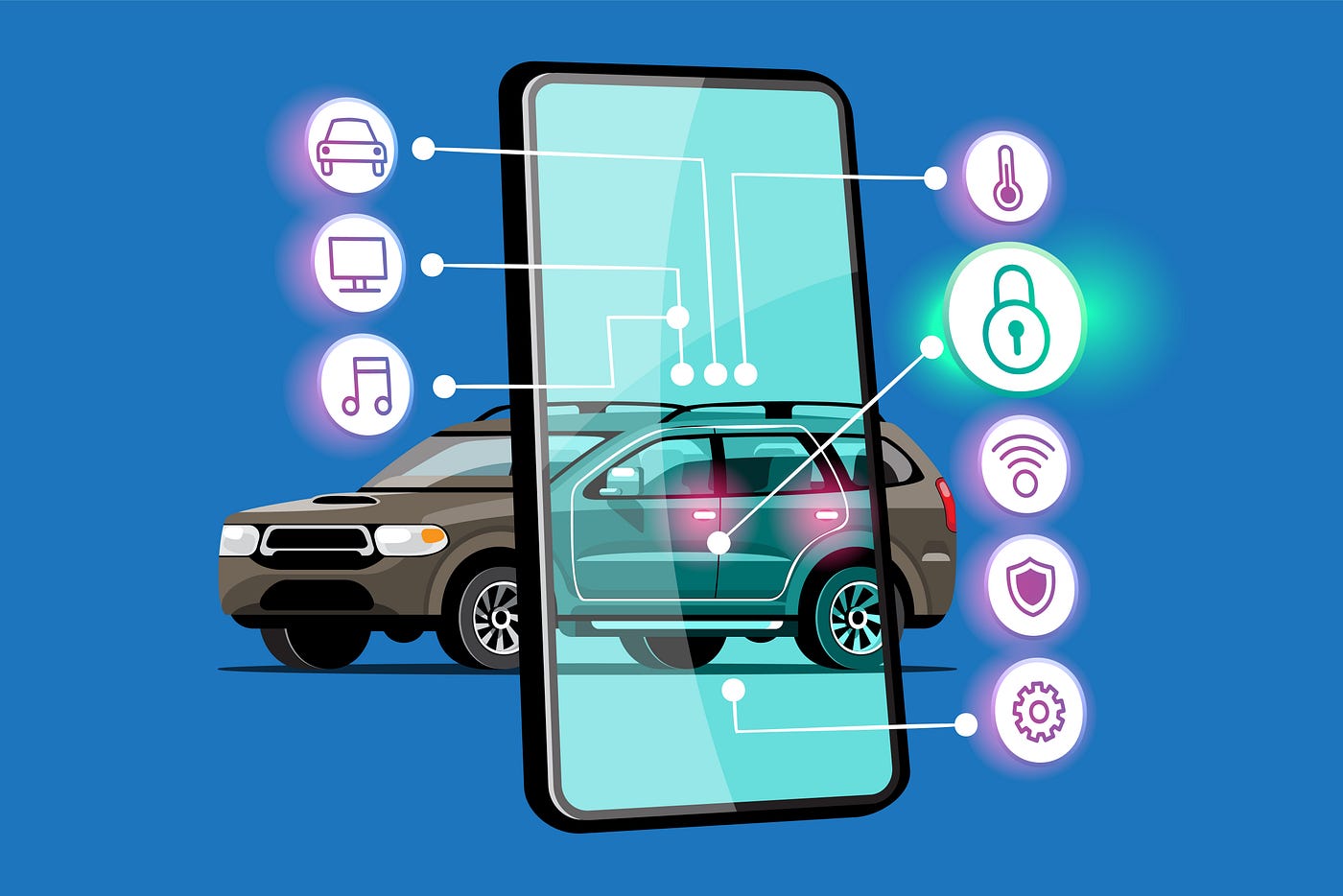
The automotive industry is undergoing one of the biggest transformations in its history. Vehicles are no longer defined solely by mechanical components; instead, software has become the core differentiator. This shift has given rise to Software-Defined Vehicles (SDVs) — vehicles whose functionality, performance, and user experience are largely controlled by software rather than hardware. At the center of this transformation lies cloud-native automotive software development, which enables faster innovation, scalability, and continuous improvement.
Cloud-native approaches are redefining how automotive software is designed, developed, tested, deployed, and updated. From over-the-air (OTA) updates to real-time data analytics, cloud-native development plays a critical role in making SDVs flexible, intelligent, and future-ready.
Understanding Software-Defined Vehicles (SDVs)
Software-Defined Vehicles are built on the idea that vehicle features can be introduced, enhanced, or modified through software updates rather than physical hardware changes. In SDVs, software controls critical areas such as infotainment, driver assistance systems, vehicle diagnostics, energy management, and even core driving functions.
Unlike traditional vehicles that rely on multiple hardware-centric Electronic Control Units (ECUs), SDVs use centralized or zonal architectures, virtualization, and standardized software platforms. This architectural evolution allows automakers to deliver new features long after a vehicle has left the factory, opening new revenue streams and improving customer experience.
What Is Cloud-Native Automotive Software Development?
Cloud-native automotive software development refers to building and running automotive applications using cloud technologies such as microservices, containers, APIs, DevOps pipelines, and scalable cloud infrastructure. Instead of monolithic, tightly coupled systems, cloud-native software is modular, resilient, and designed for continuous delivery.
In the context of SDVs, cloud-native development extends beyond backend systems. It connects vehicles to cloud platforms that support data processing, software updates, remote diagnostics, and digital services, forming an integrated vehicle-cloud ecosystem.
Why Cloud-Native Development Is Essential for SDVs
1. Faster Software Innovation and Deployment
Traditional automotive software development cycles can take years due to rigid hardware dependencies and complex validation processes. Cloud-native development dramatically shortens this cycle by enabling continuous integration and continuous deployment (CI/CD).
Developers can build, test, and deploy software updates more frequently, ensuring faster innovation. New features, bug fixes, and performance improvements can be rolled out via OTA updates without requiring vehicle recalls or service center visits.
2. Scalability for Growing Software Complexity
SDVs rely on massive amounts of data from sensors, cameras, radar, and vehicle systems. Cloud-native platforms provide virtually unlimited scalability to process and analyze this data efficiently.
Whether it’s real-time traffic analysis, predictive maintenance, or autonomous driving algorithms, cloud infrastructure ensures that automotive software can scale seamlessly as vehicle capabilities and user demands grow.
3. Enabling Over-the-Air (OTA) Updates
OTA updates are a defining feature of Software-Defined Vehicles, and cloud-native development makes them possible. Cloud platforms manage version control, secure distribution, and validation of software updates across thousands or even millions of vehicles.
This capability allows automakers to:
- Fix software issues remotely
- Improve vehicle performance over time
- Add new features post-sale
- Enhance cybersecurity defenses
OTA updates not only reduce operational costs but also extend the vehicle’s lifecycle and value.
4. Supporting Centralized and Virtualized Architectures
Modern SDVs use centralized compute platforms and virtualized ECUs to reduce hardware complexity. Cloud-native development complements this approach by enabling software portability and hardware abstraction.
Applications developed using microservices and containers can be deployed across different vehicle platforms with minimal changes. This flexibility is crucial for automakers managing multiple vehicle models and global markets.
5. Data-Driven Intelligence and Analytics
Cloud-native platforms enable advanced data analytics and AI-driven insights, which are critical for SDVs. Vehicles continuously send data to the cloud, where it can be analyzed to improve safety, efficiency, and user experience.
Key use cases include:
- Predictive maintenance
- Driver behavior analysis
- Fleet management optimization
- Energy consumption optimization for EVs
By leveraging cloud analytics, automakers can make data-driven decisions and continuously improve vehicle software.
Cloud-Native Development and Automotive DevOps
DevOps is becoming a standard practice in automotive software development, and cloud-native technologies make it scalable and efficient. Automated testing, simulation, and validation pipelines help ensure software quality while meeting strict automotive safety standards.
Virtual testing environments hosted in the cloud allow developers to simulate real-world driving scenarios, reducing dependency on physical prototypes. This accelerates development while maintaining compliance with standards such as ISO 26262 and ASPICE.
Security and Compliance in Cloud-Native SDVs
Security is a major concern in connected and software-defined vehicles. Cloud-native development introduces built-in security mechanisms such as identity management, encryption, access control, and continuous monitoring.
By centralizing security updates and threat detection in the cloud, automakers can respond quickly to vulnerabilities. Regular security patches delivered via OTA updates help protect vehicles throughout their lifecycle, ensuring compliance with evolving cybersecurity regulations.
Business Benefits for Automakers and OEMs
Cloud-native automotive software development offers significant business advantages:
- Reduced development and maintenance costs
- Faster time-to-market for new features
- New revenue models through software subscriptions
- Improved customer satisfaction and retention
Software-defined features such as premium infotainment, advanced driver assistance, and performance upgrades can be monetized over time, transforming vehicles into long-term digital platforms.
Future of Cloud-Native Automotive Software Development in SDVs
As vehicles become more autonomous, connected, and intelligent, the role of cloud-native development will only grow. Emerging technologies such as edge computing, digital twins, and AI-driven automation will further strengthen the vehicle-cloud relationship.
In the future, SDVs will rely on cloud-native ecosystems to adapt to new regulations, technologies, and user expectations without major hardware redesigns. Automakers that invest early in cloud-native automotive software development will be better positioned to compete in an increasingly software-driven market.
Conclusion
Cloud-native automotive software development is a foundational pillar of Software-Defined Vehicles. It enables continuous innovation, scalable architectures, secure OTA updates, and data-driven intelligence — key elements required for modern vehicles. As the automotive industry continues its shift toward SDVs, cloud-native approaches will play a decisive role in shaping the future of mobility.
For automakers and technology providers, embracing cloud-native development is no longer optional; it is essential for building flexible, intelligent, and future-ready vehicles.
메타데이터
- post_id
- e52dcd52f059
- slug
- role-of-cloud-native-automotive-software-development-in-sdvs-e52dcd52f059
- url
- https://medium.com/@dk0958486/role-of-cloud-native-automotive-software-development-in-sdvs-e52dcd52f059
- canonical_url
- https://medium.com/@dk0958486/role-of-cloud-native-automotive-software-development-in-sdvs-e52dcd52f059
- author_url
- https://medium.com/@dk0958486
- status
- ok
- fetched_at
- 2026-06-21 12:17:11