Medsin: Oshodi to London
(Oshodi Chronicles 12)
Medsin: Oshodi to London
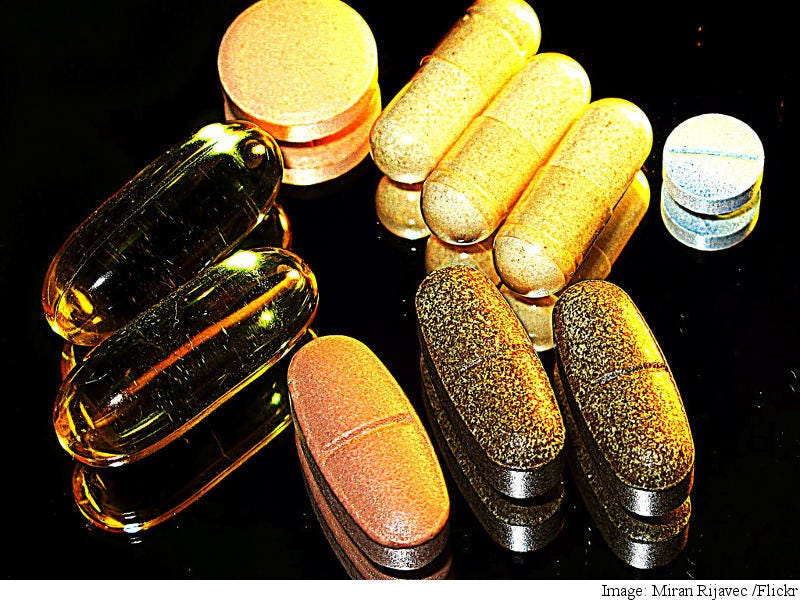
(Oshodi Chronicles 12)
Nigerians love their health. You must have rightly sensed this from the ‘body language’ of their President.
On his last visit to the London hospital, before exiting the doors, the President was strictly admonished:
“If it goes beyond 145.5, then you must come back here immediately!”
A well understood and familiar statement to which His Excellency simply nodded his head gently in acquiesce.
He would be back there in no time.
Minutes after the decampment of his party members in their hundreds — clear indication of a shaky 2019 reelection bid — , it sure shot beyond 145.5 that evening, leaving the benchmark behind by a considerable margin.
You should see the President’s eyes popped wide open at the calibrated instrument. He couldn’t believe his luck. Death and its antics on his mortality. Death sneaking up on him, wanting to take him by surprise. And, what was most intriguing, he thought, was how, in broad daylight, this little white instrument could be so accurate and timely in catching the shadows of death lurking around the presidential villa.
The President pounced on his private jet and turned its pointed nose towards London.
The next day it was in the news:
“President Buhari Leaves for London Hospital.”
I’m at a newspaper stand in Oshodi. The headlines are grossly the same as yesterday’s. The argument is intense as always. But no one seems to care much about the president’s intermittent pilgrimage to his London hospital; it is no more bothering a news; not one to ruffle the society’s delicate tapestry…”wetin dey wrong say person go take care of himself?”, someone asks, rhetorically, “if na you dey him shoes, you go do the same!”, he blurts. Another man shuts him up, charging him on an entirely different line of argument. “What do you mean shoes?” Once beaten, twice shy. Most Nigerians don’t want to hear the word Shoes if it has to be used in the same statement with their President. The last time they thought the word was comprehensively used, it turned out they utterly misheard by a degree unimaginable. Thus, long live their skepticism. “I ask you, what do you mean shoes?”
I leave the newspaper stand and enter a Molue. Oshodi to Mile2. There, sitting amongst many Nigerians who are not in the same shoes as their President, I see people — 49 sitting; 99 standing — who care for their health as much as the President cares for his.
Typically, a Molue comes with three major service providers: the driver, the conductors and, invariably, the drug seller. The role of the drug seller, however, is the most dynamic. He has the least to do with the business of transporting people. He is only catching on the advantage of having people sit en masse at a time so he can sell his health products. And in doing so, he co-conducts the people; guides them spiritually for that particular trip (nothing Nigerians do without first praying); and, thereafter, sells his drugs.
Most of the Molue drug seller’s clients don’t see doctors — can’t afford one. Their closest encounter with a ‘health practitioner’ is the one with the Molue drug seller. And, obviously, they don’t joke with these encounters.
In this bus, our drug seller is a woman. Equipped with a handsfree public address system, she calls all of the bus stops along our destination before the journey begins — You can’t be in a wrong bus with her announcement. Then, before the business of the day, she commits the journey in God’s hands. And the people say a passing Amen. She then goes for her bag, a Bagco super sack filled with various kinds of drugs. She unveils the first one, a red pack of tablets, and goes:
“I know say una don dey wait for me. I don come! And na good good news I bring come jam una again.”
People are still edging in, moving sheepishly along the aisle of the long bus. The drug seller wants them to settle down quickly. She stops the marketing process and swiftly, with the same tone of voice, conducts the passengers again, telling them, from her vantage point, where there’s still a space to squeeze in; one leg here, one hand there, one head poking out under the pit of an arm round the corner. Soon, everywhere is muddled, thick with humans, jam-packed. She then continues marketing in earnest, holding the red pack above her head:
“This na the ogbonge medsin wey the world don dey talk about. For China, Japan, America, Indonasia, South Africa…everywhere for this world, dem know this shakele thing wey I hold for hand so”.
The people listen — as they must
“Wetin be im job? You dey ask me… I go tell you. E dey do many things for body, but the most important thing wey e dey do na to wash the dirty wey dey inside blood; e go flush all the yamayama wey dey waka follow blood comot. If you take am two tablets for morning, two for evening, within one week, you sef go see as your skin go clear. Fresh. Shine. All the pimples and boil and irritations go disappear one time. How much? Na just 500 per pack. No say Ah! E plenty pass im money. E dey also work for kidney and liver. All important internal organs na im e dey clean. You no go dey need Photoshop to make your foto fine for Facebook again. Instagram nko, people go dey rush you like indomie. If you start to take this medsin. You no go need to dey use dat your bleaching cream to shine your skin. This one na natural freshner.”
She pauses a few seconds for a possible response before continuing:
“You go see some people go dey scratch body like say tomorrow no dey. Na because their blood dirty. Na one-time opportunity be this. Before tomorrow now this medsin don finish!”
A young man from two seats behind me wants one. It’s all obvious why he’ll need the blood cleansing medicine: he has on his face a plethora of pimples; the oil resident on his face can be drilled. Another woman wants the drug, then another, and another. On the red pack blood cleanser alone, the drug seller sells N3,500.
The conductors, from both entrances into the bus, shout the next bus stop, their voices raising above all heads, above the roaring sound of the Molue. The drug seller echoes them still:
“Cele! Cele dey there?”
Problem is: except you’re standing at the forefront or sitting on the dash board of the bus (an act expressly allowed), you are unavoidably being blocked by bodies from seeing around you. So there’s a high tendency you’re drifted into forgetfulness if you don’t consciously listen to these calls. The calls, in actuality, are the arbiters of the journey.
Her next drug is a super antidote for blood sugar. In a long white pack. People seem to have been waiting for this one. They start demanding for it even before she finishes her proclamations on the drug; before making them know all they eat as Africans contain sugar: Eba, Almala, Fufu, Yam, Rice, potato — sweet and Irish — , soft and alcoholic drinks…
“Most of the time, person body no fit to break down all this sugar through the process wey oyinbo dey call metabolism”,
she claims,
“Na this plenty sugar for body dey cause diabetes and blood pressure and stroke. This drug…”
Again, she holds the pack over her head,
“…this drug go help you maintain the sugar wey dey inside your blood”.
I lost the sales count on this one. There are too many monies and drugs floating to and fro the rivers of hands between the drug seller and her clients.
Thing is: In Molues, nobody moves except with the intention of coming down. There is no luxury of movement; the only way there can be an exchange of items is to have cooperating neighbours, who, in their idle sitting, are willing to spare time in passing down your money in exchange for goods bought.
We are now approaching Rainbow bus stop. The conductors shout it and the drug seller loud it in her public address gadget.
She then comes up with the next drug, which is dental; for the whitening of teeth and healing of the gum. She raises it above her head like she did the others, talking glowingly of the pasty content in the palm-size cone container. Not much is demanded of it before she comes up with the last drug in her arsenal.
Dagga, she calls it.
“una fit also call am The Banger”.
Raised in the manner she did others is a transparent sachet with bead-like tablets. Black. She says it is traditionally from the north. Daura perhaps.
“If you no know as e dey do you; wey e be like say you no get yourself; abi you wan dey feel sign of sickness, take one of this drug with N50 groundnut — The groundnut na to stabilize im powers. Because e dey very strong. Na instantly you go dey feel the effect. This drug go balance your system. Your body go come back to normal; you go dey kampe like say you just comot from inside gym.” E no cost. One sachet. N100.”
And this is when I sink back into my seat and take a long blank gaze through the window into the street as everything speed by. My eyes catching nothing. Here, Nigerians have drugs for undisclosed ailments; when you can’t even tell what’s wrong.
And why does my mind keeps going back to the President as the drug seller alludes her drug powers almost of supernatural potency? As though she talks of vabranium.
I imagine the President, who must have arrived London, who must have seen his doctor, who must by now be nodding his fragile head to another line of instruction: “When it goes over 145.6, be sure to return here as fast as possible”. Whereas, hey! There is, on the road from Oshodi to Mile2, a drug that cures it all — when, like the President, you don’t even know what’s to be cured — with a handful of groundnut.
메타데이터
- post_id
- e5bbaa75868
- slug
- medsin-oshodi-to-london-e5bbaa75868
- url
- https://medium.com/@damilaredan121/medsin-oshodi-to-london-e5bbaa75868
- canonical_url
- https://medium.com/@damilaredan121/medsin-oshodi-to-london-e5bbaa75868
- author_url
- https://medium.com/@damilaredan121
- status
- ok
- fetched_at
- 2026-07-30 01:02:49