Yamal LNG and Arctic LNG-2: Russia–China Energy Cooperation
I often look back at the geopolitical models I built during my university years, back when I was drafting my thesis on China’s energy…
Energy Armor: China’s Energy War — Episode 24
Yamal LNG and Arctic LNG-2: Russia–China Energy Cooperation
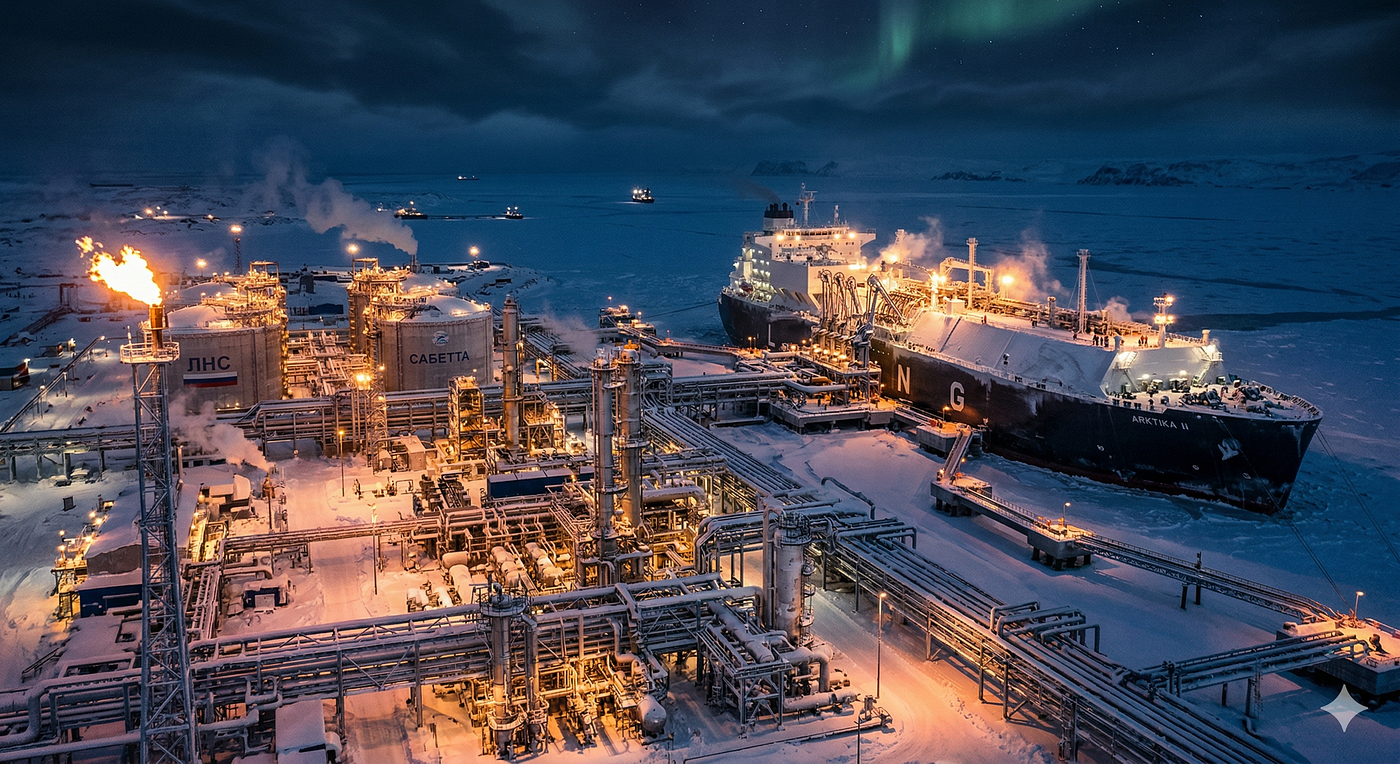
I often look back at the geopolitical models I built during my university years, back when I was drafting my thesis on China’s energy security and the Belt and Road Initiative. The center of gravity, which we always assumed would remain in the Middle East or the southern maritime corridors, has violently shifted north. As of 2026, Russia’s Yamal and Gydan peninsulas aren’t just remote coordinates on a map; they serve as the absolute “North Pole” of China’s natural gas supply security. More than that, I see them operating as a massive, live-fire laboratory where Western sanctions are effectively neutralized. When I analyze Beijing’s capital flows and risk tolerance, the reality is glaringly obvious: these projects represent far more than mere commercial investments. They are the strongest, most resilient links in the “energy marriage” forged with Russia. It is no longer a partnership of convenience; it is a structural necessity.
Yamal LNG: The Arctic Connection the West Cannot Abandon
Let’s look at the data coming in from the first quarter of 2026, because the sheer hypocrisy of the global market is staggering. Yamal LNG presents a deeply paradoxical picture. We talk endlessly about sanctions and isolation, yet according to the raw February 2026 shipping logs, almost the entirety of Yamal LNG export cargoes — I personally tracked all 21 documented shipments — were directed straight to European Union ports. You don’t need to be a seasoned foreign policy analyst to see what this is: a desperate, panicked final effort by the EU to stockpile energy before the comprehensive ban drops in 2027. But here is the geopolitical irony that truly exposes the system’s flaws: look at the ownership structure. Through the shares held by CNPC (20%) and the Silk Road Fund (9.9%), Beijing effectively controls nearly one-third of the field. Which means, as Europe scrambles to buy sanctioned Russian gas, it is inadvertently and indirectly generating massive financial returns for China.
Arctic LNG-2: The Chinese Technological Shield Against Sanctions
Then we have to grapple with the reality of the Arctic LNG-2 project. I remember when the US sanctions hit; the prevailing consensus in the analyst community was that the project would freeze to death without Western technology. I had my doubts then, and 2026 proved those doubts right. The project didn’t die; it evolved into a brazen symbol of “technological resistance.” When LNG from this heavily sanctioned facility actually began arriving at China’s Beihai terminal in early 2026, I had to pause and re-evaluate the resilience of these supply chains. With a total of 1.2 million tons shipped to China back in 2025, the Western “sanction armor” wasn’t just tested — it was practically pierced. And look at the brutal pragmatism of it all: to offload this toxic, sanctioned gas to Chinese buyers, Novatek is forced to apply deep discounts of 30% to 40% below market prices. Do we realize the macroeconomic impact of this? It radically, structurally lowers China’s industrial production costs. Furthermore, the supposed fatal blow — the withdrawal of Western engineering giants — created a vacuum that was rapidly, almost ruthlessly, filled by Chinese technology suppliers like Harbin Guanghan, who stepped in to provide the critical liquefaction equipment. They didn’t just survive the blockade; they engineered their own way out of it.
Logistics Wars: The “Shadow Fleet” and Sabotage Risk
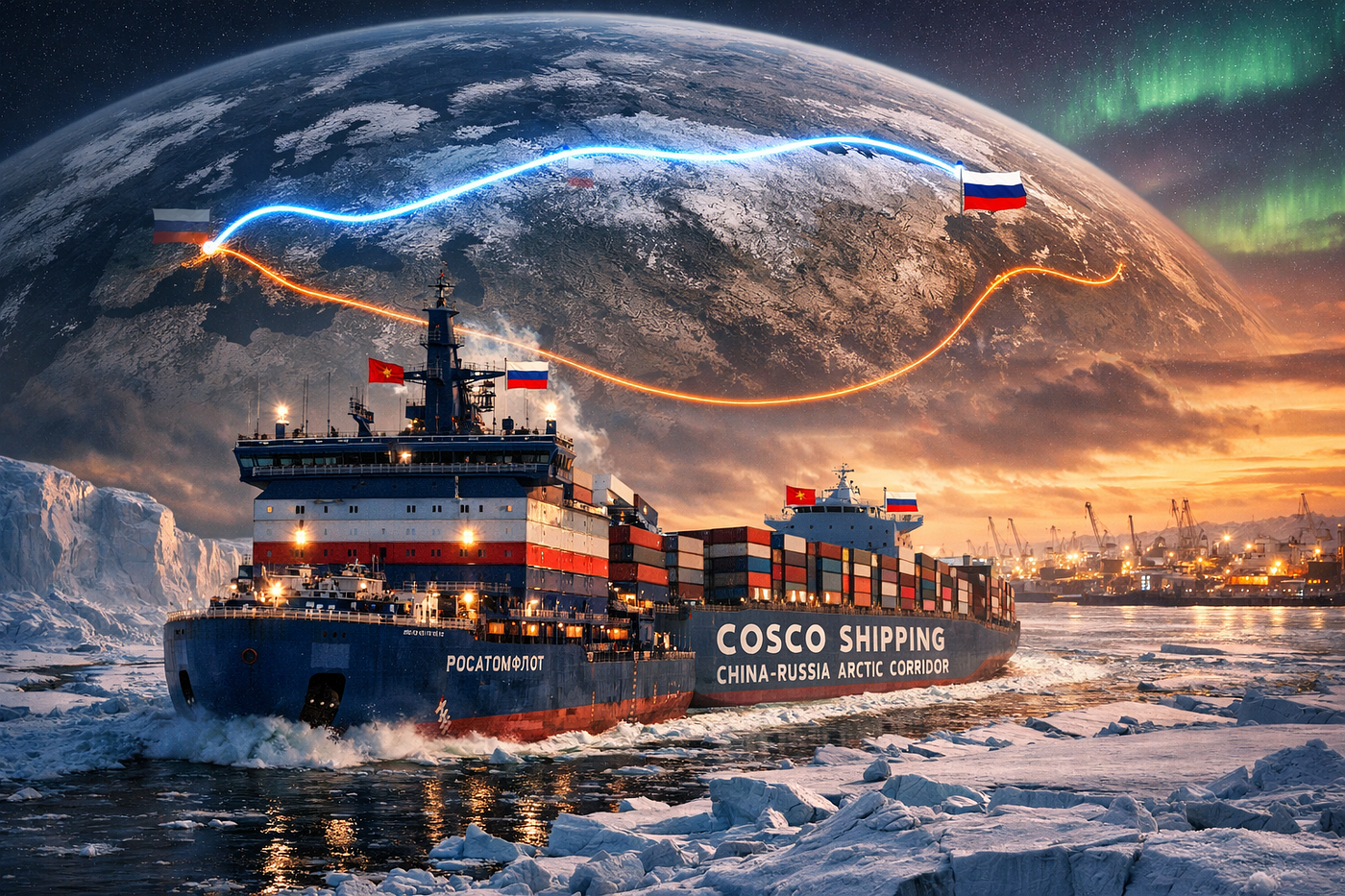
This brings us to where the clean, theoretical models of energy transit completely break down. In 2026, the shipment of Arctic gas is battling not only the brutal ice but formidable legal and physical blockades. To circumvent sanctions, Moscow and Beijing haven’t just altered routes; they have established a massive, decentralized “shadow fleet”. Watching these vessels operate by deliberately disabling their Automatic Identification System (AIS) tracking is like watching ghosts maneuver through the global supply chain. But the risks are no longer just financial or legal. The security landscape violently darkened in March 2026. The sinking of an Arctic LNG-2 linked carrier following a highly suspicious explosion in the Mediterranean sent a chill through the industry. It demonstrated, unequivocally, that these “energy wars” have expanded far beyond tariffs and embargoes; we are now operating in the dark, unforgiving domain of subsea warfare and sabotage. The stakes have become existential.
Strategic Conclusion: The “Irreversible” Eastern Axis
Sometimes, you have to look at the raw data and accept that the old world order is gone. The 2026 metrics unequivocally prove that Russia’s entire Arctic strategy is now completely, desperately indexed to China’s technological and financial support. There is no viable ‘Plan B’ for Moscow. The massive cash flow generated from Yamal — ironically funded largely by Europe — is being actively, systemically utilized as an “internal engine” to finance the heavily sanctioned Arctic LNG-2 project. It is a perfectly executed, closed-loop financial survival mechanism.
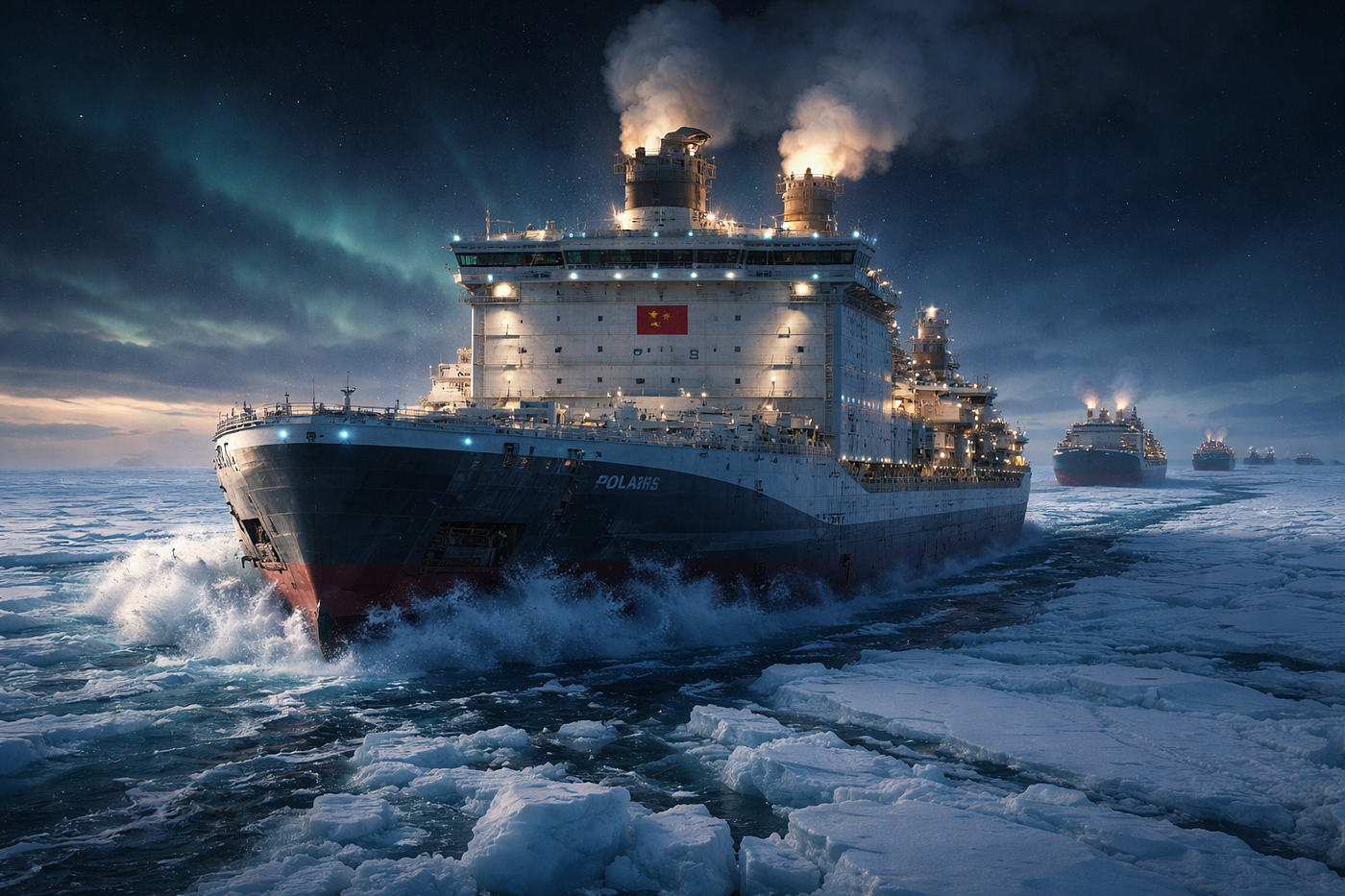
Part Summary: As we navigate 2026, the freezing waters of the Arctic serve as the true epicenter of the grand, systemic confrontation between the West’s isolation policies and China’s insatiable, structural energy hunger. For China, Yamal and Arctic LNG-2 are not just gas fields; they constitute a massive, northern “short circuit” line designed specifically to bypass the Malacca Dilemma I spent years analyzing. We are watching a new global architecture being built on permafrost. Now, having analyzed the extraction and the geopolitics, it is time to focus on the hardware — the “floating nuclear giants” that actively protect these colossal energy factories beneath the ice and keep these impossible shipping routes open.
Stay Tuned.
메타데이터
- post_id
- e60bf3d8aafb
- slug
- chapter-24-yamal-lng-and-arctic-lng-2-current-data-on-the-polar-partnership-with-russia-e60bf3d8aafb
- url
- https://medium.com/@SevilayKeles/chapter-24-yamal-lng-and-arctic-lng-2-current-data-on-the-polar-partnership-with-russia-e60bf3d8aafb
- canonical_url
- https://medium.com/@SevilayKeles/chapter-24-yamal-lng-and-arctic-lng-2-current-data-on-the-polar-partnership-with-russia-e60bf3d8aafb
- author_url
- https://medium.com/@SevilayKeles
- status
- ok
- fetched_at
- 2026-07-13 08:43:41