What Are The Features Of Fleet Management Software?
Fleet management software is an important tool for businesses that use vehicles for transportation, deliveries, or daily operations. It…
What Are The Features Of Fleet Management Software?
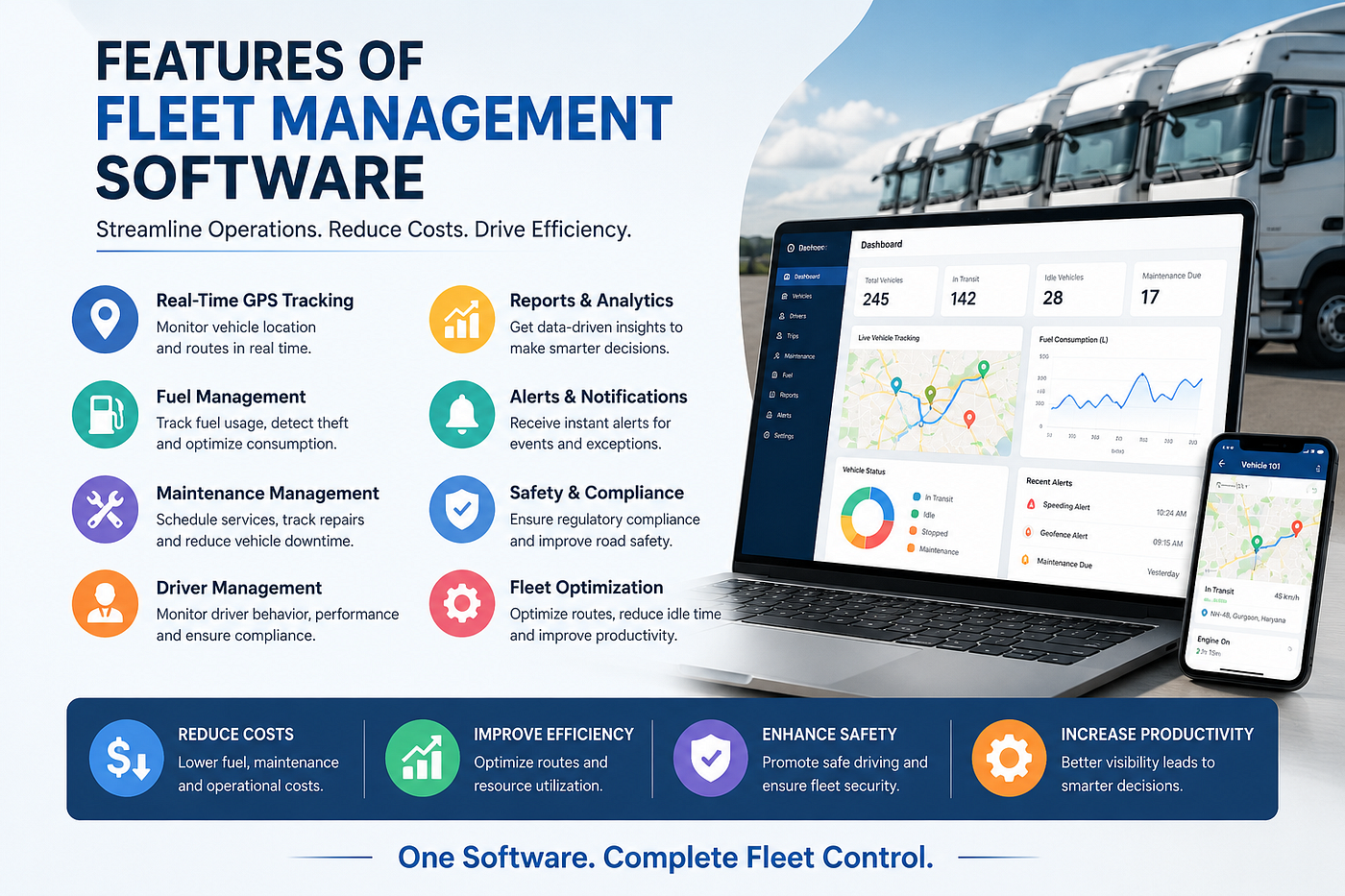
Fleet management software is an important tool for businesses that use vehicles for transportation, deliveries, or daily operations. It helps companies manage cars, trucks, vans, buses, and other commercial vehicles more efficiently. Many businesses in industries like logistics, transportation, construction, food delivery, and field services use fleet management software to improve productivity and reduce costs.
Modern fleet management systems use smart technologies like GPS tracking, sensors, cloud software, and real-time reporting. These features help companies monitor vehicles, drivers, fuel usage, maintenance schedules, and business performance from one platform.
Understanding the features of fleet management software can help businesses choose the right solution for their operations. Below are some of the most important features explained in a simple and easy way. Additional If you want learn more in detail visit- https://bestgps.company/fleet-management-system/
GPS Vehicle Tracking
GPS tracking is one of the main features of fleet management software. It allows businesses to track the live location of vehicles in real time. Managers can see where drivers are, which routes they are taking, and how long they take to reach destinations.
This feature helps companies improve delivery times and customer service. It also increases vehicle security because businesses can quickly locate stolen or missing vehicles. GPS tracking helps managers plan better routes, avoid traffic, and reduce unnecessary driving time.
Route Optimization
Route optimization helps drivers choose the fastest and most efficient routes. The software analyzes traffic conditions, road closures, and travel distances to suggest better routes.
This feature saves time, reduces fuel consumption, and improves delivery performance. It is especially useful in busy cities where traffic can cause delays. Businesses can complete more deliveries in less time while lowering transportation costs.
Fuel Management
Fuel costs are one of the biggest expenses for businesses that operate fleets. Fleet management software helps monitor fuel usage and improve fuel efficiency.
The system tracks fuel consumption, idle time, speeding, and harsh driving behavior. Managers can identify problems that waste fuel and train drivers to follow safer driving habits. Some systems also provide fuel reports that help businesses understand where fuel costs are increasing. This feature helps companies save money and improve overall efficiency.
Driver Behavior Monitoring
Driver behavior monitoring helps businesses improve road safety and driving performance. The software tracks activities such as speeding, harsh braking, rapid acceleration, and long driving hours.
Managers can use this information to coach drivers and encourage safer driving habits. Safe drivers reduce the risk of accidents, vehicle damage, and traffic violations. This feature also helps businesses lower insurance costs and protect their company reputation.
Maintenance Management
Vehicle maintenance is very important for keeping fleets safe and reliable. Fleet management software helps businesses schedule regular maintenance tasks like oil changes, brake inspections, tire checks, and engine servicing.
The software sends reminders when maintenance is due. This helps companies avoid missed services and unexpected breakdowns.
Preventive maintenance improves vehicle performance, increases vehicle lifespan, and reduces repair costs. It also helps businesses avoid delays caused by damaged vehicles.
Driver Scheduling
Driver scheduling is another useful feature of fleet management software. It helps companies assign drivers to vehicles and manage work schedules more efficiently.
Managers can track driver availability, shifts, and working hours from one system. This reduces scheduling conflicts and improves workforce management. Driver scheduling also helps businesses avoid driver fatigue by ensuring employees follow proper working hours.
Real-Time Alerts And Notifications
Fleet management software can send real-time alerts when important events happen. For example, managers can receive alerts for speeding, unauthorized vehicle use, low fuel levels, maintenance issues, or route deviations.
These instant notifications help businesses respond quickly to problems before they become serious. Real-time alerts improve fleet safety, security, and operational control.
Temperature Monitoring
**Temperature monitoring** is an important feature for businesses that transport food, medicine, or temperature-sensitive products. This system monitors the temperature inside refrigerated vehicles during transportation.
Managers can receive alerts if the temperature becomes too high or too low. This helps businesses protect products from damage and maintain product quality.
Temperature monitoring is especially useful for industries like food delivery, pharmaceuticals, and cold chain logistics.
Electronic Logging Device Integration
Many fleet management systems support Electronic Logging Device (ELD) integration. ELDs automatically record driving hours and vehicle activity.
This feature helps businesses follow transportation regulations and maintain accurate driver records. It also reduces paperwork because driving logs are stored digitally.
ELD integration improves compliance and helps companies manage driver working hours more efficiently.
Reporting And Analytics
Reporting and analytics features help businesses understand fleet performance through detailed reports and real-time data.
Managers can generate reports about fuel usage, driver behavior, vehicle maintenance, delivery performance, and operating costs. These reports help companies identify problems and improve decision-making.
With better data, businesses can increase productivity and reduce unnecessary expenses.
Mobile Access
Modern fleet management software often includes mobile applications that allow managers and drivers to access important information from smartphones or tablets.
Drivers can receive route updates, delivery instructions, and maintenance alerts directly on their mobile devices. Managers can monitor fleet activities from anywhere at any time.
Mobile access improves communication and allows businesses to respond quickly to operational changes.
Improved Customer Service
Fleet management software helps businesses provide better customer service by improving delivery accuracy and communication.
Customers can receive live delivery updates and estimated arrival times. Businesses can also respond quickly to delays or customer concerns.
Fast and reliable service helps companies build customer trust and improve customer satisfaction.
Conclusion
Fleet management software includes many powerful features that help businesses manage vehicles, drivers, and transportation operations more efficiently. Features like GPS tracking, fuel management, maintenance scheduling, driver monitoring, temperature monitoring, and route optimization improve safety, productivity, and business performance.
메타데이터
- post_id
- e61cd1fdbd20
- slug
- what-are-the-features-of-fleet-management-software-e61cd1fdbd20
- url
- https://medium.com/@bestgpssolution/what-are-the-features-of-fleet-management-software-e61cd1fdbd20
- canonical_url
- https://medium.com/@bestgpssolution/what-are-the-features-of-fleet-management-software-e61cd1fdbd20
- author_url
- https://medium.com/@bestgpssolution
- status
- ok
- fetched_at
- 2026-06-27 18:37:17




