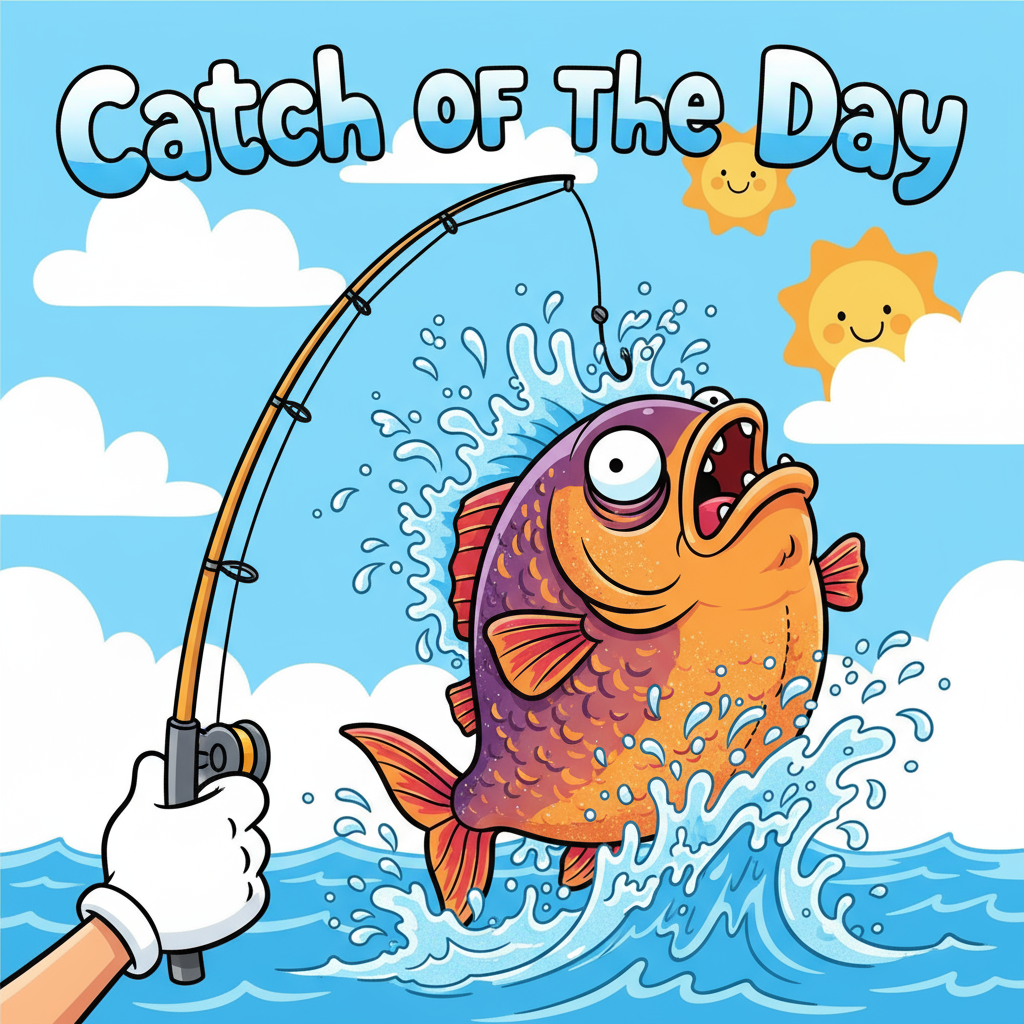
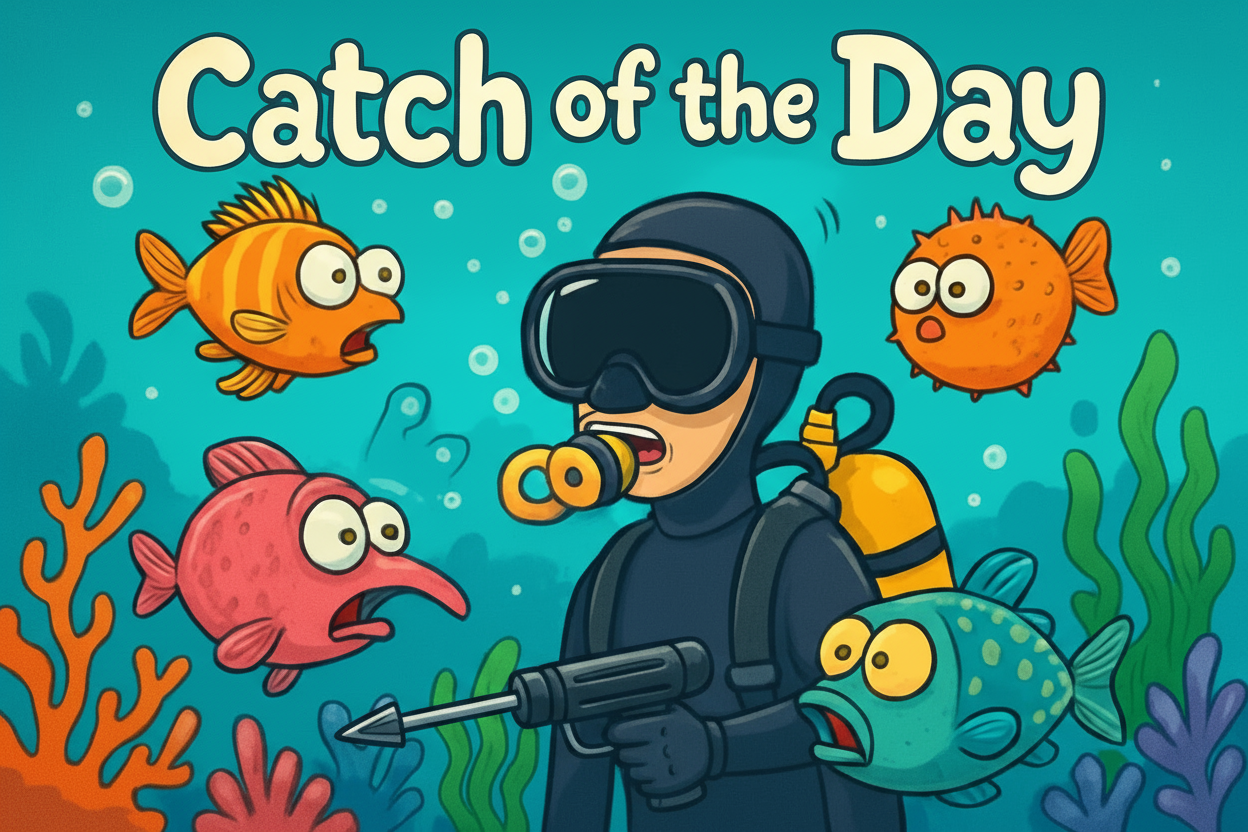
Catch of the Day (Part 2)
If the appetizers in Part 1 got you salivating for more, here come the large plates, featuring never-heard-before ingredients!
Catch of the Day (Part 2)
If the appetizers in Part 1 got you salivating for more, here come the large plates, featuring never-heard-before ingredients!
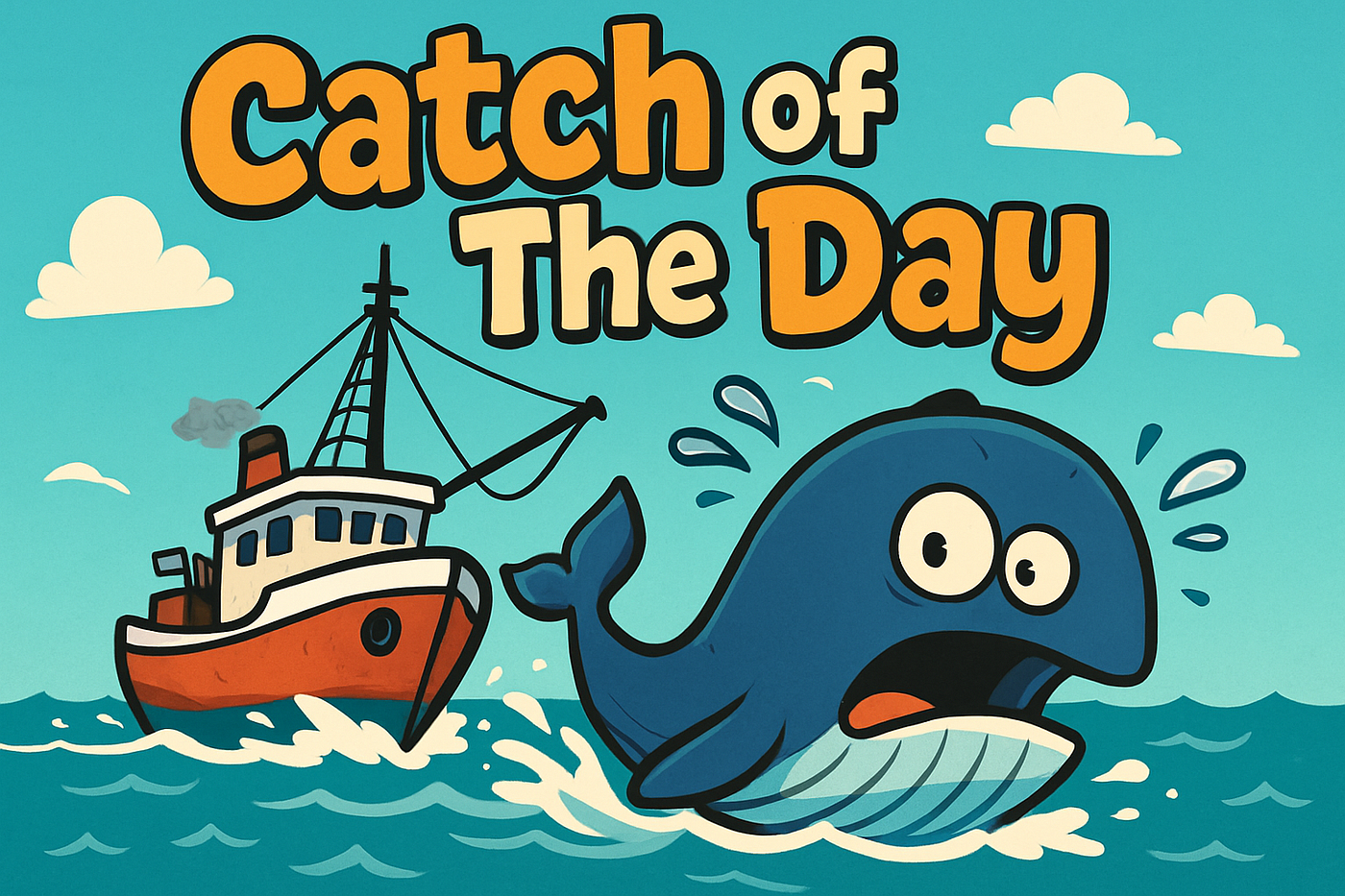
Just when you thought phishing was all about sketchy emails and spammy texts, along come three bigger and bolder flavours. Let’s dive in.
Whaling: Only the Biggest Fish in the Sea
If phishing is general fishing, whaling is hunting for blue whales: those C-suite folks in the corporate ocean. Whaling attackers don’t just email everyone randomly. Nope! They put on a tuxedo, research the “biggest fish” (think CEO, CFO, or Head of some department), and then send highly personalized messages that sound like genuine business.
Picture the CEO getting an email mid-vacation: “Hi, boss! Urgent: Please send $2 million so we don’t lose our biggest client!” It sounds real, uses the right lingo, and might land when the CEO is busy enjoying his vacation. Sometimes, the email looks like it’s from a trusted colleague — the CFO or a big vendor.
Basically, whaling is like a scammer walking into a bank wearing a perfect mask of the director, asking for all the vault keys-and the poor teller doesn’t even realize until it’s too late. ⌛️
Clone Phishing: Copy-Paste Crooks
Clone phishing is like having an email deja vu. Imagine getting an email that looks exactly like the one you received last week from your bank: same logo, familiar style, even the subject line you remember. But this time, the link inside or the attachment is switched out for something nasty (malware, password stealer, who knows?).
You open it, thinking, “Didn’t they already send this?” That’s the point! They’ve cloned a real message and added their own twist. Sometimes they hack a real sender’s account, so it really is from your friend, boss, or cousin who just loves forwarding things.
Clone phishing is like when a sneaky pizza delivery guy shows up at your door, holding a box and saying, “Sir, the last pizza we gave you was missing extra cheese, so here’s a new one — just sign here!” Everything about him and the pizza box looks legit because he copied the uniform, the box, and even your favourite toppings from the last real delivery. But there’s a catch: inside this “replacement pizza” is a rubber snake ready to leap out, or worse, a bill that asks for your card details! 🐍
Angler Phishing: Social Media Decoys
Angler phishing is named after the angler fish: a creepy deep-sea creature with a glowing lure that attracts clueless prey. Only here, the glowing lure is a fake social media profile, tweet, or maybe a DM from “Customer Support.”
Imagine you tweet angrily about your phone not working. Five minutes later, a friendly account replies: “We’re here to help! DM us your password and birth date so we can ‘verify’ your account.” The scammer is pretending to be the company, all cool and caring, but really just wants into your account.
Angler phishing is like someone setting up a fake customer help desk at a crowded railway station. Imagine a guy with a cardboard sign saying “Lost & Found” right next to the real counter, perfectly copying the uniform and everything else. When frustrated travellers approach him with problems, he listens sympathetically, then asks for their ticket, ID, and maybe a credit card “just to check records.” Give him the details, and you are left watching the train (and you money) departing…🚂
The Bottom Line: Don’t Get Reeled In!
- Whaling: Only targets the biggest fish (execs); always super personal.
- Clone Phishing: A tricky copycat — real email, fake new link.
- Angler Phishing: Social media fraudsters with lures as bright as their lies.
Anytime something feels off — stop, breathe, and check the bait! Before clicking links, hover your mouse over them to see if they have some weird text embedded in them. Never share sensitive information impulsively. Do not share OTPs or MFA codes with random “support” people who ask for them.
Stay hungry, stay safe, and remember, not all fish in the digital sea are friendly.
See you in the next part to conclude with some desserts!
Originally published at https://phishnchips.substack.com.
메타데이터
- post_id
- e63cbcb20f9e
- slug
- catch-of-the-day-part-2-e63cbcb20f9e
- url
- https://meetcyber.net/catch-of-the-day-part-2-e63cbcb20f9e
- canonical_url
- https://meetcyber.net/catch-of-the-day-part-2-e63cbcb20f9e
- author_url
- https://medium.com/@smyjee
- status
- ok
- fetched_at
- 2026-06-10 18:44:10