How to Make $10K+/Month on Pinterest Without Followers (2026 Guide)
The Forgotten Goldmine: How to Make Real Money on Pinterest in 2026 (Without Showing Your Face or Having Followers). Why Smart Creators Are…
How to Make $10K+/Month on Pinterest Without Followers (2026 Guide)
The Forgotten Goldmine: How to Make Real Money on Pinterest in 2026 (Without Showing Your Face or Having Followers). Why Smart Creators Are Abandoning Instagram for Pinterest. Instagram brought you likes. Pinterest brings you money.
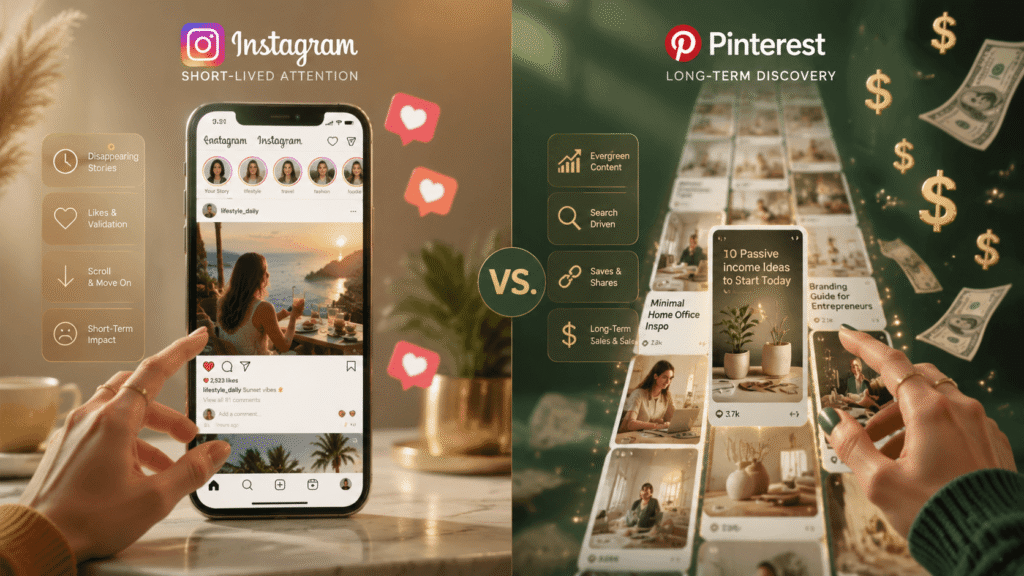
Here’s the uncomfortable truth: 36% of consumers now search Pinterest before Google. Among Gen Z, that number jumps to 39%. Yet there are almost no Indian creators capitalizing on this shift.
This isn’t a platform problem. It’s an opportunity problem.
A pin you create today can drive traffic and generate sales for the next 12 months. Some pins are still earning money 3+ years later. Meanwhile, Instagram content disappears from feeds within 48 hours.
If you’ve been grinding on Instagram or YouTube without meaningful income, this guide shows you a different path. One that doesn’t require followers, face reveals, or viral moments. Just a system that compounds.
Part 1: What You Need to Know About Pinterest (And Why It’s Different)
Pinterest Isn’t Social Media. It’s a Visual Search Engine.

This distinction matters more than you think.
On Google, you type “best study table under ₹5,000” and get text results. On Pinterest, the same search returns beautiful, aesthetic lifestyle images of actual study setups complete with mood, lighting, and inspiration. Users save these, share them, and come back to them.
The data:
- 620 million Pinterest users worldwide
- India ranks as the second-largest audience after the United States
- 42% of Pinterest’s user base is Gen Z
- 97% of searches are unbranded meaning a new creator can compete equally with established brands
Why This Matters for Your Income
When people search Pinterest, they’re in discovery mode inspired, not just researching. Studies show that people in inspiration mode have 2.5x stronger purchasing intentions than those actively comparing prices.
This is the psychological advantage Google shoppers don’t have.
The global spending power angle: 100 million+ Pinterest users in the US alone, with one-third earning over $100,000 annually. Working from India but earning in dollars that convert to rupees that’s the real play here.
Part 2: The Safety Shield (Protect Your Account Before You Earn)
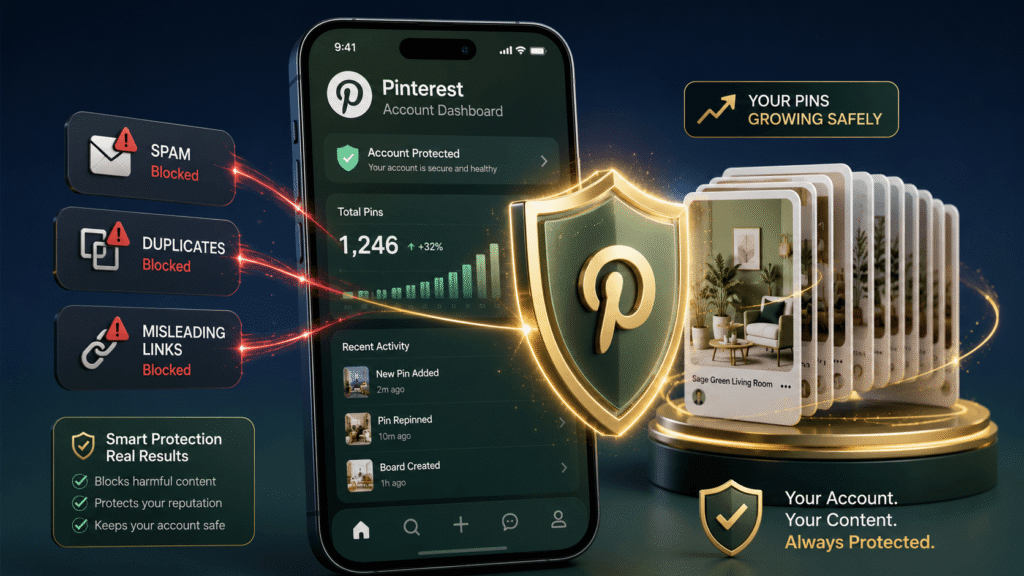
Before monetization, before growth account safety.
Pinterest’s moderation system became notably aggressive in 2025. The platform itself acknowledged over-enforcement events that suspended legitimate accounts. This is critical: one careless month of activity can wipe out months of hard work.
The Five Account Safety Rules
1. Start Slowly, Build Trust Don’t upload 50 pins on day one. Start with 5–10 daily, gradually increasing to 15–20. Pinterest’s algorithm scores your account on consistency, and trust takes time to build.
2. Never Post Duplicate Content Same image uploaded multiple times = spam signal. Different angles, color schemes, and hooks for the same product are acceptable. Different everything for the same link? Acceptable. Identical pins? Flagged.
3. Match Your Promises to Your Delivery If the pin says “Free budget template download,” the landing page must have the template. Misleading links violate Pinterest policy and trigger suspension.
4. Disclose Affiliate Links Clearly Not optional. Use #affiliate or #ad in descriptions. This is both FTC requirement and Pinterest policy. Transparency builds trust with both the algorithm and your audience.
5. Use Only Approved Tools Third-party scheduling tools can trigger suspension. Pinterest-approved options include Tailwind and Pinterest’s native scheduler. Stay compliant.
Bonus tip: Convert to a Business Account (free). You get access to analytics showing impressions, clicks, saves, and audience data. This is your roadmap.
Part 3: The Five Niches That Convert Best
Not all niches work equally on Pinterest. The ones that do share three qualities:
- High visual appeal (people save them for inspiration)
- Strong buying intent (visitors convert to customers)
- Longevity (evergreen or seasonal with consistent demand)
Niche #1: Home Decor & DIY

- Why it works: 60% of Pinners get home decor purchase inspiration from the platform. Over 11 billion home decor pins exist.
- What sells: LED strip lights, organizers, wall art, fairy lights impulse-friendly products under ₹5,000.
- Why it converts: People don’t just save these; they implement them. Saving = intent.
Niche #2: Health & Fitness
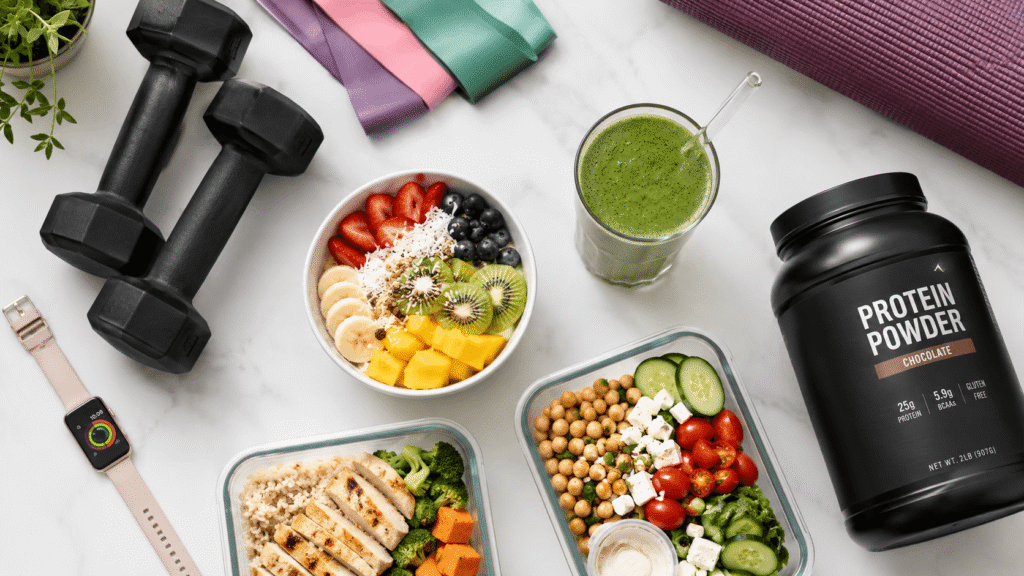
- Why it works: Evergreen demand. Always someone starting a fitness journey, detox, or wellness routine.
- What sells: Fitness gear, protein supplements, workout plans, yoga accessories.
- Advantage: No seasonality. January resolutions merge seamlessly into summer body goals.
Niche #3: Personal Finance & Side Hustles
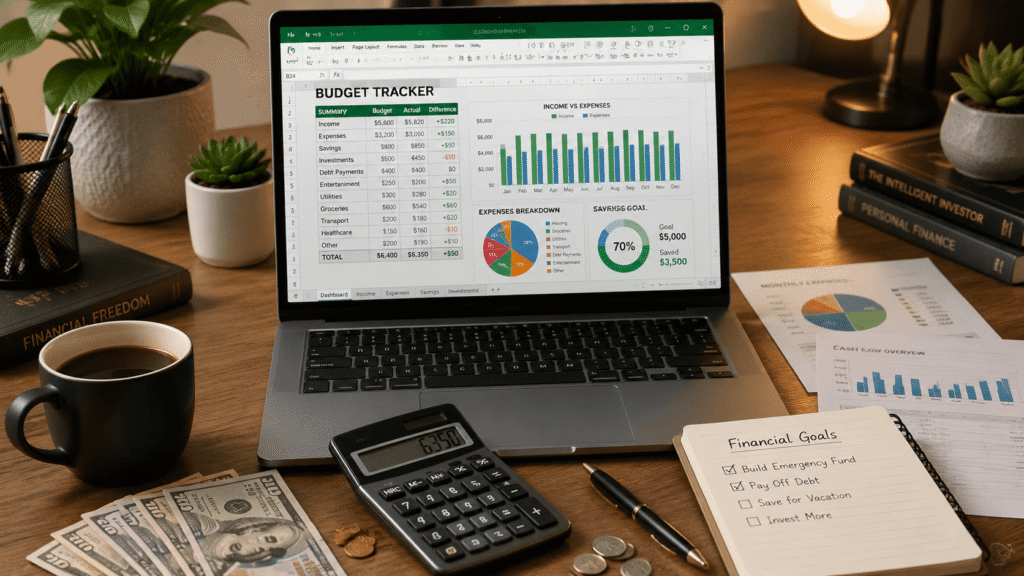
- Why it works: Trending on Pinterest with highly intentional traffic. People actively seek budgeting hacks, debt payoff strategies, and passive income ideas.
- What sells: Digital templates, budgeting spreadsheets, e-books, financial planning guides.
- Data point: Personal finance is among the highest-earning niches (Rank Tracker, 2025).
Niche #4: Food & Recipes
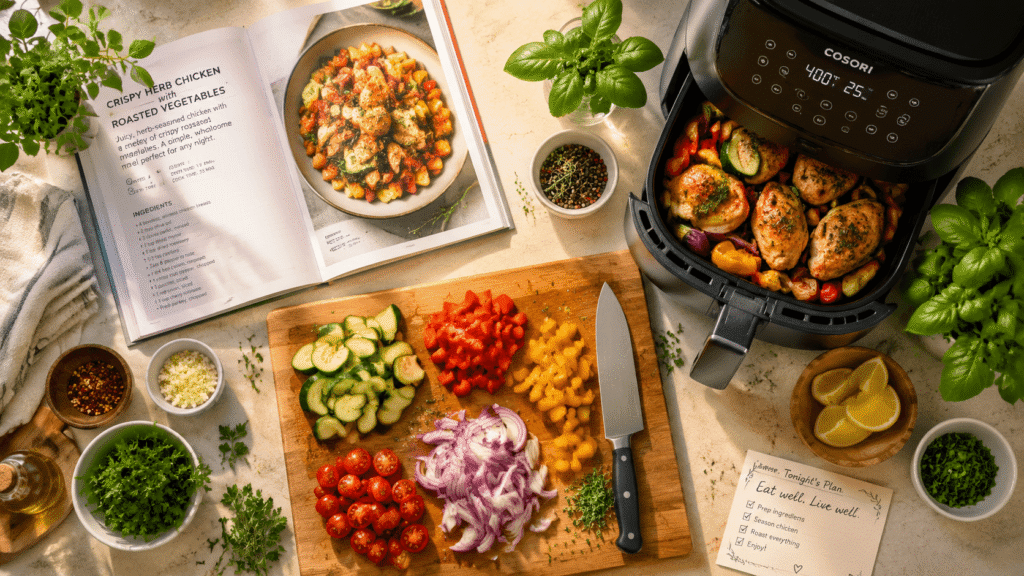
- Why it works: Single viral recipe pins can hit millions of views. Kitchen gadgets fit naturally into affiliate strategy.
- What sells: Air fryers, quality knives, meal prep containers, recipe e-books.
- Conversion angle: People planning meals + kitchen recommendations = natural affiliate opportunity.
Niche #5: Digital Tools & Productivity

- Why it works: Emerging niche with strong Gen Z interest. Study setups, Notion templates, productivity apps.
- What sells: Templates, planners, AI tool reviews, organizational systems.
- Profit margin: Digital products = 90%+ margins.
How to Validate Your Niche
- Search on Pinterest: Look for pins with high saves and comments this signals demand.
- Use Pinterest Trends Tool: Identifies keywords at peak search volume and consistency. (Pinterest has maintained 88% accuracy in their annual predictions for 6 years.)
- Pick One Niche: Don’t scatter across three. The algorithm rewards specialization and sees you as an authority in one category before branching.
Part 4: Pinterest SEO — How Pins Actually Rank (And Stay Ranked)
Most creators create pins consistently but never get traffic. The reason? Poor SEO.
Pinterest is a search engine. Treat it like one.
Layer 1: Keyword Strategy (Title & Description)
Think like your audience. What would they actually search for?
Example searches: “minimalist bedroom ideas,” “small room decor on a budget,” “aesthetic study table setup under ₹2,000.”
These exact phrases need to appear naturally in your pin titles and descriptions.
The mistake most make: Keyword stuffing. Jamming keywords into descriptions feels spammy and signals low quality.
The right approach:
“This ₹2,000 mini bedroom setup completely changed my room’s vibe. If you’re looking for budget-friendly room decor ideas that actually work, this setup will definitely inspire you.”
See how keywords fit naturally? The algorithm reads context, not just word lists.
Layer 2: Board SEO
Your boards have names. Most creators use generic ones: “My Pins,” “Stuff I Like,” “Collections.”
Fix this:
- Board name: “Minimalist Home Decor Ideas,” “Budget Room Makeovers for Small Spaces,” “Healthy Meal Prep for Students”
- Board description: 2–3 sentences with relevant keywords. The algorithm reads board patterns to determine which audiences to show your pins to.
Layer 3: Alt Text (The Overlooked Layer)
When you upload a pin to Pinterest, you get an “alt text” field. Most creators skip it.
Don’t.
Alt text helps visually impaired users understand images, but Pinterest’s algorithm also reads it for ranking signals.
Example alt text:
“A light blue aesthetic study desk setup with a table lamp, minimalist notebook, and succulent plant — budget home decor ideas for students under ₹3,000.”
It’s one line, but it’s valuable to the algorithm.
Layer 4: Use Pinterest Trends Tool (Free)
Pinterest’s trends tool shows:
- Keywords peaking now
- Seasonal keywords coming
- Consistently popular searches
If you’re pinning Valentine’s Day home decor ideas, you’re riding an upward trend. This is competitive advantage. Free.
Data: Pinterest’s annual predictions maintain 88% accuracy.
Layer 5: Consistency & Frequency
Post 5–10 fresh pins daily (visually and descriptively unique).
What happens:
- Months 1–2: Algorithm builds your trust score. Results feel slow. This is when 90% of people quit.
- Month 3 onward: Your old pins suddenly rank. Views spike. This is the compound effect — roots growing before the visible explosion.
It’s like going to the gym. No visible change in month one. Transformative change by month three.
Part 5: How to Create Pins That Actually Get Clicked
Most creators upload plain product images. Thousands of identical images already exist on Pinterest.
Your approach needs to be different.
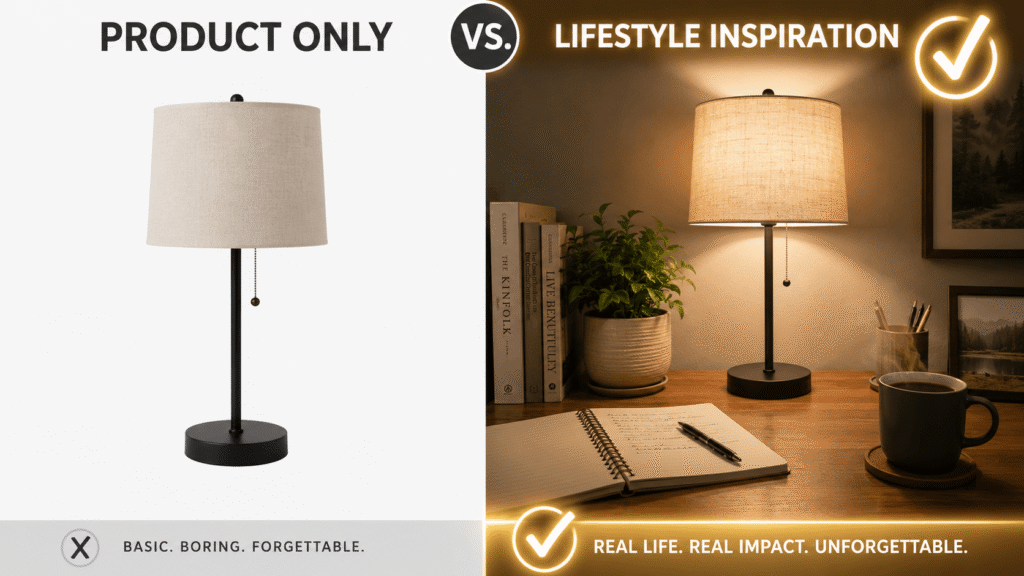
The Lifestyle Over Product Rule
Don’t pin a table lamp. Pin a complete, aesthetic study desk scene: the lamp, open notebook, plant, coffee cup, clean wall. A complete mood.
Data: Lifestyle photos generate 32% higher click-through rates than product-only images (2024 shop data).
The Hook (Bold Text Over Image)
Text stops the scroll. It should either spark curiosity or show clear benefit.
- ✅ “This ₹400 LED strip completely changed my entire room setup”
- ✅ “Best budget desk setup under ₹2,000 (students love this)”
- ❌ “Check out this product”
Font matters too. Clean, readable fonts on mobile. Skip cursive or fancy fonts they’re unreadable at a glance.
Video Pins (The Underused Format)
Video pins generate 8x more engagement than static images. You don’t need to be a filmmaker:
- Screen recordings
- Product unboxing
- Before-and-after transitions
- 6–15 seconds, vertical format

Create these on Canva. Most creators ignore video pins, which means less competition for you.
Rich Pins (If You Have a Website/Blog)
If you own a blog or product site, enable Rich Pins. This feature automatically syncs your pin with product titles, prices, and availability from your website.
Result: More credibility, stronger algorithm signal.
Part 6: The Three Monetization Models (They Stack Together)
Pinterest income doesn’t come from one source. It comes from layering three models.
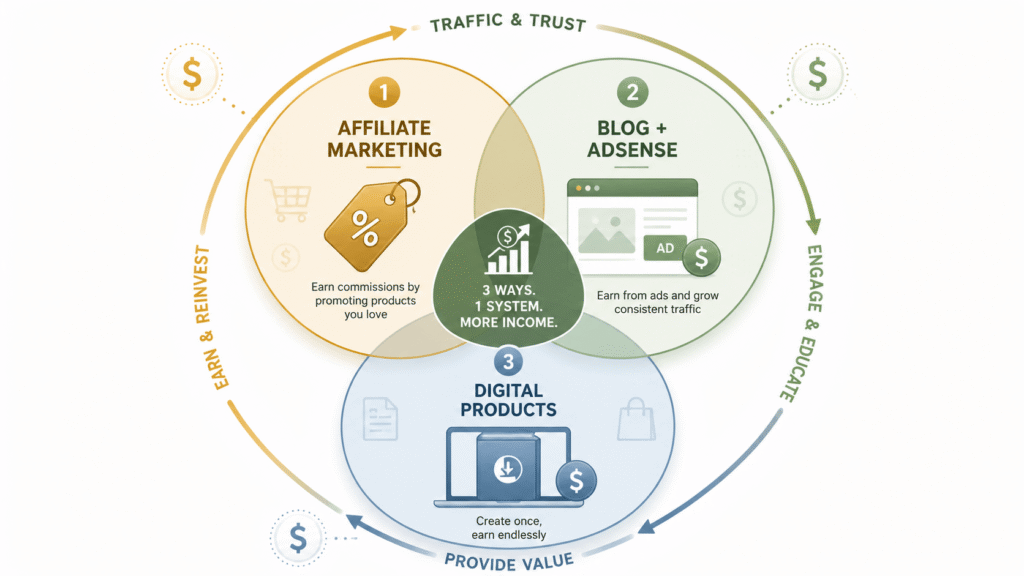
Model 1: Affiliate Marketing
How it works: You promote a company’s product via a pin with an affiliate link. When someone buys through that link, you earn a commission.
The catch: Affiliate marketing works only if you understand buyer psychology.
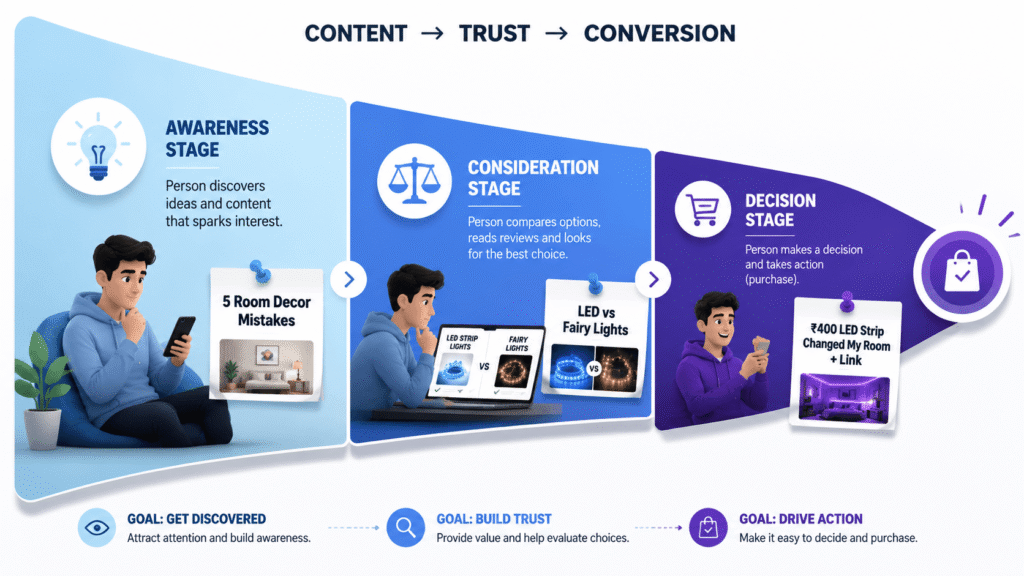
The Three Stages of Purchase:
- Awareness: A student sees a pin about hostel room makeovers and thinks, “My room could look like this.” They save it. No purchase yet. They’re now aware of the possibility.
- Consideration: They scroll through similar pins, compare options, check prices. They’re researching, not buying.
- Decision: They pick a product and buy through your affiliate link. Conversion.
Most creators only create pins for the decision stage. The real money is in covering all three.
Example funnel for LED lights:
- Awareness pin: “5 Room Decor Mistakes You’re Probably Making”
- Consideration pin: “LED Lights vs. Fairy Lights: Which Is Better for Small Rooms?”
- Decision pin: “This ₹400 LED Strip Completely Changed My Room (Link Below)”
When you build the full funnel, organic conversions happen naturally.
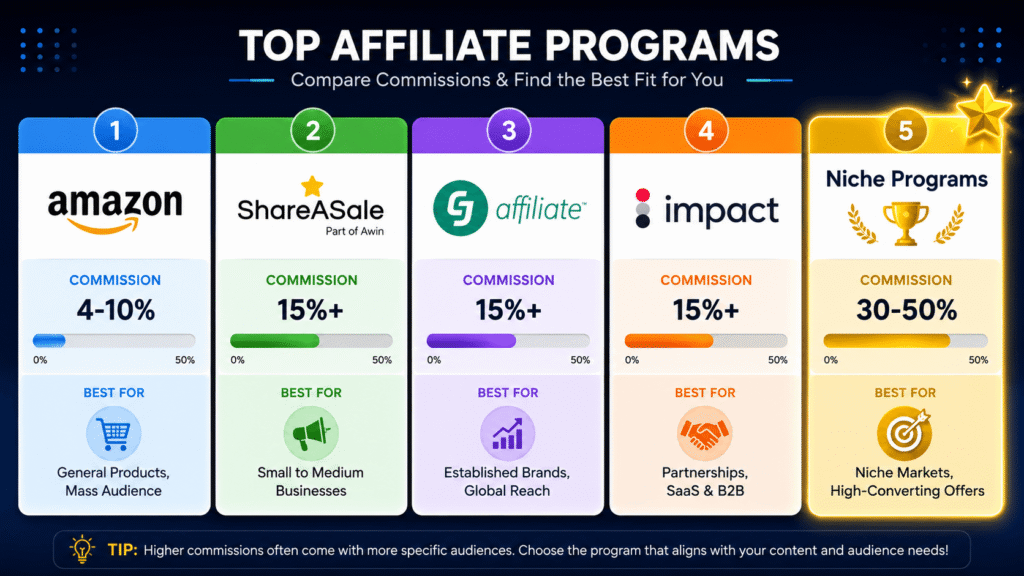
Where to find affiliate programs:
ProgramCommissionBest ForAmazon Associates4–10%Beginner, familiar audienceShareASale15%+Mid-tier, diverse productsCJ Affiliate15%+Digital & high-ticket itemsImpact15%+SaaS & softwareNiche programs30–50%Digital products, courses
Practical rule: Start with low-ticket, high-volume products. ₹300–1,000 items are impulse buys. No one buys a ₹50,000 laptop because of a pin.
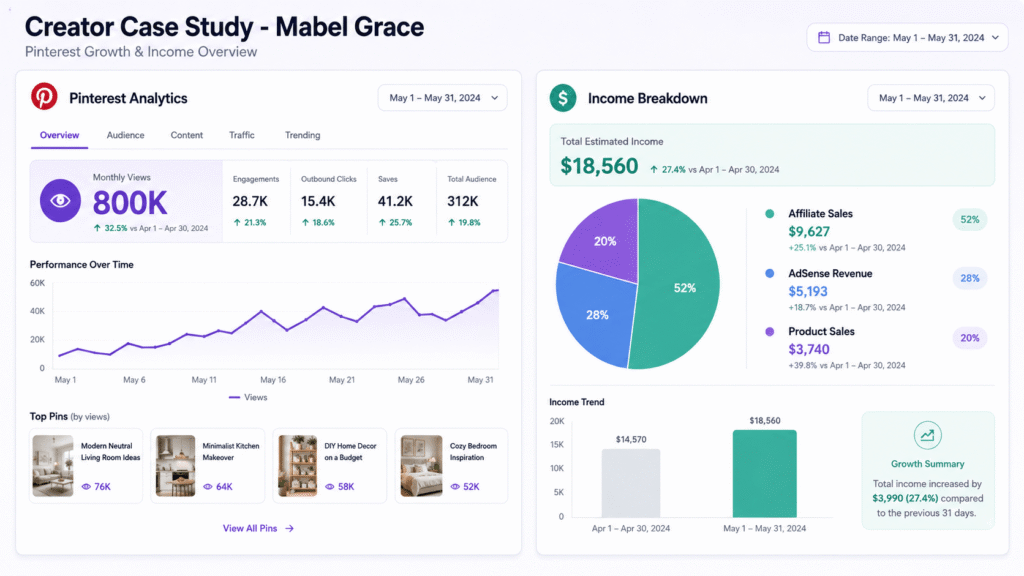
Real example: Creator Mabel Grace gets 800,000+ monthly views by reviewing Amazon products. Even at a 0.01% conversion rate, she maintains consistent income.
Critical: Always disclose affiliate links with #affiliate or #ad. Transparency builds long-term trust.

Model 2: Blog + Pinterest Traffic Arbitrage
This model has the highest long-term income potential.
The setup:
- Create a free blog (Blogger.com) or WordPress site
- Write articles like “10 Best Desk Accessories Under ₹1,000 for Students”
- Add affiliate links and apply for Google AdSense
- Create 3–5 different pins for each article (different images, different titles, same URL)
- Pin them on Pinterest
Why this works:
- Google ranking takes 6–12 months. Pinterest drives traffic from day one.
- Each article earns from two sources: AdSense revenue + affiliate sales
- Hidden benefit: Pinterest traffic signals popularity to Google, which improves your Google rankings over time
You’re not just earning from the pin you’re building SEO authority simultaneously.
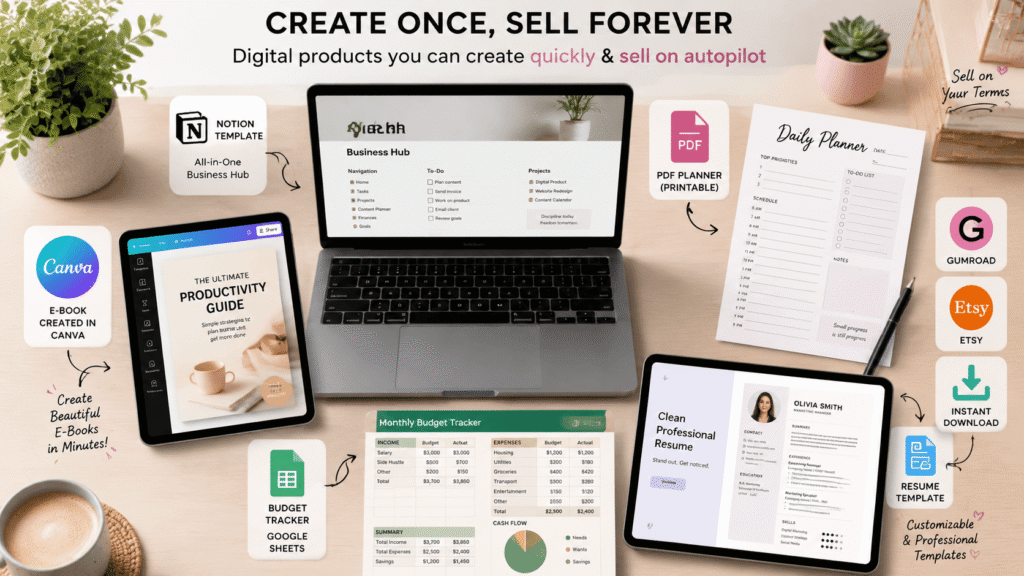
Model 3: Digital Products (Highest Margin)
In affiliate marketing, you earn a commission. With digital products, you earn everything.
What counts as a digital product:
- E-books (₹200–500)
- Notion templates
- Budget tracker spreadsheets
- Weekly planner PDFs
- Resume templates
- Course materials
- Productivity systems
The reality: Most of these take 1–2 days to create with ChatGPT + Canva.
Platforms to sell on:
- Gumroad (free signup, keeps commissions low)
- Etsy (easier discoverability, higher traffic)
The math: Sell a ₹200 digital product at 50% margin = ₹100 pure profit per sale. No inventory, no shipping, no customer service.
Create a pin: “This Notion Template Boosted My Productivity by 40% (Download here)” → Direct to Gumroad or Etsy → All revenue is yours.
Model 4: Brand Collaborations (Bonus)
Once your account reaches consistent 500–100,000 monthly views in a specific niche, brands reach out.
They offer paid sponsorships for branded pins.
Requirements: Clear disclosure (#sponsored) + consistent niche + engaged audience (views matter more than followers on Pinterest).
Part 7: The Realistic Month-by-Month Scaling Timeline
No shortcuts. No fake promises. Just how growth actually happens.
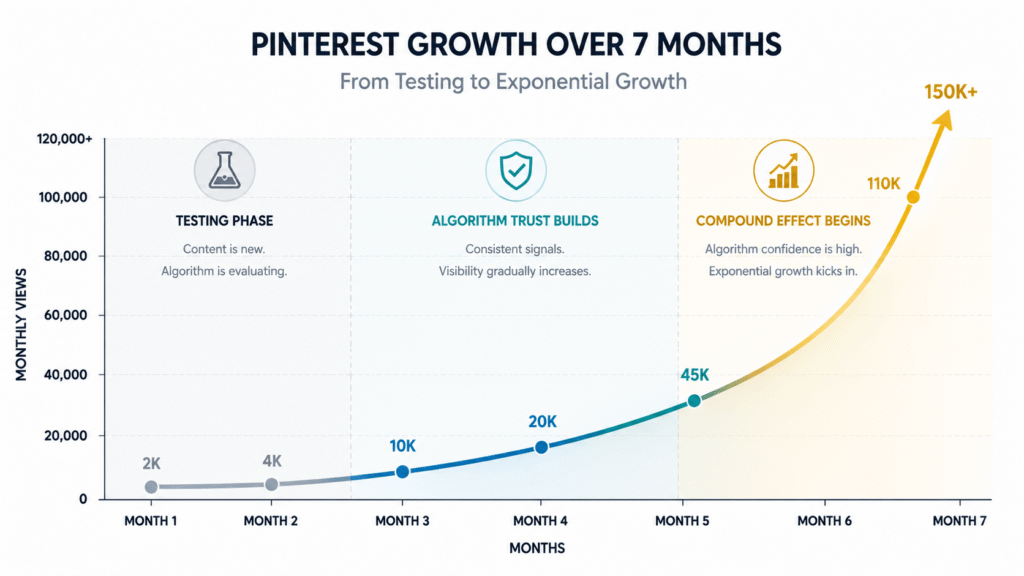
Months 1–2: Testing Phase
- Expected views: 1,000–5,000
- Earnings: Nearly zero
- What you’re doing: Creating pins, learning SEO, experimenting with niches, improving design skills
- Reality check: This is when 90% of people quit. They see no results and assume the strategy doesn’t work.
Months 3–5: Algorithm Trusts You
- What changes: Pinterest’s algorithm has now built a trust score on your account
- Expected views: 10,000–50,000
- Earnings: First meaningful affiliate sales. Inconsistent but real.
- What happens: Your old pins suddenly start ranking. You make your first sale and realize the system actually works.
Months 6+: Compound Effect
- Posts so far: 300–500 pins
- Expected views: 100,000+ monthly
- Earnings: Consistent affiliate revenue, potential AdSense (if blogging), digital product sales emerging
- What you’ve learned: Exactly what your audience searches for, saves, and returns to. You can now create digital products with confidence.
The Bamboo Tree Analogy: Bamboo spends 2–4 years growing roots underground invisible growth. People say, “This will never grow.” Then it shoots up 30 feet in weeks.
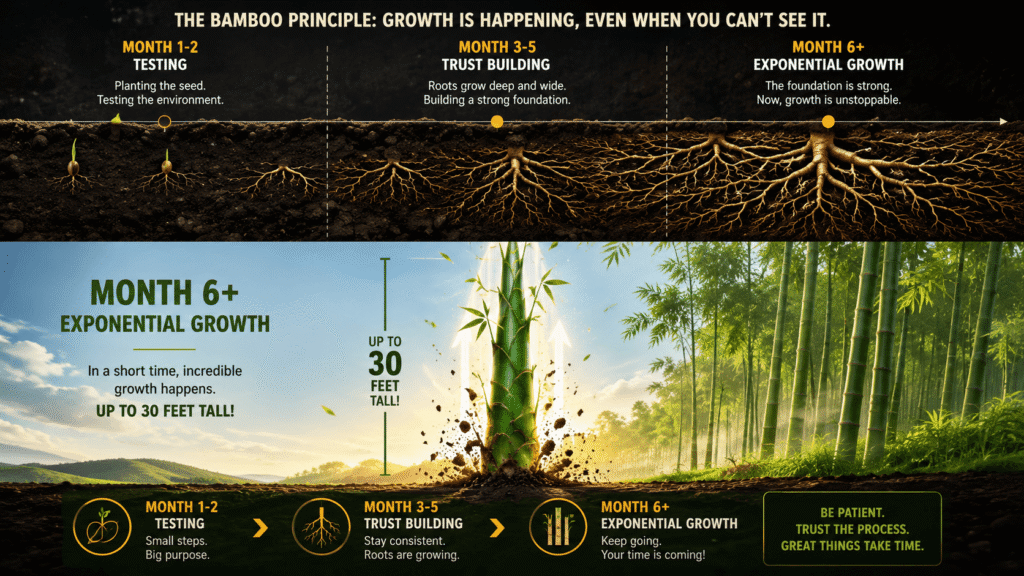
Pinterest is the same. Your roots grow in months 1–5. Then it explodes.
Why the timeline matters: Don’t think you’re “wasting time” earning ₹0 in month one. YouTube takes 6+ months to monetize. Most online businesses take a year. Pinterest’s advantage? Once the system works, you don’t have to create new content daily. Three-month-old pins still bring traffic.
Part 8: How to Manage Money When It Starts Coming
Making money is one skill. Managing it is another.
Pinterest income isn’t guaranteed every month. It fluctuates. Without a system, a good month is followed by panic when income dips.
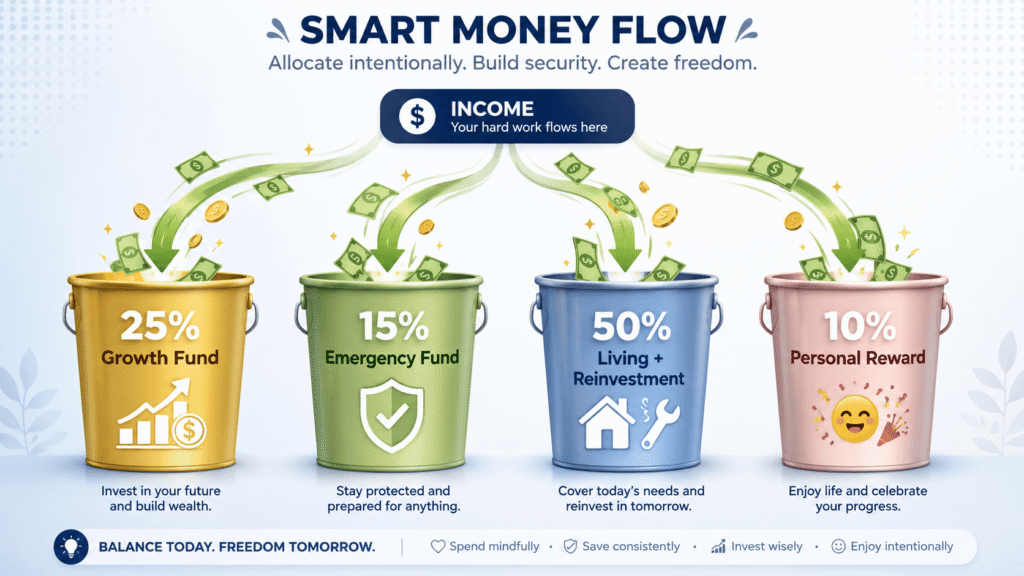
The 25–15–10 Rule
Every rupee you earn, split it into four buckets:
Bucket%PurposeGrowth Fund25%SIP, mutual funds, long-term investmentsEmergency Fund15%Build until you have 3–4 months of expenses savedLiving + Reinvestment50%Food, bills, subscriptions (Canva Pro, tools, equipment)Personal Reward10%Movie, dinner out, fun — because you earned it
Why the emergency fund matters: Your phone breaks. You need ₹20,000 for a camera. Emergency fund = confidence to take risks without borrowing or pulling from investments.
Why reinvestment matters: Don’t see tools and equipment as expenses. They increase earning capacity. Canva Pro, better lighting, a microphone — these are investments in your future income.
Why personal reward matters: Creators who never spend on themselves burn out. They eventually quit everything impulsively. Discipline includes reward.
Part 9: The Reality Check (Before You Start)
This Isn’t Guaranteed Income
Results vary based on:
- Your niche (home decor converts faster than some others)
- Content quality (better pins = faster growth)
- Consistency (daily pinning beats sporadic effort)
What takes one creator 3 months might take you 6. That’s not failure. That’s the nature of skill-building.
You Don’t Have to Be Perfect to Start
Your first pins will feel rough. Your first Canva design will feel amateur. Your first affiliate link will feel sketchy.
Everyone who’s now earning money felt this way.
The truth: You don’t have to be great to start. But you have to start to be great. Quality comes with repetition. Experience teaches you what works.
Passive Income Isn’t Automatic
Passive income is only passive after you’ve done the active work. Your first 100 pins are active work. After that, they bring passive income for months.
The Starting Point
You now have a complete roadmap:
- Choose a niche that has high visual appeal, buying intent, and longevity
- Optimize for Pinterest SEO (keywords, boards, alt text, consistency)
- Create pins that inspire, not just inform
- Stack three monetization models (affiliate → blog → digital products)
- Stay consistent through the slow months
- Manage money like it’s your business (because it is)
The gap exists because most Indian creators haven’t moved to Pinterest.

The golden window is open right now, in 2026.
Whether you step through it or watch others profit from it is your choice.
What’s your next step? Pick one niche. Spend a week researching what people search for. Create your first 10 pins. The system won’t work if you don’t start. But it will work if you do.
메타데이터
- post_id
- e651f7931a64
- slug
- how-to-make-10k-month-on-pinterest-without-followers-2026-guide-e651f7931a64
- url
- https://medium.com/@digitalhaical/how-to-make-10k-month-on-pinterest-without-followers-2026-guide-e651f7931a64
- canonical_url
- https://medium.com/@digitalhaical/how-to-make-10k-month-on-pinterest-without-followers-2026-guide-e651f7931a64
- author_url
- https://medium.com/@digitalhaical
- status
- ok
- fetched_at
- 2026-06-11 21:11:36



