I Lost WiFi During an Important Client Call and Finally Understood Why Backup Power Matters
Remote work has changed the way many households think about electricity.
I Lost WiFi During an Important Client Call and Finally Understood Why Backup Power Matters

Remote work has changed the way many households think about electricity.
A few years ago, losing power for a couple of hours mostly felt like an inconvenience. People would wait it out, charge their phones later, and move on with the day. But now, with so much daily life depending on internet access, cloud platforms, online communication, and work-from-home setups, even short outages can disrupt things much faster than most people expect.
That reality became painfully obvious during one important client call.
Everything was running normally until the power suddenly went out without warning. The monitors shut off instantly. The router disconnected. The video meeting froze in the middle of the conversation.
For a few seconds, it honestly felt like a minor interruption.
Then the electricity stayed off.
Losing Internet During Work Feels Different When Your Income Depends on It
People who work remotely will probably understand this feeling immediately.
A power outage does not just interrupt convenience anymore. It interrupts communication, deadlines, client trust, and sometimes income itself. During that moment, the biggest concern was not the lights or appliances around the house. It was the realisation that an entire work setup had quietly become completely dependent on stable electricity.
The immediate solution was switching to mobile data, but that turned into another problem almost instantly. Everyone nearby was clearly doing the same thing because the connection became unstable within minutes. Audio started lagging, files refused to upload properly, and messages came through delayed.
The stress escalated very quickly.
And honestly, that was the first time it became obvious how fragile modern remote work setups actually are once electricity disappears for more than a few hours.
The Outage Became More Stressful Every Hour
What made the situation worse was how many other small problems started appearing once the blackout continued longer than expected.
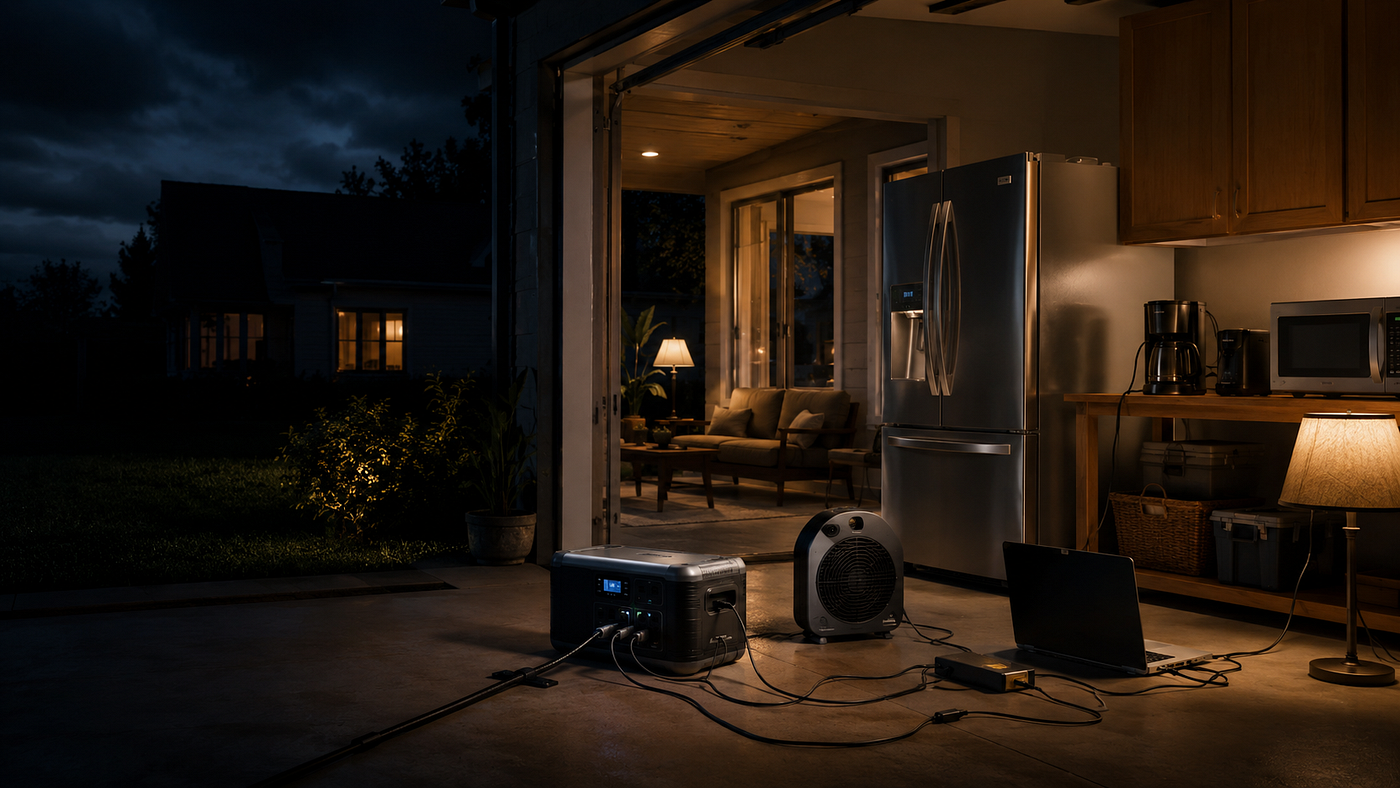
The room became uncomfortable because the fans stopped running. Phone batteries suddenly became something to monitor constantly. The refrigerator quietly became another source of stress because nobody knew how long the outage would actually last.
At one point, devices were being charged from inside the car while delayed client messages were being answered through unstable mobile signal.
That was probably the moment the situation stopped feeling like a “temporary inconvenience.”
It became obvious how much modern households rely on electricity just to maintain normal daily routines. Internet access, work communication, cloud storage, charging devices, home security, online services, and even staying comfortable indoors all depend heavily on stable power now.
Most people simply do not notice that dependency until everything shuts down at once.
Remote Workers Are Starting to Think Differently About Power Outages
A few years ago, most people working from home mainly focused on comfort and productivity upgrades.
Better desks. Faster internet. Larger monitors. More comfortable chairs. Quieter workspaces.
Now, more remote workers are also thinking seriously about power reliability.
And honestly, it makes sense.
The more work depends on digital communication and cloud-based systems, the more vulnerable households become during outages. Losing electricity for several hours today can affect work far more seriously than it did years ago.
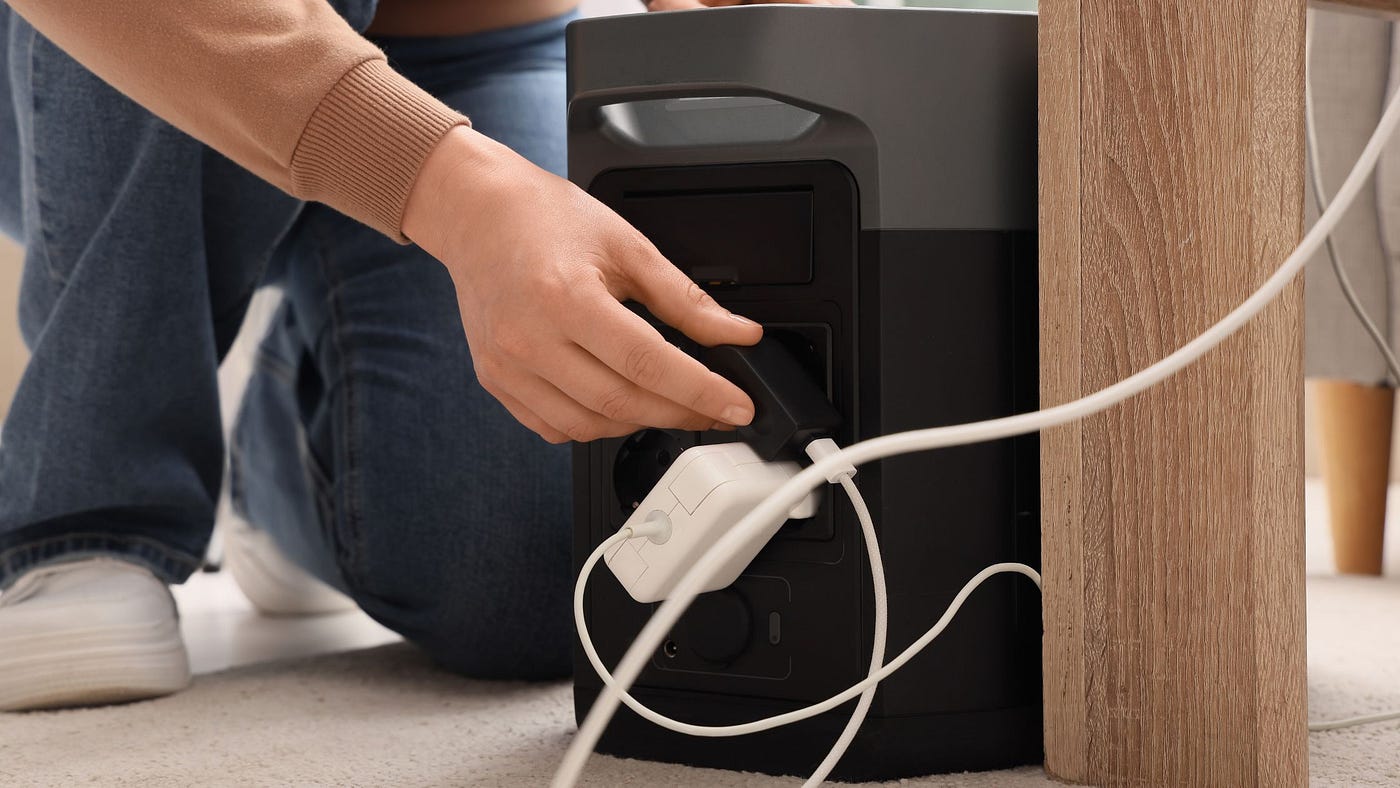
That is one reason conversations around home backup power in USA homeowner groups have become much more common recently. While researching options afterward, many remote workers seemed drawn toward quieter systems from Nature’s Generator because they wanted something practical enough to keep routers, devices, and basic home office setups running without relying completely on loud fuel-powered generators.
Interestingly, most people were not talking about survival scenarios at all.
They were simply trying to avoid chaos during unexpected interruptions.
Smaller Backup Systems Have More Limitations Than People Expect
After the outage, the first instinct was honestly to buy the cheapest battery setup possible just to keep the router and laptop running temporarily.
But after researching more carefully, it became obvious that many smaller systems struggle much faster than expected once multiple devices are connected at the same time. Routers, laptops, fans, monitors, refrigerators, and charging devices all add up quickly during longer outages.
That is something many advertisements do not explain very realistically.
A lot of systems advertise ideal runtime conditions based on minimal usage, but real households rarely operate that way during emergencies. Once stress enters the situation, people naturally start plugging in more devices, charging everything earlier than usual, and trying to maintain some sense of normal life inside the house.
That difference matters far more than most first-time buyers realise.
Some homeowners preferred using a portable power generator for short-term outages and emergency coverage, while others leaned toward a solar power generator because they wanted something rechargeable during longer interruptions without depending entirely on fuel availability.
And honestly, after dealing with unstable internet and interrupted work firsthand, it became much easier to understand why people were thinking that way.
Backup Power Started Feeling Less “Optional”
Before that client call, power outages felt annoying but manageable.
Afterward, the perspective changed completely.
Modern households are now deeply connected to stable electricity for communication, work, comfort, internet access, online services, and basic routines people barely think about day to day. Once the power disappears long enough, normal life starts becoming surprisingly difficult to maintain.
That experience also changed how emergency preparedness itself was viewed.
Backup systems no longer felt excessive or unnecessary. For many households, having some kind of realistic backup power solution is simply becoming part of responsible home planning now, especially for people working remotely and relying heavily on internet connectivity every single day.
Because once work, communication, and daily routines all depend on electricity at the same time, losing power no longer feels like a small inconvenience.
It feels like the entire day suddenly stops functioning.
메타데이터
- post_id
- e653aa7ae2bf
- slug
- i-lost-wifi-during-an-important-client-call-and-finally-understood-why-backup-power-matters-e653aa7ae2bf
- url
- https://medium.com/@iamstephmontana/i-lost-wifi-during-an-important-client-call-and-finally-understood-why-backup-power-matters-e653aa7ae2bf
- canonical_url
- https://medium.com/@iamstephmontana/i-lost-wifi-during-an-important-client-call-and-finally-understood-why-backup-power-matters-e653aa7ae2bf
- author_url
- https://medium.com/@iamstephmontana
- status
- ok
- fetched_at
- 2026-07-17 08:37:47