Syria’s New Reality: State-Sponsored Persecution of Its People
Siwar Al Assad Sunday 29 March 2026 00:52 GMT
Syria’s New Reality: State-Sponsored Persecution of Its People
Siwar Al Assad Sunday 29 March 2026 00:52 GMT
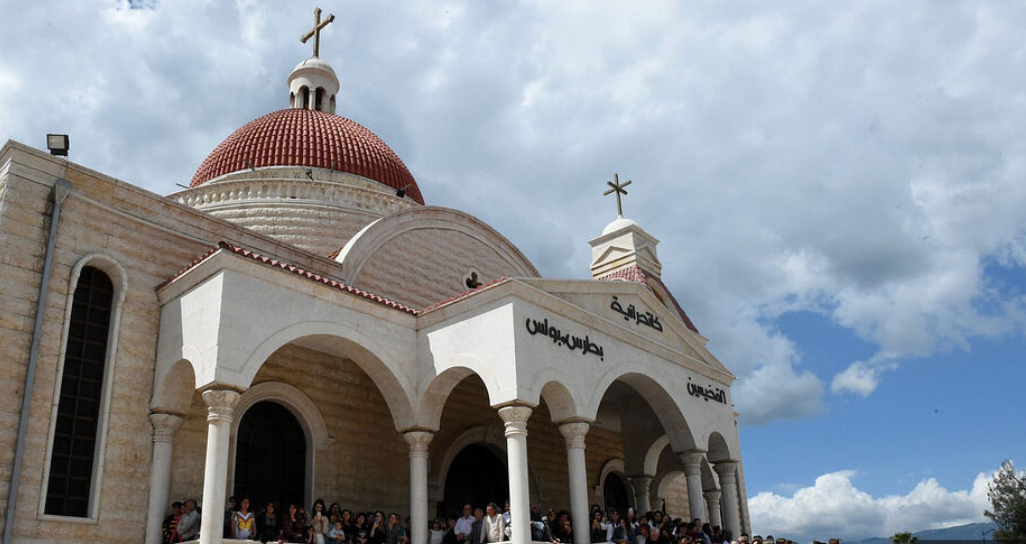
Cathedral of Sts. Peter and Paul in the Syrian city of Al-Suqaylabiyah
Syria’s Suqaylabiyah City Is Another Failure of Ahmad al‑Sharaa
The assault on a Christian town in central Syria was not a local misunderstanding. It was another warning that Syria’s new Islamist leadership still cannot, or will not, protect the people it claims to govern.
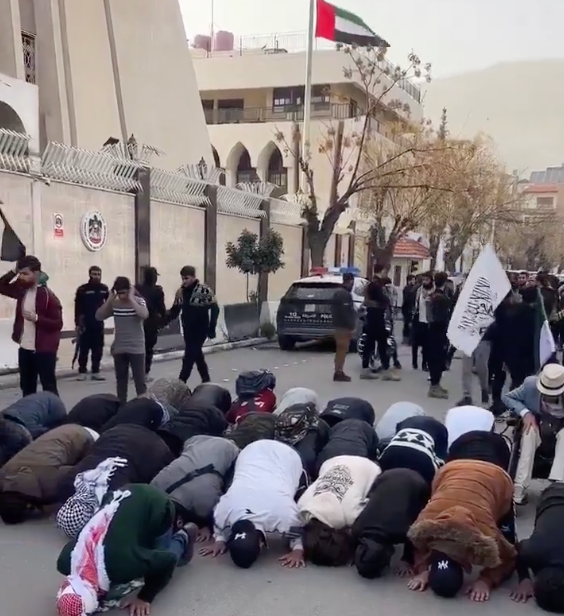
On the night of March 27 into March 28, Suqaylabiyah was dragged back into a Syrian nightmare that has become far too familiar: armed men, sectarian fury, shattered shops, damaged homes, and families trapped in fear until dawn. Associated Press reported that dozens of men from nearby Qalaat al-Madiq stormed the predominantly Christian town after a dispute escalated, attacking homes, cars, and businesses.
Whatever the immediate trigger, the deeper truth is harder to dismiss: civilians were left exposed while the Islamist authorities once again failed the most basic duty of power — protection.
Residents later marched through the town and declared a strike until those responsible are punished. Reinforcements did arrive, but as usual, only after the damage had already been done.
That sequence matters. States are not judged by how quickly they condemn sectarian violence after the fact. They are judged by whether they prevent it, contain it, and punish those behind it. In Suqaylabiyah, the de facto Islamist authorities in Damascus once again appeared only after terror had already made its point.
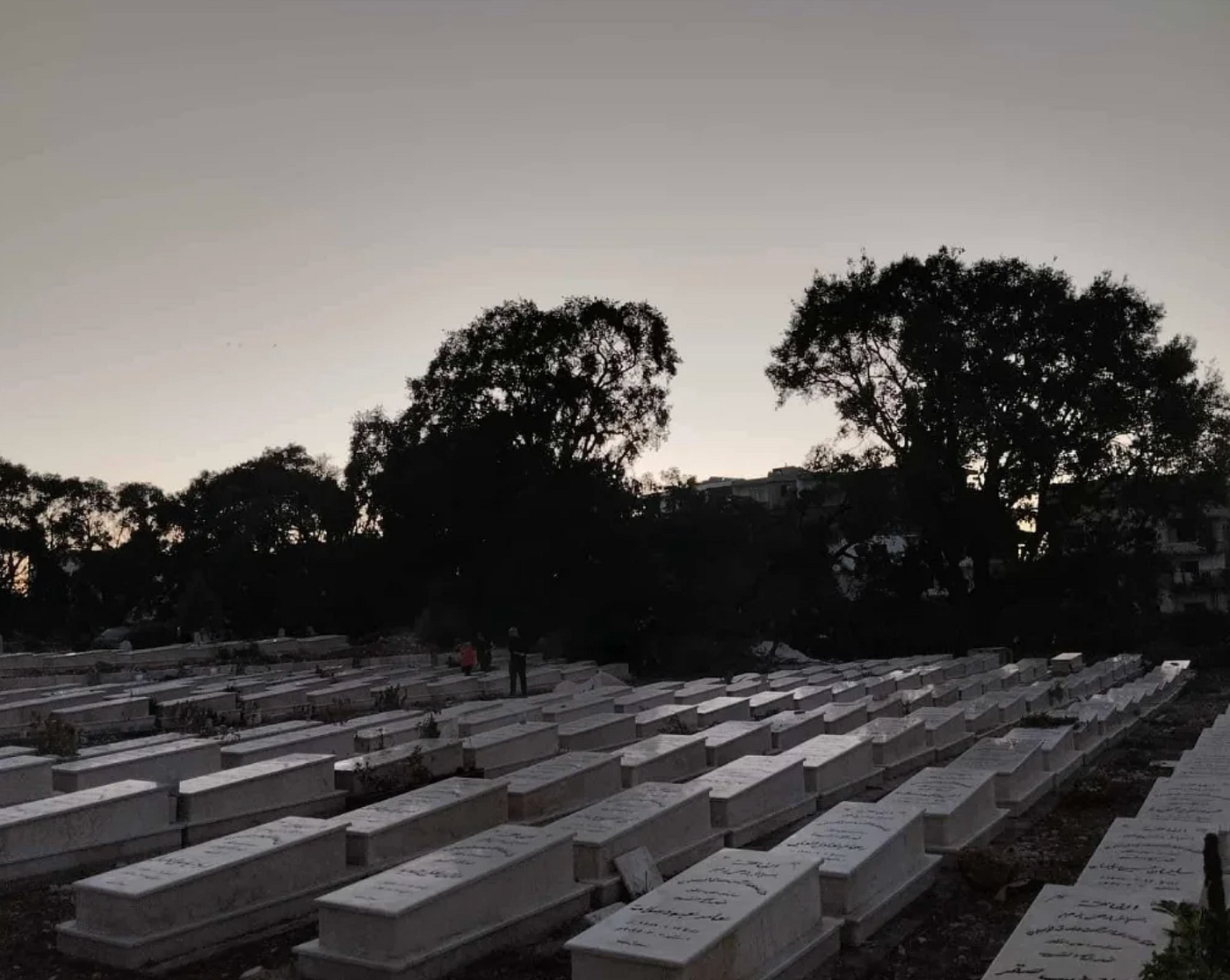
For Syria’s Christians, this did not happen in isolation. In June 2025, a suicide bombing at Mar Elias Church in Damascus killed at least 25 worshippers and deepened the belief that official promises of safety were little more than words.
At the funeral, Greek Orthodox Patriarch John X Yazigi said the government bore full responsibility for failing to protect minorities. For a community already thinned by war, displacement, and emigration, that accusation was not theatrical. It was the verdict of lived experience.
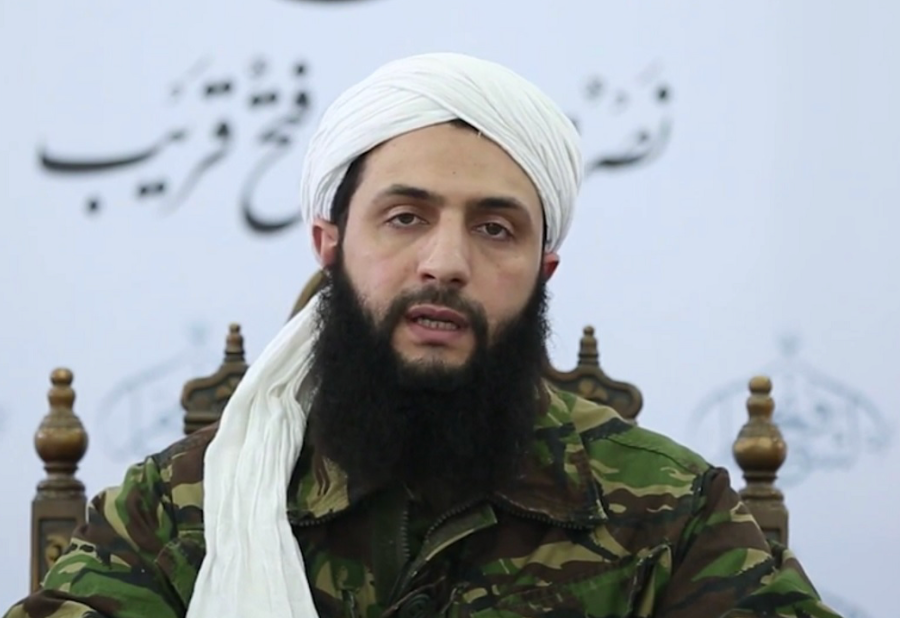
The defenders of Ahmad al-Shara, the man once known as Abu Mohammad al-Julani, still ask the world to speak in the language of transition, fragility, and isolated excesses. But the documented record is already far heavier than that.
SNHR says 2025 saw at least 3,666 civilians killed, 1,108 cases of arbitrary arrest or detention, and 65 attacks on civilian infrastructure across Syria, while warning that political transition without real institutional reform and accountability will not stop abuses.
Reuters later documented 1,479 Alawite victims in the March coastal massacres and traced a chain of command leading to men serving alongside the new authorities. On March 27, 2026, a U.N. investigation said more than 1,700 people were killed in the July 2025 violence in Suweida and found that government forces, tribal fighters, and Druze armed groups all committed abuses that may amount to war crimes.
Whether by forces directly under Damascus, factions aligned with it, or armed actors it has failed to restrain, the death toll on al-Sharaa’s watch is already measured in the tens of thousands.
Al-Sharaa also cannot hide behind reinvention. In December 2024, U.S. officials met him in Damascus and lifted the $10 million reward once offered for information leading to his capture, saying he would be judged by deeds, not words.
By March 2025, Reuters was already reporting that Western governments were warning there was “no blank check” for a leadership that failed to rein in jihadist fighters or govern inclusively. Since then, the pattern has only hardened: minorities bury their dead, count the ruins, and are told once again to be patient.
That is why Syriac organizations are no longer speaking in diplomatic euphemisms. The European Syriac Union has urged the United States, the European Union, France, and Germany to reconsider their support for Damascus and warned that unchecked extremism in Syria will threaten Europe too.
The Bethnahrin Women’s Union has called for independent fact-finding, international monitoring, and real protection for civilians. The Syriac Union Party has gone further, arguing that Christians must be allowed to join Internal Security Forces to help protect their own areas because confidence in state protection has collapsed.
This is not hysteria. It is the language of communities that no longer believe the state sees them as equal citizens.
Al-Sharaa has less room than before to hide behind sanctions as a blanket excuse. By late 2025, the European Union had lifted economic sanctions on Syria, Washington had lifted many of its economic restrictions and later removed sanctions on al-Sharaa himself, and the U.N. followed by removing sanctions on him as well.
Yet even as outside pressure eased, minority insecurity did not. The problem, then, is not only sanctions or economic suffocation. It is the continued failure to build a state that monopolizes force, disciplines allied factions, and protects civilians regardless of religion, ethnicity, or background.
The international community should stop treating minority protection as a side issue to be mentioned in statements and forgotten in practice.
No serious normalization should move forward without transparent investigations into sectarian crimes, prosecutions that reach commanders as well as gunmen, credible guarantees for Christians, Druze, Alawites, Kurds and other vulnerable communities, and a security order that no longer outsources power to armed factions.
Aid, diplomacy, reconstruction, and refugee-return discussions should all be tied to measurable protection, equal citizenship, and accountability. Anything less is not pragmatism. It is permission.
What happened in Suqaylabiyah matters not because it was unusual, but because it was familiar. A Christian town was terrorized. The authorities arrived late.
The Islamist leadership condemned the violence but once again failed the basic test of rule: protecting the people under its authority. Syria does not need more speeches about coexistence. It needs proof.
So far, Ahmad al-Sharaa has not provided it.
메타데이터
- post_id
- e6729ec94a4b
- slug
- syrias-new-reality-state-sponsored-persecution-of-its-people-e6729ec94a4b
- url
- https://medium.com/@majansaa/syrias-new-reality-state-sponsored-persecution-of-its-people-e6729ec94a4b
- canonical_url
- https://medium.com/@majansaa/syrias-new-reality-state-sponsored-persecution-of-its-people-e6729ec94a4b
- author_url
- https://medium.com/@majansaa
- status
- ok
- fetched_at
- 2026-06-25 12:15:08