Why Marketplace Planning Matters More Than Technology
When businesses decide to build a marketplace, the conversation usually starts with technology.
Why Marketplace Planning Matters More Than Technology

When businesses decide to build a marketplace, the conversation usually starts with technology.
Which framework should we use? Should the platform be headless? What features do we need at launch? How quickly can we go live?
But after watching how many marketplace projects evolve, one thing becomes very clear:
Most marketplace projects do not fail because of technology.
They fail because the marketplace itself was never planned properly.
A Marketplace Is Not Just a Website
This is one of the biggest misconceptions in digital commerce.
A marketplace is not simply a product catalog with checkout functionality.
It is an operational ecosystem.
It involves:
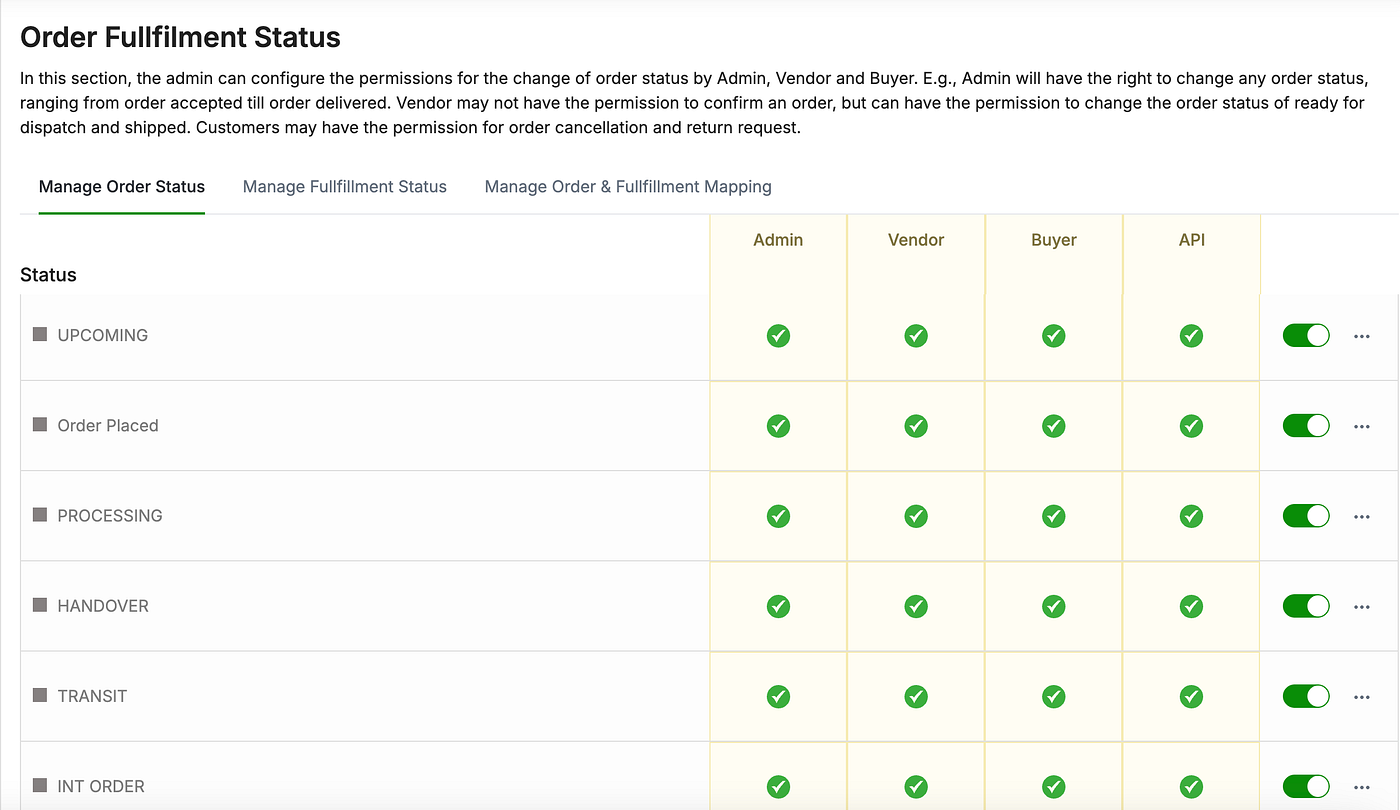
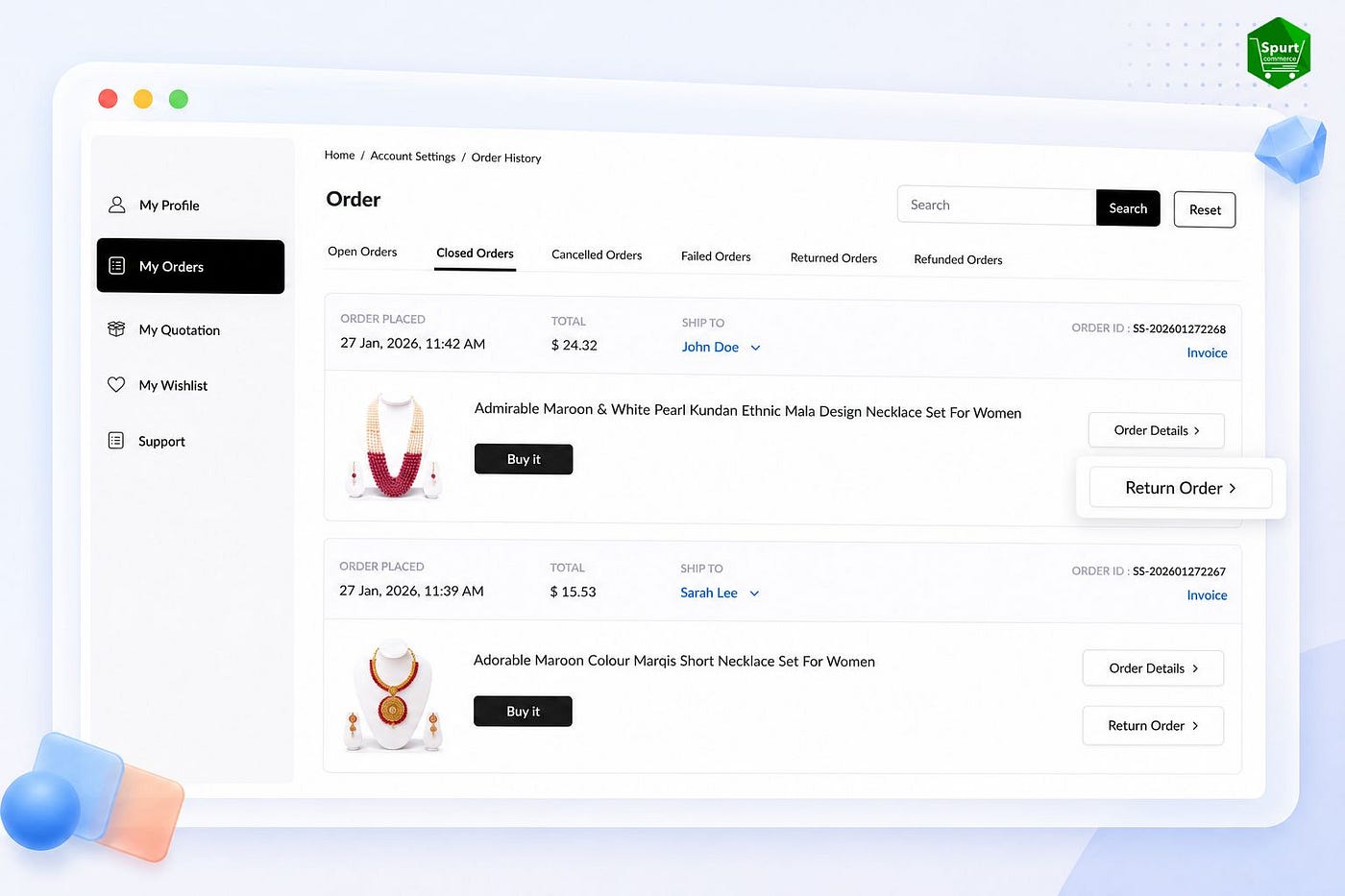
Vendors Buyers Fulfillment workflows Commission structures Payments Returns Inventory coordination Operational governance
And the complexity increases as the marketplace grows.
The problem is that many businesses treat marketplace development as a feature-building exercise instead of an ecosystem design problem.
Not All Marketplaces Work the Same Way
Another common mistake is assuming every marketplace follows the same operational model.
They do not.
A B2B marketplace behaves very differently from a B2C platform. A multi-vendor marketplace introduces challenges that traditional ecommerce stores never face.
Each model requires different workflows, controls, and business logic.
B2B Marketplaces Need Operational Depth
B2B commerce is rarely transactional in the traditional ecommerce sense.
It often includes:
Bulk pricing Account-based purchasing Request for quotation workflows Purchase orders Credit terms Institutional approvals
These are operational systems, not simple storefront features.
Without proper planning, B2B marketplaces quickly become difficult to manage as transaction complexity grows.
B2C Platforms Prioritize Scale and Experience
B2C marketplaces operate differently.
Their focus is usually on:
Customer experience High-volume transactions Fast product discovery Performance under traffic spikes Efficient order fulfillment
At scale, even small workflow inefficiencies can affect thousands of transactions.
This means scalability cannot be treated as a future upgrade.
It must exist in the foundation.
Multi-Vendor Marketplaces Add Another Layer of Complexity
Once multiple sellers enter the ecosystem, the operational model changes again.
Now the platform must manage:
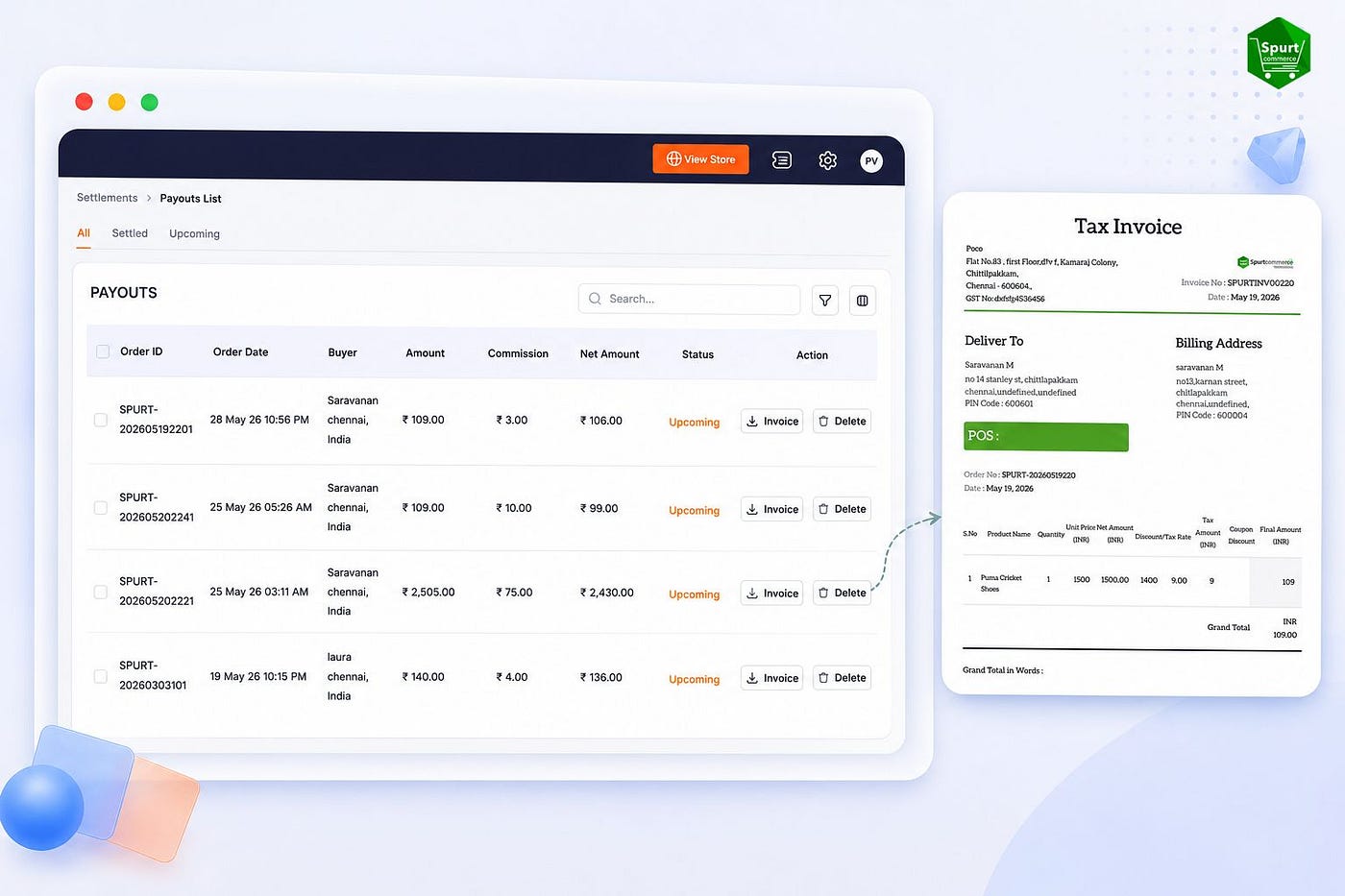
Vendor onboarding Seller-specific fulfillment Commission structures Inventory synchronization Performance monitoring Operational governance
At this stage, the marketplace is no longer just software.
It becomes infrastructure for multiple businesses operating together.
The Real Problem Starts Before Development
Many businesses move into development too early.
They start building before answering critical questions:
How will vendors operate? How will commissions work? How will payouts be handled? What happens when order volume grows significantly? How will workflows evolve over time?
These are not technical questions.
They are operational design questions.
And when they are ignored, technology eventually becomes difficult to scale.
Scalability Is a Design Decision
One of the most dangerous assumptions in marketplace development is:
“We’ll handle scalability later.”
But scalability is not something you add after growth happens.
It is something you design for from the beginning.
A platform that handles 100 orders may fail completely at 100,000 if workflows, infrastructure, and operational systems are not designed correctly.
This is why architecture and operational planning matter so much early on.
The Strongest Marketplaces Think Long Term
The marketplaces that scale successfully usually share a common characteristic:
They think beyond launch.
They focus on:
Operational clarity Vendor workflows Flexible business models Scalable systems Long-term ecosystem sustainability
Technology supports these systems.
It does not replace them.
The Bigger Shift in Marketplace Thinking
Perhaps the most important realization is this:
Marketplace success is not just about building software.
It is about designing how businesses interact inside a digital ecosystem.
That requires:
Business thinking Operational thinking Architectural thinking Long-term scalability planning
Without these, even great technology struggles.
Final Thought
Before building marketplace features, build the right foundation.
Because the marketplaces that survive long term are not necessarily the ones with the most features.
They are the ones with the clearest operational systems and the strongest scalability strategy.
Technology matters.
But marketplace planning matters more.
메타데이터
- post_id
- e68e13593d34
- slug
- why-marketplace-planning-matters-more-than-technology-e68e13593d34
- url
- https://medium.com/spurt-commerce/why-marketplace-planning-matters-more-than-technology-e68e13593d34
- canonical_url
- https://medium.com/spurt-commerce/why-marketplace-planning-matters-more-than-technology-e68e13593d34
- author_url
- https://medium.com/@spurtcommerce
- status
- ok
- fetched_at
- 2026-06-09 15:37:30