Lesser - Known People From History: Rebecca Andrews- patient zero of The Great Plague
The great plague; a horrific disease that was highly contagious, it moved swiftly through London and killed most of its victims within two…
Lesser - Known People From History: Rebecca Andrews- patient zero of The Great Plague
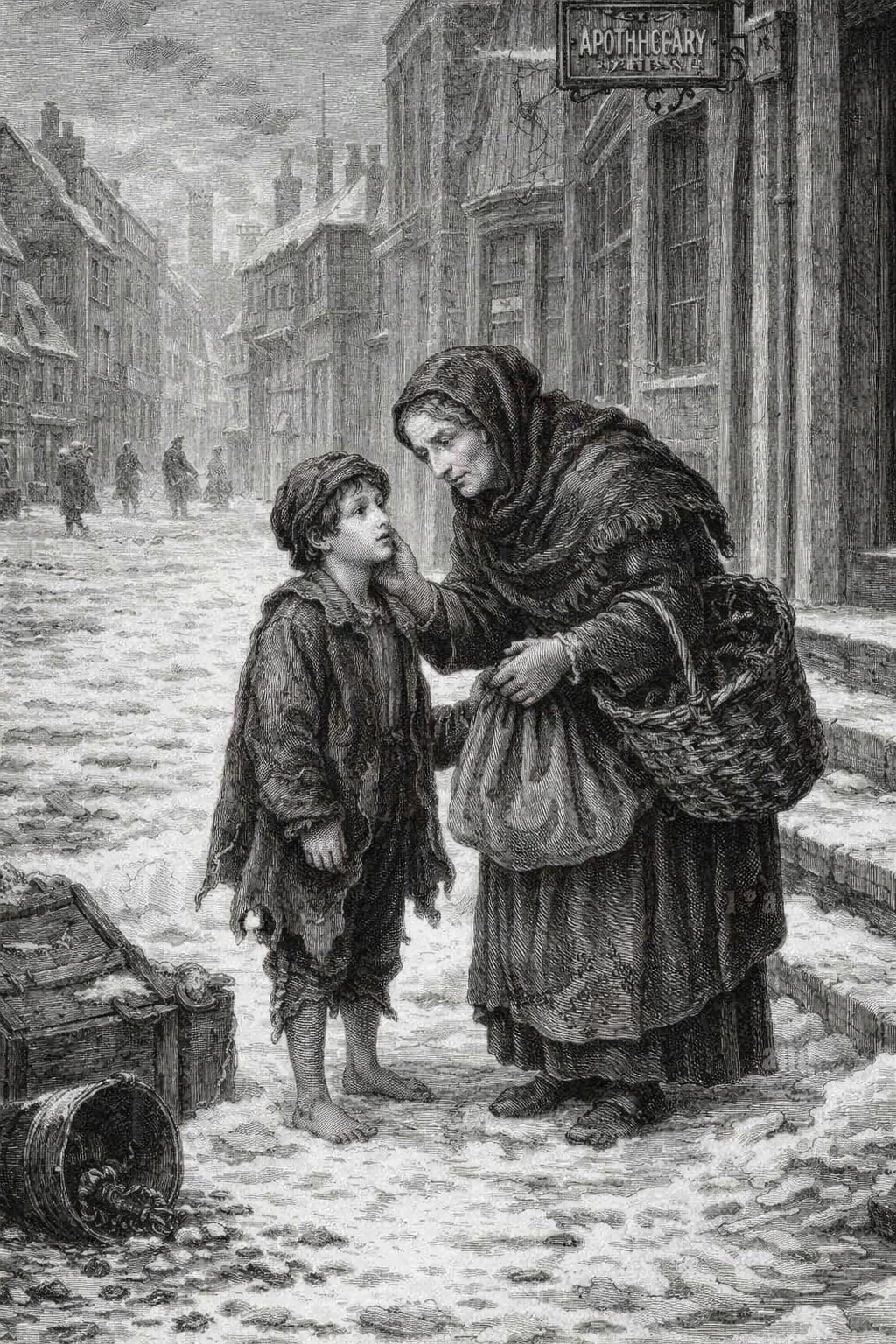
(This image was created via prompting Microsoft Copilot. It is a visual aid only and does not claim to be an oiginally created piece of artwork or historically accurate)
The great plague; a horrific disease that was highly contagious, it moved swiftly through London and killed most of its victims within two weeks. The first recorded case was a lady named Rebecca Andrews in April 1665. Rebecca lived in the Parish of St Dunstan’s, and she is famously known as patient zero, but little is known about her, and the story is a fascinating one.
The great plague of London was a bubonic plague, so called because of the symptoms the victims had called buboes, which are swollen, infected and painful lymph nodes. The buboes often formed in the neck or armpit, were about the size of an egg, and they caused a rash as the bacteria spread into the blood stream. To accompany this, the sufferer also had a high fever, muscle aches, delirium and even gangrene usually on the nose as the circulation to this part of the body was cut off, causing it to go black.
The great plague killed between 70,000–100,000 people in the capital, approximately one fifth of its population. It was believed to have come from the Netherlands via trading ships carrying cotton. In December 1664, two Frenchman who were weavers and had come to London via a cotton shipment, died. They had displayed the known symptoms, but they were not officially recorded as plague deaths.
The plague was not unknown to London residents at the time. The disease had been occurring intermittently since 1599 and although not officially acknowledged, was certainly a threat. Bills of Mortality were records of deaths that were published each week. Originally conceived to record plague deaths of earlier outbreaks, at this time their purpose was to monitor public health. The bills of mortality recorded a higher-than-normal number of deaths in the St Giles area in December 1664 and there was another increase in February 1665. Suspicions began to arise that the plague was circulating in this part of London; although it was kept from becoming wide public knowledge, the wealthy did avoid poor and overcrowded areas.
Rebecca Andrews lived in Cock and Key Alley, in the Parish of St Dunstan’s near Fleet Street. A densely populated area whose inhabitants were very poor. Life would have been very hard; money and food were scarce, and survival was a daily hardship. The living conditions were cramped and insanitary, it was a perilous environment and countless people died. The most vulnerable in society were children; many were left orphaned and left to fend for themselves, were prone to sickness or injury. Rebecca was a widow and had not only experienced loss but had faced the struggles of a poor person’s life. Despite her own difficulties, she took in orphans and disabled children who were alone in the slums; she fostered and took care of them, when they had no-one.
Rats were very prevalent in the cramped and dirty streets, and it was un-known at this time that the fleas they carried were spreading the plague. But the residents knew that contact with infected people would likely mean you would catch the disease. Despite symptoms being invisible for the first few days and the increased risk of taking in children from the streets, Rebecca cared for these vulnerable youngsters regardless. From whom Rebecca contracted the disease no-one knows, but at the time of her death she had taken in a boy who was disabled and had been abandoned, he was called Laurence. Laurence sadly became the second recorded case of bubonic plague in April 1665. What happened next to Rebecca and Laurence was terrible.
Anyone suspected of having the plague, at the time, were quarantined in their homes. Rebecca and Laurence, when their symptoms were undeniable, were immediately locked into a one-room dwelling. The door was padlocked shut, and they were left to die — or not. They were provided with food rations and visited intermittently by a nurse. Rebecca and Laurence had no option but to watch each other get sicker as the plague took them. Rebeacca could only hope that she could comfort Laurence in his last moments. But tragically Rebecca died first. She was a day ahead of Laurence and all she could do was watch him get weaker, knowing that tomorrow he would be feeling the way she was. Showing him his fate and it felt so cruel. She died likely in the knowledge that Laurence was witnessing it. Searchers checked on them and found Rebecca dead and Laurence close to death. They shut him back in and returned a day later, knowing what they would find, his dead body. Their deaths were officially recorded as the first two deaths of the bubonic plague of London in 1665.
After Rebecca’s death, the bills of mortality began to record more deaths caused by the plague. The number of people dying continued to climb, reaching shocking levels and becoming arguable the worst pandemic in British History. Most of the great plague victims were the poor. Those who could afford it fled the capital, including the King and those left behind, were left to manage and find a way to survive. Searchers, so called as their duty was to inspect a corpse and determine the cause of death, were at an incredible high risk. Searchers were poor and were almost always women. This demonstrates the desperation of the most vulnerable groups in society, to make some money by taking on the most dangerous roles that no-one else wanted. Rebecca Andrews shows us that there was still affection and care in communities at this time, despite the horrors that were happening. By taking in vulnerable children, she put herself at risk and made the ultimate sacrifice. Her life ended next to one of these children, and she should be remembered not just as patient zero but as a brave woman who dispelled kindness and love.
Sources
The Great Plague. youtu.be/VqoVGNL3XhY?si=fF_54AdMgfzmdndD0
The Great Plague That Caused Catastrophic Deaths. C5. 2020
www.britannica.com/event/Great-Plague-of-London
메타데이터
- post_id
- e6aebe5d04c1
- slug
- lesser-known-people-from-history-rebecca-andrews-patient-zero-of-the-great-plague-e6aebe5d04c1
- url
- https://medium.com/@michellekoleszko/lesser-known-people-from-history-rebecca-andrews-patient-zero-of-the-great-plague-e6aebe5d04c1
- canonical_url
- https://medium.com/@michellekoleszko/lesser-known-people-from-history-rebecca-andrews-patient-zero-of-the-great-plague-e6aebe5d04c1
- author_url
- https://medium.com/@michellekoleszko
- status
- ok
- fetched_at
- 2026-07-13 06:23:13