Why an Air Cooled Oil Cooler Is Essential for Modern Industrial Equipment
Industrial machinery operates under demanding conditions every day. Whether it is hydraulic equipment, construction machinery…
Why an Air Cooled Oil Cooler Is Essential for Modern Industrial Equipment
Industrial machinery operates under demanding conditions every day. Whether it is hydraulic equipment, construction machinery, manufacturing systems, or power generation units, heat management plays a critical role in maintaining efficiency and reliability. One of the most effective solutions for controlling excessive oil temperatures is the aircooledoilcooler.
An aircooledoilcooler is specifically designed to remove unwanted heat from lubricating or hydraulic oil using ambient air. By maintaining proper oil temperatures, this cooling system helps machinery operate efficiently while reducing wear and extending equipment life.
Understanding the Role of an Air Cooled Oil Cooler
Every machine that relies on hydraulic systems or lubrication generates heat during operation. Friction between moving parts and continuous system pressure increase oil temperatures over time. If the oil becomes too hot, its performance begins to decline.
The primary purpose of an air cooled oil cooler is to transfer heat away from the oil before it can negatively impact the system. This process ensures that the oil maintains its viscosity and protective properties.
Without proper cooling, machinery may experience reduced efficiency, increased maintenance requirements, and unexpected breakdowns.
How Air Cooled Oil Cooler Systems Function
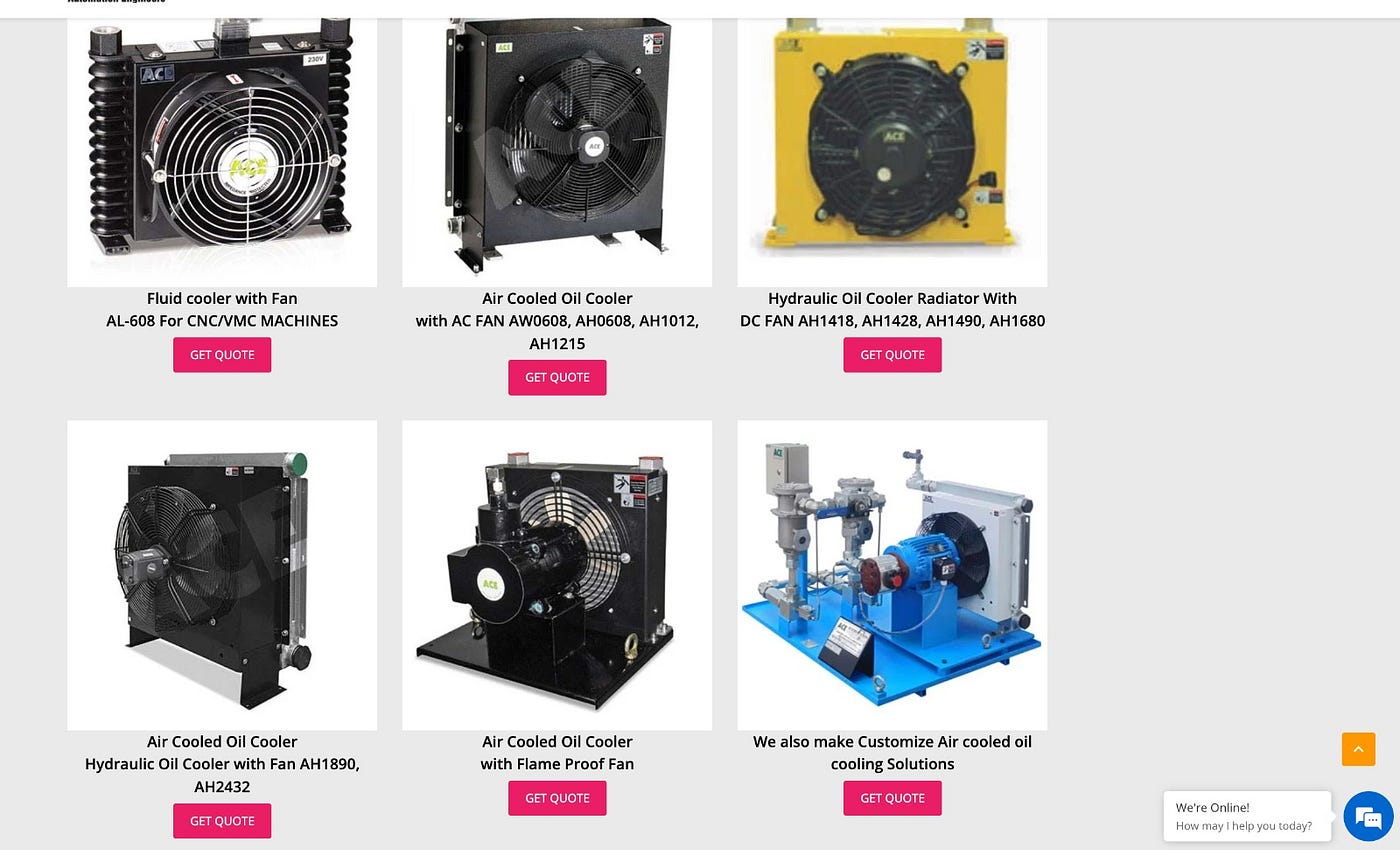
The operation of an air cooled oil cooler is based on heat transfer principles. Hot oil from the machine flows through a specially designed heat exchanger. The cooler contains multiple tubes and fins that maximize the surface area available for heat dissipation.
A fan pushes air across these fins, allowing heat to move from the oil into the surrounding air. Once cooled, the oil returns to the system and continues circulating.
This simple yet effective process enables machinery to maintain safe operating temperatures even during demanding workloads.
Advantages of Using an Air Cooled Oil Cooler
Enhanced System Reliability
Overheating is a common cause of equipment failure. An aircooledoilcooler reduces thermal stress and helps machinery perform consistently.
Improved Lubrication Quality
Oil performs best within a specific temperature range. Effective cooling preserves oil quality and maintains proper lubrication.
Lower Maintenance Expenses
When machinery operates at controlled temperatures, component wear decreases. This reduces repair costs and extends maintenance intervals.
Increased Productivity
Equipment that remains cool can operate efficiently for longer periods without interruption.
Water-Free Cooling Solution
Unlike water-cooled alternatives, an aircooledoilcooler requires no water source. This makes it ideal for remote and industrial environments.
Common Industries That Use Air Cooled Oil Cooler Technology
Manufacturing Facilities
Production equipment often runs continuously throughout the day. Cooling systems help prevent overheating and maintain stable operation.
Construction Sector
Heavy-duty machines such as excavators, loaders, and cranes generate significant heat. Air-cooled oil coolers help ensure dependable performance.
Agriculture
Modern farming equipment works in harsh environments and high temperatures. Effective oil cooling improves machine reliability during long working hours.
Mining Operations
Mining machinery operates under extreme loads and requires robust cooling systems to prevent performance loss.
Energy Production
Generators and power equipment rely on aircooledoilcooler systems to maintain optimal temperatures and prevent shutdowns.
Factors That Affect Cooling Performance
Several factors influence how effectively an aircooledoilcooler performs.
Ambient Air Temperature
Higher outdoor temperatures may reduce cooling efficiency. Selecting the proper cooler size is important.
Airflow Volume
Adequate airflow is essential for transferring heat away from the cooling surface.
Oil Flow Rate
The amount of oil moving through the cooler directly impacts cooling performance.
Heat Load
Machines generating large amounts of heat require higher-capacity cooling systems.
Equipment Design
Proper placement and installation improve airflow and maximize cooling effectiveness.
Choosing the Right Air Cooled Oil Cooler
Selecting the correct aircooledoilcooler requires careful consideration of operational requirements.
Determine Cooling Requirements
Calculate the amount of heat generated by the system to identify the necessary cooling capacity.
Evaluate Environmental Conditions
Dust, humidity, and temperature should be considered during equipment selection.
Consider Space Availability
Compact designs may be preferable for installations with limited space.
Review Material Quality
Durable materials provide better resistance to corrosion and harsh industrial conditions.
Ensure System Compatibility
The cooler should match the operating pressure, oil type, and flow requirements of the equipment.
Maintenance Tips for Long-Term Performance
Routine maintenance helps maximize the lifespan of an aircooledoilcooler.
Clean the Cooling Surface
Dust and debris accumulation can reduce airflow and cooling efficiency.
Inspect the Fan Assembly
Check for damaged blades, loose components, or motor issues.
Monitor Oil Temperature
Regular monitoring allows operators to identify cooling issues before major problems occur.
Examine Connections
Inspect hoses and fittings for leaks, cracks, or wear.
Replace Worn Components
Timely replacement of damaged parts helps prevent unexpected failures.
Signs Your Air Cooled Oil Cooler Needs Attention
Operators should watch for warning signs that indicate cooling problems.
- Rising oil temperatures equipment life, reduces maintenance costs, and enhances overall efficiency. As industrial operations continue to evolve, the importance of high-quality aircooledoilcooler systems will only increase. Investing in effective cooling technology ensures better performance, greater productivity, and long-term operational success.
메타데이터
- post_id
- e6e5798062a3
- slug
- why-an-aircooledoilcooler-is-essential-for-modern-industrial-equipment-e6e5798062a3
- url
- https://medium.com/@aircooledoilcooler37/why-an-aircooledoilcooler-is-essential-for-modern-industrial-equipment-e6e5798062a3
- canonical_url
- https://medium.com/@aircooledoilcooler37/why-an-aircooledoilcooler-is-essential-for-modern-industrial-equipment-e6e5798062a3
- author_url
- https://medium.com/@aircooledoilcooler37
- status
- ok
- fetched_at
- 2026-07-23 15:37:50