Mosquitoes, Dumsor & Rain: The Triple Wahala for Ghanaian Homes
The rains are here. The weather is cooler, the air feels fresher, and many farmers look forward to a good growing season. But while we’re…
Mosquitoes, Dumsor & Rain: The Triple Wahala for Ghanaian Homes
The rains are here. The weather is cooler, the air feels fresher, and many farmers look forward to a good growing season. But while we’re enjoying the relief from the heat, another group is celebrating too, mosquitoes!
And just when you’re settling in for a peaceful evening, dumsor strikes. The fan goes off, the room becomes stuffy, windows and doors are opened for fresh air, and before long, mosquitoes are buzzing around your ears like they paid rent.
Can you relate?
For many Ghanaian households, the combination of rain, dumsor, and mosquitoes creates the perfect storm. What may seem like everyday inconveniences can actually increase health risks, attract more pests, and make homes uncomfortable for families.
Let’s look at why these three factors work together and what you can do to protect your home.
Why Rainy Season Means More Mosquitoes
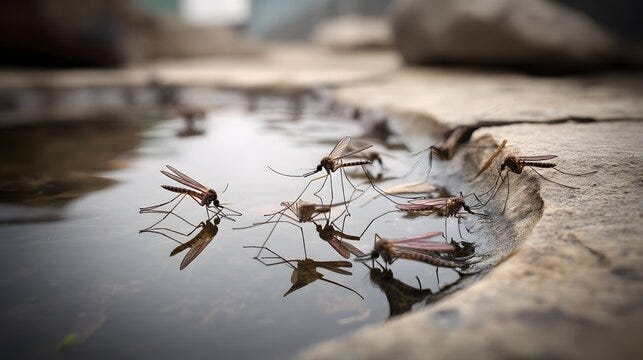
Mosquitoes love water. During the rainy season, water collects in places we often overlook old tyres, buckets, flowerpots, gutters, drains, bottles, and even small puddles around the compound.
What many people don’t realize is that mosquitoes don’t need large pools of water to breed. Even a small amount of stagnant water can become a breeding ground within days.
As mosquito populations increase, so does the risk of mosquito-borne diseases such as malaria, which remains one of the most common illnesses affecting Ghanaian families.
A single mosquito may seem harmless, but when hundreds are breeding around your home, the risk becomes much greater.
How Dumsor Makes the Problem Worse

Power outages affect more than our comfort. They can unintentionally create conditions that make pest problems worse.
When electricity goes off, many households open windows and doors to improve airflow. Unfortunately, this also provides easy access for mosquitoes and other flying insects.
Without fans or air conditioners running, mosquitoes can move around more freely and are more likely to land on people. Many residents also spend more time outdoors during outages, increasing exposure to mosquito bites.
In addition, some people use lights near open windows and doors during outages. These light sources can attract insects from outside and bring them directly into living spaces.
While dumsor itself doesn’t create pests, it certainly makes it easier for them to enter and thrive in our homes.
The Hidden Pest Problems That Come with Rain and Power Outages

Mosquitoes aren’t the only pests that become more active during this period.
Heavy rains often force pests such as cockroaches, ants, termites, and rodents to seek shelter indoors. Flooded burrows and wet outdoor environments drive them toward dry, warm spaces, which often means our homes, shops, schools, and offices.
Power outages can also affect food storage. Refrigerators stop working, food may spoil faster, and uncovered food becomes more attractive to insects and rodents.
Combined with poor sanitation or blocked drains, these conditions can quickly lead to pest infestations if not addressed early.
Practical Steps to Protect Your Home
The good news is that you don’t need expensive equipment or complicated solutions to reduce your risk.
1. Eliminate Standing Water
Walk around your compound at least once a week and remove anything that can collect water.
Pay attention to:
- Old tyres
- Buckets and containers
- Flower pot trays
- Blocked gutters
- Empty bottles
- Water-filled depressions in the ground
This simple habit can significantly reduce mosquito breeding around your home.
2. Keep Gutters and Drains Clean
Blocked gutters create ideal breeding conditions for mosquitoes and attract other pests.
Regular cleaning allows rainwater to flow properly and prevents stagnant water from accumulating around the property.
3. Install Screens and Seal Entry Points
Window and door screens provide a physical barrier against mosquitoes and other insects.
It’s also important to seal gaps around pipes, roofing, doors, and windows where pests can enter.
Small openings that seem insignificant can serve as entry points for rodents, cockroaches, and insects.
4. Sleep Under Treated Mosquito Nets
One of the most effective ways to prevent mosquito bites is by using long-lasting insecticide-treated nets.
This is especially important for children, pregnant women, and elderly family members who are more vulnerable to mosquito-borne diseases.
5. Store Food Properly During Power Outages
When electricity goes off, try to keep refrigerator doors closed as much as possible to preserve cool temperatures.
Store grains, cereals, and dry foods in airtight containers and keep all food covered to discourage ants, cockroaches, and rodents.
6. Maintain Good Sanitation
Clean environments are less attractive to pests.
Dispose of rubbish regularly, wash dishes promptly, clean kitchen surfaces, and avoid allowing waste to accumulate around your property.
Good sanitation remains one of the most effective forms of pest prevention.
7. Trim Bushes and Overgrown Vegetation
Tall grass and overgrown vegetation provide hiding places for mosquitoes, rodents, and other pests.
Keeping your compound tidy reduces shelter opportunities and improves overall pest control.
8. Prepare for Outages
A simple household pest-prevention kit can be useful during the rainy season.
Consider keeping:
- Mosquito repellents
- Treated mosquito nets
- Flashlights and spare batteries
- Garbage bags
- Airtight food storage containers
- Basic cleaning supplies
Being prepared helps you respond quickly when conditions change.
Prevention Is Always Better Than Control
One of the biggest mistakes people make is waiting until pests become a serious problem before taking action.
By the time mosquitoes are everywhere, rodents are chewing through food supplies, or cockroaches are appearing daily, the infestation may already be well established.
Prevention is usually easier, more affordable, and more effective than dealing with a full-blown pest problem.
Small actions taken consistently can make a huge difference throughout the rainy season.
Rain is a blessing, but it also creates conditions that pests love. When rain combines with dumsor, Ghanaian homes face a unique challenge that many of us know all too well.
The good news is that you don’t have to accept mosquitoes, sleepless nights, and pest infestations as part of the season.
By eliminating standing water, maintaining good sanitation, securing your home, and adopting simple preventive habits, you can significantly reduce the impact of this triple threat.
This rainy season, don’t let mosquitoes, dumsor, and rain take control of your home. Take action early and keep your family safe, healthy, and comfortable.
Need more practical pest prevention tips? Follow Pesticontrol for expert advice and educational content that helps you stay one step ahead of pests.
메타데이터
- post_id
- e6f106a06b7c
- slug
- mosquitoes-dumsor-rain-the-triple-wahala-for-ghanaian-homes-e6f106a06b7c
- url
- https://medium.com/@pesticontrol82/mosquitoes-dumsor-rain-the-triple-wahala-for-ghanaian-homes-e6f106a06b7c
- canonical_url
- https://medium.com/@pesticontrol82/mosquitoes-dumsor-rain-the-triple-wahala-for-ghanaian-homes-e6f106a06b7c
- author_url
- https://medium.com/@pesticontrol82
- status
- ok
- fetched_at
- 2026-07-15 15:25:19