Kalpataru Significance
On 1 January 1886, the Paramahansa transformed into Kalpataru and plunged into a trance, pulling devotees out of their normal awareness…
Kalpataru Significance
On 1 January 1886, the Paramahansa transformed into Kalpataru and plunged into a trance, pulling devotees out of their normal awareness into Kali consciousness.

Sri Ramakrishna Paramahansa
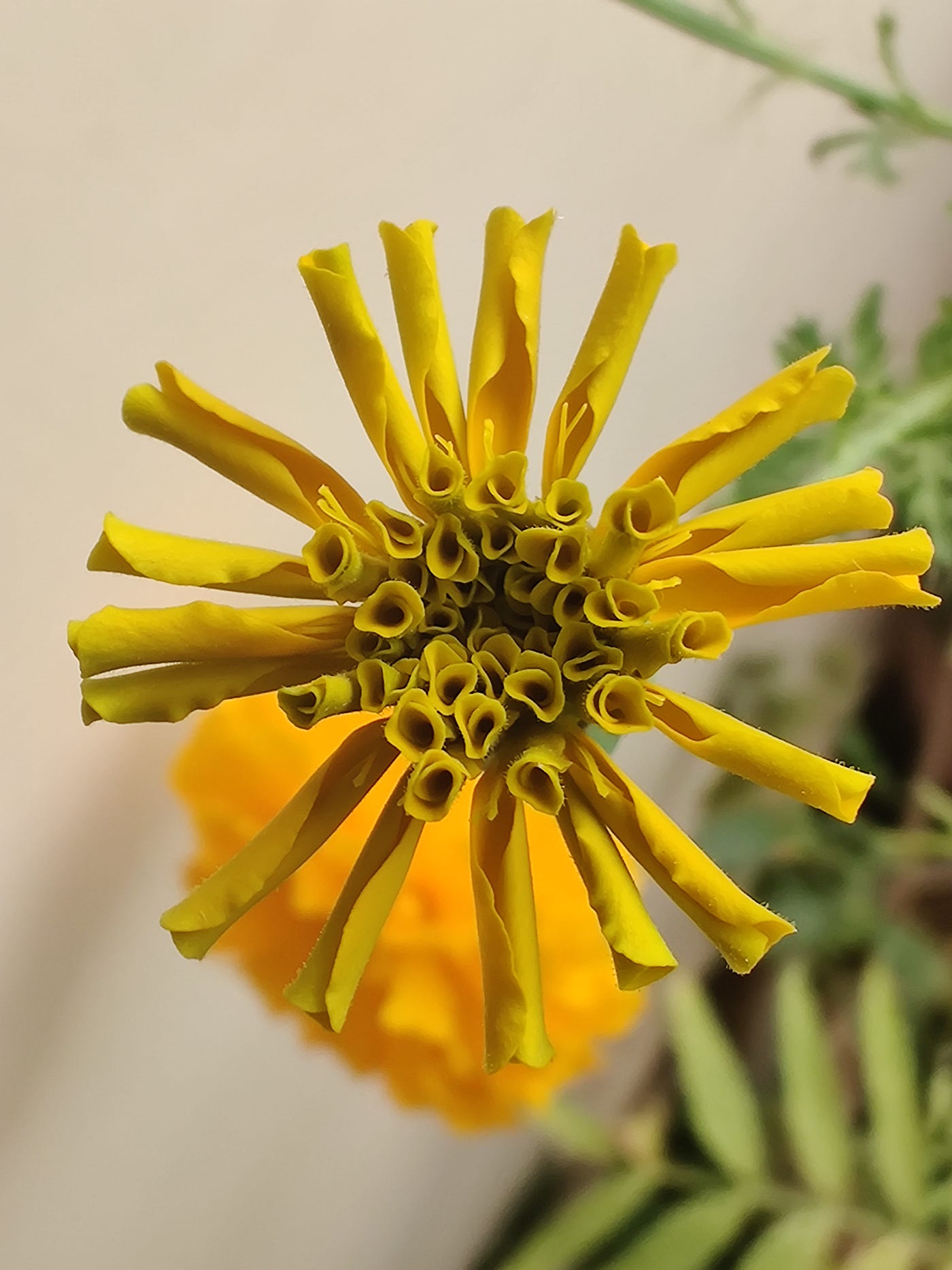
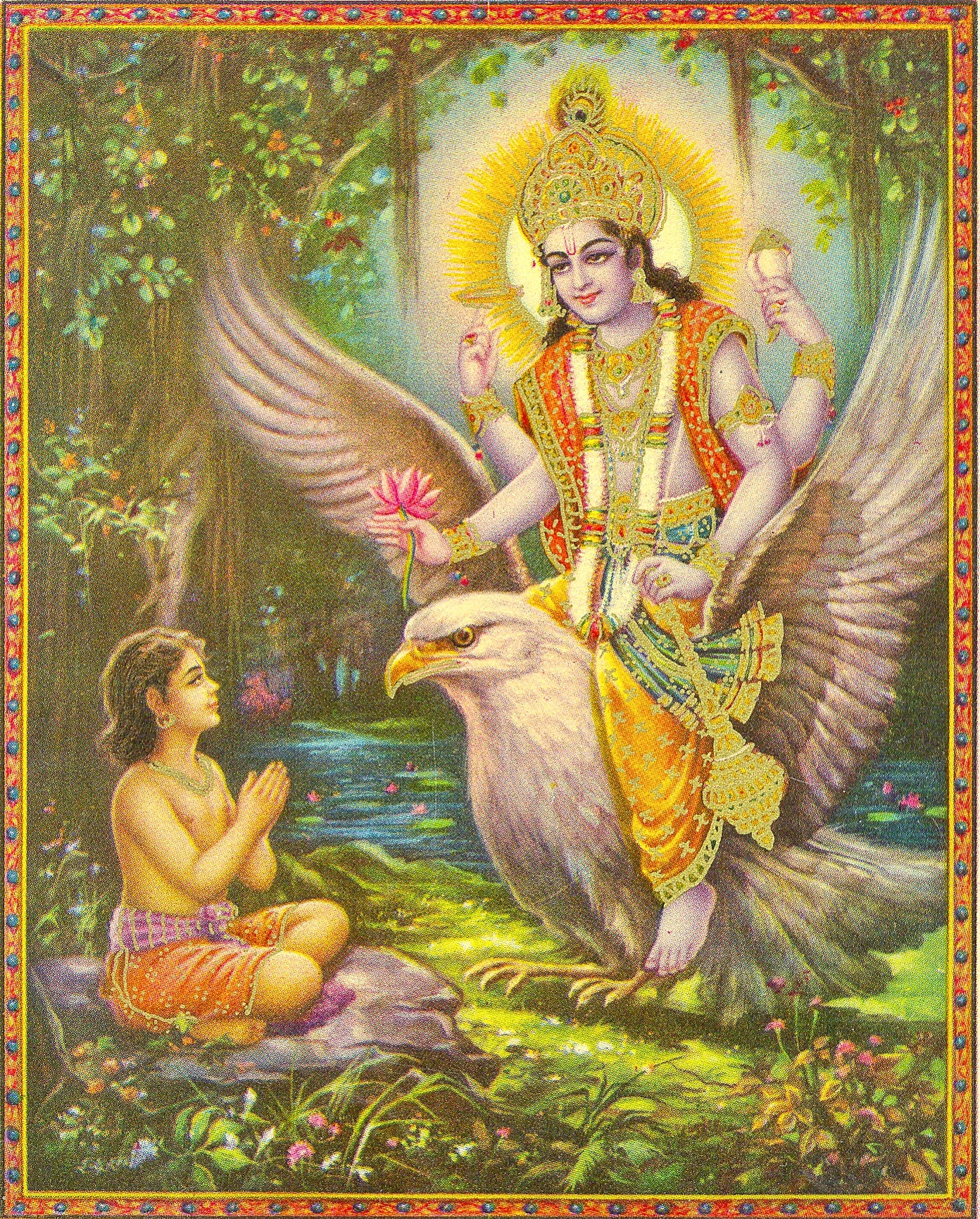
Ramakrishna Paramahansa, an ace explorer of Chaitanya, opened up its dimensions that otherwise stay obscure and out of the reach of ordinary sensory perception. He awakened Kali in his own body — a feat sadhakas spend lifetimes to achieve. Kali was not an abstract concept to one who was held in popular opinion as an avatara of Gaya Vishnu. She started breathing in the inconscient following Her arousal when he insisted that She gave him convincing evidence of Her being a living Devi. How could She stay imperceptible, not palpable and unlively when awakened in one of Her most adorable sons? This time, a glimpse of Kali’s cosmic formidability was passed on to a few of his devotees who were thus enabled to tread the spiritual path with greater resolve, stronger conviction and enhanced clarity. On 1 January 1886, the Paramahansa transformed into a wish-fulfilling tree (Kalpataru) and plunged into an intense spiritual trance (a deep state of bhava), dragging at once his devotees out of their normal awareness into the wider field of Chaitanya that Kali essentially is.

Paramahansa in Samadhi
His followers were bestowed the extraordinary ability to experience the harmonious bliss of the infinite realm they held in the very cores of their beings. During this bout, the devotees acted as insane as their master whenever he entered into samadhi — experiences and therefore the conduct of all who manage to venture out of the mundane finite experience must be consistent. Not everyone has the capacity to set out on an arduous journey as sadhana on his or her own without the aid of an initial push that would supply them the momentum to prevail even when the going gets tough without getting derailed or suffering from what can be described as short-circuiting. Sadhana isn’t only for the attainment of individual liberation; probably it is not at all for it. Sadhana is for realisation, acknowledgement, interest and blossoming of Kali as a whole in the fullest spirit of total surrender to Her will. A sadhaka so stirred at the core like the Paramahansa then naturally finds it imperative on his part to effect a spiritual upliftment of fellow beings who are considerably inclined to the Divine (and still aren’t yet Its appropriate vessels) by a transfer of his own spiritual powers. The spiritual advancement of this proportion is not temporal — undoubtedly — but exerts an influence that extends far remote into the space-time fabric, it being one of Kali’s Self-emancipations; the recipients carry this spiritual progression as part of their karmas into forthcoming lives. The significance of a Kalpataru is in taking such corrective measures to help the petty, the messy, the laggards — who otherwise struggle to open up to the divine — in turning around so that eventually they get on board in a cathartic journey deep into Kali’s domain.

Maa Kali with Her right foot extended on Shiva’s chest
This enchantment by a direct act of transformation is an establishment of a lasting contact with the oneness that sprouts and underlies all explicit and implicit diversities of shrishti perceiving which one’s narrowness is purged and confinement lifted. Deep penetration through the layers of awareness to reach the uncharted territories of reality can induce an instant conversion of petty survival to a substantially enhanced living — living with a super-awareness of Kali’s true, ineffable identity.
Kalpataru Divasa marks the occasion when the inner wish of Sri Ramakrishna’s devotees to be able to sense the presence of Paramahansa’s Kali attained effortless fulfilment at the hands of their preceptor. May the words and lifetime of the Paramhansa engender in all similar inner, filling transformation — tremendous arousal of Kali — , a wish mankind has harboured since its inception.
PS In 2022, on January 1, I wrote this article on Kalpataru for Sirf News India, published the same day, relying solely on the one biography of Sri Ramakrishna Paramahansa I have read till now—not the one by M. At the time, I lacked detailed knowledge of what had transpired on January 1, 1886. I had no clue of the words uttered by the Paramahansa. Much later I came to know that his first words addressed to his devotees as he entered into the Samadhi were “তোমাদের চৈতন্য হোক”. I felt content with my interpretation of Kalpataru which I realised could be possible only through the grace of Kali and Paramahansa. Paramahansa indeed transferred to his devotees a glimpse of the infinite, partitionless, all-pervading and absolute Chaitanya that is both sublime and terrifying. My interpretation was premised on the little understanding of Kali that I had acquired again as much as enabled by Kali Herself. But then again this elucidation of Kalpataru seems futile when the Paramahansa had already uttered “তোমাদের চৈতন্য হোক”. Inspired by his words, may we all journey towards Chaitanya. May we all reach Kali.
메타데이터
- post_id
- e6fbf9326f7d
- slug
- kalpataru-significance-e6fbf9326f7d
- url
- https://medium.com/@beelayraha/kalpataru-significance-e6fbf9326f7d
- canonical_url
- https://medium.com/@beelayraha/kalpataru-significance-e6fbf9326f7d
- author_url
- https://medium.com/@beelayraha
- status
- ok
- fetched_at
- 2026-09-04 16:23:12