15 Common Trekking Mistakes Beginners Must Avoid in India (2026 Guide)
Introduction
15 Common Trekking Mistakes Beginners Must Avoid in India (2026 Guide)
Introduction
Trekking is one of the best ways to explore India’s beautiful mountains, forests, valleys, and hidden trails. From the snow-covered Himalayan routes to the lush green Western Ghats, trekking offers adventure, fitness, and unforgettable memories.
However, many first-time trekkers make simple mistakes that can turn an exciting journey into a difficult experience. Wearing the wrong shoes, carrying unnecessary items, ignoring weather forecasts, or underestimating trail difficulty can lead to discomfort, injuries, and even dangerous situations.
The good news is that most trekking mistakes are completely avoidable. With proper planning and preparation, you can enjoy a safe, comfortable, and budget-friendly trekking experience.
In this guide, you’ll learn the most common trekking mistakes beginners make, why they happen, and practical tips to avoid them.
Featured Snippet Answer
The most common trekking mistakes include choosing a difficult trek without experience, wearing improper footwear, overpacking, ignoring fitness preparation, carrying insufficient water, neglecting weather forecasts, and underestimating mountain conditions. Proper planning, suitable gear, and basic fitness training can help trekkers stay safe and enjoy their adventure.
Key Takeaway
Successful trekking is not about expensive gear or extreme fitness. It is about preparation, smart decision-making, safety awareness, and respecting nature.
Why Beginners Often Make Trekking Mistakes
Many people assume trekking is simply walking through nature. In reality, trekking requires preparation, stamina, awareness of weather conditions, and the right equipment.
Some common reasons beginners make mistakes include:
- Lack of research
- Following social media trends blindly
- Overconfidence
- Poor physical preparation
- Carrying the wrong gear
- Ignoring local advice
Learning from these mistakes before your trek can save both money and trouble.
1. Choosing a Difficult Trek as Your First Trek
One of the biggest mistakes beginners make is selecting a challenging trek without prior experience.
After watching stunning Instagram reels or YouTube videos, many people directly attempt high-altitude Himalayan treks. Unfortunately, difficult treks require endurance, acclimatization, and trekking experience.
Problems
- Severe exhaustion
- Increased injury risk
- Altitude sickness
- Negative trekking experience
Better Alternative
Start with beginner-friendly treks such as:
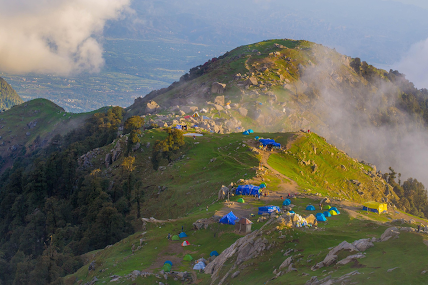
- Triund Trek
- Tadiandamol Trek
- Kudremukh Trek
- Kodachadri Trek
- Nag Tibba Trek
Building confidence gradually helps you enjoy future adventures.
2. Wearing New Shoes During the Trek
Many beginners buy trekking shoes a day before departure and wear them for the first time on the trail.
This often results in painful blisters and discomfort.
Common Issues
- Blisters
- Foot pain
- Swelling
- Reduced walking speed
Solution
Wear your trekking shoes for at least two weeks before the trek.
Walk daily while wearing them to ensure proper fit and comfort.
3. Overpacking Your Backpack
Many first-time trekkers believe carrying more items means better preparation.
In reality, every extra kilogram feels heavier after several hours of climbing.
Common Items People Don’t Need
- Multiple jeans
- Excessive clothing
- Heavy gadgets
- Large toiletries
- Unnecessary accessories
Smart Packing Rule
Carry only essentials.
For most short treks, a 30–40-liter backpack is sufficient.
4. Ignoring Physical Fitness
You don’t need to be an athlete to enjoy trekking, but basic fitness is important.
Many beginners underestimate the physical effort required.
Consequences
- Breathlessness
- Muscle fatigue
- Slow progress
- Increased injury risk
Recommended Preparation
At least four weeks before your trek:
Activity Frequency Walking Daily Stair Climbing 4 Days Weekly Jogging 3 Days Weekly Squats 3 Days Weekly Stretching Daily
Even simple exercises can significantly improve trekking performance.
5. Carrying Too Little Water
Dehydration is one of the most common problems faced by trekkers.
Cool mountain weather often prevents people from realizing they are losing fluids.
Signs of Dehydration
- Headache
- Dizziness
- Fatigue
- Dry mouth
- Muscle cramps
Recommendation
Carry:
- 2–3 liters for day treks
- Refillable bottles
- ORS packets
Drink water regularly instead of waiting until you feel thirsty.
6. Ignoring Weather Forecasts
Mountain weather changes quickly.
A sunny morning can turn into heavy rain within a few hours.
Risks
- Hypothermia
- Slippery trails
- Landslides
- Reduced visibility
Best Practice
Always check weather forecasts before departure and carry a lightweight rain jacket.
7. Wearing Cotton Clothes
Cotton clothing absorbs sweat and takes longer to dry.
During cold conditions, wet clothes can make you uncomfortable and increase the risk of hypothermia.
Better Options
- Quick-dry t-shirts
- Polyester clothing
- Merino wool layers
- Moisture-wicking fabrics
These materials dry quickly and provide better comfort.
8. Skipping Trekking Poles
Many beginners consider trekking poles unnecessary.
However, trekking poles improve stability and reduce pressure on your knees.
Benefits
- Better balance
- Reduced fatigue
- Improved stability on rocky terrain
- Easier descents
For long-distance treks, trekking poles are highly recommended.
9. Ignoring Altitude Sickness Symptoms
Altitude sickness can affect anyone, regardless of age or fitness level.
It becomes more common above 2,500 meters.
Symptoms
- Headache
- Nausea
- Dizziness
- Fatigue
- Difficulty breathing
What To Do
- Rest immediately
- Stay hydrated
- Inform your trek leader
- Descend if symptoms worsen
Never ignore altitude-related symptoms.
10. Not Carrying a Basic First Aid Kit
A simple first aid kit can solve many minor problems during a trek.
Essential Items
- Bandages
- Pain relievers
- ORS packets
- Antiseptic cream
- Personal medications
- Medical tape
A lightweight first aid kit can be a lifesaver.
11. Starting the Trek Too Late
Many trekkers begin their journey late in the day.
This reduces the available daylight and increases risks.
Problems
- Darkness before completion
- Weather changes
- Missed transportation
- Difficulty navigating trails
Starting early is always the safest option.
12. Depending Completely on Mobile Networks
Mobile signals are unreliable in many trekking regions.
Common Problems
- No internet
- No emergency communication
- Navigation issues
Better Approach
Download:
- Offline maps
- Trek route information
- Emergency contacts
Never depend solely on mobile connectivity.
13. Ignoring Local Advice
Local guides and residents understand the terrain better than anyone.
Ignoring their recommendations can lead to serious problems.
Respect Local Knowledge
- Weather warnings
- Trail conditions
- Restricted areas
- Wildlife activity
Listening to local advice improves both safety and experience.
14. Underestimating Hidden Costs
Many budget travelers focus only on transportation costs.
However, trekking often involves additional expenses.
Common Hidden Expenses
Expense Approximate Cost Trek Permit ₹100–₹1,000 Guide Charges ₹500–₹3,000 Equipment Rental ₹300–₹1,500 Snacks ₹200–₹500 Emergency Transport ₹500–₹5,000
Keeping an emergency fund is always wise.
15. Leaving Trash on the Trail
Unfortunately, littering remains a major problem in many trekking destinations.
Nature should be left cleaner than you found it.
Follow Leave No Trace Principles
- Carry back all waste
- Avoid plastic bottles
- Use reusable containers
- Respect wildlife
- Stay on marked trails
Responsible trekking helps preserve destinations for future travelers.
Essential Trekking Packing Checklist
Clothing
- Quick-dry t-shirts
- Trekking pants
- Rain jacket
- Thermal layers
- Extra socks
Electronics
- Smartphone
- Power bank
- Headlamp
- Charging cables
Essentials
- Water bottles
- Sunscreen
- Sunglasses
- Personal medications
Trekking Gear
- Trekking shoes
- Trekking poles
- Backpack
- Rain cover
Hidden Expenses Trekkers Often Forget
Many beginners create a budget but overlook smaller costs.
These can add up quickly.
Expense Estimated Cost Snacks ₹200–₹500Water Refills ₹100–₹300 Equipment Rental₹300–₹1,500 Permits₹100–₹1,000 Emergency Fund ₹2,000+
Always carry extra money for unexpected situations.
Money-Saving Tips for Budget Trekkers
If you’re trekking on a budget, these tips can help:
- Travel by sleeper train whenever possible.
- Rent gear instead of buying expensive equipment.
- Carry homemade snacks.
- Refill water bottles instead of purchasing packaged water.
- Join group departures to reduce transportation costs.
- Book transport tickets early.
These simple strategies can save thousands of rupees annually.
Trekking Safety Tips
For Solo Trekkers
- Inform family about your route.
- Share itinerary details.
- Keep emergency contacts available.
- Avoid isolated routes without research.
General Trekking Safety
- Stay with your group.
- Avoid shortcuts.
- Carry a whistle.
- Keep emergency cash.
- Follow guide instructions.
Safety should always be your top priority.
Who Should Read This Guide?
This guide is ideal for:
- First-time trekkers
- College students
- Solo travelers
- Budget backpackers
- Weekend adventurers
- Families planning easy treks
Pros and Cons of Trekking
Pros Cons Affordable adventure Physical effort required Beautiful scenery Weather uncertainty Improves fitness Possible injuries Reduces stress Limited facilities Creates lasting memories Requires preparation
Conclusion
Every experienced trekker was once a beginner. Making mistakes is normal, but learning about them before your trek can save time, money, and unnecessary stress.
Whether you’re planning a short weekend trek in the Western Ghats or preparing for a Himalayan adventure, proper preparation is the key to a safe and enjoyable experience.
Remember the basics: choose the right trek, prepare your body, carry only essential gear, stay hydrated, respect nature, and always prioritize safety.
By avoiding these common trekking mistakes, you’ll be better prepared to enjoy the incredible landscapes and adventures that India’s trekking destinations have to offer.
Happy trekking and safe travels!
메타데이터
- post_id
- e7302a4a27d6
- slug
- 15-common-trekking-mistakes-beginners-must-avoid-in-india-2026-guide-e7302a4a27d6
- url
- https://medium.com/@budgettripindia5/15-common-trekking-mistakes-beginners-must-avoid-in-india-2026-guide-e7302a4a27d6
- canonical_url
- https://medium.com/@budgettripindia5/15-common-trekking-mistakes-beginners-must-avoid-in-india-2026-guide-e7302a4a27d6
- author_url
- https://medium.com/@budgettripindia5
- status
- ok
- fetched_at
- 2026-07-07 20:18:40