The Real Reason You Procrastinate (It’s Not Laziness) and How to Finally Stop
Stop relying on willpower. Learn the emotional triggers behind chronic delay and the actionable strategies to regain control of your time
The Real Reason You Procrastinate (It’s Not Laziness) and How to Finally Stop

Picture the scene: It is 10:00 AM. You have a major project due, a menacing deadline looming on the horizon. You sit down at your desk, coffee in hand, fully intending to dive in.
But first, you just need to check your email quickly. Oh, a newsletter with an interesting article about productivity. You read it. Then you notice your desk is dusty. Better wipe that down. Now it’s 10:45 AM. Your brain suggests that 11:00 AM is a much “cleaner” time to start working. You open social media.
Suddenly, it is 2:00 PM. You have done absolutely nothing of substance, and a crushing weight of guilt sits on your chest.
If this sounds familiar, welcome to the club. Procrastination is a universal human experience. But for many of us, it stops being an occasional quirk and becomes a chronic barrier to our potential, our income, and our peace of mind.
The standard advice is usually finding a better to-do list app or “just trying harder.” But if willpower were enough, you wouldn’t be reading this.
To truly beat procrastination, we have to stop treating it like a time-management issue and start treating it like what it actually is: an emotional regulation issue.
Here is a deep dive into why your brain hits the brakes on important work, and a roadmap to finally releasing the handbrake.
Part 1: The Anatomy of Delay (Why We Do It)
The biggest myth about procrastination is that it’s a symptom of laziness or poor work ethic.
Laziness is an unwillingness to do work. Procrastination is the desire to do work, coupled with an inability to force yourself to start. The procrastinator is usually agonizing over the delay the entire time they are doing it.
If it’s not laziness, what is it? Dr. Tim Pychyl, a leading researcher on procrastination, defines it as “a self-defeating behavior pattern marked by short-term benefits and long-term costs.”
It boils down to a battle between two parts of your brain.
The Present Bias vs. The Prefrontal Cortex
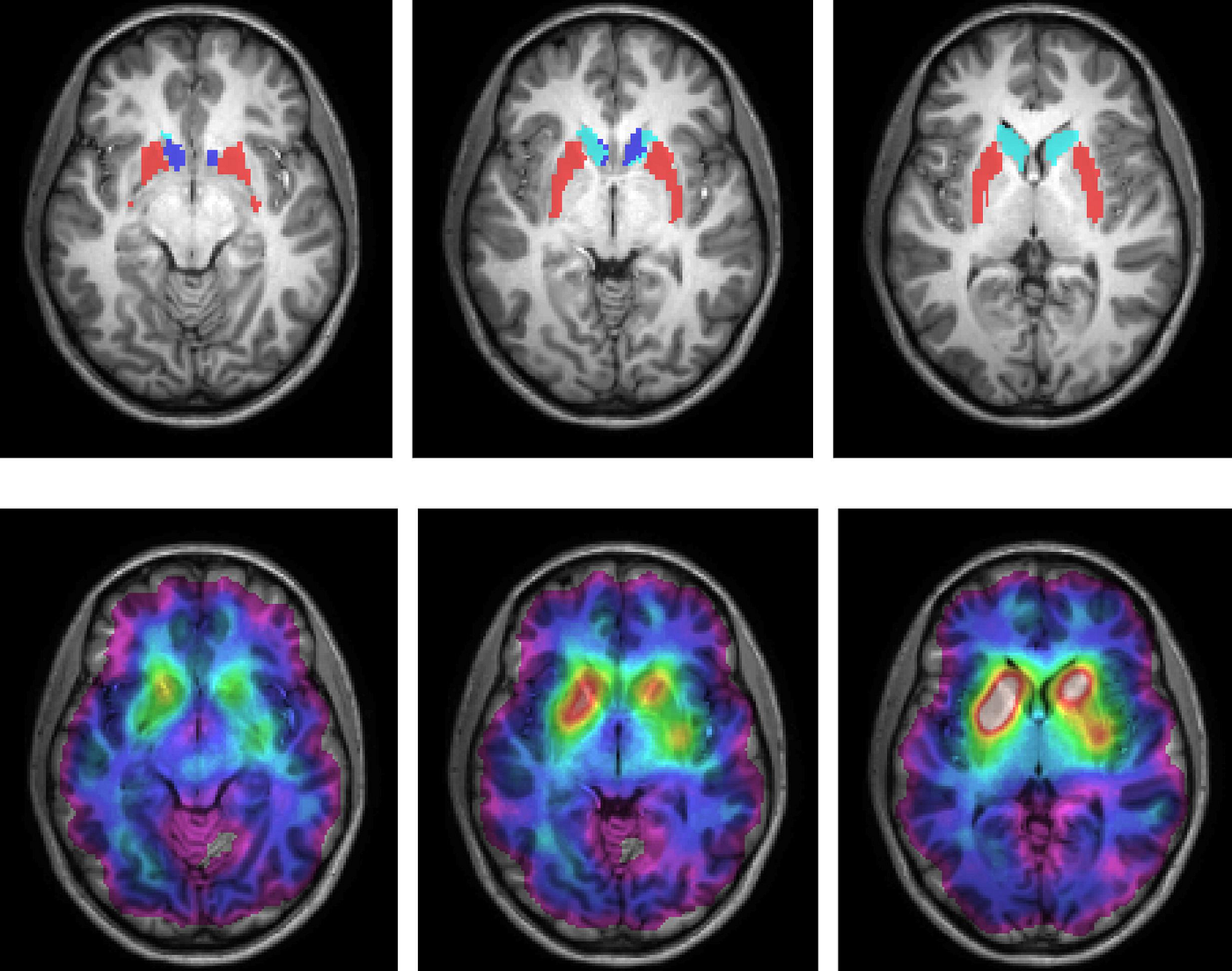
Your Prefrontal Cortex is the adult in the room. It handles long-term planning, complex decision-making, and understands that finishing that report today means you won’t get fired next week.
Your Limbic System (specifically the amygdala) is the ancient, primal part of the brain focused on immediate survival and mood repair. It wants comfort, safety, and pleasure right now.
When you face a task that is intimidating, boring, unstructured, or carries a risk of failure, your amygdala interprets that task as a threat. It triggers a fight-or-flight response. Since you can’t physically fight an Excel spreadsheet, your brain chooses “flight” — fleeing to YouTube, snacks, or cleaning the kitchen.
Procrastination is an emotional coping mechanism. You aren’t avoiding work; you are avoiding the negative feelings (anxiety, boredom, fear of incompetence) associated with the work.
You are choosing immediate mood repair over long-term well-being.
Part 2: Identifying Your Procrastination “Flavor”
Not everyone delays for the same reasons. Understanding your specific trigger is crucial to choosing the right weapon against it. Do you recognize yourself in any of these archetypes?
1. The Perfectionist You fear failing, making a mistake, or producing mediocre work. Your standards are impossibly high.
- The trigger: The anxiety that the output won’t match the vision in your head.
- The delay logic: “If I can’t do it perfectly right now, I won’t do it at all.”
2. The Overwhelmed You have so much to do that you don’t know where to begin. The sheer volume of tasks causes your brain to short-circuit.
- The trigger: Decision fatigue and a lack of clarity.
- The delay logic: “I can’t handle this mountain, so I’ll hide under this blanket.”
3. The Bore The task is mind-numbingly dull. It offers zero intrinsic reward or stimulation.
- The trigger: A desperate need for dopamine and stimulation.
- The delay logic: “I cannot stand the thought of doing this for another second.”
4. The Rebel You resent external imposition. You don’t like being told what to do, even by your previous self who set the schedule.
- The trigger: A perceived loss of autonomy.
- The delay logic: “I’ll do it when I want to, not when the deadline says to.”
Part 3: The Triage (Immediate Action Strategies)
Knowing the psychology is helpful, but you still need to get that project done today. When you feel the urge to delay, use these tactics to lower the barrier to entry.
The “5-Minute Takeoff” Rule
The hardest part of any task is the first few minutes. The friction of starting is intense, but once you are in motion, staying in motion is easier.
Make a deal with yourself: “I will work on this horrible task for exactly five minutes. When the timer goes off, if I truly want to stop, I am allowed to.”
Almost invariably, once the five minutes are up, the anxiety has lessened, and you will choose to keep going. You tricked your amygdala into thinking the commitment was too small to be a threat.
The Stupidly Small Step (S.S.S.)
When we procrastinate, we are usually looking at the whole project: “Write the book proposal.” That is terrifying.
Break the task down until the first step is so stupidly small that it would be ridiculous not to do it.
- “Write proposal” becomes “Open a Google Doc.”
- “Clean the garage” becomes “Pick up that one empty cardboard box.”
- “Do my taxes” becomes “Put all the receipts on the desk.”
Lower the bar until you can step over it without lifting your foot.
Change Your Geography
Your environment is loaded with cues that trigger habits. If your desk is where you usually scroll Reddit, your brain associates that space with scrolling Reddit.
If you are stuck, physically move. Go to a coffee shop. Move to the kitchen table. Even sitting on the other side of your current desk can snap your brain out of its loop. Novelty engages the prefrontal cortex.
Part 4: Structural Solutions (Long-Term Fixes)
To beat procrastination long-term, you need systems that account for your brain’s tendency to seek immediate relief.
1. The Power of “Good Enough” (For Perfectionists)
Perfectionism is procrastination in a fancy suit. You must embrace the concept of “Minimum Viable Effort.” What is the absolute bare minimum required to move this project forward today?
Define what “done” looks like before you start. If you don’t have a clear finish line, you will keep running until you collapse. Adopt the mantra of elite performers everywhere: Done is better than perfect.
2. Forgive Your Past Self
This is counterintuitive but scientifically backed. Researchers discovered that students who forgave themselves for procrastinating on studying for the first exam actually procrastinated less for the second exam. Those who beat themselves up procrastinated more.
Why? Because guilt is a negative emotion. If you associate a task with immense guilt about past failures, your amygdala will want to avoid that task even more in the future.
Break the cycle. Acknowledge you messed up yesterday, forgive yourself, and reset today at zero.
3. Temptation Bundling (For The Bores)
If a task is boring, you need to artificially inject dopamine into the process.
Behavioral scientist Katy Milkman coined the term “temptation bundling.” Only allow yourself to do something you love while doing something you hate.
- You can only listen to that addictive true-crime podcast while cleaning the house.
- You can only drink your expensive, favorite latte while processing emails.
4. Visualize the “Future You”
We tend to treat our “Future Self” like a stranger. We dump work on them because we don’t emotionally connect with the reality that we will be the ones suffering next week.
Before you choose to delay, take thirty seconds to vividly imagine next Tuesday evening. Imagine the stress, the late hours, and the panic you will feel if you put this off. Develop empathy for that future version of you. Do them a favor today.
The Final Shift: From Feeling to Action
The ultimate antidote to procrastination is realizing that you do not have to feel like doing something in order to do it.
Motivation does not precede action; motivation follows action.
Waiters don’t wait until they “feel inspired” to serve tables. Surgeons don’t wait for the “right vibe” to operate. They just start the process.
The next time you feel that familiar resistance, don’t try to argue with it. Don’t wait for it to go away. Acknowledge the feeling — “I am feeling anxious about this right now” — and then, with shaky hands if necessary, take the first, stupidly small step anyway.
메타데이터
- post_id
- e741b1bba2cb
- slug
- the-real-reason-you-procrastinate-its-not-laziness-and-how-to-finally-stop-e741b1bba2cb
- url
- https://medium.com/@stcy6233/the-real-reason-you-procrastinate-its-not-laziness-and-how-to-finally-stop-e741b1bba2cb
- canonical_url
- https://medium.com/@stcy6233/the-real-reason-you-procrastinate-its-not-laziness-and-how-to-finally-stop-e741b1bba2cb
- author_url
- https://medium.com/@stcy6233
- status
- ok
- fetched_at
- 2026-07-13 09:45:54