Ebb and Flow — #MillennialTruths Spoken Word Poem
Does high tide blame the low?
Ebb and Flow — #MillennialTruths Spoken Word Poem
[embed]Ebb and Flow — Extended Version
Does high tide blame the low?
Do they fight in that cosmic battle?
Grounded by Poseidon…
That skinny tight repose.
—
Their dance burns bright, murky
And infinite in grounded waste.
The fight to blame,
For heights not same.
—
Silly though their battle cry,
A grounded lake will still try.
To overcome the worst to come,
But fight they must, to shoot, to stun.
—
Balance we find, in fights not won
No, not lost to chance.
From high to low, a murky fight,
The ebb and flow to act contrite.
—
The cosmic dance in us remains,
Waters Edge, emotion stain.
For drop in ocean disappears,
In us fight our hopes and fears.

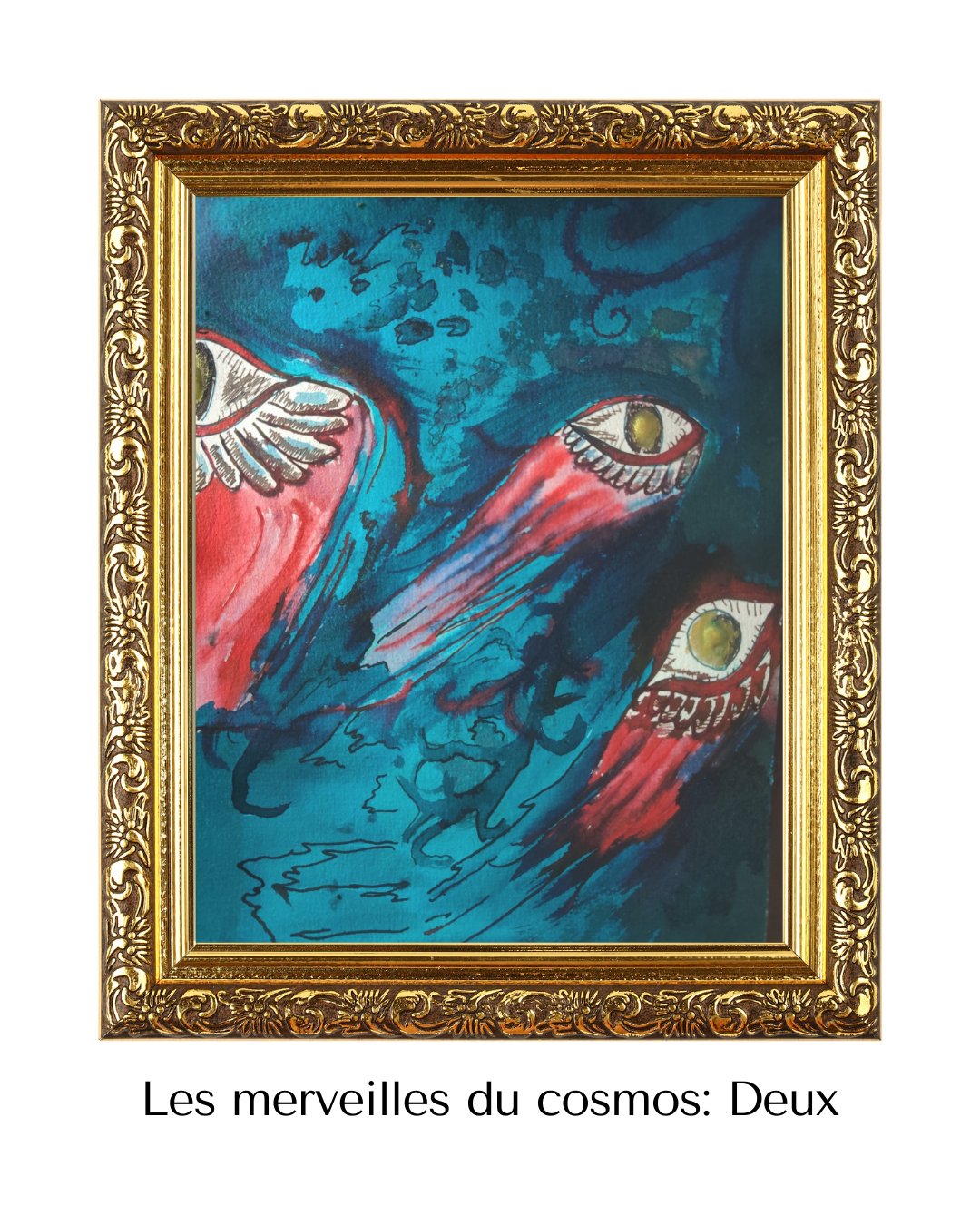
Lamy and Japanese Ink on Canvas by Alexander Paul Burton, 2025
This morning I found myself looking out over the lake from my apartment window. These words just sort of emerged after my bath (yes, more water) — I had to write it down immediately.
But sometimes you need to be right down there, beside the water, to truly feel the pulse and energy it holds, the strong currents, the things hidden underneath, the ebb and flow that speaks without words. And so, I wrote this.
Now, stepping back and looking at what came out, it feels like I’m trying to understand the tide itself, the very rhythm I was immersed in. This poem, born from that lakeside feeling pulls you in with that powerful image of the tides, these immense forces locked in what feels like a cosmic battle, each blaming the other.
“It’s such a striking way to talk about the push and pull we all feel, that constant duality in life, and perhaps, even within ourselves.”
What really captures me now, looking back at it, what makes me lean in, are a few things:
- That central metaphor of the high and low tides — it’s not just water moving; it’s like the earth’s own breath, sometimes fierce, sometimes drawn back in a “skinny tight repose.” It immediately makes me think of the imbalances, the constant search for equilibrium, those strong currents I often feel in the world.
- The imagery is so vivid, it’s almost tangible. Phrases like “dance burns bright, murky” — it’s that mix, isn’t it? The beauty and the confusion, all at once. And “emotion stain”… that just lands. It’s like seeing the watermark left behind after a flood of feeling. “Grounded by Poseidon” gives it this ancient, almost mythological weight, as if these aren’t just tides but primordial powers at play, their struggle leaving behind a “grounded waste,” perhaps showing the decay, the things left bare when the waters recede.
- And the way it explores conflict… it’s not just about nature’s grand theatre. It draws you inward, to “In us fight our hopes and fears.” It’s that hidden landscape beneath the surface, the internal battles that often feel so significant, even if the poem whispers of a “Silly though their battle cry.” It makes you wonder about the things we fight for, born from “heights not same.”
- But it’s the theme of balance that truly resonates. It’s not a simple, placid peace this poem offers. No, it suggests that “Balance we find, in fights not won / No, not lost to chance.” It’s found in the ongoing process, in the ceaseless “ebb and flow.” This feels like a more profound, perhaps more Toronto-like balance — not an absence of struggle, but a dynamic equilibrium found within it, an acceptance of the rhythm itself.
- The connection to human experience is seamless. That “cosmic dance in us remains” — it bridges the immense power of the ocean with the quiet, often hidden, turmoil of the human heart. And that final image, “drop in ocean disappears,” it’s poignant, isn’t it? How our individual struggles can feel so all-consuming, yet they merge into something vast and shared.
When I try to wade deeper into its meaning, feeling the currents of each part as I wrote them come to life:
- Those first stanzas, they set up this cosmic battle of the tides. That “skinny tight repose” — like a moment of held breath, too tight by the chest… Vulnerable, maybe, before the next surge.
- The “dance” is both “bright” — so visible in its power — and “murky,” like the unclear depths, the things hidden underneath. And it all plays out in a “grounded waste,” which makes me think of the messy, tangible world we inhabit, where the forces of nature, and our own natures, collide. The “fight to blame” for simply being different heights… that’s a deeply human thing projected onto these vast waters.
- Then there’s that “silly…battle cry.” It’s a moment where you step back and see the almost absurd nature of some endless conflicts. And yet, “the grounded lake will still try” — that persistence, that inherent drive to “overcome,” even when things feel predetermined. “To shoot, to stun” — it sounds active, desperate even, like a last burst of energy against the inevitable.
- The stanza on finding balance in the process is where things really shift for me. It’s not about victory or defeat in this “murky fight.” Instead, the “ebb and flow” itself becomes this act of contrition, a necessary, humbling cycle. It’s where the struggle itself becomes a form of resolution, a way of washing things clean, perhaps, before they build again.
- And finally, it all turns inward, doesn’t it? “The cosmic dance in us remains.” That “Water’s Edge, emotion stain” — it’s such a beautiful, almost aching image of what our emotional tides leave behind, like the high-water mark on the soul. We are that “drop in ocean disappears,” our individual hopes and fears merging into the vast, often bewildering, sea of our inner lives.
To me, it’s a thoughtful piece. It feels like it’s truly trying to navigate something complex, using the raw, natural imagery of the tides to get at these deeper truths about conflict, about the search for some kind of balance, and about how the world outside often mirrors the hidden world within.
The language has a way of striking you, and the journey from the cosmic scale of the ocean down to the intimate landscape of the self is handled with such grace. It leaves you with a sense of resonance, like the lingering sound of the waves, long after you’ve walked away from the shore.
It makes me want to keep looking for those connections, those subtle reflections, in the world around me and in the words that try to capture it.
[embed]Piano and Violin Neoclassical Background Music Featured in the Spoken Word Poetry
메타데이터
- post_id
- e786bffb7d48
- slug
- ebb-and-flow-millennialtruths-spoken-word-poem-e786bffb7d48
- url
- https://medium.com/@alexander.paul.burton/ebb-and-flow-millennialtruths-spoken-word-poem-e786bffb7d48
- canonical_url
- https://medium.com/@alexander.paul.burton/ebb-and-flow-millennialtruths-spoken-word-poem-e786bffb7d48
- author_url
- https://medium.com/@alexander.paul.burton
- status
- ok
- fetched_at
- 2026-07-13 21:07:34