What if the Ship of Theseus were applied to human psychology?
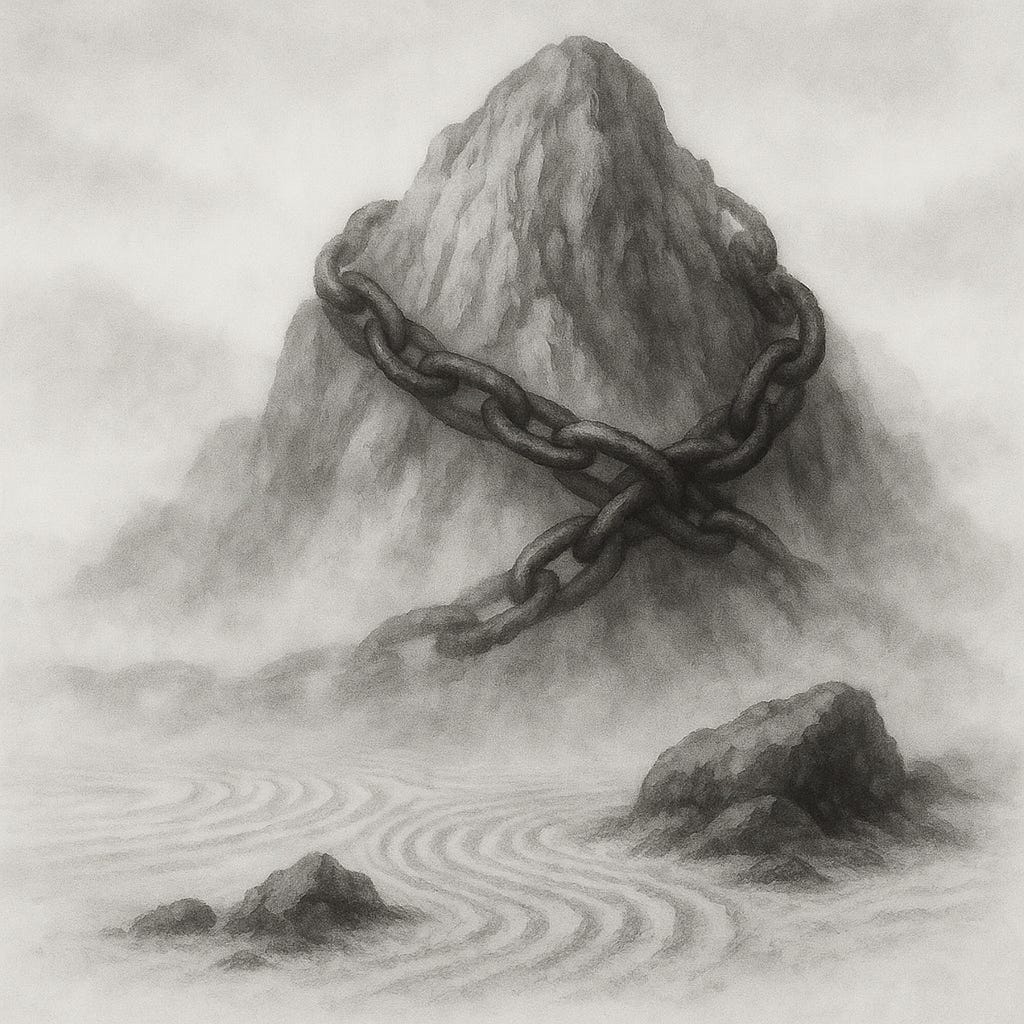
One ship. Countless alterations. One impossible question.
What if the Ship of Theseus were applied to human psychology?
One ship. Countless alterations. One impossible question.

Among the oldest and most enduring philosophical paradoxes rooted in mythology is the Ship of Theseus. This ancient puzzle is illustrated through the legend of a ship belonging to the Greek hero Theseus, which the Athenians carefully preserved for years by replacing each decaying wooden plank with new timber as it wore out. Eventually, every original part of the vessel had been replaced, leading philosophers to pose the paradox: after all its components had changed, was it still the same ship? Underneath this deceptively straightforward scenario lies a timeless inquiry into what truly defines individuality— not only for objects, but also for history, society and people that constitute it.
The paradox raises some unsettling questions, exposing a deep instability in the way humans understand identity. We instinctively believe objects possess some crude fundamental essence that survives change. A tree grows, loses leaves, and expands its roots, yet we still call it the same tree. A city rebuilds itself over centuries yet retains its name and identity. Is identity, then, determined by structure or material, memory or history? The Ship of Theseus forces us to confront the possibility that continuity may be less concrete than we imagine.
Philosophers have proposed different answers. Some argue the repaired ship remains authentic because its existence continued uninterrupted through time. Others believe material matters more: once every original plank is gone, the original ship has effectively ceased to exist. Still others suggest the paradox reveals a flaw in human language itself — perhaps identity is not an absolute property, but a conceptual tool humans impose upon a constantly changing world to gain perspective.
The true power of Theseus’s Paradox emerges when applied to human beings. The human body continuously replaces its cells. Memories fade, beliefs evolve, personalities shift, and relationships alter perception. The person one becomes at forty may share little psychologically with the person one was at ten. The brain is not static but dynamic, constantly rewiring itself in response to experience. Consciousness may not be a fixed resident entity, but a pattern. A pattern sustained through change, not in spite of it.
The Ship of Theseus endures because it touches a fundamental human anxiety. People long for stability in a world defined by transformation. The paradox suggests that identity may not be rooted in unchanging substance, but in continuity, relation, and narrative. Perhaps nothing remains entirely the same over time — not ships, not cities, not civilizations, and not even the self.
Yet there is something strangely beautiful in that realization. Change does not necessarily erase identity; it may be the very condition that allows identity to exist at all. The ship sails not because its parts remain untouched, but because they are repaired, replaced, and renewed. Likewise, human beings persist not through absolute permanence, but through the fragile continuity of metamorphosis.
메타데이터
- post_id
- e7ba6d1eba2d
- slug
- what-if-the-ship-of-theseus-were-applied-to-human-psychology-e7ba6d1eba2d
- url
- https://medium.com/@shalinix/what-if-the-ship-of-theseus-were-applied-to-human-psychology-e7ba6d1eba2d
- canonical_url
- https://medium.com/@shalinix/what-if-the-ship-of-theseus-were-applied-to-human-psychology-e7ba6d1eba2d
- author_url
- https://medium.com/@shalinix
- status
- ok
- fetched_at
- 2026-06-29 01:02:39