Full Mouth Restoration Dental Implants
When your treatment plan starts sounding like a stack of separate problems — missing teeth, failing crowns, loose dentures, bone loss, jaw…
Full Mouth Restoration Dental Implants
When your treatment plan starts sounding like a stack of separate problems — missing teeth, failing crowns, loose dentures, bone loss, jaw pain — what you may actually need is one coordinated solution. That is where full mouth restoration dental implants come in. Instead of patching one tooth at a time, this approach rebuilds your bite, appearance, and long-term oral health with a plan designed to work as a whole.
For many adults, especially those who have spent years dealing with dental issues, the real question is not whether implants look good. It is whether they can eat comfortably, speak clearly, stop worrying about the next dental emergency, and finally feel confident smiling again. A true full mouth restoration is built around those goals.
What full mouth restoration dental implants actually mean
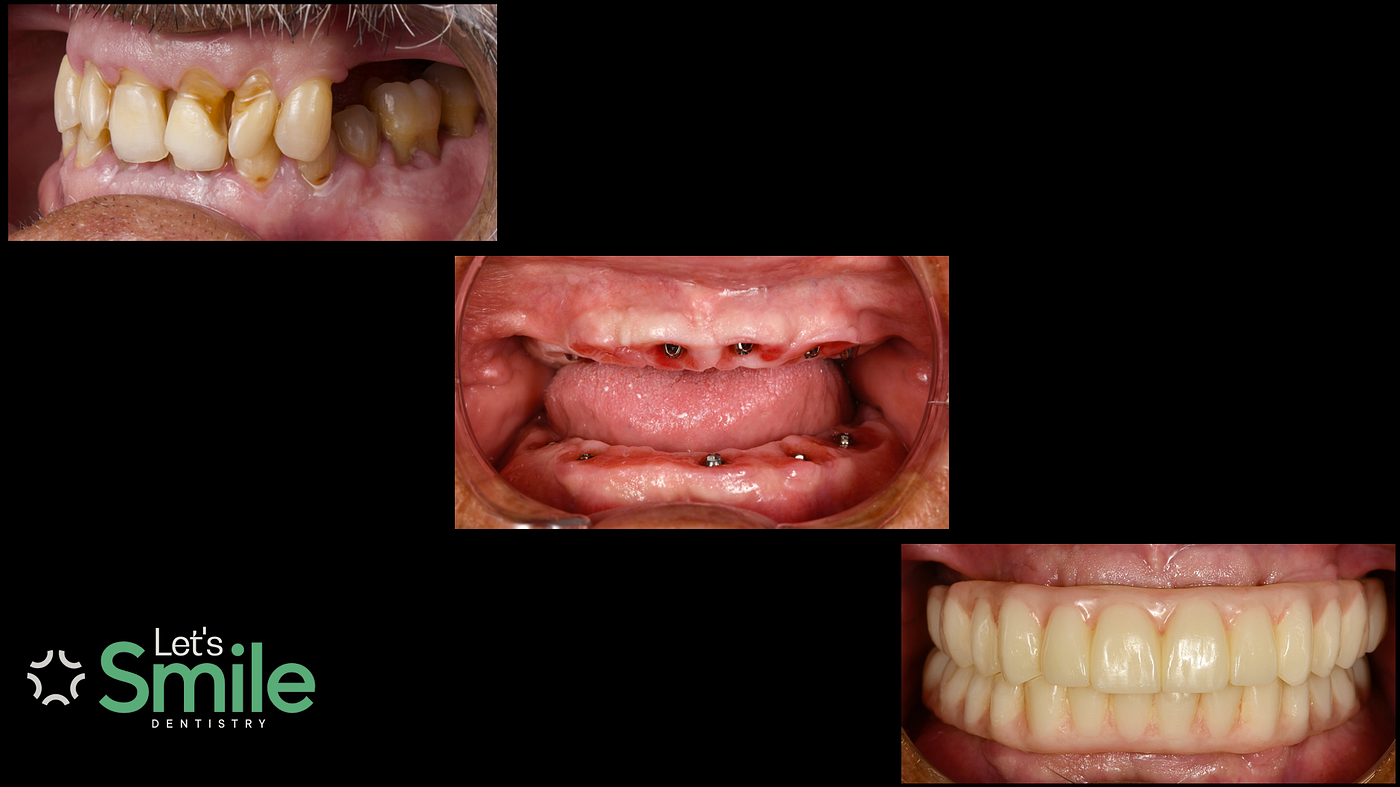
Full mouth restoration dental implants refers to rebuilding most or all of the teeth in the upper arch, lower arch, or both using implant-supported restorations. Depending on the condition of your mouth, this may involve implant bridges, full arch prosthetics such as All-on-4 or All-on-6, individual crowns in selected areas, and preparatory care like extractions, bone grafting, or periodontal treatment.
This is different from simple cosmetic dentistry. Veneers can improve appearance, and crowns can repair isolated teeth, but full mouth restoration is about restoring function at a larger level. Your dentist is looking at how your teeth meet, how your jaw joints are working, whether infection is present, how much healthy bone remains, and what kind of restoration will give you the best stability over time.
That is why the process should be specialist-led. Complex implant cases often require coordination between surgical planning, prosthetic design, imaging, and bite analysis. If one part is rushed or guessed at, the final result can look acceptable but feel uncomfortable in daily life.
Who is a good candidate for full mouth restoration dental implants?
The most common candidates are adults with multiple missing teeth, severe decay, advanced wear, failing dental work, or dentures they no longer trust. Some patients have lived with chronic problems for years and are tired of temporary fixes. Others are facing a point where several teeth cannot be saved predictably, and replacing them strategically makes more sense than continuing to repair them one by one.
You may be a candidate if you have enough bone to support implants, or if bone grafting can help create that support. Even if you have been told you have bone loss, that does not always rule implants out. It simply changes the planning.
The right option depends on your anatomy, health history, timeline, and budget. Some patients do best with a fixed full arch restoration. Others need a combination approach that saves healthy teeth where possible and replaces the rest with implants. Good treatment planning is rarely one-size-fits-all.
Why patients choose implants over dentures or repeated repairs
The biggest advantage is stability. Traditional dentures can shift, rub, and limit what you feel comfortable eating. Repeatedly repairing damaged teeth may keep things going for a while, but it can also become expensive, frustrating, and unpredictable.
Implant-supported restorations are anchored in the jawbone, which helps create a more secure bite and reduces the slipping that many denture wearers dislike. They can also support better chewing efficiency and a more natural feel when speaking. For many patients, that daily reliability matters more than any cosmetic benefit.
There is also a long-term planning advantage. Instead of reacting to each broken tooth, a full mouth implant case allows your dentist to design the final bite and smile from the start. That reduces the mismatch that can happen when older dental work has been added over many years without an overall plan.
The treatment process, from evaluation to final smile
A proper case begins with diagnostics, not assumptions. This usually includes a clinical exam, digital imaging, and a review of your bite, gum health, bone levels, and existing restorations. At this stage, your dentist should explain what can be saved, what should be removed, and what type of implant restoration makes the most sense.
From there, treatment may happen in phases. Some patients need extractions and implant placement first, followed by a healing period before the final prosthetic is delivered. Others may qualify for immediate-load treatment, where a temporary fixed restoration is placed soon after surgery. That can be a major benefit for patients who do not want to spend time without teeth.
The final phase is not just about attaching teeth. It is about fine-tuning fit, bite balance, speech, and appearance. Small adjustments can make a big difference in comfort. The best results come from careful planning on the front end and careful follow-through at the finish.
Full arch options: All-on-4, All-on-6, and custom plans
Many patients researching full mouth restoration dental implants come across All-on-4 and All-on-6. These are full arch solutions that use a limited number of implants to support a complete upper or lower prosthesis. They are popular because they can provide a fixed alternative to removable dentures with fewer implants than placing one implant for every missing tooth.
All-on-4 can be an excellent option in cases where anatomy, bone availability, and treatment goals align. All-on-6 may offer additional support in certain patients, especially when forces across the arch are higher or bone conditions allow for more implant placement. Neither is automatically better. The right choice depends on your oral condition and how the restoration is being designed.
Some patients are better served by a more customized plan. If several natural teeth are still healthy and strategically useful, preserving them may be smarter than removing everything. A trustworthy provider will recommend the treatment you need, not the one that sounds most marketable.

Cost, value, and why many US patients look south of the border
Major restorative dentistry in the United States can become financially overwhelming very quickly. When treatment involves surgery, sedation, temporaries, final prosthetics, and multiple appointments, the total can put care out of reach for patients who genuinely need it.
That is one reason cross-border care has become a serious option for Americans seeking implant treatment. The value is not simply lower pricing. It is the combination of specialist care, advanced technology, quality materials, and a system designed to make treatment more accessible.
For patients considering care in Mexicali, convenience matters too. Being close to the border reduces travel friction compared with flying overseas for treatment. Bilingual communication, transparent pricing, and help coordinating transportation or lodging can also make a complex case feel manageable. At Let’s Smile Dentistry, that patient support is part of the treatment experience, not an afterthought.
What to look for in a clinic before you commit
If you are comparing providers, ask how they plan cases, who performs the surgery, what materials they use, and how follow-up is handled. You want clear answers about timelines, temporary restorations, healing expectations, and what happens if additional procedures such as grafting are needed.
Technology matters, but it is not the whole story. CBCT imaging, digital scans, and guided surgery can improve precision, yet outcomes still depend on the team using them. Experience with full arch and full mouth cases is critical because these treatments involve function as much as appearance.
It is also fair to ask practical questions. How many visits will be required? How long will each phase take? What support is available for out-of-town patients? The right clinic should make those answers easy to understand.
Life after treatment
Healing and adaptation take time. Even when the cosmetic change is immediate, your mouth still needs to adjust to a new bite, new chewing patterns, and the feeling of fixed teeth after years of instability or missing structure.
Long-term success also depends on maintenance. Implant restorations still require professional monitoring, daily cleaning, and periodic adjustments when needed. They are durable, but they are not maintenance-free. Patients who understand that tend to protect their investment better and enjoy more predictable results.
The payoff is often bigger than patients expect. Better chewing, clearer speech, less embarrassment, and relief from ongoing dental breakdown can change everyday life in very practical ways. If you have been living around your teeth instead of relying on them, full mouth restoration dental implants may be the point where dental care stops feeling like damage control and starts feeling like a way forward.


메타데이터
- post_id
- e80d8081f63b
- slug
- full-mouth-restoration-dental-implants-e80d8081f63b
- url
- https://medium.com/@letssmiledentistry/full-mouth-restoration-dental-implants-e80d8081f63b
- canonical_url
- https://medium.com/@letssmiledentistry/full-mouth-restoration-dental-implants-e80d8081f63b
- author_url
- https://medium.com/@letssmiledentistry
- status
- ok
- fetched_at
- 2026-06-10 18:44:10