The Hidden Role of Packaging in Reducing Business Friction
When people talk about business growth, the conversation usually revolves around marketing strategies, product innovation, or customer…
The Hidden Role of Packaging in Reducing Business Friction

When people talk about business growth, the conversation usually revolves around marketing strategies, product innovation, or customer acquisition. Rarely does packaging enter the discussion unless something goes wrong. Yet, in practice, packaging plays a quiet but powerful role in reducing friction across daily operations. From dispatch delays to damaged goods and internal disputes, many avoidable issues trace back to how products are packed and protected.
In recent years, I’ve noticed a clear shift toward practical solutions, especially among businesses that deal with frequent shipping or sensitive materials. These aren’t flashy upgrades, but they solve problems that tend to surface only once a business begins to scale.
Why Packaging Friction Becomes Visible Only After Scaling
At smaller volumes, inefficiencies often go unnoticed. A delayed shipment here or a damaged parcel there feels manageable. But as order volumes increase, minor packaging flaws start multiplying. What was once a small inconvenience becomes a daily operational headache.
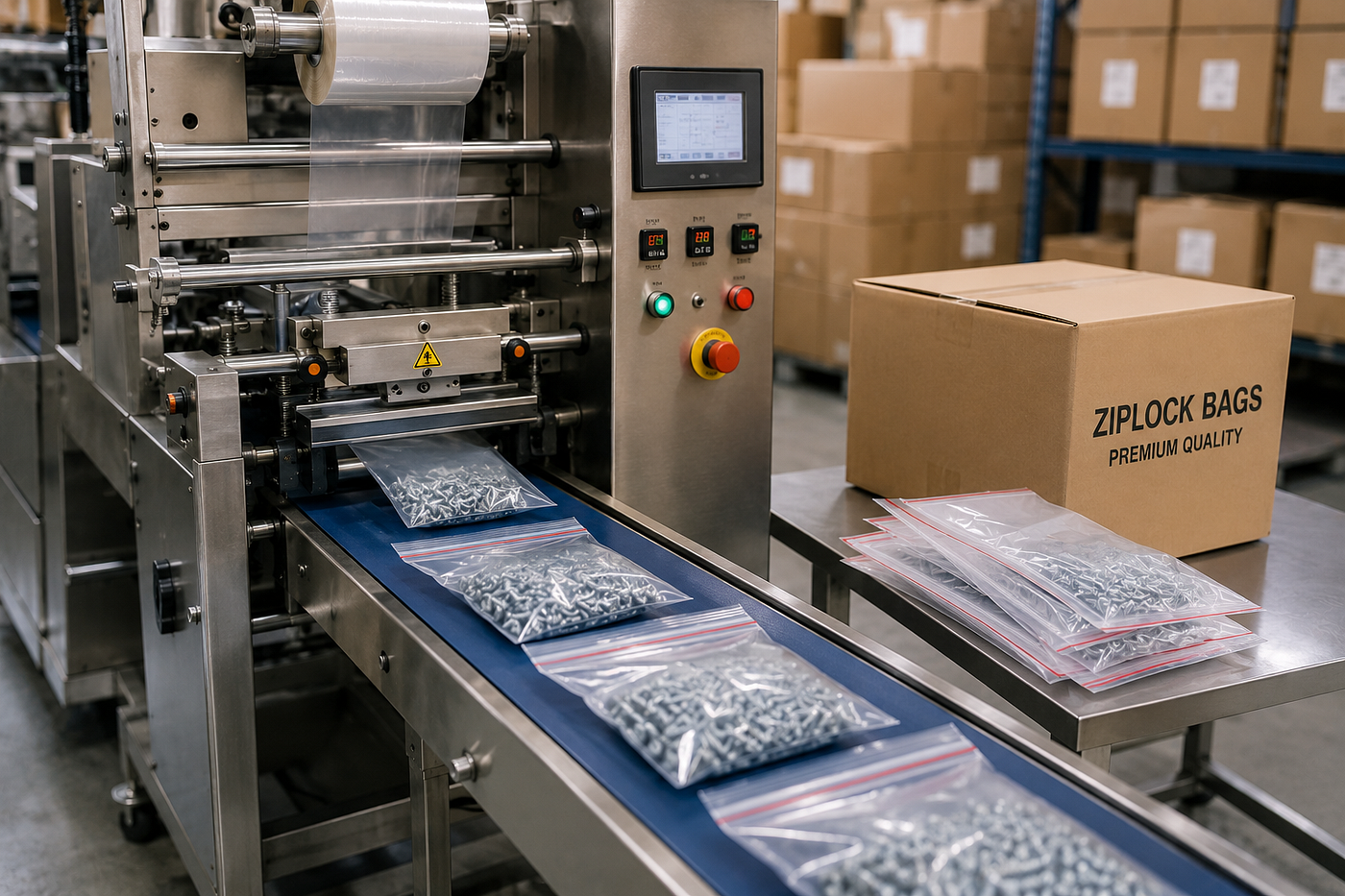
This is where lightweight, adaptable solutions such as **polymailers** start making a noticeable difference. They reduce handling time, take up less storage space, and eliminate the need for excessive filler material. When teams are packing hundreds of orders a day, even small improvements in speed and consistency can significantly reduce friction.
Similarly, as businesses expand their supply chains, internal accountability becomes harder to track. This is when security bags step in as a quiet control mechanism, offering tamper-evident protection that minimises disputes and reinforces trust between departments, vendors, and logistics partners.
Packaging as a Risk-Management Tool
Most people don’t think of packaging as a form of risk management, but that’s exactly what it becomes at scale. Poor packaging increases the risk of product damage, theft, misplacement, and even customer dissatisfaction. Each of these risks carries a cost, financial, reputational, or operational.
**Security bags**, in particular, are designed to reduce ambiguity. When a package shows visible signs of tampering, the point of failure becomes easier to identify. This clarity saves time during investigations and reduces finger-pointing within supply chains. Over time, businesses that use tamper-evident packaging often experience fewer internal losses and smoother handovers.
The Operational Psychology Behind Packaging Choices
One overlooked aspect of packaging is how it affects the people handling it. Warehouse staff, delivery partners, and store managers interact with packaging every day. When materials are unreliable or inconsistent, frustration builds quickly.
Well-designed polymailers are easy to seal, lightweight to carry, and predictable in size. This predictability reduces cognitive load for teams working under pressure. In contrast, inconsistent packaging slows workflows and increases error rates. Packaging decisions, therefore, don’t just affect products; they influence human efficiency.
Learning from Broader Industry Conversations
Interestingly, packaging discussions are no longer limited to logistics or manufacturing circles. I recently read a thoughtful post on Ankit Bansal’s blog that explored how packaging quietly shapes the success of growing businesses. What stood out was how the article framed packaging as an invisible support system rather than a marketing asset. It echoed many real-world observations about how operational stability often depends on choices that customers never consciously notice.
Reading perspectives like this reinforces the idea that packaging sits at the intersection of operations, psychology, and trust. It’s not just about enclosing a product; it’s about enabling smoother systems.
The Cost of Treating Packaging as an Afterthought
Many businesses delay upgrading their packaging because it doesn’t feel urgent. Unfortunately, this often leads to reactive decision-making. Packaging is only reconsidered after losses occur, customers complain, or internal inefficiencies become impossible to ignore.
In contrast, businesses that proactively adopt reliable solutions early tend to experience fewer disruptions later. Polymailers and security bags are often chosen not because they are premium options, but because they reduce variables. Fewer variables mean fewer things can go wrong.
Sustainability Through Efficiency, Not Excess
Sustainability conversations around packaging are growing louder, but efficiency often matters more than appearances. Lightweight packaging reduces fuel consumption during shipping, and compact storage minimises warehouse space usage. These efficiencies compound over time, especially for businesses shipping at high volumes.
Rather than adding layers of unnecessary material, smarter packaging focuses on doing more with less. This approach aligns both with environmental considerations and operational practicality.
What Experience Teaches Over Time
After observing multiple businesses across different growth stages, one lesson becomes clear: packaging choices reveal how mature a company’s operations really are. Early-stage businesses often focus on visibility, while more experienced ones prioritise reliability.
The shift toward practical tools like polymailers and security bags isn’t about trends; it’s about learning from friction. Businesses don’t adopt these solutions because they’re exciting; they adopt them because they quietly remove obstacles from daily workflows.
Thoughts from Operational Reality
Packaging often goes unnoticed when systems run smoothly, but it quickly draws attention when they don’t. The most effective packaging solutions are those that blend seamlessly into the background, supporting operations without drawing attention.
As businesses grow more complex, the quiet decisions, like choosing the right packaging, often determine how scalable and resilient their operations truly are.
메타데이터
- post_id
- e80fabbd172b
- slug
- the-hidden-role-of-packaging-in-reducing-business-friction-e80fabbd172b
- url
- https://medium.com/@midlifearun/the-hidden-role-of-packaging-in-reducing-business-friction-e80fabbd172b
- canonical_url
- https://medium.com/@midlifearun/the-hidden-role-of-packaging-in-reducing-business-friction-e80fabbd172b
- author_url
- https://medium.com/@midlifearun
- status
- ok
- fetched_at
- 2026-06-29 01:02:39