Stomach Cancer: What You Need to Know And Why Early Action Changes Everything
There is a moment many patients describe a nagging discomfort after meals, a quiet loss of appetite, and a feeling that something just…
Stomach Cancer: What You Need to Know And Why Early Action Changes Everything
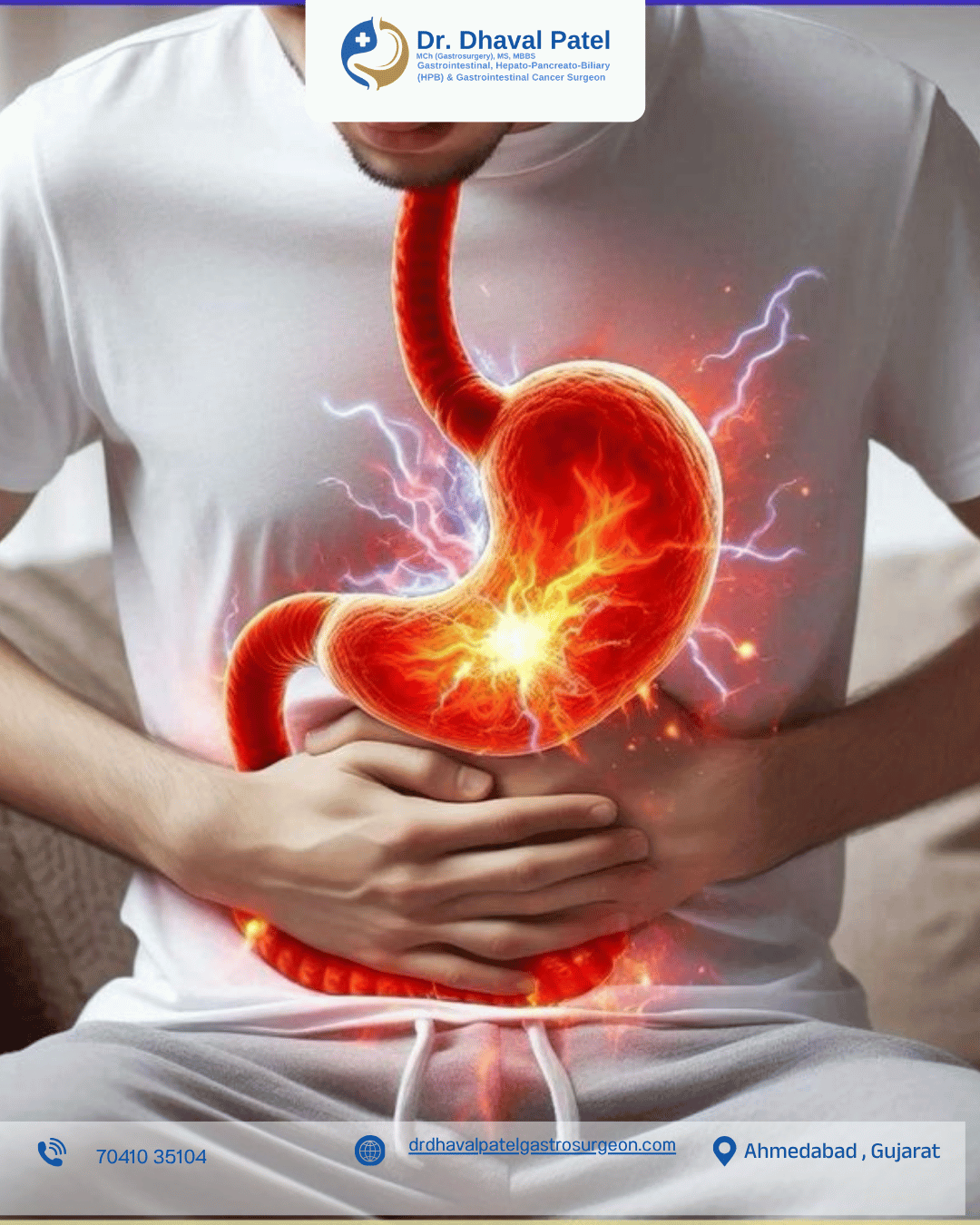
There is a moment many patients describe a nagging discomfort after meals, a quiet loss of appetite, and a feeling that something just isn’t right. Most of us brush it off. “It’s probably acidity,” we tell ourselves. Sometimes it is. But sometimes, that quiet signal is your body asking you to listen more carefully. If you or someone you love has been experiencing unexplained digestive symptoms, this post is for you.
We want to walk you through stomach cancer: what it is, how it shows up, how it’s diagnosed, and what treatment looks like in plain, honest language. No medical jargon walls. No unnecessary alarm. Just the information you deserve.
What Exactly Is Stomach Cancer?
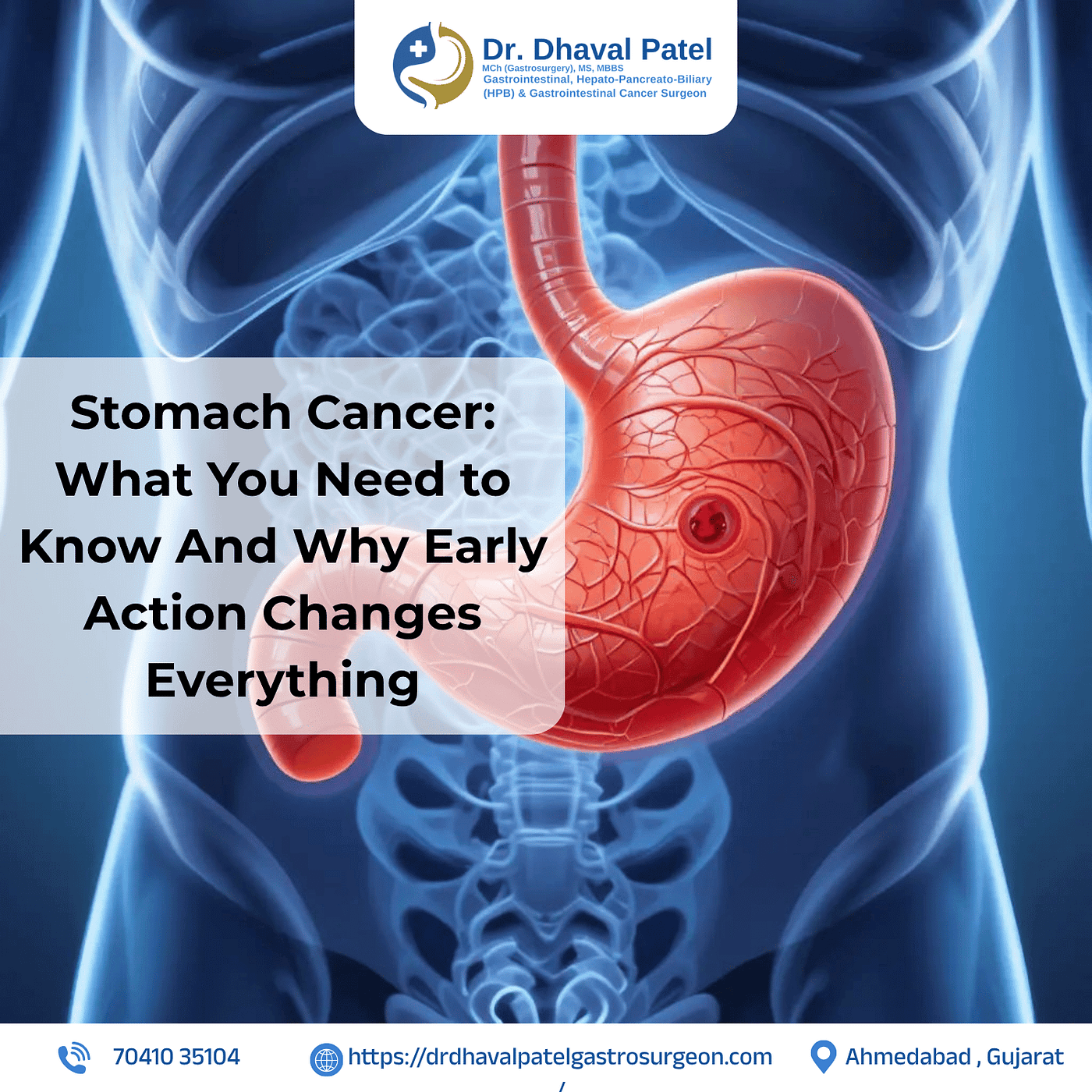
Stomach cancer, or gastric cancer, develops when cells in the stomach lining begin to grow abnormally. Think of your stomach lining like the inner wall of a water pipe. Normally, cells replace themselves in an orderly, controlled way. In cancer, that process goes haywire; cells multiply rapidly, forming a mass that can grow, spread, and ultimately interfere with how your stomach functions.
It doesn’t happen overnight. Stomach cancer typically develops slowly, over years, which is both a challenge (early symptoms are subtle) and an opportunity (catching it early makes a real difference).
What Are the Warning Signs?
This is the question we hear most often, and it deserves a direct answer. Early stomach cancer rarely announces itself loudly. That’s what makes awareness so important.
Early symptoms that are easy to overlook:
- Persistent bloating or a feeling of fullness after eating small amounts
- Mild nausea that doesn’t have an obvious cause
- Heartburn or indigestion that keeps returning
- A dull ache or discomfort in the upper abdomen
- Subtle loss of appetite
Symptoms that appear as the disease progresses:
- Unintentional weight loss
- Blood in the stool (which may make stool appear dark or tarry)
- Vomiting, sometimes with blood
- Difficulty swallowing
- Fatigue and weakness that don’t improve with rest
- A visible or palpable lump in the abdomen
If several of these symptoms have been present for more than two to three weeks, especially if you’re over 45, have a family history of stomach cancer, or have been diagnosed with H. pylori infection, please don’t wait. Get evaluated.
How Is Stomach Cancer Diagnosed?
Once symptoms raise concern, a systematic approach helps us understand what’s happening inside.
Endoscopy is the most important first step. A thin, flexible tube with a camera is passed through the mouth into the stomach. We can see the lining directly and take a small tissue sample (biopsy) if anything looks unusual. It sounds intimidating, but it’s a well-tolerated procedure.
From there, a CT scan helps map whether cancer has spread beyond the stomach to lymph nodes, the liver, or other organs. This is called staging, and it guides every treatment decision.
Additional tests like PET scans, laparoscopy, and tumor marker blood tests may be recommended depending on individual findings.
Will I Need Surgery?
This is the question most patients arrive with, and the honest answer is it depends on the stage.
Surgery remains the most effective treatment for stomach cancer that hasn’t spread beyond the stomach or nearby lymph nodes. The goal of surgery is to remove the tumor along with a margin of healthy tissue and, often, nearby lymph nodes where cancer cells may have traveled.
- Partial gastrectomy: Removal of the cancer-affected portion of the stomach
- Total gastrectomy: Removal of the entire stomach, performed when the cancer involves a larger area
Both procedures sound significant, and they are, but they are performed routinely by experienced surgeons, and patients do adapt and recover. The digestive system is remarkably adaptable.
For patients in Ahmedabad seeking **stomach cancer surgery in Ahmedabad**, world-class surgical care is available locally. You do not need to travel far to access experienced specialists.
When surgery alone isn’t sufficient, it’s combined with chemotherapy (before surgery to shrink the tumor, after surgery to reduce recurrence risk) and sometimes radiation therapy. Targeted therapy and immunotherapy are newer tools now available for advanced cases.
A Note from the Surgeon
By Dr. Rohan Mehta, GI & Oncological Surgeon, Ahmedabad
One thing I tell every patient: your daily habits matter more than you think, even after diagnosis.
Eat smaller, more frequent meals. After stomach surgery, especially, large meals strain a healing digestive system. Six small meals instead of three large ones makes a genuine difference in comfort and nutrition.
Prioritize protein. Recovery after cancer treatment demands cellular repair. Eggs, paneer, dal, and curd, easy-to-digest, protein-rich foods, help your body rebuild.
Avoid tobacco and alcohol completely. These aren’t just risk factors for developing stomach cancer; they actively interfere with healing and treatment response.
Don’t ignore fatigue. It’s not laziness. It’s your body communicating. Rest is part of the treatment plan.
The patients who recover best are those who become active partners in their own care, asking questions, following nutrition guidance, and showing up to follow-up appointments even when they feel fine.
Recovery: What Does the Road Look Like?
Recovery from stomach cancer treatment is a gradual process. For surgical patients, the hospital stay is typically 5–10 days, with a return to light activity within 4–6 weeks. Full recovery, including dietary adjustment, may take 3–6 months.
Key recovery milestones:
- Reintroducing liquids, then soft foods, then a regular diet progressively
- Managing “dumping syndrome” (a feeling of rapid fullness, nausea, or diarrhea after eating) with dietary adjustments
- Regular oncology follow-ups to monitor for recurrence
- Nutritional support, including Vitamin B12 supplementation after total gastrectomy
- Emotional support, this is often underestimated, but matters deeply
You Don’t Have to Figure This Out Alone
A stomach cancer diagnosis, or even the fear of one, can feel isolating. But in Ahmedabad, patients have access to experienced surgical oncologists, nutritionists, and cancer care teams who have walked this path with hundreds of families.
If you’ve been experiencing symptoms that concern you, or if you’ve recently received a diagnosis and want a second opinion, we encourage you to consult **Dr. Dhaval Patel, a specialist. For those specifically exploring [stomach cancer surgery in Ahmedabad](https://drdhavalpatelgastrosurgeon.com/stomach-cancer-surgery/)**, seek out a surgeon with dedicated gastrointestinal oncology experience and a team that includes nutritional and psychological support. Early evaluation is not overreacting. It is the smartest thing you can do.
메타데이터
- post_id
- e84197b7df0b
- slug
- stomach-cancer-what-you-need-to-know-and-why-early-action-changes-everything-e84197b7df0b
- url
- https://medium.com/@drdhavalpatel2026/stomach-cancer-what-you-need-to-know-and-why-early-action-changes-everything-e84197b7df0b
- canonical_url
- https://medium.com/@drdhavalpatel2026/stomach-cancer-what-you-need-to-know-and-why-early-action-changes-everything-e84197b7df0b
- author_url
- https://medium.com/@drdhavalpatel2026
- status
- ok
- fetched_at
- 2026-06-09 15:37:30