The Wealth Timing Map: How Astrology Can Guide Better Money Decisions
Money decisions involve more than calculations. People also make financial choices through confidence, fear, ambition, patience, and…
The Wealth Timing Map: How Astrology Can Guide Better Money Decisions

Money decisions involve more than calculations. People also make financial choices through confidence, fear, ambition, patience, and timing. Two people can receive the same opportunity, yet one acts wisely while the other takes unnecessary risk.
Vedic astrology offers a framework for studying these changing financial patterns. It examines the birth chart, wealth-related houses, planetary strength, dashas, and transits. Together, these factors may reveal how a person earns, saves, invests, spends, and responds to financial pressure.
Astrology predictions for money do not replace financial planning. They add a timing and behavioural layer to it. A birth chart may identify stronger periods for career growth, business development, saving, or investment research. It may also highlight phases when debt, impulsive spending, or unrealistic expectations require greater control.
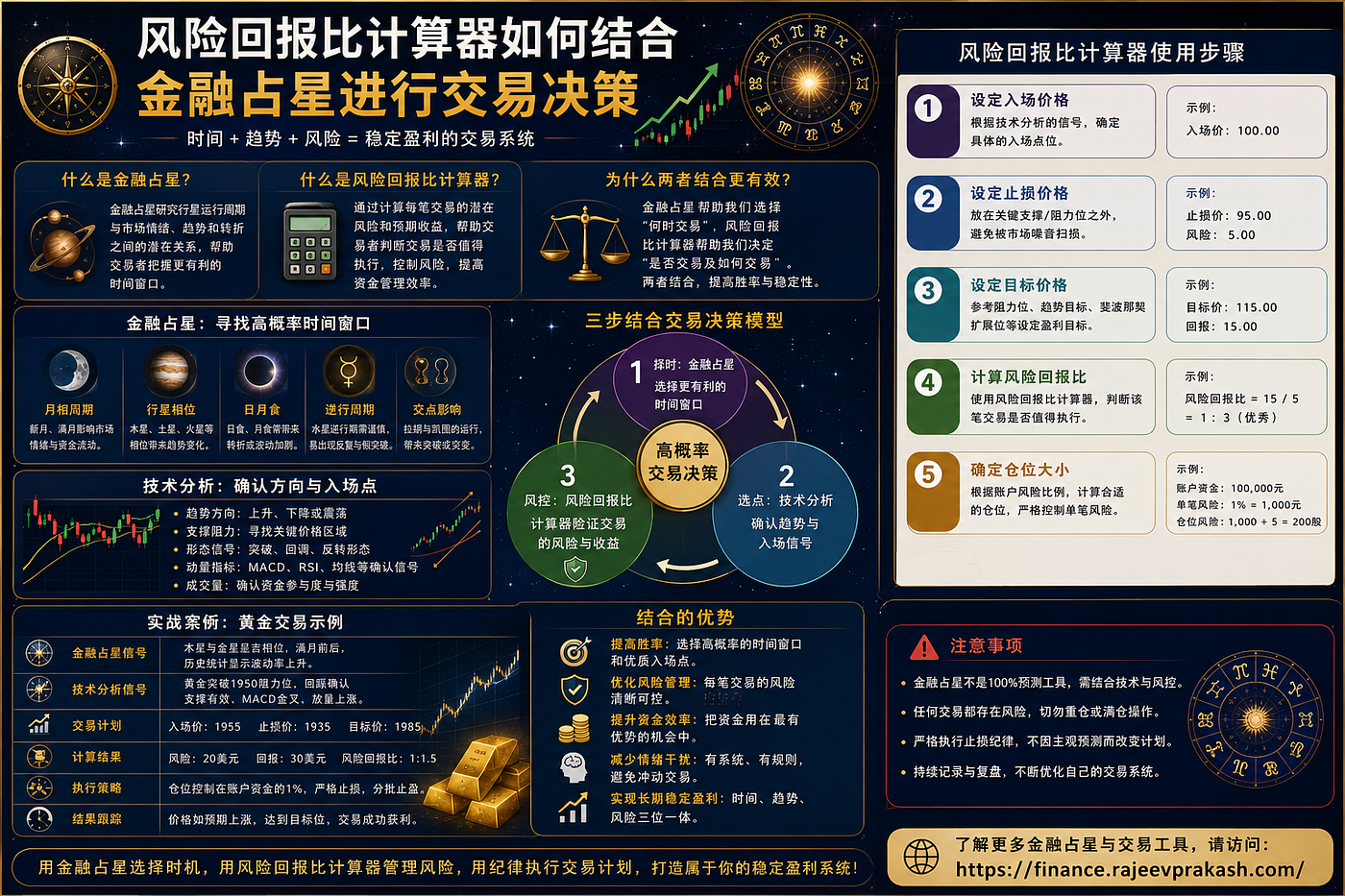
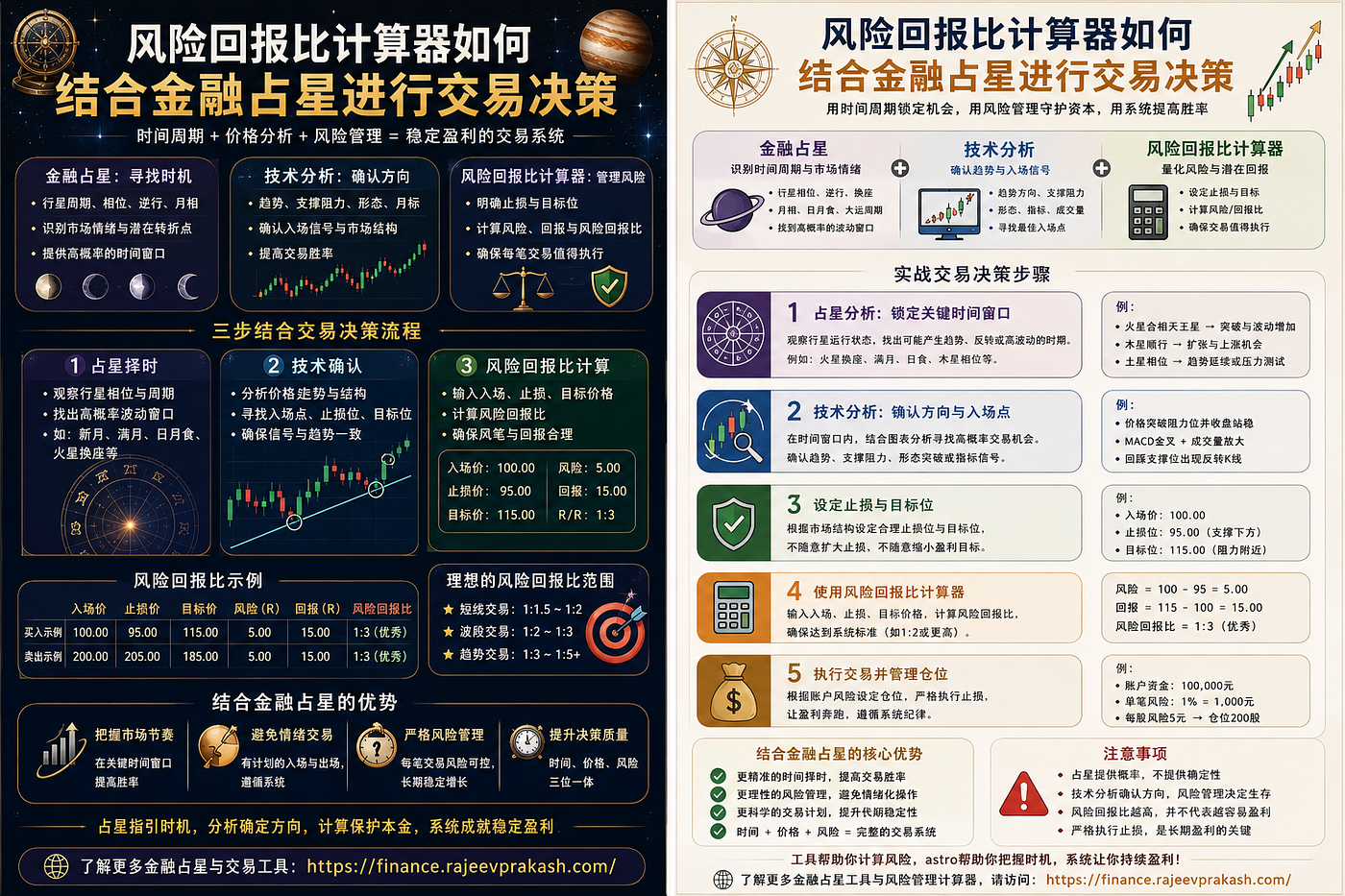
The most useful approach combines astrology with practical finance. Astrology can suggest when a financial theme may become active. Financial analysis can determine whether a decision remains affordable, suitable, and well researched.
This article explains how to create a personal wealth timing map, understand the planets that influence money, and turn astrological insights into responsible financial actions.
What Are Astrology Predictions for Money?
Astrology predictions for money study financial potential and timing through an individual birth chart. An astrologer analyses the houses associated with earnings, savings, profession, investments, debt, property, inheritance, and financial gains.
The astrologer also examines the planets that own or occupy these houses. Their signs, degrees, aspects, conjunctions, strength, nakshatras, and divisional-chart positions can change how financial themes appear.
A detailed reading may answer several important questions. Does the chart support employment, entrepreneurship, consulting, property, investments, or international work? Can the person preserve income after earning it? Do financial gains arrive steadily or through irregular opportunities? Which planetary periods may increase responsibilities or expenses?
Reliable astrology predictions for money should not promise instant wealth. They should explain financial tendencies, possible opportunities, and areas that require discipline.
A horoscope may show potential, but the person must still develop knowledge, skills, capital, and practical judgement.
Why Every Person Needs a Wealth Timing Map
A wealth timing map is a structured view of financial opportunities and risks across different planetary periods.
It does not predict an exact bank balance. Instead, it identifies broader windows for preparation, expansion, consolidation, and caution.
For example, one planetary period may support professional visibility and salary growth. Another may encourage business activity or international opportunities. A later period may demand stricter budgeting, lower debt, and stronger financial reserves.
This map becomes useful because people often treat every year in the same way. They may expand aggressively during a demanding cycle or remain overly cautious during a supportive one.
A timing map encourages a more flexible strategy. During favourable cycles, you can pursue opportunities with preparation. During difficult cycles, you can focus on protection, liquidity, and financial restructuring.
The goal is not to fear any planet. The goal is to understand the likely theme of the period and respond intelligently.
The Second House: Your Capacity to Accumulate Wealth
The second house represents savings, accumulated wealth, possessions, financial values, family resources, and the ability to retain money.
A strong second house may support disciplined saving and long-term financial security. It can also indicate earnings through communication, knowledge, finance, education, food, family enterprises, or advisory work.
However, the second house must not be judged alone. An astrologer should analyse its lord, sign placement, aspects, conjunctions, and relationship with other financial houses.
A challenged second house may produce unstable savings or frequent family-related expenses. The person may earn well but struggle to preserve money. Lifestyle inflation may absorb every increase in income.
This distinction between income and accumulation remains central to astrology predictions for money.
A large salary does not automatically create wealth. Assets grow when a person saves, invests, and controls liabilities over time.
Someone with a sensitive second house can improve financial stability through automated savings, expense limits, emergency reserves, and clearly defined goals.
The Fifth House: Financial Judgement and Investment Behaviour
The fifth house represents intelligence, learning, creativity, strategy, speculation, and pattern recognition.
It becomes especially relevant when analysing investors, traders, entrepreneurs, and people who make decisions under uncertainty.
A well-supported fifth house may strengthen independent thinking and analytical ability. The person may enjoy studying markets, businesses, economic cycles, or new investment ideas.
A relationship between the fifth and eleventh houses may support gains through knowledge, investments, intellectual work, or entrepreneurship. Yet the strength of the planets involved determines how effectively the combination operates.
A challenged fifth house may increase speculative behaviour. The person may chase fast returns, copy popular trades, or confuse recent success with permanent skill.
Even strong investment combinations cannot remove market risk. The U.S. Securities and Exchange Commission’s Investor.gov explains that diversification spreads money across different investments to reduce dependence on any single holding. However, diversification cannot guarantee protection from every market loss.
Astrology can guide timing awareness, but research, diversification, position sizing, and loss control must guide investment execution.
The Sixth House: Income Through Work and the Burden of Debt
The sixth house represents employment, daily work, service, competition, loans, liabilities, disputes, and practical problem-solving.
A strong sixth house may help a person succeed in competitive environments. It can support careers that require precision, discipline, analysis, administration, healthcare, law, finance, or public service.
This house also reveals how someone handles debt and recurring financial obligations.
A difficult sixth-house cycle may bring higher expenses, loan pressure, workplace conflict, or demanding responsibilities. The person may need to manage cash flow more carefully during such a period.
However, the sixth house can also provide the strength to overcome financial problems. It encourages routine, organisation, and persistence.
During a challenging sixth-house period, practical actions may include repaying expensive debt, reviewing insurance, reducing unnecessary commitments, and building an emergency fund.
Good astrology predictions for money should turn warnings into useful financial preparation rather than fear.
The Eighth House: Joint Money, Sudden Changes and Financial Transformation
The eighth house relates to joint finances, inheritance, insurance, taxes, business partnerships, hidden liabilities, and sudden financial changes.
People often associate the eighth house only with difficulty. However, it can also represent financial transformation and access to resources managed with other people.
A strong eighth house may support research, insurance, taxation, investment management, inheritance matters, or work involving confidential financial information.
A difficult eighth-house activation may reveal hidden debt, tax problems, partnership disputes, or sudden expenses. It can also expose weak financial structures that require correction.
During an eighth-house period, transparency becomes essential. Individuals should maintain accurate records, review legal agreements, understand joint liabilities, and avoid depending on assumptions.
The eighth house teaches an important financial lesson: money that involves other people requires clear documentation and shared responsibility.
The Ninth House: Knowledge, Mentors and Financial Opportunity
The ninth house represents wisdom, higher learning, mentors, ethics, international connections, and long-term fortune.
A strong ninth house may create financial progress through education, consulting, law, publishing, research, teaching, or global business.
Connections between the ninth and tenth houses may support professional advancement. Links between the ninth and eleventh houses may help international contacts, specialised knowledge, or influential mentors generate income.
However, the ninth house does not represent effortless luck. It often rewards people who expand their knowledge and make principled decisions.
A supportive ninth-house cycle may introduce an important teacher, qualification, professional network, or overseas opportunity. The person must still recognise and use it.
Astrology may show a promising window, but preparation turns that window into progress.
The Tenth House: Career Growth and Financial Status
The tenth house governs career, authority, public reputation, responsibility, and professional achievement.
Since career income forms the financial foundation for most people, the tenth house plays a major role in astrology predictions for money.
A powerful tenth house may support ambition, recognition, leadership, and the ability to manage significant responsibilities.
When the tenth house connects with the second house, professional work may contribute to long-term savings. When it connects with the eleventh house, career efforts may produce stronger income and wider opportunities.
The planet influencing the tenth house may also describe suitable professional themes.
Mercury can support commerce, analytics, accounting, technology, writing, consulting, and communication. Mars can favour engineering, construction, manufacturing, property, defence, or entrepreneurship. Venus may support finance, hospitality, design, art, entertainment, luxury, or customer-focused businesses.
Saturn may favour administration, infrastructure, law, government, or industries that demand patience. Jupiter may support education, finance, management, law, consulting, or advisory roles.
However, no astrologer should select a profession through one planet alone. Education, experience, interests, location, and economic demand also matter.
The Eleventh House: Income, Networks and Large Gains
The eleventh house represents income, gains, social networks, influential contacts, large organisations, and the fulfilment of ambitions.
A strong eleventh house may help a person benefit from communities, professional relationships, institutions, or digital platforms.
It can also support income beyond a fixed salary. A person may develop business profits, consulting fees, royalties, commissions, subscriptions, investment income, or multiple revenue streams.
Connections between the tenth and eleventh houses may help professional activity produce greater financial rewards. A relationship between the second and eleventh houses may strengthen both earnings and accumulation.
However, the eleventh house also represents desire.
A person with strong eleventh-house energy may keep raising financial expectations. Income may grow, but satisfaction may remain distant because lifestyle costs and ambitions rise at the same speed.
Therefore, astrology predictions for money must consider the emotional meaning of wealth. More income does not always create greater financial peace.
Jupiter and the Expansion of Wealth
Jupiter represents wisdom, growth, knowledge, confidence, guidance, and prosperity.
A well-placed Jupiter may support financial opportunities through education, consulting, finance, management, law, teaching, or institutional work.
Jupiter can encourage long-term thinking and ethical wealth creation. It often favours growth through knowledge rather than shortcuts.
However, Jupiter can also magnify optimism. The person may underestimate risk, expand too quickly, or assume that favourable conditions will continue indefinitely.
A constructive Jupiter period requires ambition and measurement. Before expanding a business or investment, the person should examine cash flow, valuation, demand, and potential downside.
The guide Which Planet Is Good for Finance? explains how Jupiter, Venus, Mercury, Saturn, and Rahu may represent different forms of financial potential.
Mercury and Commercial Intelligence
Mercury governs calculation, communication, data, trade, contracts, analysis, and adaptability.
A strong Mercury may support careers in accounting, marketing, trading, consulting, technology, writing, sales, or research.
It helps people process information and adjust to changing conditions. This quality becomes valuable in business and financial markets.
However, an unstable Mercury may create indecision or excessive activity. The person may keep changing strategies, follow too much information, or trade without a consistent framework.
A supportive Mercury cycle rewards careful documentation, fact-based decisions, strong communication, and accurate financial records.
When Mercury becomes active, people should verify numbers, read contracts, and separate useful information from market noise.
Venus and the Management of Material Comfort
Venus represents value, attraction, relationships, luxury, beauty, and material enjoyment.
A strong Venus may support income through finance, hospitality, design, entertainment, art, jewellery, fashion, vehicles, or client relationships.
Venus can improve negotiation and the ability to create attractive products or services. It may also help a person form profitable partnerships.
However, Venus may increase lifestyle spending. Someone may earn more and immediately upgrade their home, car, clothing, or social habits.
Healthy Venus energy creates value and enjoys wealth within limits. Uncontrolled Venus energy converts income into consumption.
A financial plan should allow comfort without sacrificing savings, insurance, or long-term investment goals.
Saturn and the Architecture of Lasting Wealth
Saturn represents discipline, patience, structure, responsibility, and delayed rewards.
Although Saturn may slow progress, it can build durable financial foundations.
A constructive Saturn encourages regular saving, realistic budgeting, debt control, long-term investing, and consistent work.
Saturn rarely supports instant wealth. It rewards people who continue following a sound process when excitement disappears.
During a demanding Saturn period, a person may need to restructure a business, accept greater responsibility, reduce expenses, or rebuild savings.
These changes may feel restrictive at first. Over time, however, they can produce stronger financial security.
Saturn shows why wealth often grows through repeated good decisions rather than one dramatic success.
Mars and the Need for Controlled Action
Mars represents courage, energy, competition, speed, and execution.
A strong Mars may support entrepreneurship, property, manufacturing, engineering, construction, sports, defence, or other action-driven careers.
Mars helps people make decisions and pursue opportunities. However, uncontrolled Mars may encourage financial aggression.
In trading, this can lead to excessive leverage, oversized positions, and revenge trading. In business, it may cause expansion before systems and cash flow can support it.
Mars requires clear rules. The person should define risk before acting and set limits before emotion becomes involved.
A disciplined Mars can build enterprises. An impulsive Mars can destroy capital.
Rahu and Unconventional Financial Opportunities
Rahu represents ambition, technology, foreign influence, mass communication, innovation, and unusual paths.
A powerful Rahu period may support growth through artificial intelligence, digital platforms, international business, media, emerging technologies, or speculative markets.
However, Rahu can amplify illusion and greed. The person may become attracted to opportunities that promise fast wealth without transparent evidence.
During Rahu-related periods, due diligence becomes essential. Investors should examine liquidity, legal terms, business models, valuations, and hidden risks.
Rahu may reveal opportunities that traditional thinking overlooks. It may also make weak opportunities appear irresistible.
How Dashas Shape Financial Chapters
Dashas show which planetary themes become more active during different periods of life.
A dasha connected with the second, fifth, ninth, tenth, or eleventh house may activate savings, investments, fortune, career, or income.
However, one planet may influence several houses. Therefore, a planetary period can produce mixed results.
A promotion may raise income but increase stress. A business expansion may improve revenue but require new debt. A property purchase may build long-term assets while reducing short-term liquidity.
Astrologers must study the planet’s strength, ownership, placement, aspects, sub-periods, and transit support before reaching a conclusion.
The article Predicting Income, Investments, and Wealth Timing presents astrology as a timing layer and finance as a measurement layer. This approach encourages people to act more confidently during supportive windows while remaining conservative during difficult cycles.
How Transits Modify Short-Term Financial Conditions
Transits describe the current movements of planets relative to the birth chart.
Jupiter transits may encourage expansion, learning, and optimism. Saturn transits may demand patience, consolidation, or stricter financial control. Mars may increase urgency, while Mercury may focus attention on communication, documents, data, and commercial decisions.
Rahu and Ketu may bring sudden changes, unusual opportunities, or uncertainty.
However, transits should never be interpreted alone. The same transit can produce different results for different people because their birth charts and dashas differ.
A favourable transit does not guarantee profit. It may simply make a particular type of action more relevant.
Turning Astrology Predictions for Money Into a Practical Plan
Start by defining your financial position. Calculate income, expenses, savings, debt, investments, insurance, and net worth.
Next, identify the current planetary period and the financial houses it activates.
Then translate the astrological theme into a measurable action.
During a supportive career cycle, improve your skills, pursue better opportunities, or negotiate compensation.
During a strong business cycle, test customer demand, strengthen systems, and expand gradually.
During a challenging debt cycle, preserve liquidity, reduce expensive loans, and avoid unnecessary financial commitments.
During an investment-oriented cycle, conduct deeper research rather than assuming that astrology guarantees returns.
The Money Astrology Calculator offers an accessible starting point for exploring financial behaviour through accurate birth details.
You can also use the Finance Calculator Hub to access tools for trading, investing, retirement, loans, returns, and personal financial planning. The platform currently brings together calculators across trading, investing, personal finance, and astrology.
Common Mistakes in Money Astrology
The first mistake involves judging wealth through one zodiac sign or planet. Financial potential depends on several houses, planets, dashas, and real-life circumstances.
The second mistake involves confusing earnings with wealth. A high income does not create financial security when expenses and liabilities remain uncontrolled.
The third mistake involves using a favourable period to justify excessive risk. No dasha or transit removes the need for research and risk management.
The fourth mistake involves expecting astrology to predict an exact amount of money. Astrology may show relative strength and timing, but it cannot guarantee a salary, profit, or future bank balance.
The fifth mistake involves waiting passively for a positive cycle. A favourable period may create opportunity, but preparation and action determine the result.
The final mistake involves ignoring practical finance. Astrology predictions for money become more useful when combined with budgeting, diversification, insurance, tax planning, and professional advice.
Conclusion: Use Your Wealth Timing Map With Discipline
Astrology predictions for money can help you understand earning potential, savings behaviour, career patterns, investment temperament, debt pressure, and financial timing.
The second house shows accumulated wealth. The fifth house reflects investment judgement. The sixth house highlights work and debt. The eighth house reveals joint finances and hidden liabilities. The ninth house supports knowledge and opportunity. The tenth house governs career, while the eleventh house represents income and gains.
Jupiter may expand opportunities. Mercury may sharpen commercial intelligence. Venus may attract resources. Saturn may build financial stability. Mars may encourage action, while Rahu may reveal unconventional paths.
Yet no planetary combination guarantees wealth.
Lasting prosperity requires marketable skills, controlled expenses, regular savings, sensible investments, and patient execution. Astrology can help you understand when different financial themes may become active. Practical finance must determine whether your decisions remain measurable and sustainable.
Use supportive cycles to pursue growth without becoming overconfident. Use demanding cycles to repair weaknesses and protect capital. Let astrology guide timing, let financial analysis measure quality, and let risk management protect your future.
To understand your planetary wealth patterns, financial houses, dashas, and potential money cycles, visit Astrology Predictions for Money.
Create your personal wealth timing map today, understand your financial tendencies, and begin making better-informed decisions with greater discipline and clarity.
메타데이터
- post_id
- e87f06c05413
- slug
- the-wealth-timing-map-how-astrology-can-guide-better-money-decisions-e87f06c05413
- url
- https://medium.com/@astrooduniaa/the-wealth-timing-map-how-astrology-can-guide-better-money-decisions-e87f06c05413
- canonical_url
- https://medium.com/@astrooduniaa/the-wealth-timing-map-how-astrology-can-guide-better-money-decisions-e87f06c05413
- author_url
- https://medium.com/@astrooduniaa
- status
- ok
- fetched_at
- 2026-08-25 15:41:05