Why Paid Online Courses Fail Most Learners & How to Actually Learn Anything Effectively
“The illiterate of the 21st century will not be those who cannot read and write, but those who cannot learn, unlearn, and relearn.” —…
Why Paid Online Courses Fail Most Learners & How to Actually Learn Anything Effectively
“The illiterate of the 21st century will not be those who cannot read and write, but those who cannot learn, unlearn, and relearn.” — Alvin Toffler
AI is rapidly transforming the corporate job landscape, making continuous learning essential to stay ahead. Many of us get motivated by friends, invest money in a fancy online course (MOOC), and start strong — only to drop out a few weeks later.
Sounds familiar? You’re not alone.
Image from https://www.freepik.com/author/vectorjuice
A research paper titled *Dropout Rates of Massive Open Online Courses: Behavioural Patterns* found that the completion rate of MOOCs is just 13%. That means 87% of people never finish the courses they start!
Why? Because MOOCs often follow a rigid structure that doesn’t fit everyone’s learning style. Some people prefer to go at their own pace, while others engage selectively instead of completing everything. This shows that structured courses aren’t always the best way to start learning something new.
So, if MOOCs aren’t the best first step, what is? Let’s talk about a better way to learn effectively without wasting time and money.
Step 1: Get a Roadmap for Learning
Before you dive into learning, you need a plan. A clear roadmap will keep you focused and help you avoid information overload.
How to Find a Roadmap?
Use **Perplexity — a fast AI-powered search engine. Instead of scrolling through outdated blog posts, Perplexity gathers the latest and most relevant information from various sources, giving you a custom learning roadmap in seconds. Plus, it provides citations** so you know where the information is coming from.
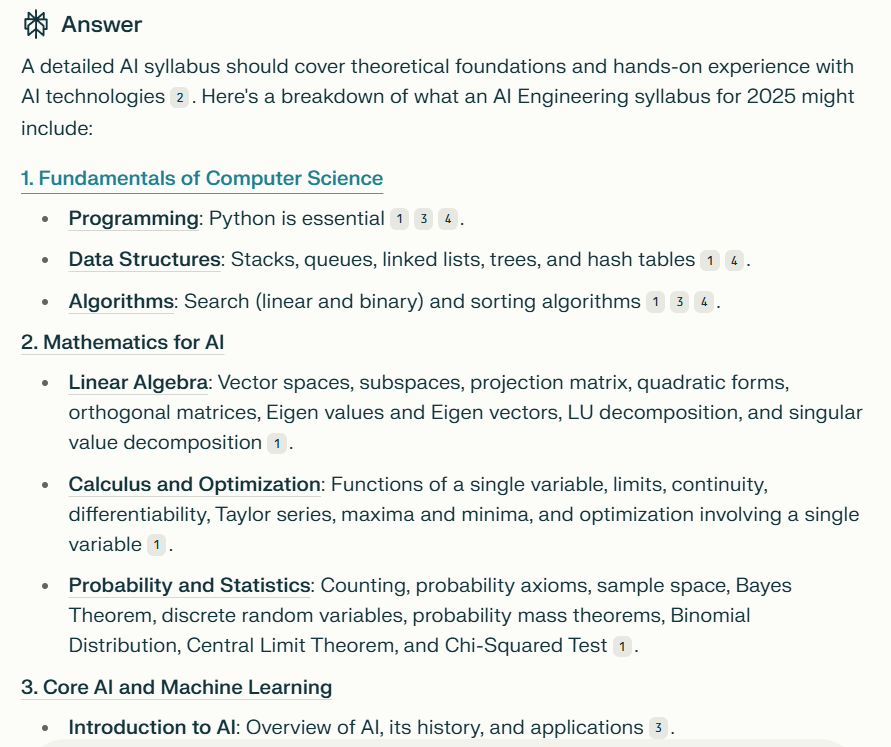
Asking Perplexity for roadmap to learn AI Engineering in 2025
📌 Pro Tip: Perplexity is free for five queries daily — use one of them to get a solid roadmap!
Step 2: Learn from Free, High-Quality Content
Once you have a roadmap, it’s time to start learning. But instead of spending money on courses, try free resources first.
Where to Learn?
- YouTube — The world’s biggest learning platform (500 hours of content uploaded every minute). Start with beginner-friendly videos and slowly move to advanced topics.
- Blogs & Articles — Follow top industry blogs for expert insights.
- Podcasts & Audiobooks — Great for learning while commuting or working out.
Step 3: Use Smart Tools to Learn Faster
Just watching videos isn’t enough — you need to retain what you learn.
Gistr — A tool that lets you take notes directly while watching YouTube videos. You can also highlight important moments, making revision easier. You can also use AI for asking questions and clarifying doubts instantly.
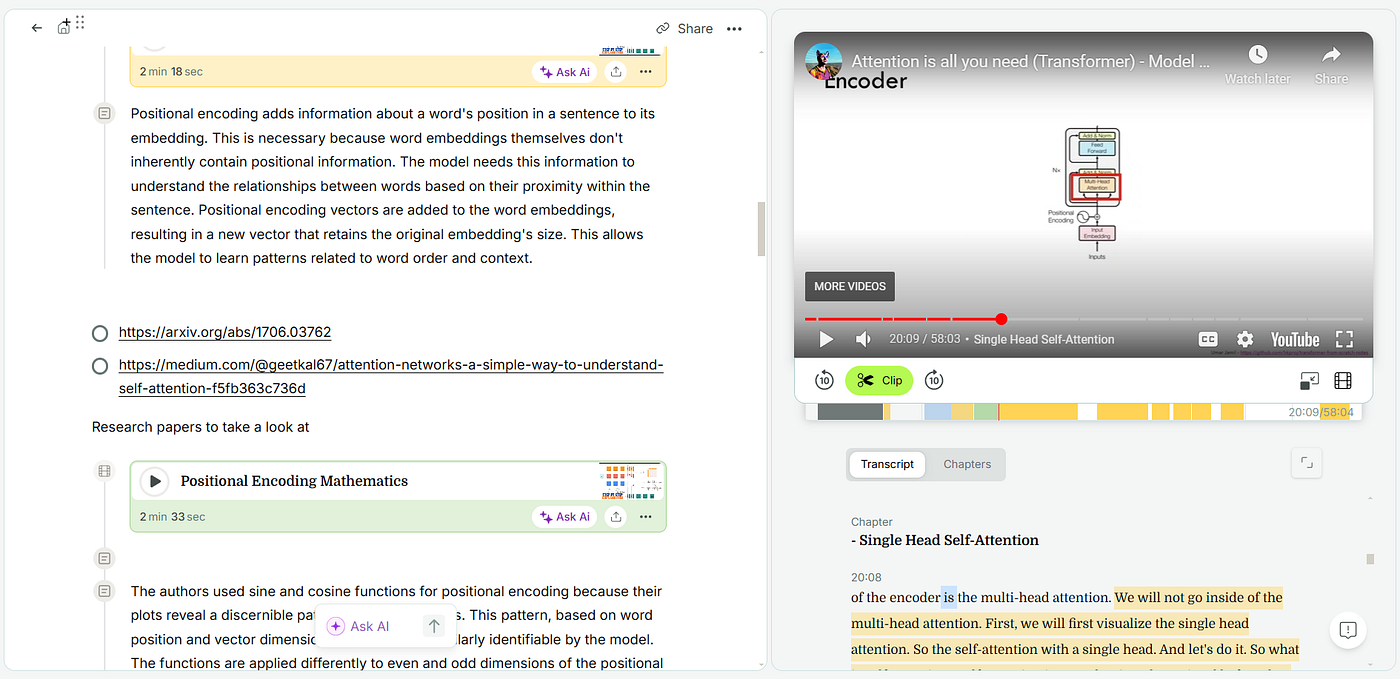
Taking notes on Attention Mechanism
📌 Why Take Notes? Studies show that writing things down improves memory and understanding. If you don’t take notes, you’re likely to forget 50% of what you just learned within an hour!
Step 4: Join Communities to Stay Motivated
One major drawback of learning alone is not having anyone to ask for help. That’s why you should join online learning communities where people are learning the same thing as you.
You can easily search for these communities in the following places.
🔹 Discord Servers — Many learning-focused servers exist for different topics. 🔹 Reddit — Subreddits like r/learnprogramming, r/languagelearning, etc., have thousands of active members helping each other.
📌 Why Communities? Being part of a learning group keeps you accountable, motivated, and helps you solve doubts faster.
When to Take a Course?
MOOCs are not bad — they just might not be the best first step. If you’re unsure whether you even like a subject, it makes no sense to spend money on a course you may not finish.
Start with free resources, get hands-on experience, and once you’re confident, then invest in a structured course. That way, you’ll actually finish it and get the most value.
👉 Remember: Learning is a personal journey. Find what works for you, and keep going!
메타데이터
- post_id
- e87f2cc486c5
- slug
- why-paid-online-courses-fail-most-learners-how-to-actually-learn-anything-effectively-e87f2cc486c5
- url
- https://medium.com/@cs_nerd/why-paid-online-courses-fail-most-learners-how-to-actually-learn-anything-effectively-e87f2cc486c5
- canonical_url
- https://medium.com/@cs_nerd/why-paid-online-courses-fail-most-learners-how-to-actually-learn-anything-effectively-e87f2cc486c5
- author_url
- https://medium.com/@cs_nerd
- status
- ok
- fetched_at
- 2026-06-13 07:35:29