The Haunting Chaos of the Spanish Flu: A Journey Through a Pandemic of Shadows
How the 1918 Spanish Flu became one of history’s deadliest pandemics — and the lessons it still teaches us today
The Haunting Chaos of the Spanish Flu: A Journey Through a Pandemic of Shadows
How the 1918 Spanish Flu became one of history’s deadliest pandemics — and the lessons it still teaches us today

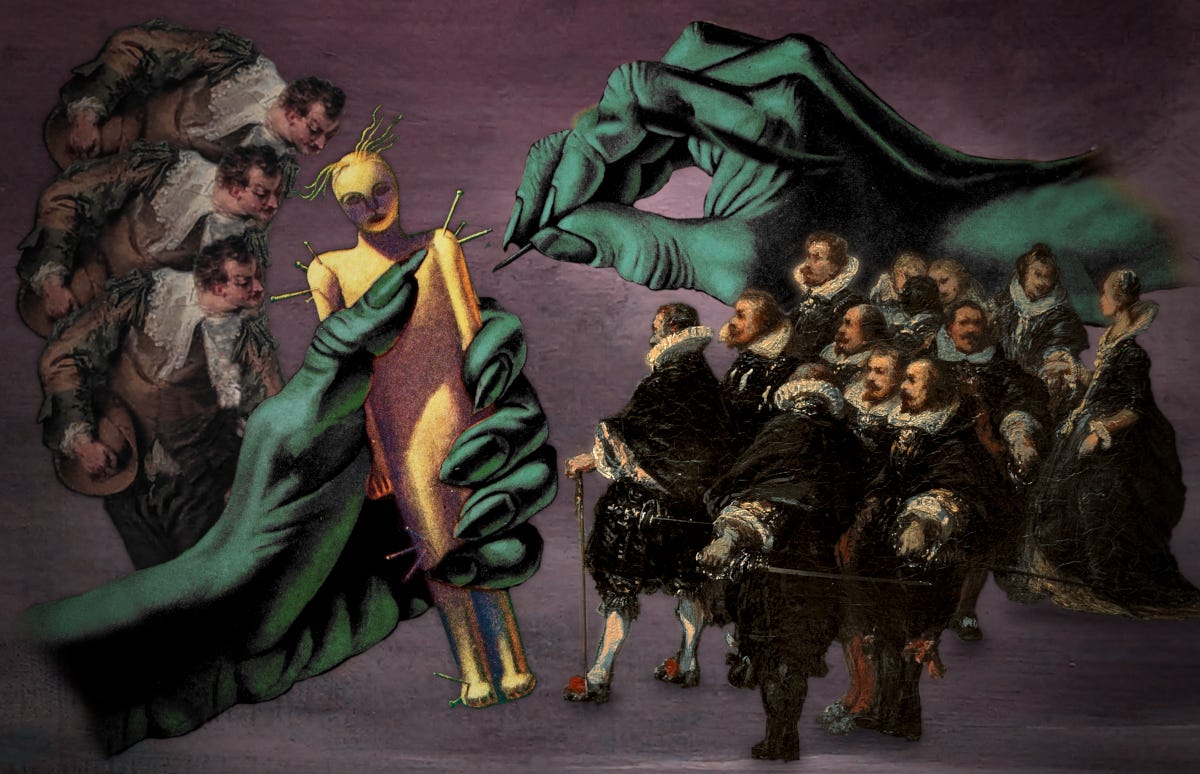
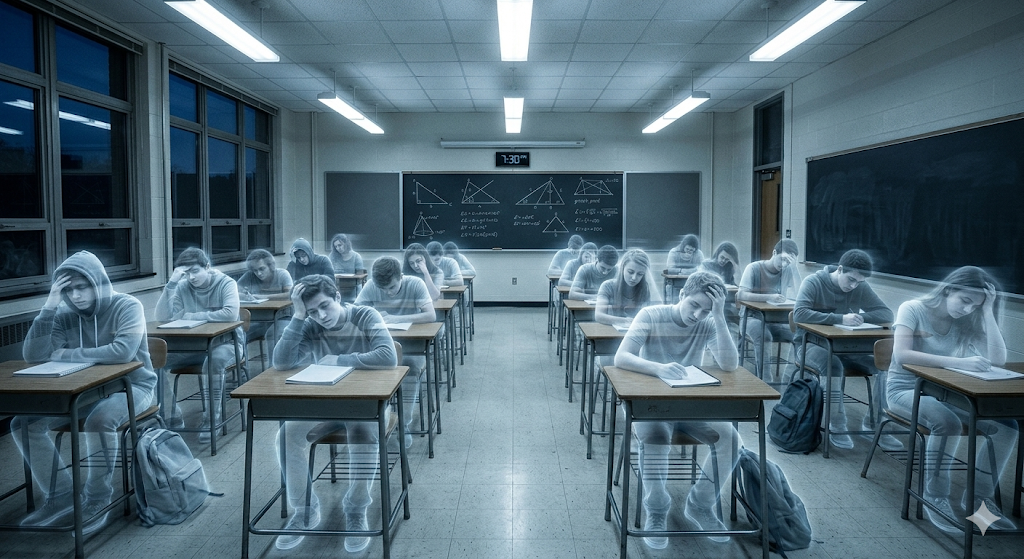
In the twilight of a world still recovering from the scars of war, an unseen terror crept silently across continents. The year was 1918, and a mysterious and deadly force — later known as the Spanish Flu — became an invisible specter that haunted humanity. Like a ghostly apparition in the night, the flu struck with little warning, leaving behind a trail of despair and inexplicable loss.
Origins and the Cause
The origins of the Spanish Flu remain as mysterious as the spectral events it inspired.
Researchers have proposed that the virus, an H1N1 influenza A strain, might have first mutated in birds before crossing over to humans — a classic case of zoonotic spillover [1]. Wartime conditions during World War I, with massive troop movements and overcrowded military camps, created an ideal environment for the virus to evolve and spread rapidly [2]. These conditions, combined with limited medical knowledge of viral pathogens at the time, contributed to the virus’s uncanny ability to exploit the vulnerabilities of human populations.
The Symptoms:
Victims of the Spanish Flu experienced a terrifyingly rapid decline. Early signs, such as fever,
chills, and body aches, soon escalated to severe respiratory distress. Patients would often find themselves battling a storm within their own bodies — an internal tempest marked by coughing fits, high fever, and, in many cases, hemorrhaging from the lungs. The progression from mild symptoms to a life-threatening condition was as swift as it was brutal, feeding into the narrative of an unstoppable, almost supernatural force [3]. Hospitals, overwhelmed and ill-equipped, struggled to cope with the massive influx of patients, turning them into battlegrounds where life and death waged a relentless war.
A Global Impact: Beyond Borders and Generations
The Spanish Flu did not confine itself to a single region; it spread across continents, leaving no corner of the globe untouched. The high mortality rate — estimated at tens of millions
worldwide — coupled with its rapid dissemination, forever changed how nations approached
public health. Governments began to recognize the importance of coordinated responses and timely dissemination of information. Measures such as quarantine, social distancing, and the use of face masks were implemented in many parts of the world, marking the beginning of modern public health practices [4]. The pandemic’s extensive reach and devastating consequences transformed it into a pivotal moment in epidemiological history, emphasizing the interconnectedness of our global community.
Lesson For The Future
In the aftermath of the pandemic, the world was forced to confront the limitations of early
20th-century medicine. The desperate struggle against the Spanish Flu spurred rapid
advancements in virology, immunology, and public health policy. Laboratories around the world embarked on studies to understand the virus’s structure, transmission, and mutation patterns, laying the groundwork for future influenza research [5]. These efforts eventually culminated in the development of vaccines and antiviral treatments, tools that have become indispensable in combating modern-day influenza outbreaks and other infectious diseases. The pandemic also highlighted the need for global surveillance systems, a legacy that continues to shape our response to health crises today.
The End of the Nightmare
As suddenly as it had emerged, the Spanish Flu began to fade from the public eye. By 1919, the relentless march of the virus started to wane. Scientists believe that a combination of
factors — such as the development of partial herd immunity, changes in the virus itself, and
public health interventions — helped turn the tide [1]. However, the end of the pandemic did not erase its impact; instead, it left an indelible mark on public health policies and collective
memory, a stark reminder of nature’s capacity for both creation and destruction.
As modern society continues to grapple with emerging infectious diseases, the echoes of 1918 serve as both a warning and an inspiration — a reminder that from the depths of despair, the light of human innovation can still shine brightly.
References
1.Barry, J. M. (2004). The Great Influenza: The Story of the Deadliest Pandemic in History.Viking Press.
2. Taubenberger, J. K., & Morens, D. M. (2006). 1918 Influenza: The Mother of All Pandemics. Emerging Infectious Diseases, 12(1), 15–22. Johnson, N. P. A. S., & Mueller, J. (2002).
3. Updating the Accounts: Global Mortality of the 1918–1920 “Spanish” Influenza Pandemic. Bulletin of the History of Medicine, 76(1), 105–115.
4. Hynes, N., & Keane, J. (2018). Public Health Responses to the 1918 Influenza Pandemic: Lessons Learned and Future Implications. Journal of Historical Epidemiology, 11(2), 89–104.
5. Oxford, J. S., & Gillespie, R. A. (2003). The 1918 Influenza Pandemic: Lessons for Modern Science. Viral Research and Future Prospects, 5(4), 232–245.
메타데이터
- post_id
- e8de5977b273
- slug
- the-haunting-chaos-of-the-spanish-flu-a-journey-through-a-pandemic-of-shadows-e8de5977b273
- url
- https://medium.com/@Aaishakhan1210/the-haunting-chaos-of-the-spanish-flu-a-journey-through-a-pandemic-of-shadows-e8de5977b273
- canonical_url
- https://medium.com/@Aaishakhan1210/the-haunting-chaos-of-the-spanish-flu-a-journey-through-a-pandemic-of-shadows-e8de5977b273
- author_url
- https://medium.com/@Aaishakhan1210
- status
- ok
- fetched_at
- 2026-07-25 21:11:06