The Anatomy of Extraction: Why Authentic Espresso Machines Come with a High Price Tag
From precise thermodynamics and heavy-duty mechanical materials to price-deceptive business strategies — here is the real reason behind the…
The Anatomy of Extraction: Why Authentic Espresso Machines Come with a High Price Tag
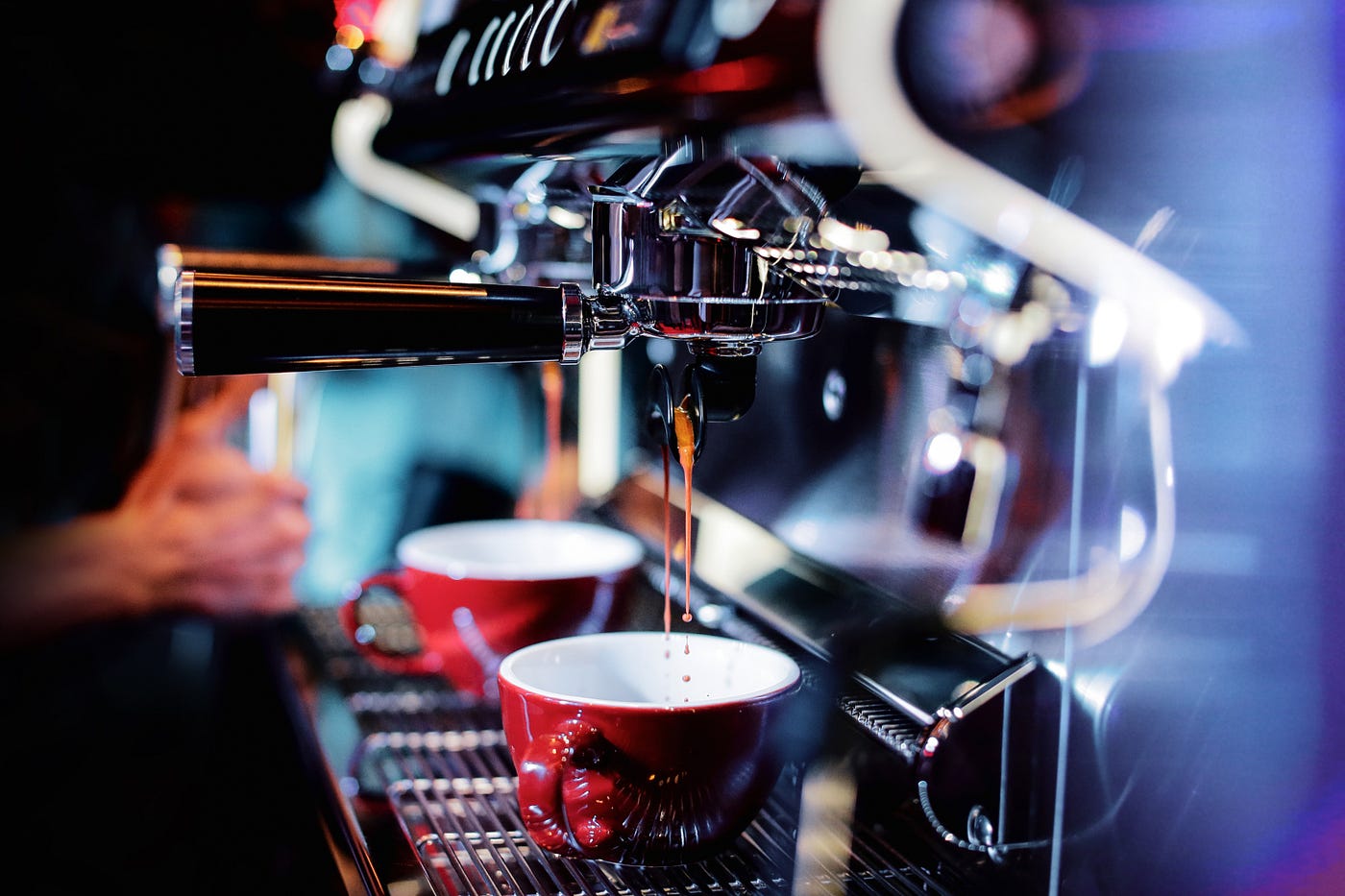
From precise thermodynamics and heavy-duty mechanical materials to price-deceptive business strategies — here is the real reason behind the cost of genuine espresso machines.
For many coffee enthusiasts just diving into the brewing world, the coffee equipment market can often seem completely illogical when it comes to pricing. On one hand, you can walk into a local store and bring home a capsule coffee machine for a few hundreds of dollars. On the other hand, you’ll find commercial espresso machines slapped with price tags in the thousands.
How can a seemingly simple, boxy metal machine cost so much? From the outside, it might look simple, but this box-shaped metal machine hides a multitude of secrets within.
The Physics of Pressure: 9 Bars Is Not a Joke
The absolute definition of an espresso is hot water forced through finely ground coffee under high pressure — specifically set at 9 bars (around 130 psi). To put that into perspective, this is roughly equivalent to the water pressure you’d experience at a depth of 90 meters in the ocean.
An extraction kinetics study (Schmieder et al., 2023) highlights that flow rate and spatial interaction (particle size) under this extreme pressure are crucial for extracting bioactive coffee compounds like trigonelline, caffeine, and chlorogenic acids.
To generate and — more importantly — withstand this 9-bar mechanical force repeatedly without destroying the machine, manufacturers simply cannot cut corners on materials or engineering. Take the Flair manual espresso maker, for instance. Its brewing chamber and piston lever must be forged from incredibly dense stainless steel. Every single metal component is cut using CNC (Computer Numerical Control) machining with mind-bogglingly tight tolerances (down to the micrometer level). Even the tiniest gap will cause that 9-bar pressure to leak, completely ruining the extraction process. The sheer cost of machining this solid metal is a massive factor driving up the price of genuine espresso equipment.
Thermodynamics and Precision Temperature Control
Aside from pressure, temperature stability is the absolute lifeblood of coffee brewing. In an espresso machine, the water must remain perfectly stable between 90–96 degrees Celsius throughout the entire extraction (Schmieder et al., 2023). A temperature drop of just a few degrees can result in an under-extracted (sour) shot, while water that’s too hot will leave you with an over-extracted (bitter and burnt).
Cheap capsule machines typically rely on simple, low-cost aluminum thermoblock heaters that flash-heat the water as it passes through. The temperature from these components fluctuates wildly. Genuine espresso machines, however, utilize thick copper or brass boilers for maximum heat retention, equipped with a PID (Proportional-Integral-Derivative) controller. This electrical microcontroller system reads temperature fluctuations in milliseconds, dynamically adjusting the electrical output so the water temperature doesn’t dip during the brew. In this case, you aren’t just paying for the heavy metals; you’re paying for advanced thermal computing.
Micro-Component Precision
The price disparity is just as evident in the micro-components. The portafilter and filter baskets on professional machines — or manual tools like the Flair — feature microscopic holes cut individually with highly precise lasers. The goal is to ensure the water permeates the coffee puck evenly, preventing channeling.
Pod machines, on the other hand, rely on pressurized portafilters — a single valve that artificially chokes the water flow to create a fake crema (the golden-brown foam on top of an espresso shot). This is entirely different from authentic espresso crema, which is a natural emulsion of coffee oils and CO2.

The Price Illusion: The Razor and Blade Business Model
If authentic espresso machines are so expensive to manufacture, how can companies like Nespresso or Nescafé sell electric machines for just a few hundred dollars? The answer isn’t that technological advancements have slashed manufacturing costs; it’s due to cross-subsidization from the Razor and Blade business model (Remane et al., 2017).
Just like razor manufacturers who sell razor handles at a loss to force you into buying their replacement blades, pod machine manufacturers often sell their hardware with little to no profit margin. Their end goal is to lock you into their ecosystem. Once you buy the machine, you are effectively chained to buying their proprietary coffee capsules continuously. If you do the math, the price per gram of coffee inside those pods is often far more expensive than specialty beans you could buy from a local roastery.
Conversely, companies that manufacture tools like the Flair or prosumer espresso machines don’t sell coffee beans. Their businesses survive entirely on the profit margins from selling the hardware itself. You pay the full cost of the materials and R&D upfront, but in return, you earn the absolute freedom to brew whatever coffee you want.
Conclusion
The crazy price tag of an espresso machine is not a gimmick or a cheap marketing trick. It is the physical manifestation of applied material science, thermodynamics, and high-precision mechanical engineering built to conquer immense mechanical pressure.
For those entering the operational side of a coffee business, choosing to invest in proper brewing equipment ultimately comes down to buying the one thing that cheap machines can never offer: absolute consistency in every single cup.
Reference:
- Schmieder, B. K. L., et al. (2023). Influence of Flow Rate, Particle Size, and Temperature on Espresso Extraction Kinetics. Foods, 12(15), 2871. This MDPI study validates how spatial kinetic interactions (temperature, particles, flow rate) alter the profile of components extracted into the cup.
- Remane, G., et al. (2017). The Business Model Pattern Database — A Tool for Systematic Business Model Innovation. International Journal of Innovation Management, 21(01). This literature directly discusses how coffee brands like Nespresso adopt the razor/blade model to sell hardware (espresso machines) below economic value to sell complementary capsules at extremely high prices.
- King, W. D. (2008). The physics of a stove-top espresso machine. American Journal of Physics, 76, 558–565. Foundational literature on the physics, partial atmospheric pressure, and water thermodynamics required to extract coffee grounds without destroying its inherent flavor.
메타데이터
- post_id
- e8e58ab7db70
- slug
- the-anatomy-of-extraction-why-authentic-espresso-machines-come-with-a-high-price-tag-e8e58ab7db70
- url
- https://medium.com/@muhammadraydifathi/the-anatomy-of-extraction-why-authentic-espresso-machines-come-with-a-high-price-tag-e8e58ab7db70
- canonical_url
- https://medium.com/@muhammadraydifathi/the-anatomy-of-extraction-why-authentic-espresso-machines-come-with-a-high-price-tag-e8e58ab7db70
- author_url
- https://medium.com/@muhammadraydifathi
- status
- ok
- fetched_at
- 2026-06-09 15:37:30