Fragrance Oil Supplies for Candle Making in India - What I Learned After 4 Ruined Batches
Fragrance Oil Supplies: A Real Guide for Candle Makers in India

Okay so I want to start with something embarrassing.
I spent close to three weeks blaming my soy wax for a problem that had nothing to do with my soy wax. Every batch I poured -and I mean every single one -came out smelling like… warm nothing. Like someone had lit a candle made of air. And I’d stand there sniffing my beautiful little jasmine fragrance oil bottle going “this smells perfect, WHY is the candle not smelling like this.” Switched wax brands twice. Tried three different wick sizes. Adjusted my pour temperature based on about eight different YouTube videos that all said something slightly different. Still nothing. The actual problem? My fragrance oil supplies. Specifically, that I had no idea what I was actually buying or how any of it worked. Sharing what I know now, because I genuinely wish I’d found something like this before I wasted those weeks.
To take more information about it visit = https://rvorganica.com/blogs/news/candle-fragrance-oil
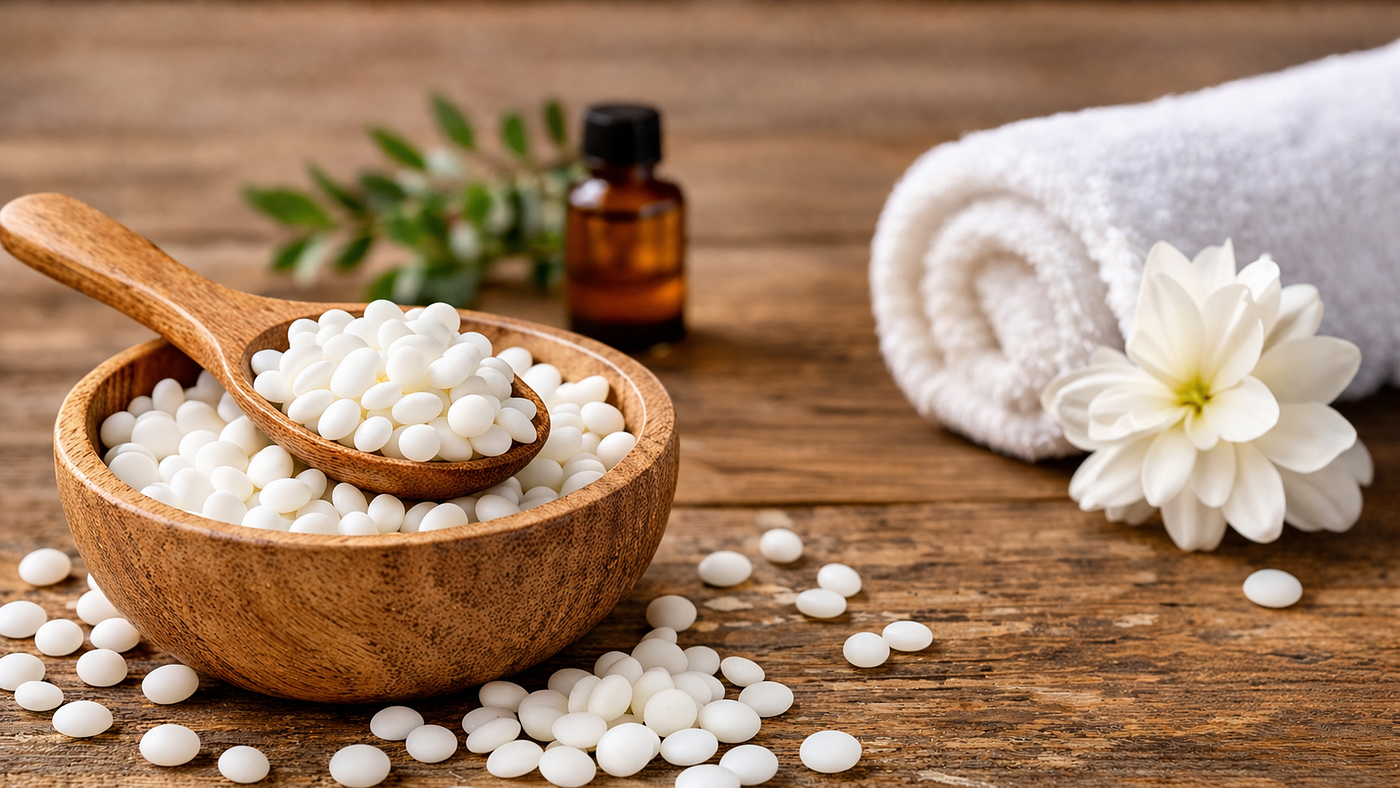
Wait, What Even Are Fragrance Oil Supplies?
So this confused me for a long time-are fragrance oils and essential oils the same thing?
They’re not. Not even close, actually. Essential oils are real botanical extracts. Think of how lavender essential oil is made -you’re steaming actual lavender flowers and collecting the oil that comes off. It’s genuinely from the plant. And it smells incredible. Use it in a diffuser or a face oil or whatever, it’s great. But put it in a candle and you have a problem, because essential oils are volatile by design -they evaporate easily at low temperatures, which is the whole reason they fill a room with scent when you open the bottle. That same property becomes a disaster when you add the oil to hot wax. Most of the scent just burns off before the wax even sets. Whatever tiny amount survives into the finished candle doesn’t throw much heat when you actually burn it. I learned this by ruining a batch of lavender soy candles that ended up smelling like plain wax with a very faint floral hint. Not what I’d paid for.
Fragrance oils -the kind made specifically for candle making -are engineered differently. They’re designed to bind with wax and hold up through heat. They don’t just smell good in the bottle; they’re built to release scent slowly as the wax melts. That’s actually the job. And the thing is, a fragrance oil can smell kind of muted or “flat” straight out of the bottle compared to an essential oil, but then perform beautifully when burned. I’ve had oils I almost returned because they seemed weak in the vial, and they turned out to be my best throwers. Cold throw is the smell of the unlit candle. Hot throw is what it smells like burning. Both matter, but hot throw is what your customers experience at home -and that’s where a lot of candle makers who rely on cheap or wrong fragrance oil supplies let themselves down without realising it.
Which Fragrance Oils Work in Candles and Which Don’t?
Most of what you’ll actually work with are synthetic blends. Lab-made. I know that sounds sketchy when you first hear it -I definitely wrinkled my nose at the word “synthetic” when I started -but honestly, some of the best candle scents exist only because they’re synthetic. Sea breeze, fresh linen, rain on hot concrete, that “clean laundry” smell -none of those can be steam distilled from a plant. They’re created in a lab and they work incredibly well in candles when you buy from a decent supplier.
Phthalate-free labelling is basically standard now among any Indian supplier worth using. Most put it right on the product page. If yours doesn’t mention it at all, just ask -any legitimate supplier will tell you immediately.
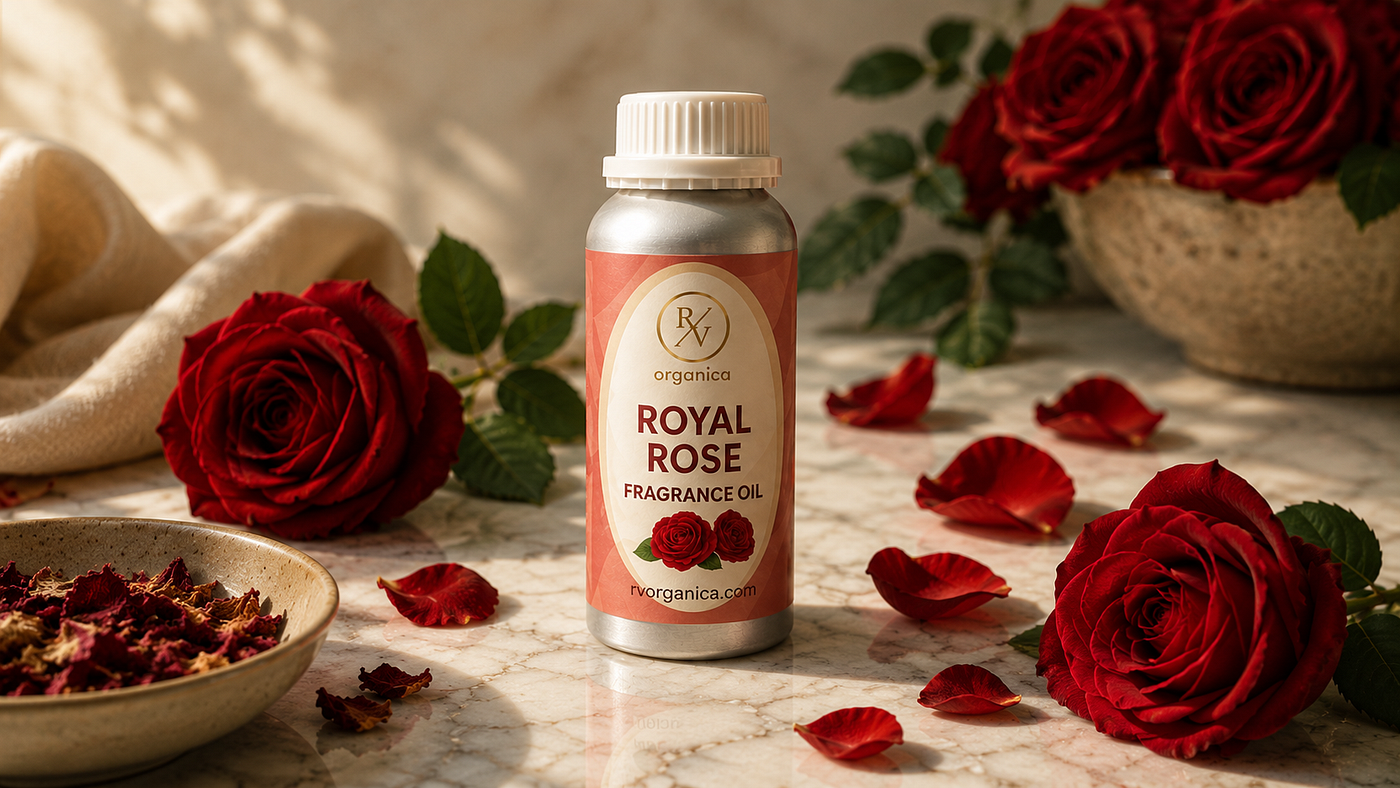
If your brand is the natural or wellness kind, there are fragrance oil blends that use essential oils as a base but stabilize them with fixatives so they actually survive pour temperatures. More expensive, yes, but they exist and they work better than 100% essential oils in a candle. Worth it for the positioning. One thing I’ve genuinely noticed shopping around Indian fragrance oil suppliers: the mogra, jasmine, rose, oud, sandalwood scents here are often really, really good. Not just because Indian buyers know those scents well, but because these suppliers often have access to actual raw material. A company making mogra fragrance oil in Kannauj or Mysore is working with real botanical inputs. Someone recreating “Nordic pine forest” here is doing it entirely from aroma chemicals. The quality gap is real. Indian candle makers have an actual advantage with these scents and I think a lot of us undersell it.
How Much Fragrance Oil Should Go In?
Between 6 and 10 percent of your wax weight. So if you’re pouring 500g of soy wax, that’s somewhere between 30g and 50g of fragrance oil. Weigh it on a kitchen scale -not teaspoons, not “a good glug”, a scale. Different oils have completely different densities and eyeballing just doesn’t work.
Here’s the thing I got completely backwards when I started: I thought more fragrance oil meant more scent. Poured 12%, 13%, thought I was being generous. What I was actually doing was overloading the wax past what it could bind. Soy wax has a limit. Go past it and the oil separates -sits on the surface as that slightly oily sheen you see on some candles, or pools in the bottom, or stays as free liquid that never really vaporises when you burn the candle. All that extra oil I was adding wasn’t giving me more throw. It was just… waste, and it was making my candles look bad.
8% is where I start with most soy wax candles now. Room to go up or down depending on how the test burn goes.
Flashpoint -Do I Really Need to Know This?
Short answer: yes, but it’s not complicated.
Every fragrance oil has a flashpoint -the temperature where its vapours can ignite near an open flame. For candle making you want oils with a flashpoint above 65°C. Most candle-grade fragrance oils sit somewhere between 70°C and 90°C, so you’re usually fine. The ones you need to be careful with are the outliers. Why this matters practically: when you’re mixing fragrance oil into melted wax, both should be around the same temperature -60 to 65°C is typical for soy. If your wax is still at 80°C and your oil’s flashpoint is 68°C, you’re volatilising the top notes right in the pot. The most interesting, delicate parts of the scent -the stuff you smell first -are gone before the candle’s even poured. Then you cure it, sniff it, it smells flat and dull. Not a wax problem. Just temperature. Any supplier worth buying from will give you the flashpoint without you having to ask twice. If someone is evasive about it or just doesn’t know -that tells you something about how seriously they’re running their operation.
What to Actually Check Before Buying Fragrance Oil Supplies
Safety data sheets -SDS documents -are the first thing I look for. They cover flashpoint, IFRA compliance (basically safety limits for fragrance ingredients), skin sensitisation, and how to handle the oil safely. Not having them isn’t just a red flag for safety, it means the supplier doesn’t have properly characterised products. They don’t actually know what they’re selling you. Samples. Always. I genuinely can’t stress this enough and I know I’m not the first person to say it, but so many people skip directly to buying 500g or a kilo because it feels more efficient. It’s not. I’ve had oils smell completely different in a 10ml sample versus a 500ml batch from the same supplier — different batch, slightly different formulation, whatever it was, the candles didn’t smell the same. A good supplier will happily sell you a small quantity first. If they won’t, that’s information. Look at how they describe their scents. Vague = bad sign. “Smells like jasmine” tells you nothing. A supplier who breaks down top notes, heart notes, base notes — who can tell you this opens green and dewy and dries down to white musk -actually understands what they’re selling. The descriptions sound nerdy but they’re useful when you’re trying to predict how a fragrance will behave across a 4-hour burn. DPG. Dipropylene glycol is a carrier that some suppliers use to dilute their fragrance oil. Completely fine in candles, but if the oil is 80% concentration rather than 100%, your fragrance load math is off. 8% of an 80% diluted oil is not the same as 8% of a pure oil. Ask upfront. Some suppliers will tell you without being asked, some won’t mention it unless you ask directly.
Testing Before You Pour a Full Batch
One rule I have. Broken it twice, regretted it both times, not breaking it again.
Never scale up to a full production batch from a new fragrance oil until you’ve burned one test candle all the way to the bottom.
Just one. 8% load, standard pour, cure it for at least 48 hours because soy wax cold throw literally changes over the first two days. Smell it unlit. Light it, wait for the melt pool to reach the jar edges — first full burn. Smell it burning. Snuff it. Second burn. Third burn. Some problems with fragrance oil supplies don’t appear until the third burn or the bottom quarter of the candle — wick drowning, mushrooming, scent going thin. I’ve had oils that smelled genuinely lovely for the first three burns and then the last bit of the candle was almost scentless. That’s a fragrance load distribution issue, and you only catch it if you actually finish the candle. Pour that full batch without knowing and you’ll find out when a customer tells you instead.
When Things Go Wrong During a Burn
Cold throw is great but the burning candle barely smells — nine times out of ten this is a wick problem, not a fragrance oil problem. Your melt pool isn’t getting hot enough to vaporise the fragrance. Try going up one wick size.
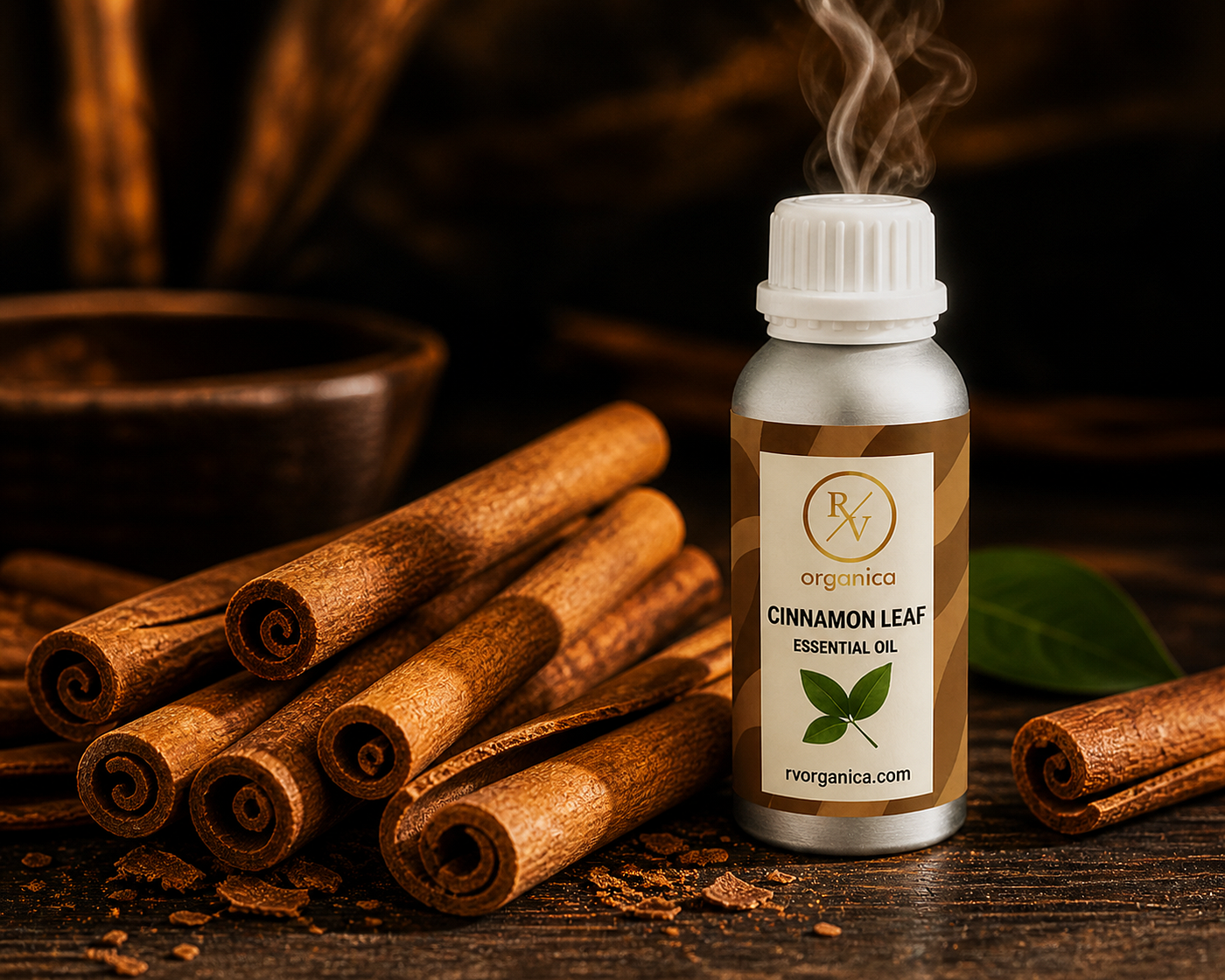
Oily film on the wax, or the wax looks “sweaty” a day or two after pouring — you’ve pushed past binding capacity. Come down 1–2% on fragrance load. Also check whether your wax was hot enough when you added the oil — adding fragrance to wax that’s already cooled too much prevents proper binding and the oil separates over time. Candle smells sharp or almost headache-y when burning -that’s usually a heavy synthetic top note flashing off too fast. Look for a fragrance with more base notes in the blend -musks, woods, resins -things with bigger molecular structures that release slowly and stay rounded. Wax going yellow or brownish after you add the oil -vanilla and cinnamon-forward oils do this. Normal chemistry. Doesn’t mean the oil is bad or your batch is ruined.
Climate. Because India Is Not the UK.
Every candle tutorial I’ve ever found online was written for someone working in a 20°C room with moderate humidity year-round. Most Indian candle makers are not working in those conditions. And it genuinely changes what numbers work. If you’re in Mumbai, Chennai, Kolkata -humidity for much of the year is intense. Soy wax in high humidity is more likely to sweat, frost, and struggle to bind fragrance properly. Keeping fragrance load at 6–7% rather than pushing toward 9–10% tends to give better results in coastal cities during monsoon months. Delhi in winter means cold, dry air and a workspace that can get genuinely cold overnight. Wax cools faster in those conditions, which is actually helpful for fragrance binding in soy -but it increases the chance of sinkholes and uneven tops. Slightly higher pour temperature helps.
Summer across most of India means workspaces anywhere from 32–38°C. Wax cools very slowly. Finished candles sitting in a car, a warehouse, or a shop without AC can partially melt. Fragrance oils that aren’t well-bound to the wax will separate. Heat stability becomes much more than a technical spec on a data sheet -it’s a real practical concern if you’re making candles to sell between March and June.
Quick Answers
Can I use candle fragrance oil in paraffin wax? Yes, and honestly paraffin is easier to work with than soy for fragrance. It binds better, handles higher loads, produces stronger hot throw. The move away from paraffin in India’s premium candle scene is mostly a marketing decision -from a pure performance standpoint, it’s hard to argue with. Is there a difference between candle fragrance oil and soap fragrance oil? Yes, and it matters. Soap oils are built for cold-process conditions. In a burning candle they behave differently -not dangerous, but usually disappointing in terms of scent throw. How long do fragrance oil supplies last? 12 to 24 months if you store them properly -sealed, away from direct light and heat. The top notes degrade first. When an oil smells flatter than when you bought it, or slightly off, it’s probably past its best. What scents sell best for candles in India? Jasmine, mogra, rose, sandalwood, oud, vanilla -reliable across most markets. Cleaner scents like white tea, ocean, and fresh linen are doing well in cities, especially in gifting. Citrus sells but evaporates faster than heavier scents when burned, so it usually needs a bit more fragrance load than you’d think.
To Finish
The candle makers building something real here in India — they’re not the ones with the most unusual ingredients or the most elaborate setups. They know their wax, they test before they scale, and they found a couple of suppliers they trust to be consistent. That last part matters more than most people talk about. Batch consistency. Your third order from a supplier should smell the same as your first. When it doesn’t, that’s on them — but you’re the one dealing with unhappy customers. Start with samples. Burn them properly. And if you want fragrance oil supplies sourced with Indian conditions actually in mind, check what RV Organica has at rvorganica.com/collections/candle-fragrances.
메타데이터
- post_id
- e8f0113892ec
- slug
- fragrance-oil-supplies-for-candle-making-in-india-what-i-learned-after-4-ruined-batches-e8f0113892ec
- url
- https://medium.com/@vinay_48861/fragrance-oil-supplies-for-candle-making-in-india-what-i-learned-after-4-ruined-batches-e8f0113892ec
- canonical_url
- https://medium.com/@vinay_48861/fragrance-oil-supplies-for-candle-making-in-india-what-i-learned-after-4-ruined-batches-e8f0113892ec
- author_url
- https://medium.com/@vinay_48861
- status
- ok
- fetched_at
- 2026-06-09 15:37:30