Why Wildlife Abandons Yellowstone? The Silent Exodus!
Yellowstone National Park, a crown jewel of America’s natural heritage, has long been a sanctuary for bison, wolves, elk, bears, and…
Why Wildlife Abandons Yellowstone? The Silent Exodus!
[embed]Yellowstone National Park, once seen as a haven for thriving wildlife, is now witnessing a quiet but alarming shift — animals are leaving. From climate change and shrinking food sources to human encroachment and shifting predator-prey dynamics, a silent exodus is reshaping the park’s ecosystems. The question is no longer just why they are leaving, but what this means for the future of one of the world’s most iconic wilderness areas.
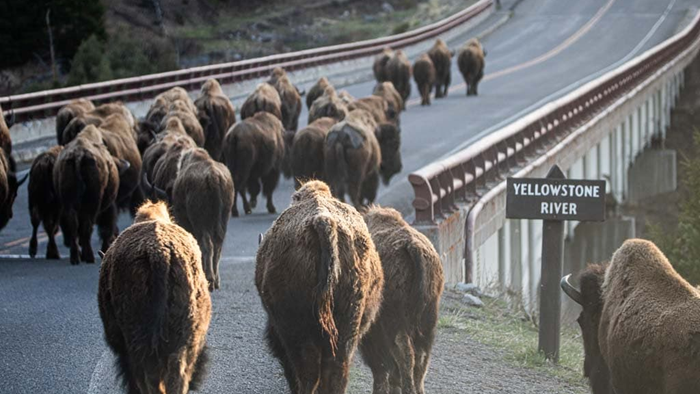
Yellowstone National Park, a crown jewel of America’s natural heritage, has long been a sanctuary for bison, wolves, elk, bears, and countless other species. For decades, it has symbolized the wild heart of North America — a place where ecosystems thrive and wildlife roams free. Yet, in recent years, a concerning trend has emerged: many species are quietly leaving Yellowstone. This silent exodus raises urgent questions about the future of the park and the forces driving wildlife away.
The Hidden Truths Behind the Departure
1. Climate Change Reshaping the Park
Rising temperatures and shifting precipitation patterns are altering Yellowstone’s delicate balance. Hotter summers reduce water availability in rivers and streams, threatening fish populations and shrinking grazing pastures. Species like elk and pronghorn are moving to higher elevations or beyond park boundaries in search of cooler, more stable habitats.
2. Human Encroachment and Development
Although Yellowstone itself is protected, the lands surrounding it are increasingly pressured by human activity. Expanding towns, highways, and recreational areas create barriers that fragment migration corridors. Animals that once roamed freely between seasonal ranges now face dangerous roads, fences, and shrinking safe zones.
3. Predator-Prey Imbalances
The reintroduction of wolves in the 1990s restored balance to Yellowstone’s ecosystem, but ripple effects continue to shift wildlife behavior. Elk herds, once abundant in certain valleys, have adapted by dispersing to less wolf-dominated areas — even if that means leaving the park altogether. This natural adjustment, while ecologically valuable, contributes to the perception of wildlife “disappearing” from Yellowstone’s iconic landscapes.
4. Tourism Pressure
Yellowstone welcomes millions of visitors each year. While eco-tourism funds conservation, it also brings noise, traffic, and disturbance. Popular wildlife viewing spots can overwhelm sensitive animals, nudging them toward quieter, less accessible territories outside the park.
5. Changing Food Sources
Shifts in vegetation — driven by invasive species, altered fire cycles, and climate stress — impact what animals can eat. Bears, for example, rely on whitebark pine seeds as a crucial food source, yet these trees are declining due to pests and warming conditions. The loss of such keystone resources forces species to adapt or relocate.
A Warning Sign for Conservation
The departure of wildlife from Yellowstone is not just a local concern — it’s a global warning. Protected areas cannot exist as isolated islands; they must be connected to broader landscapes through migration corridors and cooperative conservation strategies. Without this, even the most iconic sanctuaries risk losing the very wildlife they were created to protect.
What Can Be Done?
- Strengthen wildlife corridors to ensure safe passage beyond park boundaries.
- Tackle climate change by supporting carbon reduction and ecosystem resilience efforts.
- Promote responsible tourism that minimizes stress on animals.
- Support research and monitoring to track species movement and understand emerging threats.
The Future of Yellowstone’s Wildlife
Yellowstone will always be a symbol of wilderness, but its survival depends on recognizing that ecosystems do not stop at park borders. The silent exodus of animals is a call to action: to rethink conservation as a connected, adaptive process in a rapidly changing world.
If we heed this warning, Yellowstone can continue to thrive — not just as a park, but as the beating heart of a living, breathing ecosystem that stretches far beyond its borders.
메타데이터
- post_id
- e8f564ef8aae
- slug
- why-wildlife-abandons-yellowstone-the-silent-exodus-e8f564ef8aae
- url
- https://medium.com/@statuslink/why-wildlife-abandons-yellowstone-the-silent-exodus-e8f564ef8aae
- canonical_url
- https://medium.com/@statuslink/why-wildlife-abandons-yellowstone-the-silent-exodus-e8f564ef8aae
- author_url
- https://medium.com/@statuslink
- status
- ok
- fetched_at
- 2026-07-07 07:40:38