Philip Sultana — Judge Interview
Our second judge for the MCOI 2024 Annual is the brilliant Illustrator/designer/artist, Philip Sultana. You will surely have seen Philip’s…
Philip Sultana — Judge Interview
Our second judge for the MCOI 2024 Annual is the brilliant Illustrator/designer/artist, Philip Sultana. You will surely have seen Philip’s work around, particularly his recent illustrative work for Earth Garden Festival and his beautiful long-standing creative collaborations with Luke Azzopardi Studio.
We have been following Philip’s work for a while and in fact we’ve already pestered him for an interview to explore his style, his design journey and to get his insights on the Maltese illustration scene. If you want to do a bit more digging on Philip Sultana, we therefore suggest you also read out first interview with him right here.
Philip Sultana is a self-taught, multi-disciplinary Gozitan digital artist and graphic designer who has been based in Malta since 2007.
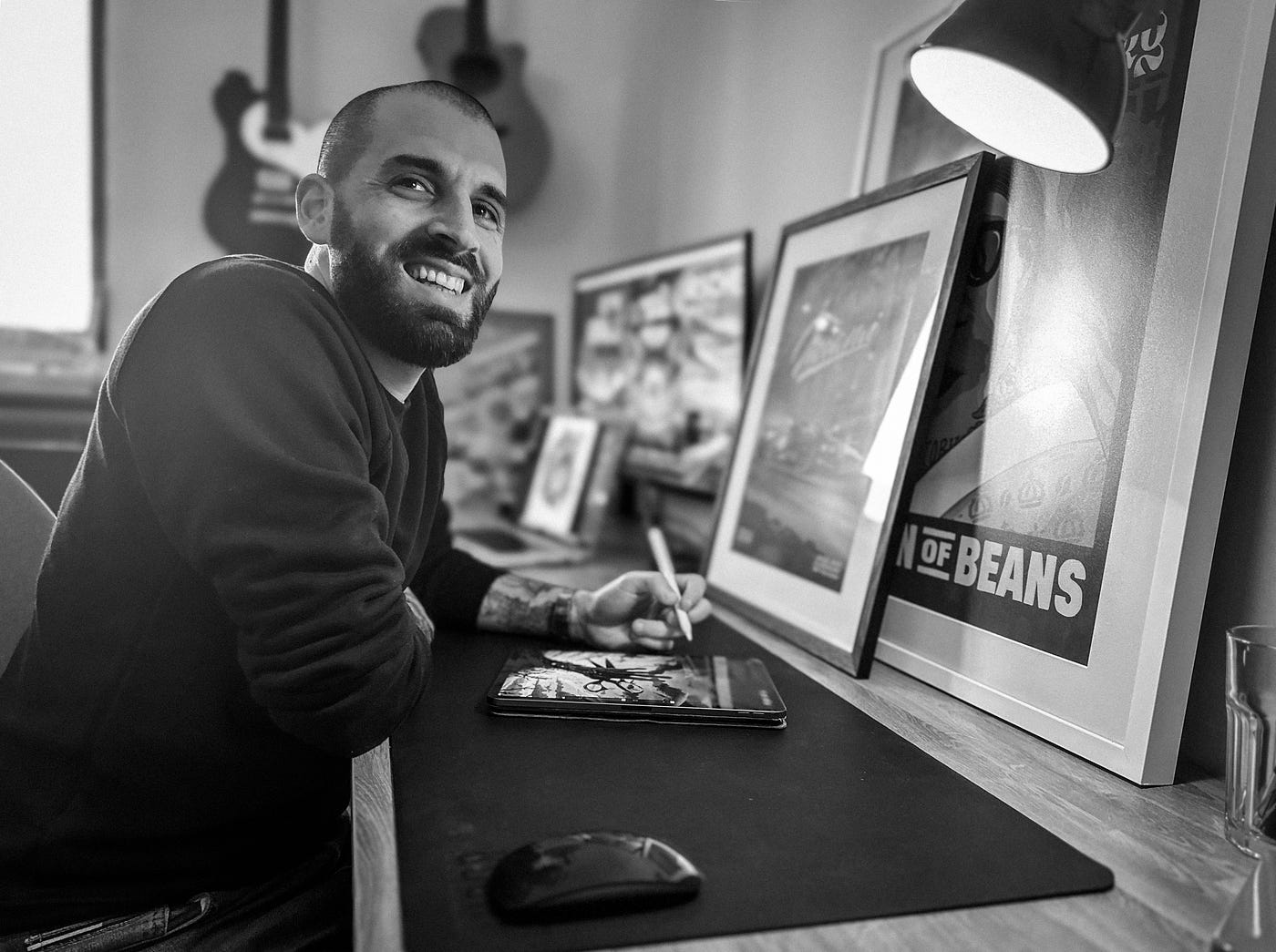
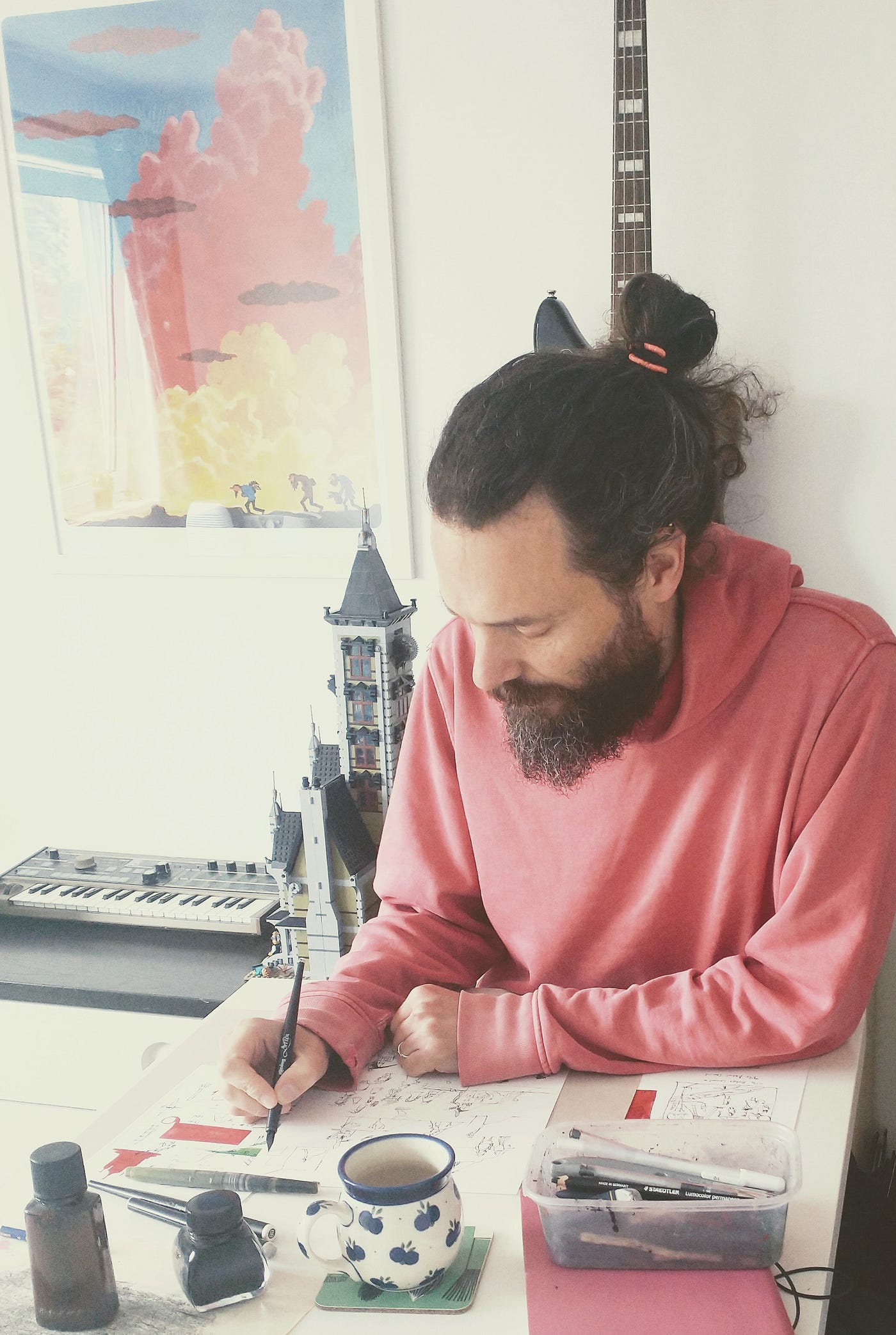
photo provided by artist
After freelancing for a period, Philip joined BRND WGN in 2014, where he eventually rose to the position of Head of Creative before departing for Evolution in 2022. He now heads the design and UX/UI department at PressEnter Group. Over the years, Philip has worked on several illustration projects that have garnered attention on an international level, including his Star Wars illustrated series and his runner-up car livery design for the Red Bull F1 team.
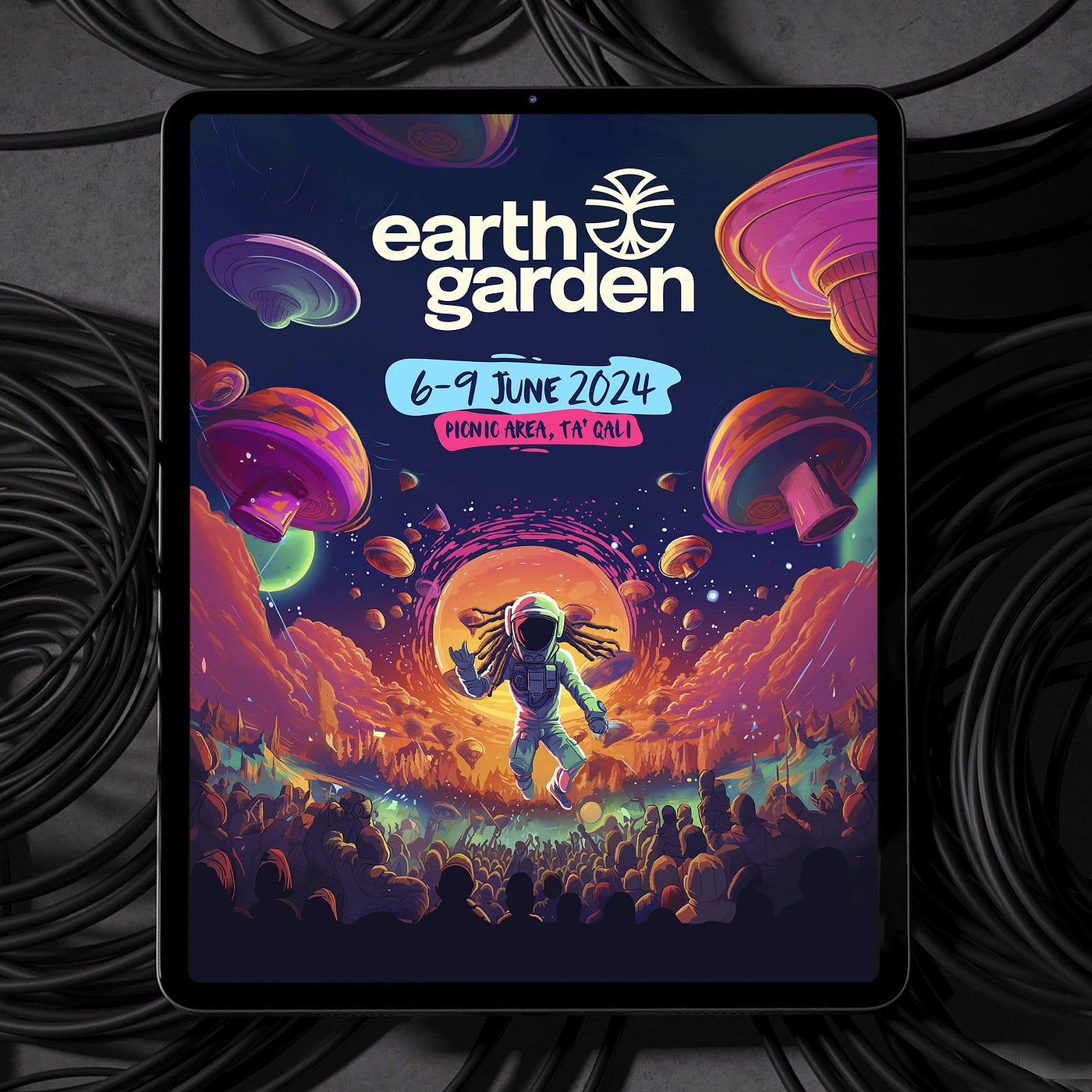
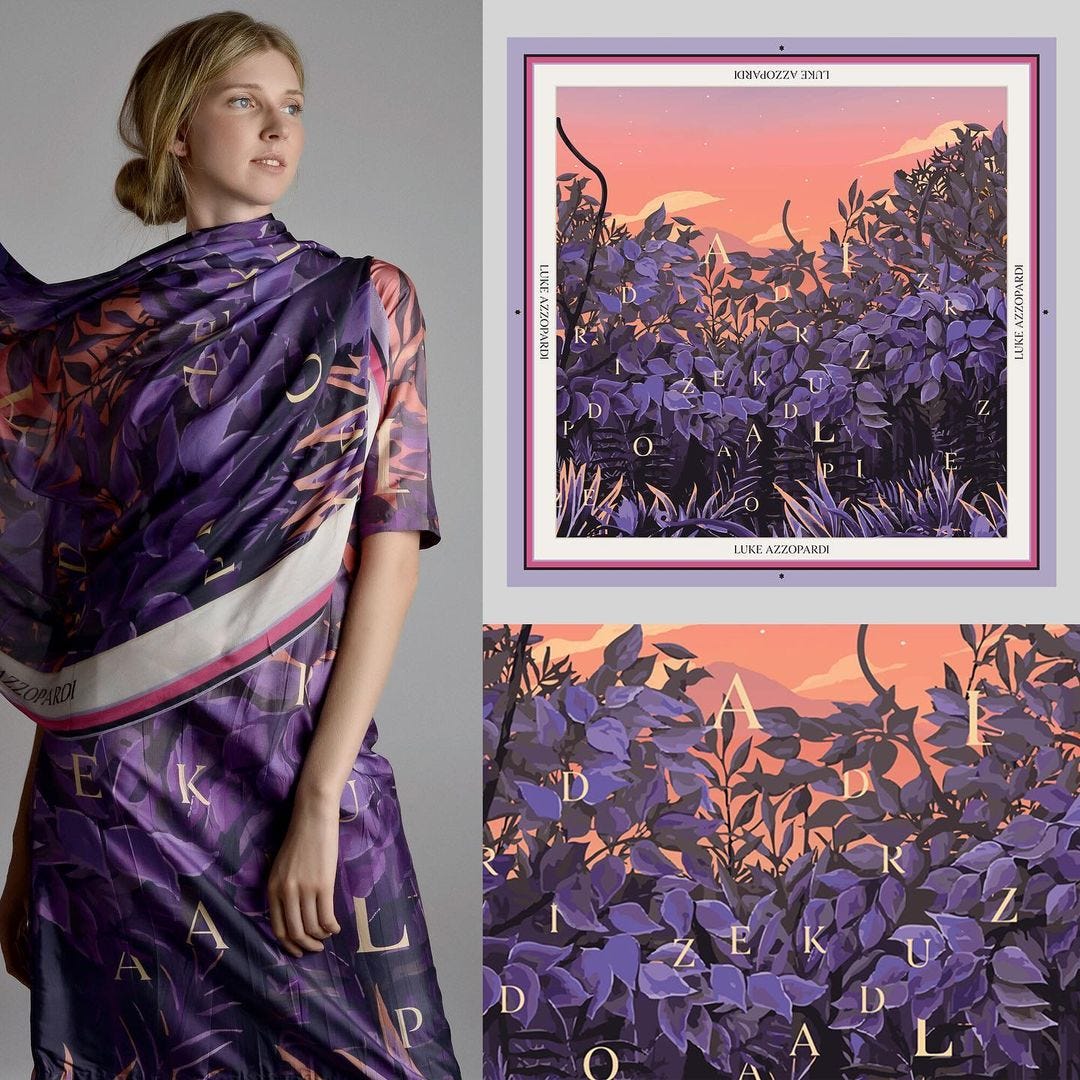
Philip Sultana’s work for Earth Garden Festival 2024 (left) and one of his collaborations with Luke Azzopardi (right)
Can you tell us about some of your favourite illustrators? What makes their work stand out to you?
Since I practically discovered illustration through my fellow graphic designer colleagues, my first attempts felt more like graphic design than drawings, for lack of a better terminology. I recall being inspired by the work of American duo Dan Kuhlken and Nathan Goldman from DKNG Studios. Even though their work was complex, I could easily break it down into basic shapes and see how one could reconstruct it in Adobe Illustrator.
Their style and techniques felt intuitive and something that I could recreate. Then, I came across Jon Contino, whom I found very inspiring because he showed how one could delve into the medium without a conventionally trained hand. I learned that there’s beauty in imperfection and quirks, and that’s where I started appreciating the humanistic side of illustration.
Fast forward a couple of years of experimenting and trying to find my own style, I encountered a wide range of works that drew me in. From Brian Miller to Shepard Fairey, and more recently Tracie Ching, whom I discovered through a book called ‘Bad Dads’ that my wife gave me on my first Father’s Day. The book features illustrations of Wes Anderson’s characters done by various artists. I find her work incredibly intricate, both systematic and free of structure at the same time.

Jon Contino (left) via the artist’s Instagram Page. Brian Miller (right) via the artist’s Instagram Page.
I’m also a lover of all things pop culture, and ButcherBilly is an illustrator who deserves a mention when discussing pop culture and illustration. I particularly enjoy the graphic design aspect of his work: the typographic choices, colours, layouts, hierarchy, and the easter eggs he weaves into his work.
Locally, there’s a fantastic pool of illustrators, and I can’t wait to see their submissions. However, I’m even more excited to discover new ones whom I haven’t encountered yet.
Here is the complete list of illustrators mentioned by Philip in case one wants to explore further!
DKNG — https://www.instagram.com/dkngstudios/ Jon Contino — https://www.instagram.com/joncontino/ Brian Miller — https://www.instagram.com/bemocs Shepard Fairey — https://www.instagram.com/obeygiant/ Tracie Ching — https://www.instagram.com/tracieching/ Butcher Billy — https://www.instagram.com/thebutcherbilly/
Are there any specific themes or subject matters that you would like to see explored through the illustrations in this year’s Annual?
Not particularly. I’m excited to see how local illustrators have progressed. I recently looked through the previous editions of the annual and enjoyed seeing how certain artists have developed over time. Some focused on refining their style, while others experimented with new approaches. Having gone through similar phases myself, I’m interested in spotting these changes in others’ work.
Illustration is all about storytelling for me. I’m drawn to pieces that tell a story and leave a lasting impact. So, what I’m looking forward to are illustrations that explore, express ideas, or even better, ask questions rather than just being decorative.
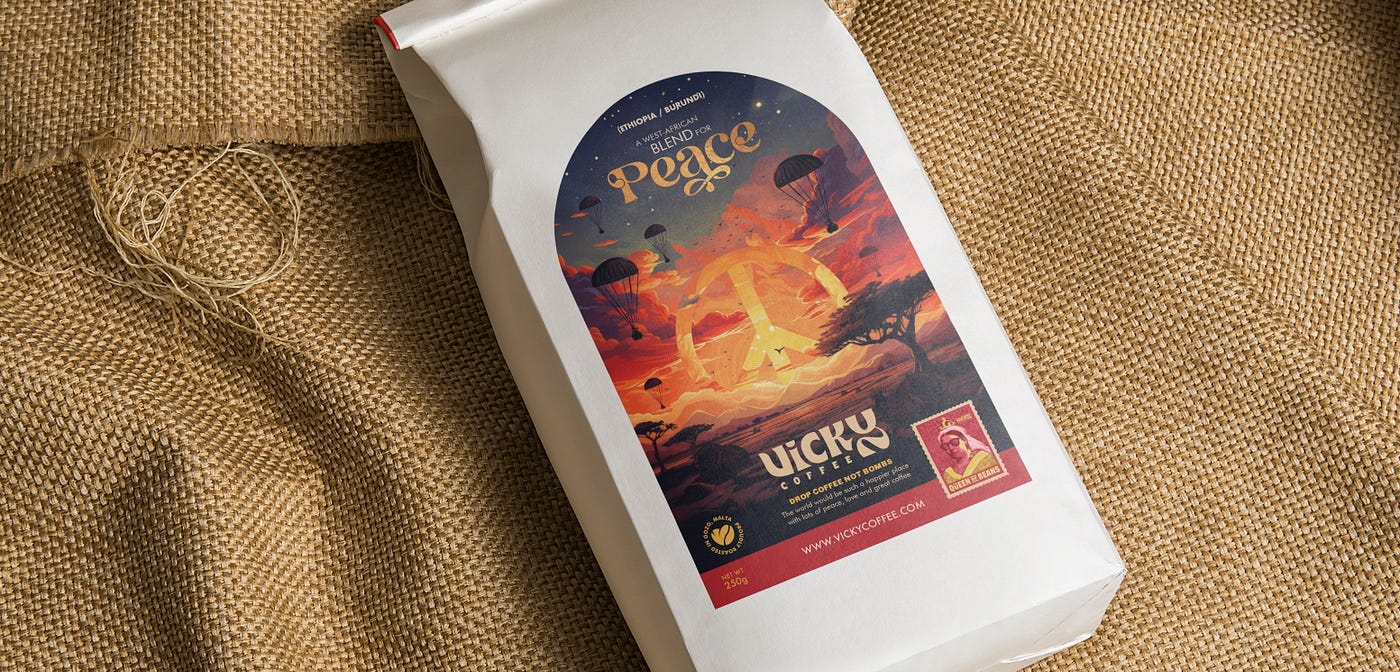
Vicky Peace Blend artwork/design by Philip Sultana
If you had to mentor an illustrator who was just starting out, what advice would you give them?
Take your time to explore, recreate, reimagine, and retell. Recreating other people’s work could be a great training exercise. Then slowly start applying those learnings to your own work. In your initial months, don’t set strict expectations or limitations. Also, delve into related areas like typography and editorial/layout design. I’ve come across impressive illustrations that were undermined by poor typography choices or placement. Patience is key; no one becomes a master overnight.
If you find that your desire for perfection is getting in the way of actually finishing off a piece, remember that sometimes getting it done is better than perfection.
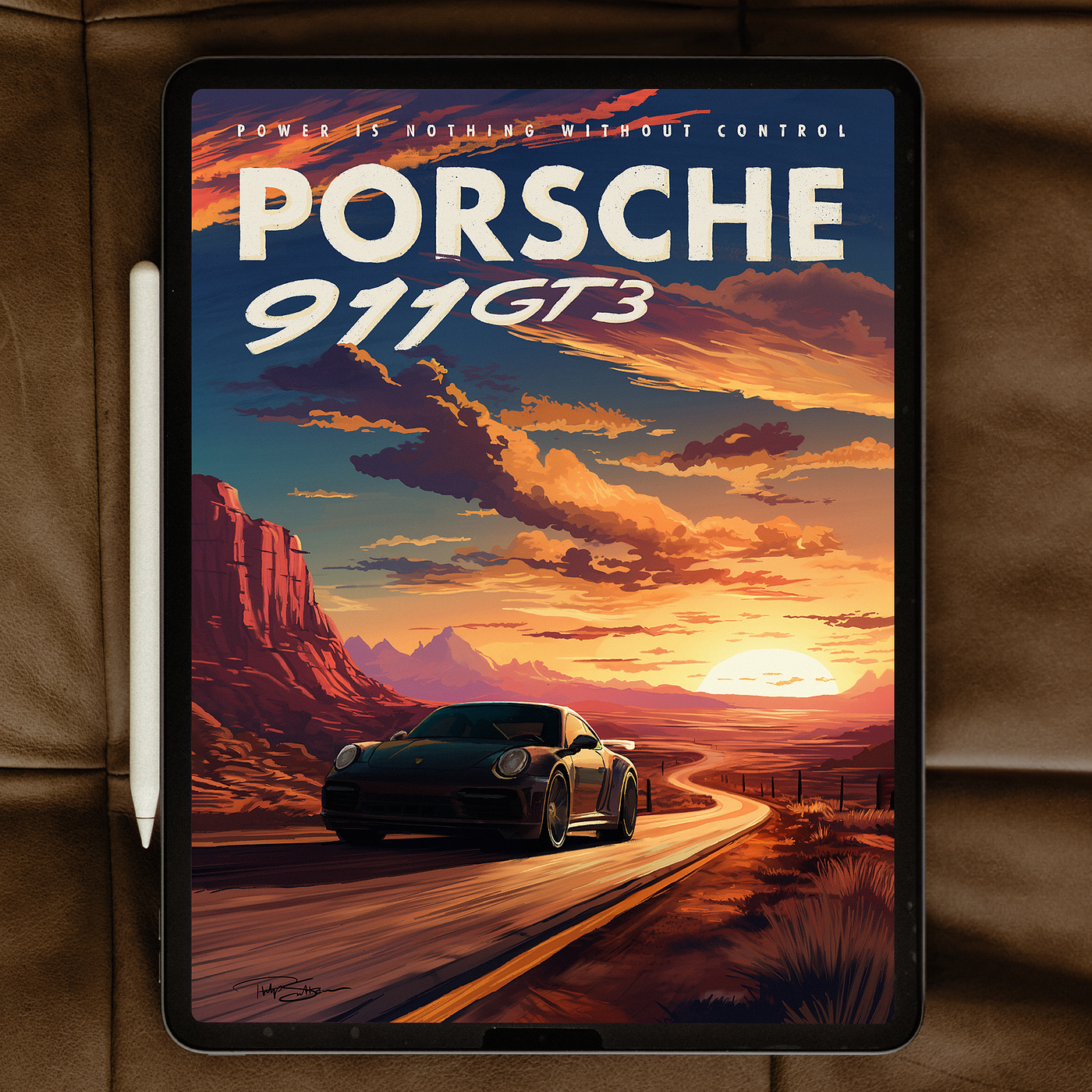
Porche 911 GT3 Artwork by Philip Sultana
What do you hope the participants will gain from submitting to the Annual, regardless of whether they are selected or not? And how do you feel being published in the MCOI Annual can help an illustrator in the long run?
If someone struggles with self-initiated projects, having the annual as an excuse to force yourself to find the time can obviously help, regardless of whether their work is selected. Ultimately, illustration and personal growth should be something one should enjoy doing, irrespective of having an audience or not. Personally I think that’s the healthiest way of looking at it.
Then there are the obvious long-term benefits if one is published in the MCOI Annual. Being published brings the opportunity to gain exposure and potentially catch the attention of agencies and prospective clients. It provides credibility and visibility within the creative community, potentially leading to more opportunities for collaboration and commissioned work. It also serves as a valuable tool for personal growth, allowing artists to track their progress over the years.
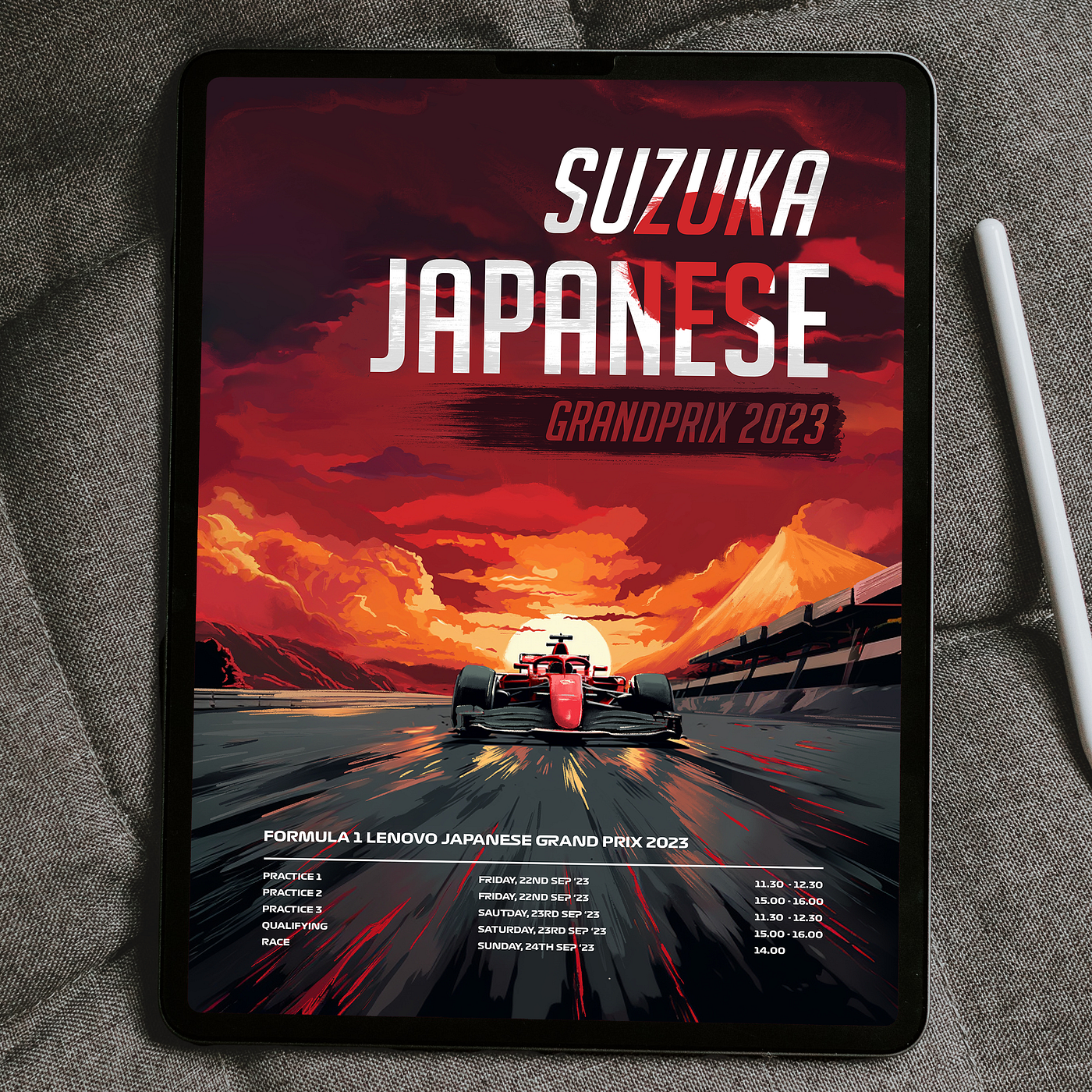
F1 Suzuka Poster by Philip Sultana
I have personally submitted work for the Annual in the past because it also serves as a documentation of the current creative scene, offering valuable insights and inspiration for future generations of artists and creatives. Contributing to this documentation ensures that the Maltese creative scene is preserved and celebrated for years to come.
Are you a Maltese illustrator or a non-Maltese illustrator who is based in Malta? We are documenting the best Maltese illustration year after year! Submit your work here.
메타데이터
- post_id
- e9051b0c8ac9
- slug
- philip-sultana-judge-interview-e9051b0c8ac9
- url
- https://medium.com/@maltaillustrators/philip-sultana-judge-interview-e9051b0c8ac9
- canonical_url
- https://medium.com/@maltaillustrators/philip-sultana-judge-interview-e9051b0c8ac9
- author_url
- https://medium.com/@maltaillustrators
- status
- ok
- fetched_at
- 2026-06-26 03:39:16