Acoustic Nest Delivers Advanced Soundproof Panel Solutions for Peaceful Interiors
Another one of the highly overlooked aspects during the design phase of interior environments is sound. Blocked by distracting untoward…
Acoustic Nest Delivers Advanced Soundproof Panel Solutions for Peaceful Interiors
Another one of the highly overlooked aspects during the design phase of interior environments is sound. Blocked by distracting untoward noise, comfort, concentration, serenity, and tranquility could be in some way obstructed-or welcomed depending upon the interior settings-an office, a recording studio, a classroom, or a home. Soundproof panels are often mistaken as only decorative. On the contrary, they are truly crucial for blocking unwanted noise and provide for a properly balanced acoustical environment in which people can enjoy.
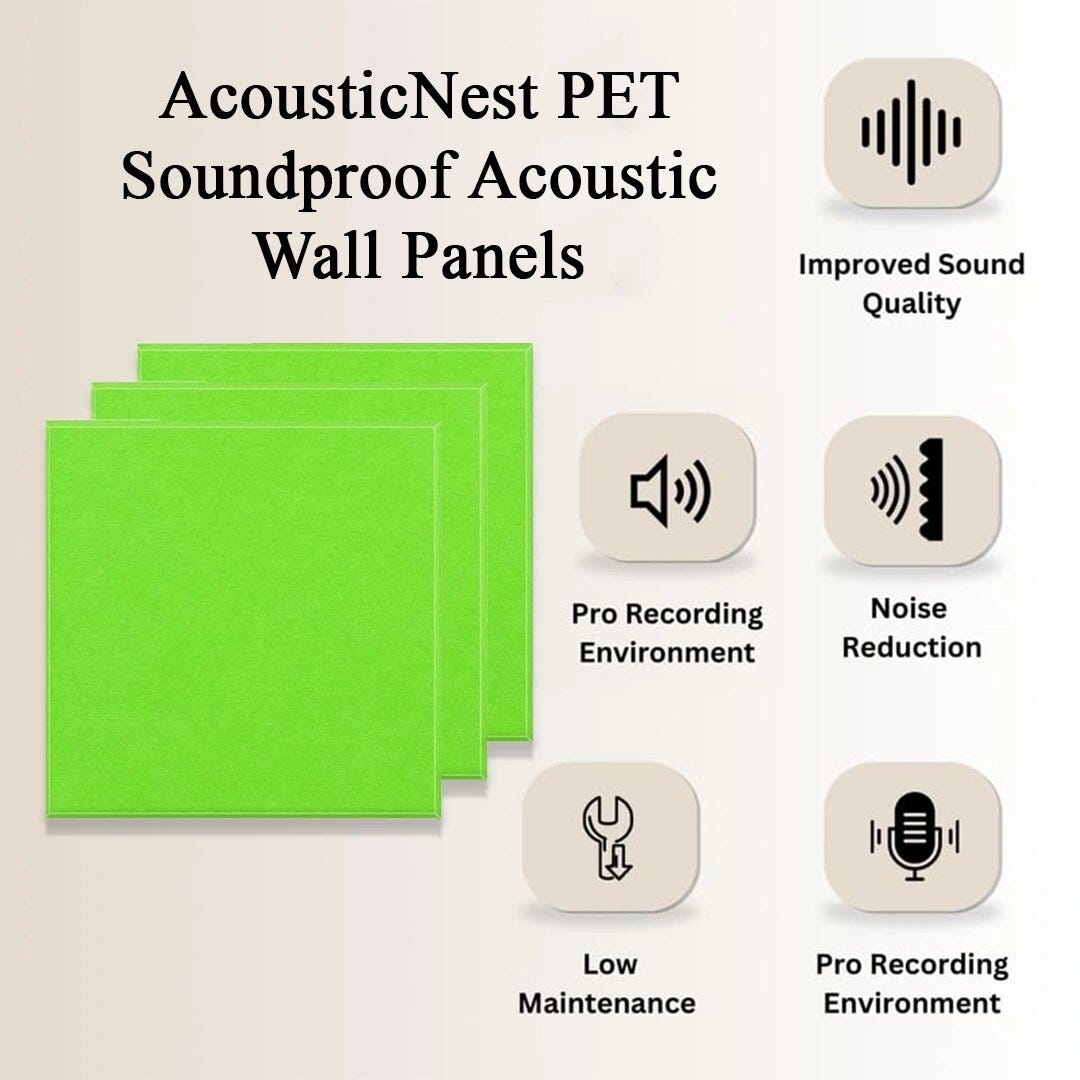
Soundproofing panels can be designed to absorb sound, block sound, or disperse it. When such panels are mounted on the walls or ceilings, they absorb or break disturbances, reduce reverb, and prevent sound transmission from one space to another-a very useful sound control measure, especially in areas where communication, concentration, or peace is paramount. Offices use them to control noise in open workspace areas; studios require them for clean audio; schools and hospitals need them for clarity and calm.
It is indeed the composition that determines whether a soundproof panel will be effective. Acoustic foam, fiberglass, mineral wool, and fabric-wrapped composites are most commonly used. These materials trap sound waves and cause friction, transforming these waves into minute amounts of heat, keeping these waves from bouncing back into the room. Premium-grade soundproofing panels differ from sound-trapping panels in that they are fabricated with particular densities and thicknesses to target particular frequency ranges, thus treating both high-pitched and low-end noises effectively.
The world often remains confused regarding soundproofing versus sound absorption. Soundproofing is about blocking sound from coming into or leaving a space, whereas sound absorption tries to improve the interior acoustics of a room by reducing echo and reflected sound. Soundproof panels can be applied for either of the two or both, depending on construction. Some have been purposely designed with dense cores for transmission stoppage, while others use a lightweight and porous design to soak up internal reflections and tidy up a room’s acoustics.
In the working environment, soundproof panels are now considered a necessity. Open-plan offices, while ideal for efficiency and collaboration, have the classic problem: noise. Now that there are no walls, conversations, phone calls, and even typing sounds travel freely in the air, making it hard for everyone to focus. With installations of soundproof panels on walls, ceilings, or even in the form of desk dividers, it is possible to bring down ambient noise levels and offer a better working environment for all.
At educational establishments, clear communication is vital. Echo and background noise can seriously hamper speech intelligibility, particularly in classrooms, lecture halls, and training centers. Soundproof panels minimize reverberation and enable students to hear clearly, either from a teacher’s voice or an instructional video. This improves educational performance and reduces the mental strain caused by working hard to listen in noisy areas.
Studios of any kind require the total control of sound from classical music to podcasts and to video production. In other words, acoustic accuracy is what counts, where outside noises are kept from entering and internal reflections are minimized to color the sound for which it has been recorded. The panels in such places are often set up in a pattern to absorb particular frequencies and present a flat, natural acoustic profile for critical listening and recording.
Soundproof panels in healthcare facilities hold the same importance. Hospitals and clinics need calmness to keep patients sleeping and to ensure effective communication among medical professionals. Using sound-absorbing panels in waiting rooms, patient areas, and consultation rooms reduces stress, preserves confidentiality, and improves experience for patients and professionals alike.
One of the best benefits of soundproof panels is their adaptability. They come in all sizes, shapes, and designs, making them suitable for any interior. The wall-mounted variety is the most popular, but ceiling baffles, clouds, and freestanding screens also go into regular use. Usually, these panels serve double duty as design elements. They can have custom graphics printed on them, be wrapped with vibrant fabrics, or be sculpted into patterns that create texture and interest in a room.
Installation is typically straightforward and non-invasive. Most soundproof panels can be put in place using adhesives, mounting brackets, or even magnetic systems. Hence, they are well-suited for any retrofitting operation on existing spaces without the intervention of large-scale renovations. They can be repositioned or entirely removed with even minimal effort, giving flexibility if one’s room layout changes or needs change with it.
Sustainability has long been brought into focus in acoustic design. Many soundproof panels are made using recycled or recyclable materials, low-emission adhesive, and environmentally friendly fabric. This is in step with green building practices that help organizations meet environmental requirements without compromising acoustic functioning.
Depending on the acoustic needs of different spaces, variations can occur in the choice of soundproof panels. An office may need broad coverage for general noise reduction, while a recording studio requires much more targeted treatment for controlling bass frequencies or flutter echoes. Once the actual type of use, shape, and size of the room are addressed, the choice of material, method of mounting, and thickness for all panels can be determined.
There are cases when acoustic testing and consultation can be a wise decision. Acoustic consultants measure the behavior of sound in a given room by using something called RT60, which is basically reverberation time, and an NRC, or Noise Reduction Coefficient. Where NRC-rated panels are the highest, their sound absorption properties would work well in rooms with too much reverberation.
Guided by trusted design experts, acoustic design has grown core to architecture and interior planning. That’s where the expertise from Acoustic Nest becomes pivotal. We specialize in premium soundproof panel solutions, optimizing the performance/visual appeal equation. The panels are designed with next-generation acoustic materials and offered in a myriad of customizable designs that suit any space, from corporate offices to creative studios or wellness-oriented centers.
What makes them different, in brief, is their commitment to good design and great engineering. They do not just sell panels; they provide solutions that enhance the way a space feels and works. The moment you opt for Acoustic Nest, you are investing in quieter interiors that nurture productivity, wellness, and clarity alike. Their panels are not mere sound control measures; they form an integral part of smart, human-centric design.
메타데이터
- post_id
- e90b9e3338ad
- slug
- acoustic-nest-delivers-advanced-soundproof-panel-solutions-for-peaceful-interiors-e90b9e3338ad
- url
- https://medium.com/@nainabisht9953/acoustic-nest-delivers-advanced-soundproof-panel-solutions-for-peaceful-interiors-e90b9e3338ad
- canonical_url
- https://medium.com/@nainabisht9953/acoustic-nest-delivers-advanced-soundproof-panel-solutions-for-peaceful-interiors-e90b9e3338ad
- author_url
- https://medium.com/@nainabisht9953
- status
- ok
- fetched_at
- 2026-06-24 18:57:25