A Simple Test to Predict How Long You’ll Live
It seems the secret to getting to a ripe old age isn’t cold showers and kale
A Simple Test to Predict How Long You’ll Live
It seems the secret to getting to a ripe old age isn’t cold showers and kale

Pexels
If someone told me that rattling off a bunch of farmyard animals quickly was linked to living longer, I’d assume they had spent too much time in the whisky tent at the Highland Show.
Yet scientific studies have shown that older people who can name a lot of animals quickly — dog, cat, horse, blue-crested tit warbler, chimpanzee — tend to live longer than those who stare at the ceiling after “dog” and have to ask what the question was, again.
Surprisingly, the difference was not insignificant. The researchers estimated a nine-year variation between high- and low-fluency groups.
It forced me to think of all the animals I knew — Komodo dragon, box jellyfish, nematode, bumblebee — sending my mind off at a tangent for twenty minutes wondering if poisonous lizards and stingy things counted as animals.
I’m a sucker for this type of research.
A few years ago, I discovered how long you can stand on one leg predicts how long you will live, and I’ve been practising falling over while brushing my teeth ever since.
It made sense to me. We exercise less as we age, and as we stagnate, our balance worsens, making us more prone to falls. Good balance allows us to move confidently, whether we’re crossing Niagara Falls on a wire or going for a pee during the adverts.
This new research followed adults aged between 70 and 103 and tested their cognitive abilities: memory, vocabulary, perceptual speed and general intelligence. The one ability that stood out was verbal fluency — the knack of producing words quickly from a familiar category, such as animals or malt whiskies (maybe that’s just familiar to me).
Your survival chances, it seems, are not down to your ability to rattle off Newton's laws of motion or Pythagoras' theorem — it’s more to do with how quickly your mind can zoom through a zoo.
I was happy to note that forgetting what that big bird with its head in the sand is called doesn’t mean I should be getting measured for a wooden suit. They merely found a strong link between verbal dexterity and longevity.
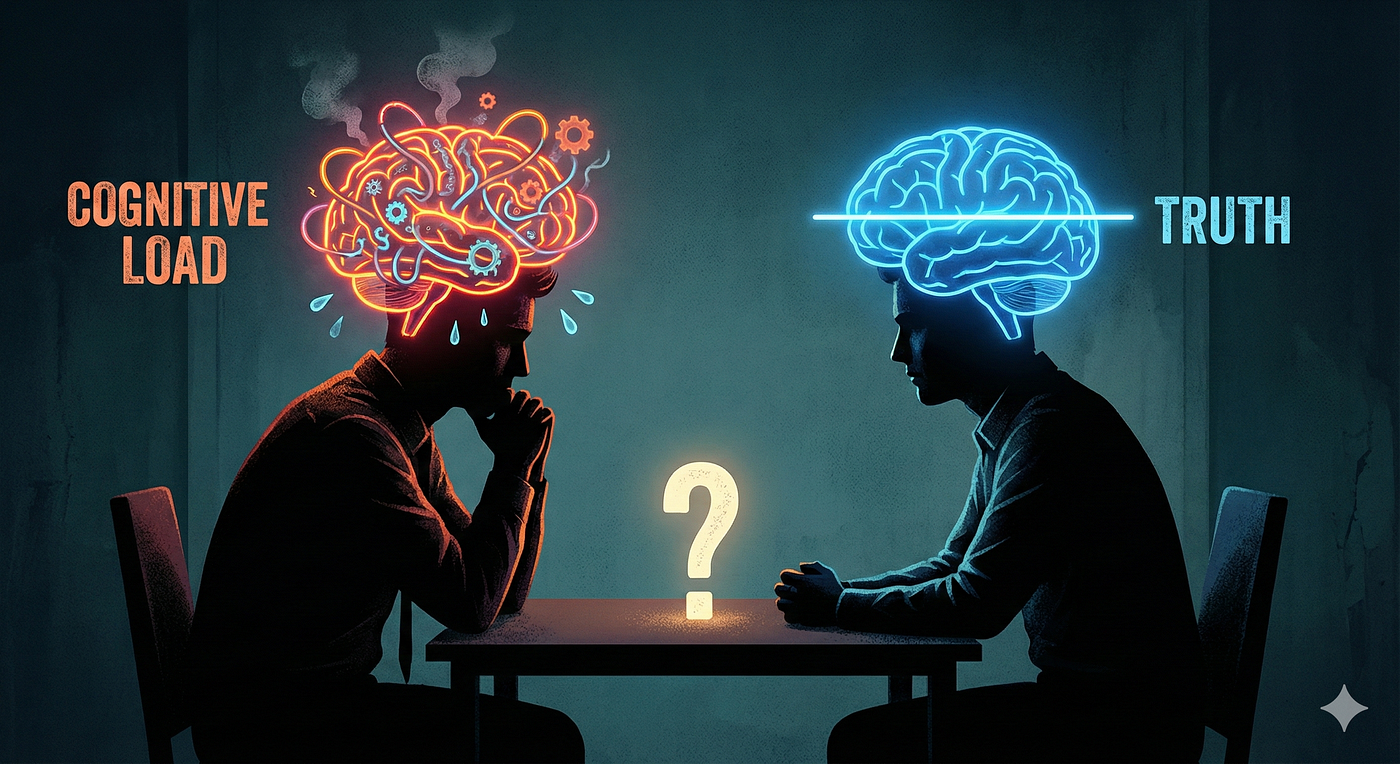
The task draws on memory, attention, vocabulary and the brain’s capacity to deliver information via the tongue, making it a good indicator of overall brain health. Recall tasks like this are particularly sensitive to mild cognitive impairment, dementia progression, and Parkinson’s disease. Poor performance in this simple test could indicate age-related disease.
Naturally, I tried the test on myself.
I set my phone to a one-minute countdown and named as many animals as I could, marking a sheet of paper for each one voiced.
“Tamarind, elk, platypus…” Wait. Is tamarind an animal or a fruit?
Turns out it is a bean.
Five minutes later, I discover there is a squirrel-sized monkey called a tamarin. You can Google an image of them — they are really cute. Some have big white moustaches and stick out their tongue for photographs — a trait my wife denies having.
I set the timer again:
“Dog, spider, fly, bird, cat, goat, there was an old lady who swallowed a horse…”
I thought I’d be good at this. I do puzzles every day: Wordle, Connections, Sudoku, Scrabble, and on Saturdays I have a bash at The Times cryptic crossword. But, according to the scientists conducting the research, the most important thing isn’t how intelligent you are, it’s how quickly you can regurgitate words from the filing system in your brain.
Being easily distracted doesn’t bode well for me, it seems.
Of all the cognitive abilities the analysts put under the microscope, verbal fluency came out on top as a predictor for longevity.
Imagine a big library. A vocabulary test is like asking the librarian if the books are on the shelf. A fluency test asks the librarian to sprint through the library to the right sections, find the correct shelves, choose the exact books requested, then return to the desk with them.
It isn’t just knowledge that matters. It’s the speed of retrieval.
That makes sense to me. It’s like when I lose my glasses. Not only can’t I remember where I put them, but I can’t remember where I searched — often going back to the same place more than once.
Then I give up and go for a pee, and there they are on the cistern.
Try the test
Here is the exact challenge used in the study:
Set a timer for 90 seconds and name as many animals as you can.
No repeats. No variations of the same animal. ‘Dog,’ for example, will encompass all breeds from Alsatian to Yorkshire Terrier.
I tried it a third time and was surprised how quickly I ran out. If you give it a go, let me know your score.
Please note the participants in the study were old and very old adults. If you are very young and can only list the same number of animals as your age, you aren’t going to pop your clogs in the next week.
I found it oddly reassuring that the test isn’t about being a genius or a whizz with words. It’s about staying curious and keeping the brain nimble enough to dart from dogs to dolphins to dung beetles without dribbling down my bib.
Okay, I still get distracted by beans pretending to be monkeys, but in another way that should count as exercise for the librarian upstairs.
메타데이터
- post_id
- e91574fa0cee
- slug
- a-simple-test-to-predict-how-long-youll-live-e91574fa0cee
- url
- https://medium.com/the-springboard/a-simple-test-to-predict-how-long-youll-live-e91574fa0cee
- canonical_url
- https://medium.com/the-springboard/a-simple-test-to-predict-how-long-youll-live-e91574fa0cee
- author_url
- https://medium.com/@malkymcewan
- status
- ok
- fetched_at
- 2026-08-16 01:40:05