Beginner’s Guide to Robotics: From Building to Programming
Robotics is no longer a futuristic concept — it’s a rapidly growing field shaping the world around us. From smart homes to self-driving…
Beginner’s Guide to Robotics: From Building to Programming
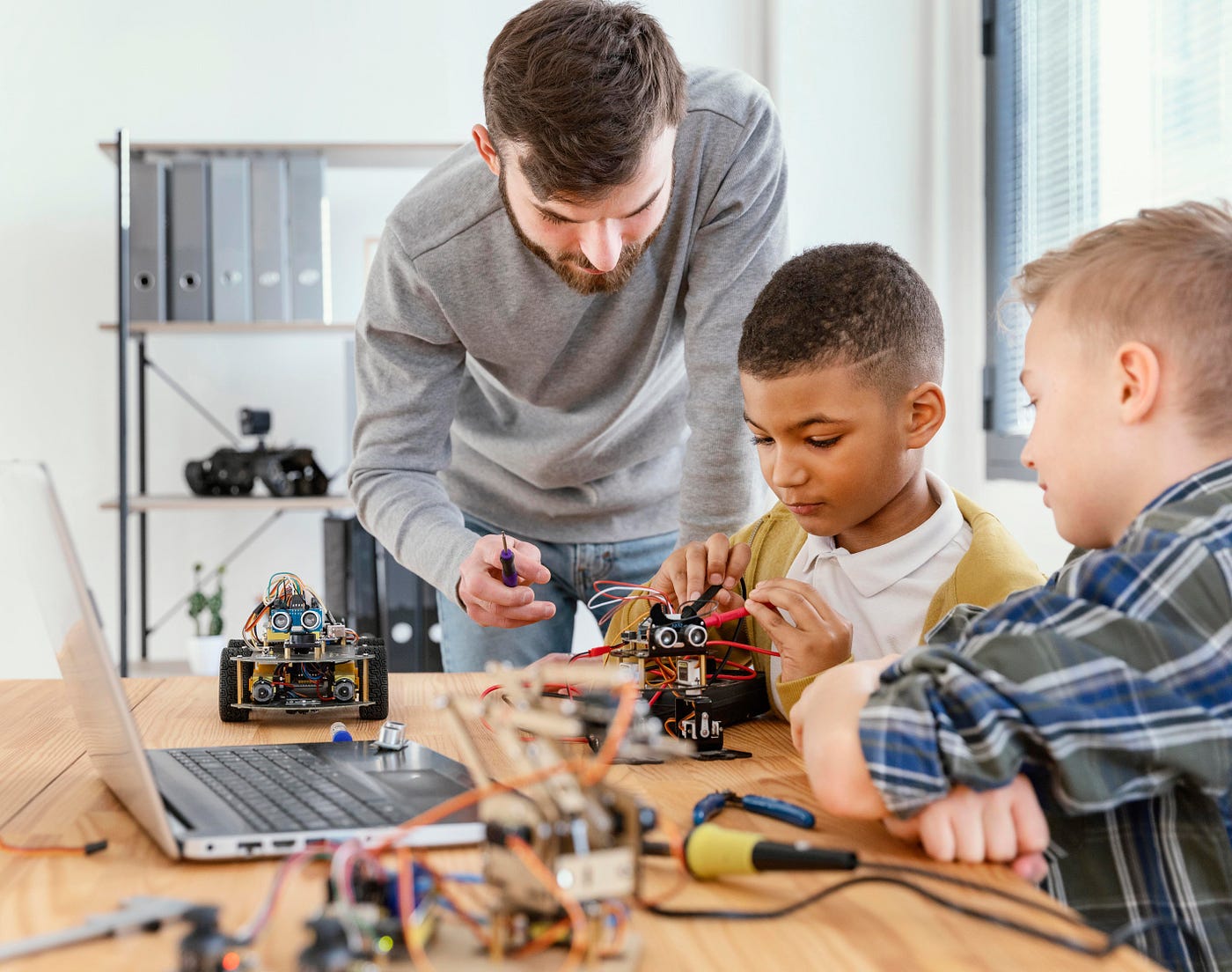
Robotics is no longer a futuristic concept — it’s a rapidly growing field shaping the world around us. From smart homes to self-driving cars, robots are everywhere. If you’re curious about getting started, this beginner-friendly guide will walk you through the basics of building and programming robots, and how to choose the right **robotics courses for beginners**.
What is Robotics?
Robotics is a combination of engineering, electronics, and programming. It involves designing, building, and controlling machines (robots) that can perform tasks automatically or with minimal human intervention. For beginners, robotics is an exciting hands-on way to learn problem-solving, creativity, and logical thinking.
Why Learn Robotics?
Enrolling in robotics courses for beginners helps develop essential skills like critical thinking, coding, and teamwork. It’s especially beneficial for children, as it introduces STEM (Science, Technology, Engineering, Mathematics) concepts in a fun and interactive way. Even young learners can start early — there are programs designed specifically for robotics for 4 year olds, making learning both playful and educational.
Step 1: Understanding Basic Components
Before building a robot, it’s important to know the key parts:
- Sensors — Help robots detect their environment (light, distance, touch).
- Actuators (Motors) — Enable movement.
- Controller (Microcontroller) — The brain of the robot (like Arduino).
- Power Supply — Batteries or external power sources.
Most online robotics course for beginners programs start by teaching these basics in a simple and interactive way.
Step 2: Building Your First Robot
Once you understand the components, you can begin assembling your first robot. Starter kits are commonly used in **robotics classes for kids near me** and beginner courses. These kits usually include:
- Pre-designed parts
- Easy-to-follow instructions
- Plug-and-play components
A simple project like a line-following robot or obstacle-avoiding robot is perfect for beginners. Hands-on building helps learners understand how components work together.
Step 3: Introduction to Programming
After building comes programming — the step that brings your robot to life. Beginners typically start with:
- Block-based coding (Scratch-like interfaces for kids)
- Basic programming languages like Python or C++
In robotics classes near me, instructors often guide students step-by-step, making coding easier to understand. For younger children, visual coding tools are used to make learning fun and engaging.
Step 4: Learning Through Practice
Robotics is best learned by doing. The more you experiment, the better you understand. Try:
- Modifying your robot’s behavior
- Adding new sensors
- Creating your own mini-projects
Most online robotics course for beginners platforms provide assignments and projects to reinforce learning. Consistent practice builds confidence and creativity.
Step 5: Choosing the Right Course
With so many options available, selecting the right course is important. Here’s what to look for:
- Beginner-friendly curriculum
- Hands-on projects
- Age-appropriate modules (especially for kids)
- Expert guidance
- Flexible learning options
If you prefer learning from home, an online robotics course for beginners is a great choice. For hands-on classroom interaction, you can search for robotics classes near me or robotics classes for kids near me to find local training centers.
Robotics for Kids: Starting Early
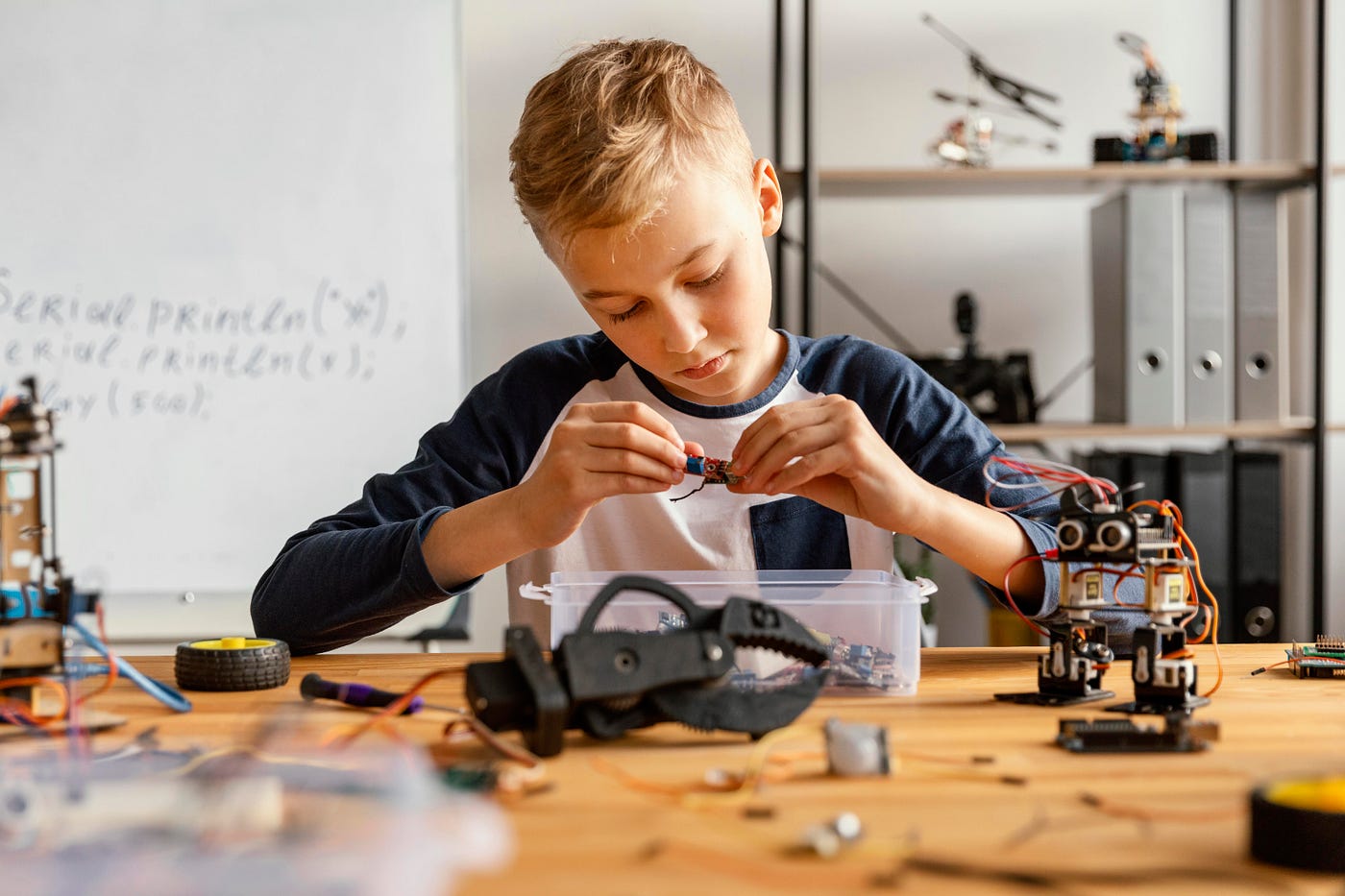
Introducing robotics at a young age has long-term benefits. Programs designed for **robotics for 4 year olds** focus on creativity, basic logic, and motor skills rather than complex coding. These courses use games, storytelling, and simple building activities to spark interest in technology.
Benefits of Learning Robotics
- Enhances problem-solving skills
- Boosts creativity and innovation
- Improves logical thinking
- Prepares for future tech careers
- Builds confidence through hands-on learning
Getting Started Today
If you’re ready to begin your robotics journey, start with a structured beginner program that guides you step-by-step. A well-designed course will help you move from simple building tasks to advanced programming concepts with ease.
Explore this beginner-friendly program: https://aiarobo.com/robotics-starter/
Whether you’re a student, parent, or tech enthusiast, robotics offers endless opportunities to learn and create. With the right robotics courses for beginners, you can turn curiosity into real-world skills and innovations.
FAQs
1. What is the best age to start learning robotics? Children can start as early as 4 years old with basic robotics programs. Many courses are designed specifically for young learners.
2. Do I need coding knowledge to join robotics courses for beginners? No, most beginner courses start from scratch and teach both building and programming step-by-step.
3. Are online robotics courses for beginners effective? Yes, they are highly effective when they include hands-on projects, guided lessons, and interactive learning tools.
메타데이터
- post_id
- e92608b38cfd
- slug
- beginners-guide-to-robotics-from-building-to-programming-e92608b38cfd
- url
- https://medium.com/@aiarobo/beginners-guide-to-robotics-from-building-to-programming-e92608b38cfd
- canonical_url
- https://medium.com/@aiarobo/beginners-guide-to-robotics-from-building-to-programming-e92608b38cfd
- author_url
- https://medium.com/@aiarobo
- status
- ok
- fetched_at
- 2026-07-06 20:27:19