Why Passive Speakers Still Make Fantastic Sense for DJs, Musicians & Event Pros
Hey there! Whether you’re setting up for your next gig, fine-tuning your studio, or planning a live event, you’re probably faced with one…
Why Passive Speakers Still Make Fantastic Sense for DJs, Musicians & Event Pros
Hey there! Whether you’re setting up for your next gig, fine-tuning your studio, or planning a live event, you’re probably faced with one question: should I go with active (powered) speakers or traditional passive speakers? This post is all about passive speakers — what they bring to the table, why they still matter in pro audio, and how you can make them work for your sound-system. If you’re a DJ, musician, sound engineer or event organiser, you’ll find this super relevant. Let’s dive in.
What Are Passive Speakers?
In simple terms: **passive speakers** are loudspeaker units that don’t contain built-in amplifiers. Instead, they rely on external amplifiers (and often external crossovers or processing) to drive them. That’s different from active (or powered) speakers, where the amplifier is built into the cabinet. Using passive speakers means you choose the amp, manage the signal chain, and match gear carefully.
Why They Matter for Sound Quality and Performance
Flexibility & Customisation
One of the biggest perks of passive speakers is the flexibility. You get to pick the amplifier, the crossover, cables, and tailor the system to your environment. According to one professional audio guide, “Passive loudspeakers … allow users to mix-and-match amplifiers and processing for specific performance goals.” For a DJ or event engineer, that’s gold: you might want one amp for your mains today, and later push more power for outdoor events, fire up another amp for subs, play with different speaker models — passive gear gives you that freedom.
Scalability for Events & Installations
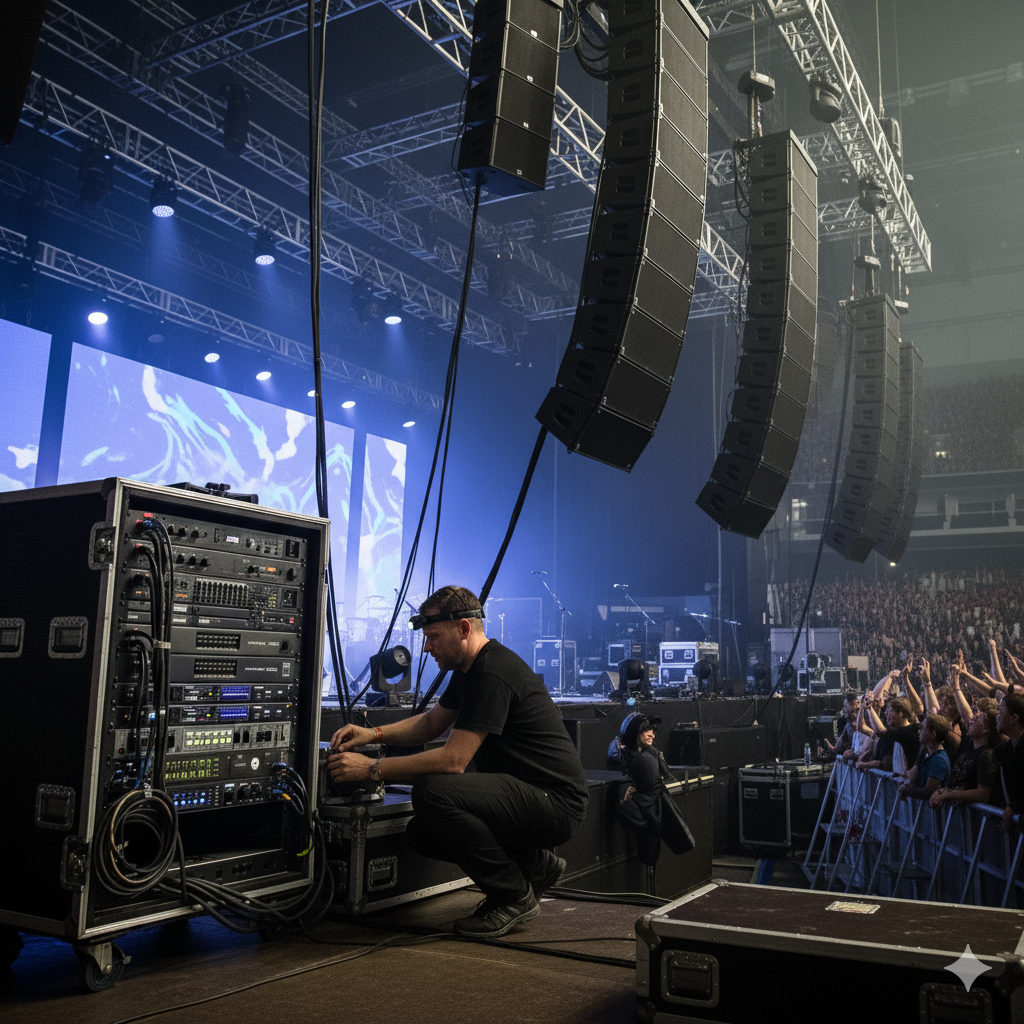
When you’re running larger venues or a permanent installation (say a club, a theatre, or an event hall), passive speakers have real performance advantages. One article explains: “Passive systems excel in situations where the same amplification infrastructure powers a variety of different loudspeaker products. Passive systems are also well-suited for permanent installations where it is not possible to run signal and power to the loudspeaker location.” In practice that translates to: you can have a central amplifier rack (in a safe, accessible place) and run speaker cables to far-flung speakers (fly-mounted, wall-mounted) without needing mains power at each box.
Sound-Quality Control
Because you’re selecting each link of the chain — amp, cables, speaker load — passive speakers allow fine-tuning. An article on passive monitors pointed out that external amplification can give you “the freedom to create your ideal signal chain by choosing your own amplifier, crossover system and other processing.” This means that for critical listening (studio monitoring, high-end event audio) you can dial in performance, match gear to room acoustics, adjust impedance, and optimize the dynamic range. For event engineers working in varied venues, that kind of control often matters more than plug-and-play convenience.
Real-World Benefits for DJs, Musicians & Engineers
Let’s break it down into specific, practical benefits:
- Weight & Mounting Flexibility: Passive speakers don’t carry internal amps, so the cabinet tends to be lighter than equivalent active units. That makes them easier to rig, fly, or mount — especially useful in venues or outdoor events.
- Cabling Simplicity in Some Cases: Because the mains amplification lives centrally, each passive speaker often just needs a single speaker cable. One site says passive PA speakers “have the advantage of not needing power cables to reach each speaker. They only have one speaker cable… thus reducing cabling needs.”
- Upgrade-Friendly Over Time: You’re not locked into a single speaker-plus-amp combo as you might be with integrated (active) systems. Want to step up your amp or use your speakers for a bigger event? Swap the amp or add more in the rack.
- Cost Control & Future Proofing: Especially for pros who already own good amplifiers, using passive speakers means you don’t need to buy ‘self-powered’ boxes. You can invest in the speakers themselves and pick the amp later as budget allows. That said — you do need to budget for a good amp, matching impedance, and cables.
Things to Watch Out For (So You Get the Best Results)
Of course, passive speakers aren’t all sunshine and roses — being realistic now helps you avoid problems.
- Amplifier Matching & Impedance: Because the speaker doesn’t include its own amp, you’ve got to ensure the external amp is correctly matched (power output, load impedance) to the speaker. Mis-matching can lead to poor sound or even damage
- Cable Length & Losses: In large venues, long speaker cables mean potential signal losses or impedance issues. Make sure the gauge is correct for the run length.
- Setup & Time: Passive systems often require a bit more planning — more racks, cabling, signal routing, and setup time compared to a simple active plug-in box.
- Transport & Logistics: Although the speaker cabinet may be lighter, you’ll also be dealing with separate amp racks and more connectors, so logistical planning still matters.

Best Use-Cases for Passive Speakers
When should you consider choosing passive speakers in your pro setup?
- If you already have good amplification gear and want to integrate new speakers into your system seamlessly.
- When you’re planning large venues, flying/rigging speakers, or multi-zone installations where centralising amplification is logical.
- If you want long-term upgradeability, and you value the freedom to mix and match components.
- For studios or monitoring rigs where you need fine control over every part of the chain and might upgrade things gradually.
Analogy to Make It Clear
Think of passive speakers like buying a custom car without the engine installed: you pick the chassis (the speaker cabinet), then separately choose the engine (the amplifier), the exhaust (cables and crossover), and you tune everything for your driving style (venue, genre, event size). With an active speaker, you buy the car with the engine already built-in — simpler, faster to drive, but less room to customise or upgrade.
Encouragement & CTA
If you’re ready to level up your sound system — whether you’re DJing, mixing live, or installing AV in a venue — choosing the right gear matters. Considering a strong pair of passive speakers from a reputable audio shop (and pairing them with a matched amplifier and good cables) could give you long-term reward, upgrade flexibility, and tangible performance gains. And when you’re ready, a trusted professional audio store can help you select models, match amp-loads and ensure you’ve got the right setup for your event-needs.
Conclusion
To wrap up: passive speakers still bring serious value for event professionals, DJs, musicians and sound engineers. They offer flexibility, scalability, sound-quality control, and upgrade potential — exactly the kind of features you want when you’re dealing with live performances, venues or bespoke installations. Yes, there’s more planning and matching required — but for the right use case, passive speakers make a lot of sense. So next time you’re configuring your rig or planning your next event, give them a fair look-in. You might find that by choosing passive speakers wisely, you’re setting yourself up for better performance, greater flexibility and smarter investment in audio.
메타데이터
- post_id
- e95fb2ffc201
- slug
- why-passive-speakers-still-make-fantastic-sense-for-djs-musicians-event-pros-e95fb2ffc201
- url
- https://medium.com/@charlesspeters6/why-passive-speakers-still-make-fantastic-sense-for-djs-musicians-event-pros-e95fb2ffc201
- canonical_url
- https://medium.com/@charlesspeters6/why-passive-speakers-still-make-fantastic-sense-for-djs-musicians-event-pros-e95fb2ffc201
- author_url
- https://medium.com/@charlesspeters6
- status
- ok
- fetched_at
- 2026-08-10 19:33:21