My First Granny Square Sweater Was Messy
And That’s Why I Love It
My First Granny Square Sweater Was Messy
And That’s Why I Love It

My first granny square sweater did not look perfect.
Not even close.
Some squares were tighter than others. A few corners pulled in strange directions. The sleeves did not sit exactly the way I imagined. If I looked at it too long, I could find small mistakes everywhere.
But here is the strange part.
I still loved it.
Maybe even more because of the mess.
When I first decided to make a granny square sweater, I had a very clean picture in my head. I imagined something soft, colorful, handmade, and beautiful. Something that looked effortless. Something that would make people say, “You made that?”
I thought the hard part would be starting.
It wasn’t.
The hard part was accepting that my first sweater was going to look like a first sweater.
I Thought Granny Squares Would Be Easy
Granny squares look simple.
That is what fooled me.
They look friendly. They look beginner-safe. They look like the kind of project you can make while relaxing with a cup of tea and a quiet evening.
And in some ways, they are simple.
You repeat stitches. You build small squares. You watch color and texture slowly grow in your hands.
But simple does not always mean easy.
A granny square sweater is not just one square. It is many squares. And those squares have to work together. They need to be close in size. They need to be joined neatly. They need to become something wearable.
That is where I started to understand the difference between making a granny square and making a sweater from granny squares.
One square can be charming if it is a little uneven.
A whole sweater made of uneven squares is a different story.
At first, I thought I could just keep making squares and everything would come together.
It didn’t.
Some squares looked slightly bigger. Some looked smaller. Some felt soft and loose. Others felt stiff because my tension changed without me noticing.
I wanted the sweater to come together like a clean puzzle.
Instead, it came together like a personal negotiation between me, the yarn, and my patience.
The Mistakes Started Small
The first few mistakes did not seem serious.
One square was a little tight. I told myself it would stretch.
One edge looked uneven. I told myself it would disappear when I joined it.
One color change looked messy. I told myself no one would notice.
That became a pattern.
I kept forgiving mistakes without really fixing them.
And honestly, sometimes that is fine. Crochet does not need to be perfect. Handmade pieces have personality. But there is a difference between accepting character and ignoring a problem that will grow later.
I learned that difference slowly.
When I started joining the squares, the small mistakes became more visible. The uneven sizes created tension in the seams. Some parts pulled. Some parts felt loose. I had to adjust as I went.
I thought joining would be the easy final step.
It wasn’t.
Joining was where all my earlier choices came back to visit me.
The Sweater Did Not Match the Version in My Head
This was the hardest part.
Not the stitching.
Not the counting.
Not even the fixing.
The hardest part was looking at the sweater and realizing it did not match the perfect version I had imagined.
In my head, it looked clean and balanced.
In real life, it looked handmade.
Very handmade.
At first, I felt disappointed. I had spent time on it. I had chosen the yarn carefully. I had imagined wearing it proudly. But when I saw all the uneven parts, I started focusing only on what was wrong.
The sleeve looked strange.
The seams were not perfect.
The shape could have been better.
The squares were not all identical.
For a moment, I forgot something important: I had actually made a sweater.
Not bought one.
Not saved one on Pinterest.
Not imagined one.
Made one.
With my own hands.
That changed how I looked at it.
Messy Does Not Mean Worthless
This is where crochet teaches you something that is not really about crochet.
A messy first project can still matter.
A crooked seam does not erase the time you spent learning. An uneven square does not cancel the effort it took to finish. A sweater with flaws is still a sweater.
I had to remind myself of that.
Because when you create something, especially after seeing so many perfect handmade pieces online, it is easy to judge your work too harshly.
You see someone else’s finished photo.
You do not see the rows they removed.
You do not see the pieces they restarted.
You do not see the part where they sat there wondering why one sleeve looked different from the other.
You only see the clean result.
But your first project gives you the full story. The pretty parts and the frustrating parts. The good decisions and the bad ones. The parts you are proud of and the parts you would do differently next time.
That is why I love my messy granny square sweater.
It tells the truth.
What I Learned From Making It
The first thing I learned was that tension matters more than I wanted to admit.
When I made squares on different days, my tension changed. If I was relaxed, the square came out softer. If I was tired or rushing, it came out tighter. I did not notice it immediately, but the sweater noticed.
The second thing I learned was that measuring is not optional.
I wanted to trust my eyes.
My eyes lied.
Two squares can look close enough until you place them side by side and realize one is clearly bigger. Next time, I would measure more often and block the squares before joining them.
The third thing I learned was that finishing is a skill.
Starting a project is exciting. Choosing colors is exciting. Making the first few squares is exciting.
But finishing asks for a different kind of patience.
You have to keep going after the fun beginning is over. You have to sew in ends. You have to join pieces. You have to fix small problems. You have to decide not to abandon the project just because it is no longer new.
That part taught me more than the first square did.
The fourth thing I learned was that handmade clothing has a different kind of beauty.
It does not need to look like something from a store.
Actually, that is the point.
The small irregularities are signs that a real person made it. A person who was learning, trying, adjusting, and continuing.
That matters.
What I Would Do Differently Next Time
I would still make the sweater.
I would just make it with more patience.
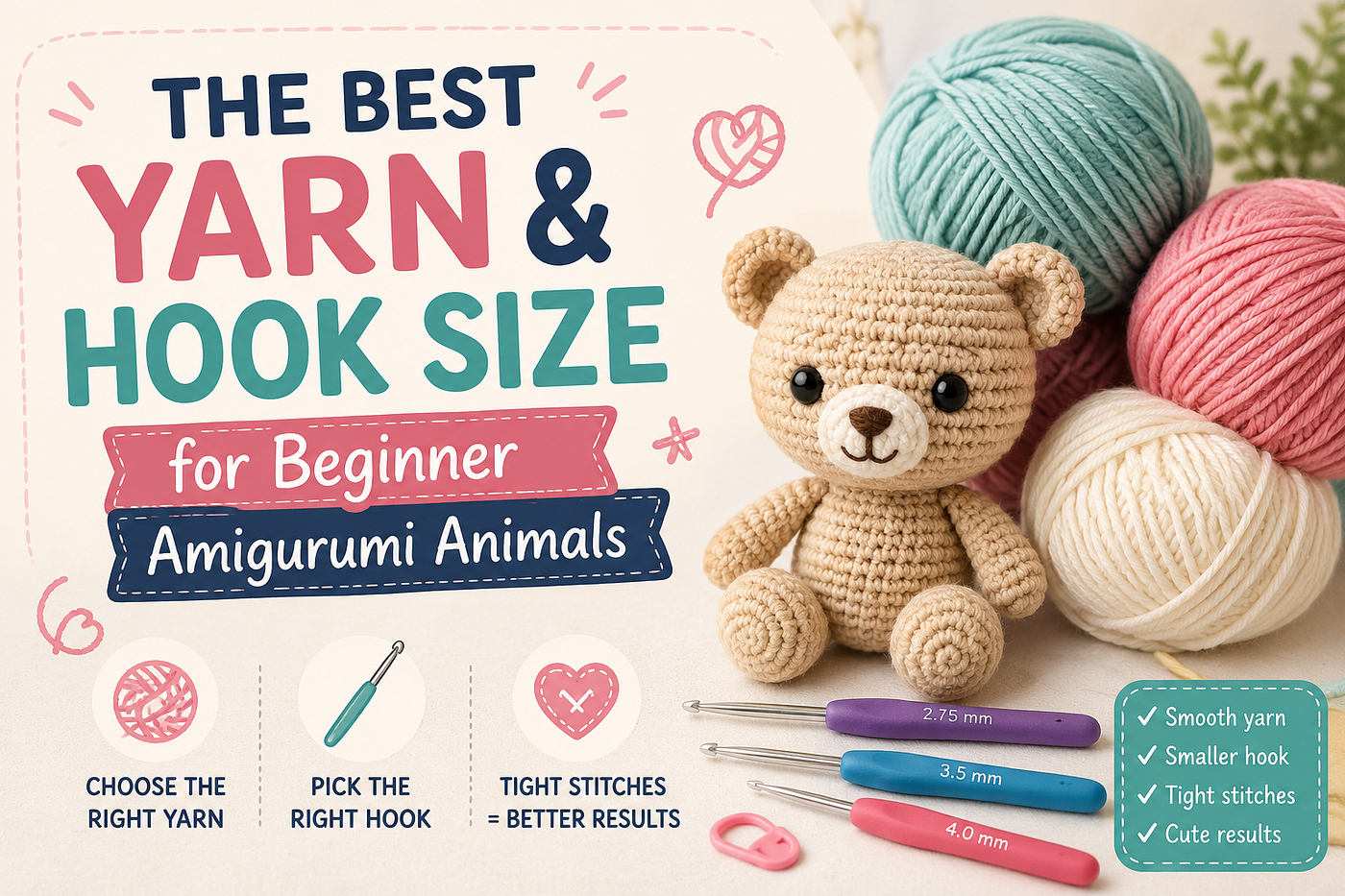
I would choose my yarn and hook carefully before starting. I would make a test square and measure it properly. I would keep checking the size of each square instead of assuming they would all match.
I would block the squares before joining.
I would lay everything out before sewing anything together.
I would take my time with the seams instead of rushing because I wanted to see the final result.
And most importantly, I would not expect the first version to be perfect.
That expectation made the process heavier than it needed to be.
Crochet becomes more enjoyable when you stop treating every project like it needs to prove something.
Sometimes a project is not there to prove your skill.
Sometimes it is there to teach you the skill.
Why I Still Love It
I love that sweater because I remember making it.
I remember the parts that confused me. I remember the small wins. I remember holding the squares together and trying to imagine how they would become something wearable. I remember wondering if it was going to work.
And somehow, it did.
Not perfectly.
But honestly.
That sweater has more personality than anything I could have bought. It carries the time I spent on it. It carries the mistakes I learned from. It carries the simple joy of finishing something even when it did not turn out exactly as planned.
That is why I love it.
Not because it is flawless.
Because it is mine.
The Real Lesson
My first granny square sweater reminded me that handmade work is not supposed to look like a machine made it.
It is supposed to look touched.
Worked on.
Learned through.
A little imperfect, maybe.
But full of effort.
And that is the part I want to remember.
The messy parts are not always the parts we should hide. Sometimes they are the proof that we started before we were ready, kept going when it got frustrating, and finished anyway.
My first granny square sweater was messy.
That is exactly why I love it.
메타데이터
- post_id
- e9d4dffd20f8
- slug
- my-first-granny-square-sweater-was-messy-e9d4dffd20f8
- url
- https://medium.com/@jennifer_crochet/my-first-granny-square-sweater-was-messy-e9d4dffd20f8
- canonical_url
- https://medium.com/@jennifer_crochet/my-first-granny-square-sweater-was-messy-e9d4dffd20f8
- author_url
- https://medium.com/@jennifer_crochet
- status
- ok
- fetched_at
- 2026-07-09 13:13:48