Pilates for Beginners: Everything to Know Before Your First Class
“This beginner’s guide to Pilates covers its basics, health benefits and mat vs. reformer lessons. It explains what to expect, how to…
Pilates for Beginners: Everything to Know Before Your First Class
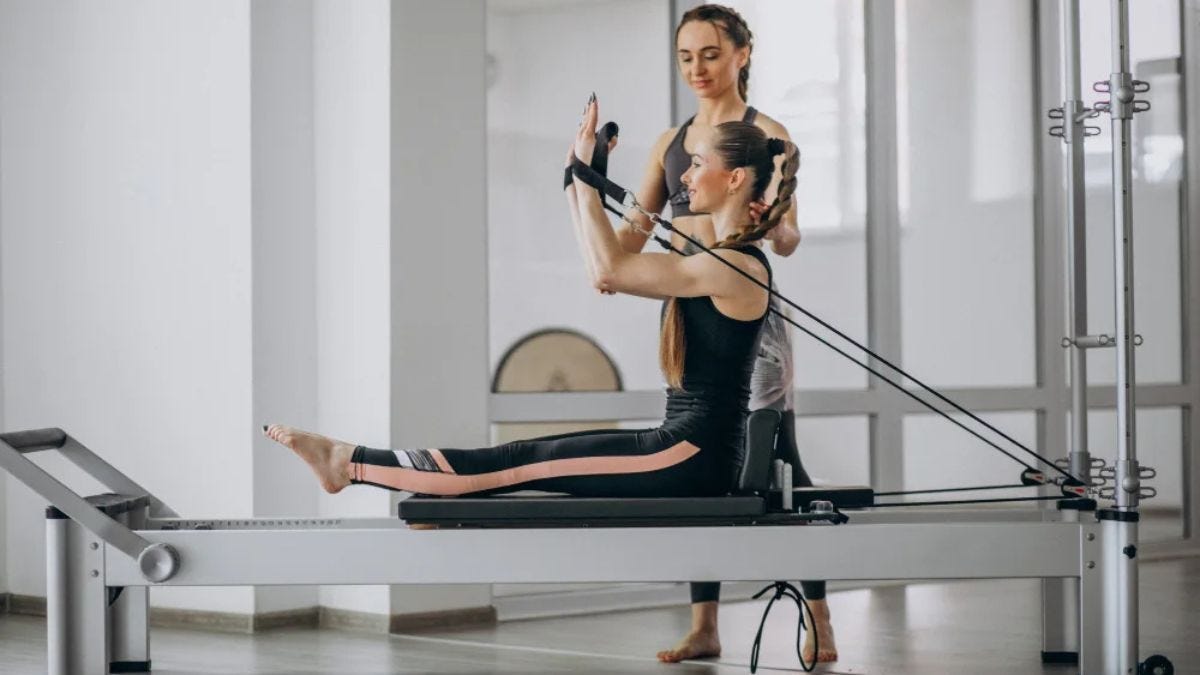
“This beginner’s guide to Pilates covers its basics, health benefits and mat vs. reformer lessons. It explains what to expect, how to prepare, and why a certified instructor ensures a safe, effective first session.”
If your social media feed looks anything like a fitness catalog, you’ve undoubtedly seen people effortlessly gliding on sleek, wooden machines or pulsing on mats. Pilates is having a massive cultural moment. However, beneath the aesthetic studio lighting lies a century old physical conditioning system that is far more accessible and challenging than it looks.
Walking into your first class can be an intimidating experience. The equipment may seem to look like some sort of medieval contraption and the many people who attend regularly appear so at ease with the exercises. Do not let first day anxiety stop you from taking a class **pilates certified instructor**.
What Exactly Is Pilates?
Developed by Joseph Pilates during the 20th century as a technique to rehabilitate injured athletes and soldiers, Pilates is considered to be mind body method of physical fitness. The emphasis of the method is strengthening the muscular system, improving posture and increasing your flexibility through controlled movement.
This method differs from traditional exercise regimens, in that it does not emphasize lifting heavy weights to increase bulk, instead focusing on developing the deeper stabilizer muscles associated with your skeleton, known as your powerhouse or your core. Each movement begins in this central part of your body, which includes your abdomen, lower back, hips and gluteal region.
When booking your first session you will generally choose between two formats:
- Mat Work: Executed on a thick floor mat, this style relies entirely on your body weight and gravity for resistance. It is highly accessible and deeply focused on core control
- The Reformer: This machine features sliding carriage, springs, ropes and pulleys. Its adjustable resistance can challenge or assist your body depending on the exercise
Why Guidance Matters: Finding Your Expert
Since this technique relies upon precise microadjustments, it is important to be adequately coached so that you are able to perform each exercise correctly; performing an exercise incorrectly could cause strain and pain; however, if an exercise is performed accurately it will completely change the body.
This is why selecting the perfect instructor for Pilates is so important. Your instructor should have completed the comprehensive requirements of a recognized training program that includes anatomy and practical application according to a minimum of 450 hours of course study. Professional certifications are not enough to qualify as a Pilates instructor; a qualified instructor will not only give you verbal instructions from the front of the class but will also monitor your alignment, understand spinal mechanics and know how to modify an exercise for safety when you suffer from low back pain, have limited hip flexibility, or need to modify due to an ongoing injury.
Before registering for classes, review the studio’s biography page; by investing your time with a qualified professional, you will develop a solid foundation of Pilates exercise from the word ‘go’.
The Ultimate First Day Checklist
To eliminate any morning of panic, here is a quick reference guide on how to prepare for your debut session.
What to Wear
- Form Fitting Clothing: Leave large hoodies and sweatpants at home. Instructors must see hip, knee and spine alignment to correct form. Choose leggings and a fitted tank or t-shirt
- No Zippers or Buttons: Metal hardware can tear the vinyl on the machines or dig uncomfortably into your back
- Grip Socks: Most studios have a strict no bare feet, no regular socks policy for safety and hygiene. Grip socks have small rubber dots on the bottom to keep you from slipping on the equipment
What to Expect in Class
- A Different Kind of Pace: If you are used to fast paced HIIT classes, the slower tempo might surprise you. Precision and control trump speed every time
- The Pilates Shake: Don’t be alarmed if your legs or core start trembling uncontrollably during an exercise. This simply means your deep stabilizing muscles are waking up
- Unfamiliar Cues: You will hear phrases like knit your ribs together, scoop your belly, or find your sitz bones. It takes a few classes to translate these into physical actions, so give yourself grace
4 Golden Rules for Your First Session
1. Arrive 15 Minutes Early
This is non negotiable for beginners. You need time to sign waivers, store your belongings and get a tour of the studio. If you are using a reformer, the instructor will need to show you how the springs and straps work before the music starts
2. Communicate Your Injuries
Be completely transparent with the teacher. If you have scoliosis, a trick knee, or a stiff neck, tell them before class begins. A skilled professional will seamlessly offer alternative exercises throughout the session without drawing unwanted attention to you
3. Leave Your Ego at the Door
You might be able to squat heavy weights or run marathons, but this workout uses tiny, neglected muscles. Do not be surprised if a tiny two pound spring resistance feels incredibly heavy. It’s not a sign of weakness; it’s a sign that you are working muscles you have never targeted before
4. Focus on the Breath
In this practice, breathing is a tool, not a byproduct of exertion. You will be coached to inhale to prepare for a movement and exhale deeply through your mouth to engage your deep abdominal wall
Ready to Begin?
Pilates teaches body awareness and can help become more mindful of how to walk, sit and carry yourself in daily life. This exercise will help balance many of the ways we create imbalances by having a sedentary work lifestyle. Once you have gained awareness, you will be able to develop a body that will be able to handle all the stresses and challenges you may face. You should find a studio that has a good reputation and book an introductory class with an instructor that is certified. This will begin your journey to becoming stronger and more aligned with your body.
Description
This generic version of Pilates will help you understand what Pilates is, how it is performed and why you should take a Reformer or Pilates Class using the Reformer. You will also find Useful Tips about what type of Equipment to use and how to Choose An Appropriate Class to attend; and Understand What You Need To Do On The Reformer To Get Started With Your First Reformer Class.
메타데이터
- post_id
- e9dcbbe707e3
- slug
- pilates-for-beginners-everything-to-know-before-your-first-class-e9dcbbe707e3
- url
- https://medium.com/@lizaazephyr/pilates-for-beginners-everything-to-know-before-your-first-class-e9dcbbe707e3
- canonical_url
- https://medium.com/@lizaazephyr/pilates-for-beginners-everything-to-know-before-your-first-class-e9dcbbe707e3
- author_url
- https://medium.com/@lizaazephyr
- status
- ok
- fetched_at
- 2026-07-09 13:13:48