The Magical Journey: From Android Code to Running App
Ever wondered what happens when you hit “Run” in Android Studio? Let’s pull back the curtain on one of the most fascinating…
Learning Android Development
The Magical Journey: From Android Code to Running App
Demystify what happened behind the scene from your compilation to executing the App
Ever wondered what happens when you hit “Run” in Android Studio? Let’s pull back the curtain on one of the most fascinating transformations in software development.
Picture this: you’ve just written your first Android app. Maybe it’s a simple “Hello World” or perhaps something more ambitious like a weather app. You hit that green play button in Android Studio, and within seconds, your creation springs to life on your phone. But what just happened? How did those lines of Kotlin code you painstakingly wrote transform into a working application?
This journey from source code to running app is like watching a caterpillar metamorphose into a butterfly — except instead of nature’s magic, we have the ingenious engineering of the Android build system. Let’s embark on this fascinating expedition together.
Chapter 1: The Great Translation Begins
Think of your Android project as a bustling international conference. You have Kotlin developers chatting away, XML designers sketching layouts, and resource managers organizing images and strings. But here’s the challenge: Android devices don’t speak these languages directly. They need everything translated into a format they can understand.
This is where our first hero enters the story: the compiler. Like a skilled translator at that international conference, the compiler takes your Kotlin and Java code and converts it into something called bytecode. If your original code was a beautifully written novel, bytecode is like the detailed outline that captures all the essential plot points but in a more structured, machine-friendly format.
But wait, there’s more happening simultaneously. Your XML layouts aren’t just sitting there looking pretty. The Android Asset Packaging Tool, affectionately known as AAPT2, is busy at work. It’s like a meticulous librarian, cataloging every image, every string, every color you’ve defined, and creating a master index called R.java. This file becomes your app’s phonebook, containing the addresses of all your resources.
Here’s where it gets really interesting. You know how you reference your layouts with R.layout.activity_main? That R.layout part isn't magic – it's AAPT2's handiwork, creating unique identifiers for everything so your code can find exactly what it needs at runtime.
Chapter 2: The DEX Transformation
Now comes one of the most crucial transformations in our journey. Remember that bytecode we created? It’s still not quite ready for Android. Android devices don’t run on the same virtual machine as your development computer. They use something called the Android Runtime, or ART, which has its own preferred language: DEX (Dalvik Executable).
Think of DEX as the difference between American English and British English. They’re similar enough that you can mostly understand each other, but there are important differences in vocabulary and structure. The DEX compiler takes your Java bytecode and restructures it specifically for Android’s runtime environment.
This isn’t just a simple translation though. The DEX compiler is incredibly smart about optimization. Where your original Java bytecode might have been like a rough draft with lots of redundancy, DEX is the polished final version. It combines multiple class files, eliminates duplicate code, and organizes everything for maximum efficiency.
Here’s a mind-bending fact: this DEX format is so efficient that your entire app’s code, which might have been spread across hundreds of Java class files, often gets compressed into just one or two .dex files. It’s like taking a sprawling library and reorganizing it into a perfectly curated collection where every book is exactly where you need it.
Chapter 3: Building the Digital Container
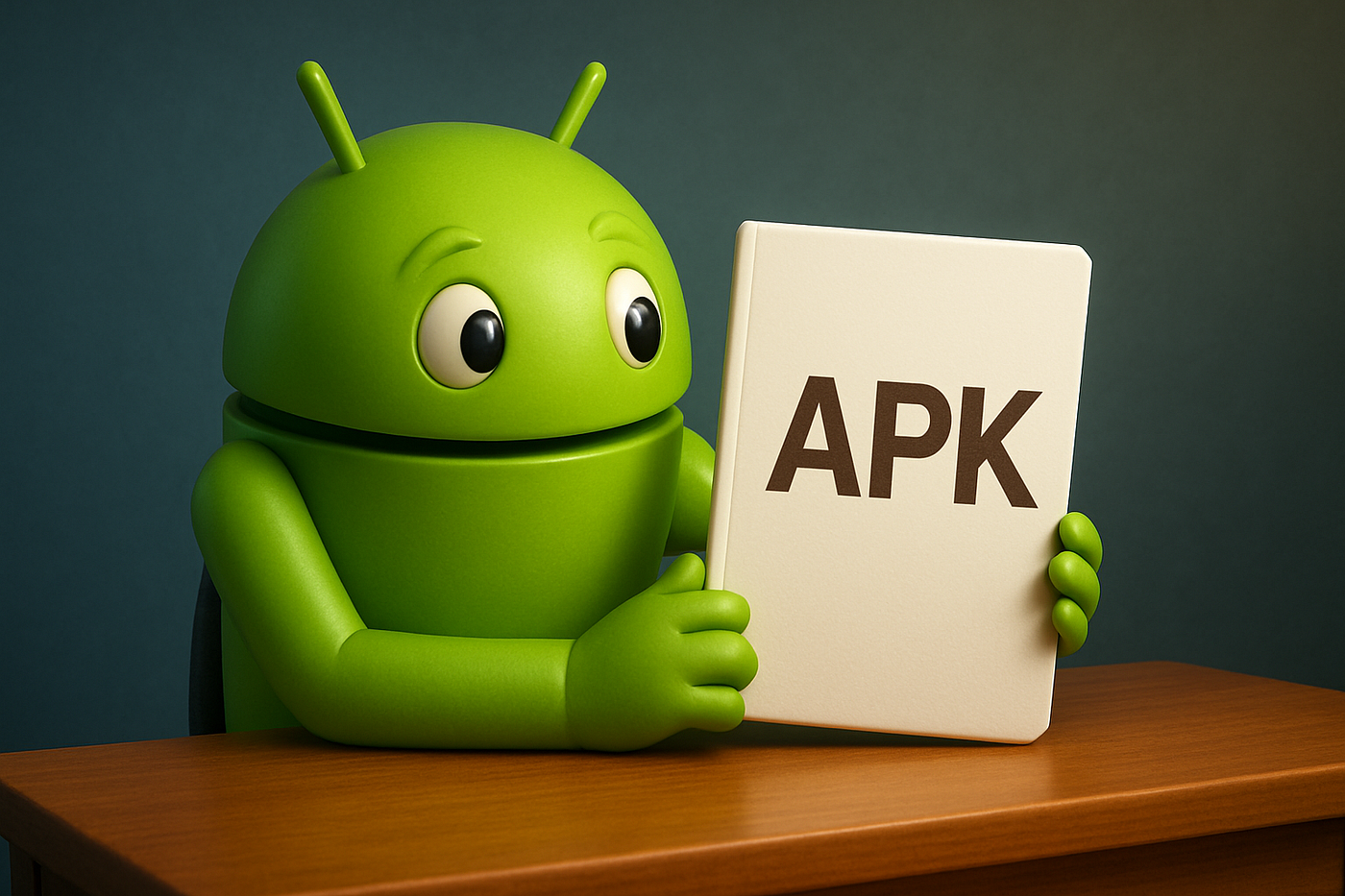
With all our code compiled and resources organized, it’s time for the grand assembly. This is where everything comes together to create the APK — the Android Package that will eventually become your installed app.
Imagine you’re packing for a year-long journey around the world. You need to fit everything you might possibly need into a single, efficiently organized suitcase. That’s essentially what happens during APK creation. Your compiled code, processed resources, images, sounds, and even native libraries all get carefully packed into a single file.
But here’s the clever part: an APK isn’t just a random collection of files thrown together. It’s a ZIP file with a very specific structure, almost like a well-organized apartment building where everything has its designated floor and room number. Your compiled code lives in the classes.dex file, your app’s blueprint is stored in AndroidManifest.xml, and your resources are neatly organized in the res folder.
The Android system knows exactly where to look for each component because this structure is standardized across all Android apps. It’s like how every house has a predictable layout — you expect the kitchen to have a stove and the bathroom to have a toilet, even if you’ve never been there before.
Chapter 4: The Security Checkpoint
Before your APK can venture out into the world, it must pass through a crucial security checkpoint: digital signing. This might seem like bureaucratic overhead, but it’s actually one of the most important steps in maintaining the security and integrity of the Android ecosystem.
Think of digital signing like a tamper-evident seal on a bottle of medicine. When you see that seal intact, you know two important things: first, that the medicine came from the legitimate manufacturer, and second, that nobody has tampered with the contents since it left the factory.
For Android apps, this signing process serves the same dual purpose. The signature proves that the APK came from you, the legitimate developer, and that nobody has modified your code since you built it. Android devices are incredibly suspicious — they won’t run any app that doesn’t have a valid signature.
During development, Android Studio automatically signs your apps with a debug key, which is like having a temporary visitor’s pass. But when you’re ready to publish your app, you’ll need to sign it with your own production key — think of this as your official developer ID card that you’ll use for all your published apps.
Chapter 5: The Installation Ritual
Now comes the moment of truth: installation. When you tap “Install” or when Android Studio pushes your app to a connected device, you’re initiating a carefully choreographed dance between your APK and the Android operating system.
The Android Package Manager is like a bouncer at an exclusive club. It carefully examines your APK’s credentials, checking the signature, verifying that your app isn’t asking for permissions it shouldn’t have, and making sure everything looks legitimate. Only after passing these security checks does it allow your app into the device.
But installation isn’t just about copying files. Android creates a completely private space for your app, almost like assigning it its own apartment in a secure building. Your app gets its own directory structure under /data/data/, where it can store databases, preferences, and other private files that no other app can access.
This is where Android’s security model really shines. Each app runs in its own sandbox, isolated from other apps and from the system itself. It’s like each app lives in its own bubble, able to see and interact with the outside world only through carefully controlled channels.
Chapter 6: The Moment of Awakening
When a user finally taps your app’s icon, the magic of the Android Runtime kicks into high gear. The system creates a brand new process specifically for your app — think of it as renting a private workspace where your app can do its thinking without being disturbed by other apps.
But here’s where modern Android gets really sophisticated. The Android Runtime doesn’t just run your DEX code as-is. Instead, it often compiles that DEX code into native machine code that can run directly on the device’s processor. This is called Ahead-of-Time compilation, and it’s like having a simultaneous translator who’s so good that they can predict what you’re going to say and have the translation ready before you even finish speaking.
This compilation can happen during installation, during idle times when the device is charging, or even just-in-time as your app runs. The result is that your app runs faster and more efficiently than if it were interpreted line by line.
The Living, Breathing Application
Once your app is running, it becomes part of the larger Android ecosystem. The Activity Manager keeps track of what your app is doing, managing its lifecycle as users switch between apps. The Window Manager handles drawing your user interface on the screen. The Binder system allows your app to communicate with other apps and system services when needed.
Your app isn’t just a static program anymore — it’s a living, breathing part of the device, responding to user input, adapting to different screen sizes, handling phone calls and notifications, and playing nicely with all the other apps installed on the device.
The Beauty of Automation
Perhaps the most remarkable thing about this entire process is that as a developer, you rarely have to think about most of these steps. When you hit “Run” in Android Studio, Gradle orchestrates this entire symphony automatically. It’s like having a master chef who can take your raw ingredients and, through a series of precisely timed and coordinated steps, deliver a perfect meal to your table.
But understanding what’s happening behind the scenes makes you a better Android developer. When your builds are slow, you understand it’s because DEX compilation is a complex process. When your APK is larger than expected, you know to look at your resources and consider optimization. When you’re debugging installation issues, you understand the security checks that Android is performing.
The Journey Continues
This transformation from code to running app represents just one part of the larger Android development story. Every time you update your app, this entire process repeats, but with optimizations that make subsequent installations faster. When users update to newer versions of Android, the runtime might recompile your app to take advantage of new performance improvements.
The Android ecosystem is constantly evolving, with new build tools, runtime optimizations, and security features being added regularly. But the fundamental journey — from your creative vision expressed in code to a living application on someone’s device — remains one of the most satisfying transformations in all of software development.
The next time you see your app spring to life on a device, take a moment to appreciate the incredible engineering feat you’ve just witnessed. Your simple tap on the “Run” button set in motion a cascade of translations, optimizations, and transformations that would make any magician jealous. The real magic, though, isn’t in the complexity of the process — it’s in how seamlessly it all works together to bring your ideas to life.
Understanding the journey from code to APK to running app isn’t just academic curiosity — it’s practical knowledge that makes you a more effective Android developer. The better you understand the tools and processes, the better equipped you are to troubleshoot issues, optimize performance, and create amazing experiences for your users.
메타데이터
- post_id
- e9e6d2bed808
- slug
- the-magical-journey-from-android-code-to-running-app-e9e6d2bed808
- url
- https://medium.com/mobile-app-development-publication/the-magical-journey-from-android-code-to-running-app-e9e6d2bed808
- canonical_url
- https://medium.com/mobile-app-development-publication/the-magical-journey-from-android-code-to-running-app-e9e6d2bed808
- author_url
- https://medium.com/@android-dev-nexus
- status
- ok
- fetched_at
- 2026-06-15 20:49:13