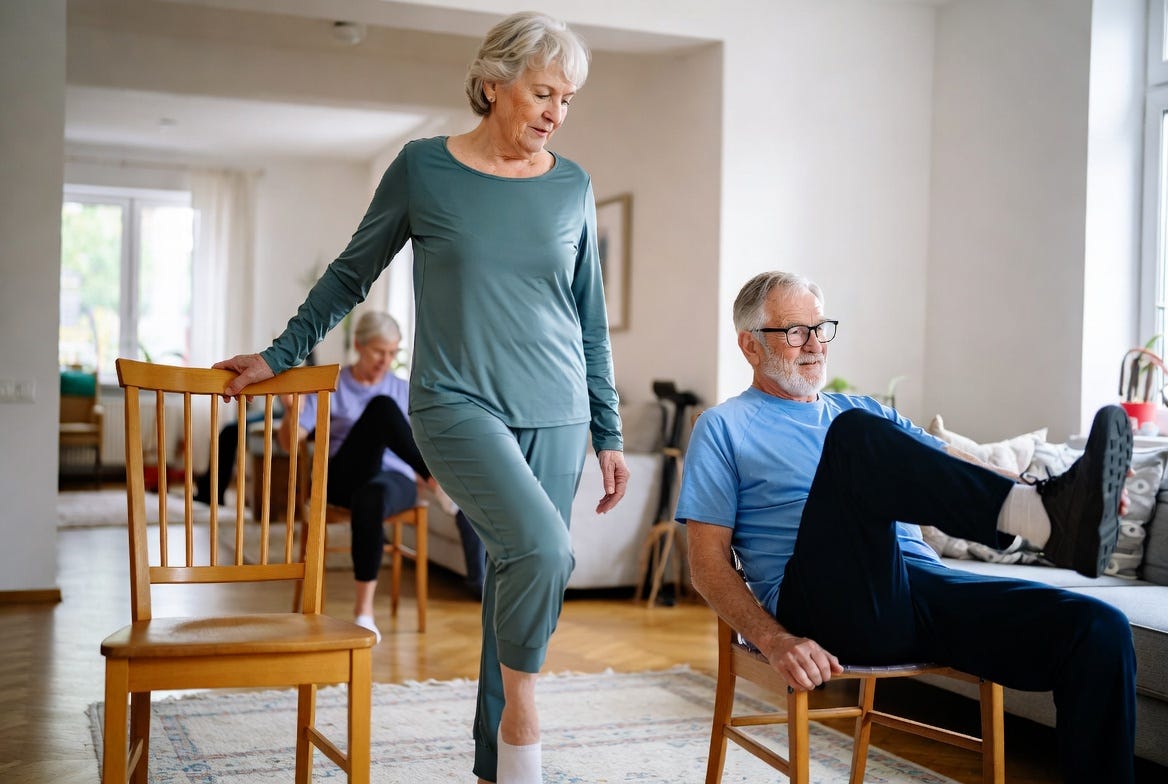
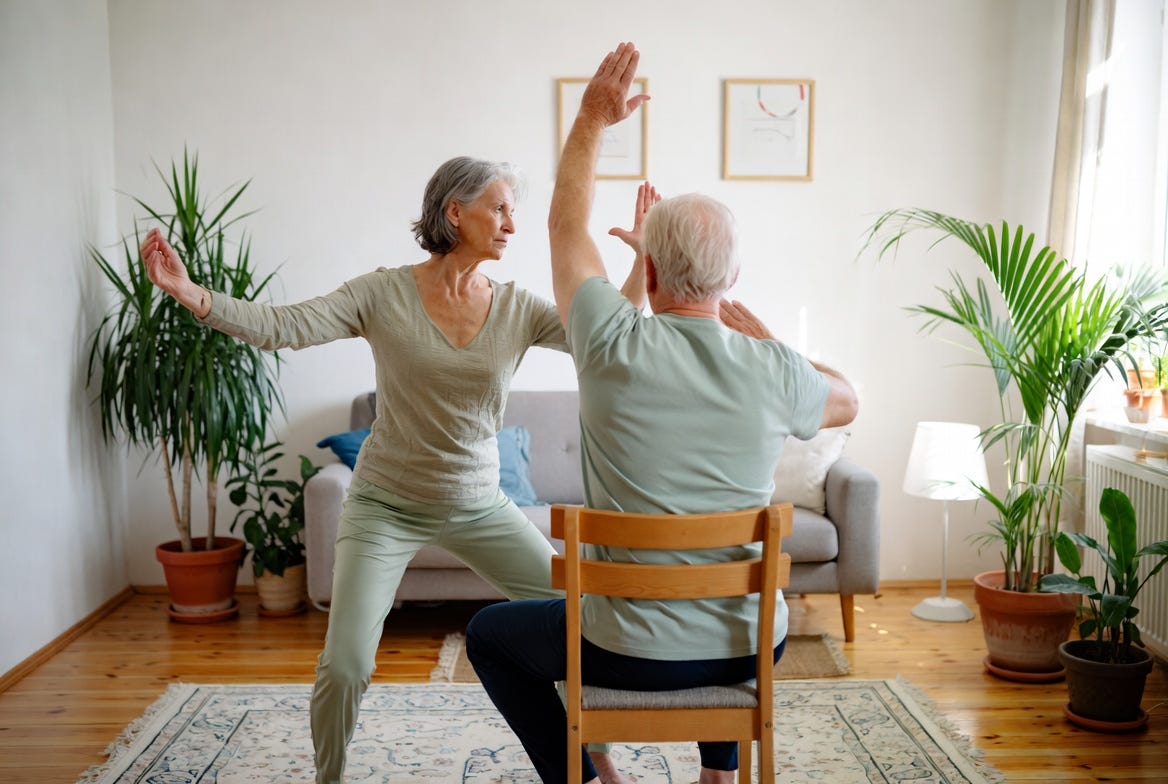
The Gentle Secret to Beating Knee Pain After 60 (That Most People Overlook)
You don’t need a gym membership or fancy equipment — just a little space and an open mind.
The Gentle Secret to Beating Knee Pain After 60 (That Most People Overlook)
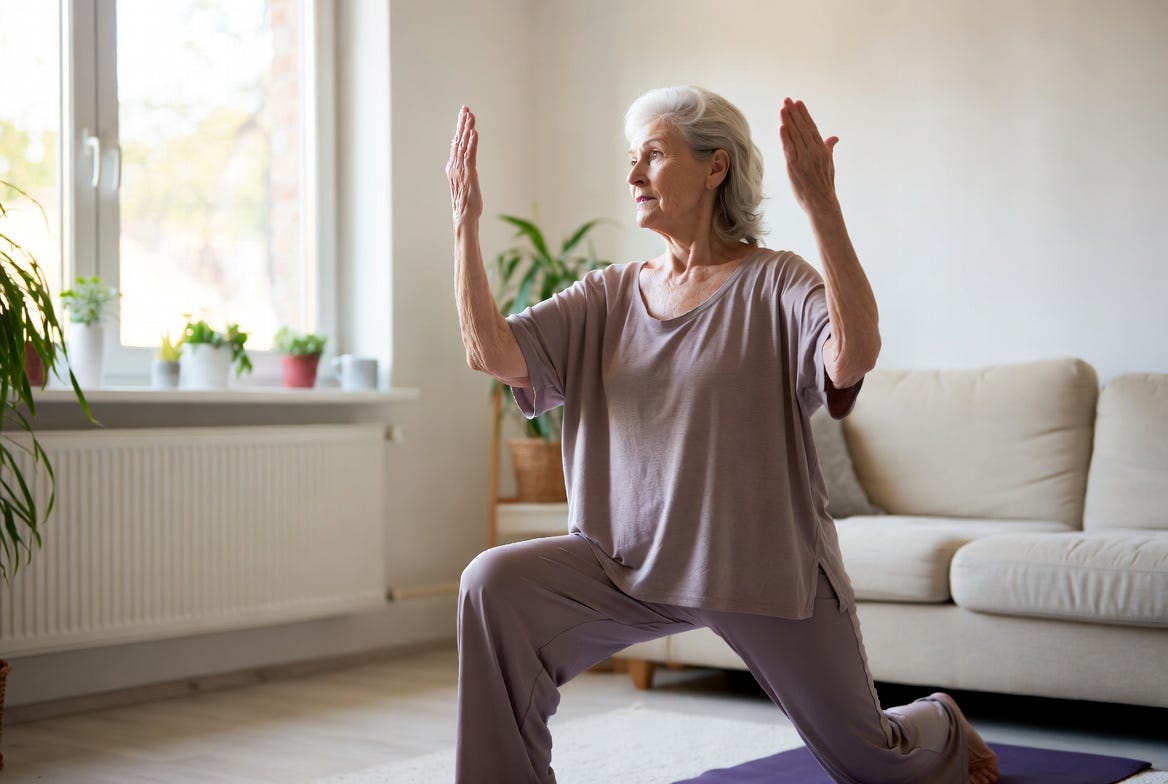
You don’t need a gym membership or fancy equipment — just a little space and an open mind.
Getting older is a gift. But for many of us, that gift comes wrapped in stiff, achy, sometimes downright painful knees. If you’ve been dealing with knee pain after 60, you already know how much it can slow you down — from morning walks to playing with grandkids to simply getting up from a chair without wincing.
The good news? There’s a centuries-old practice that’s quietly helping older adults reclaim their mobility, ease their joint pain, and feel more like themselves again.
It’s called Tai Chi — and it might just be the most underrated tool in your wellness toolkit.
What Is Tai Chi, Exactly?
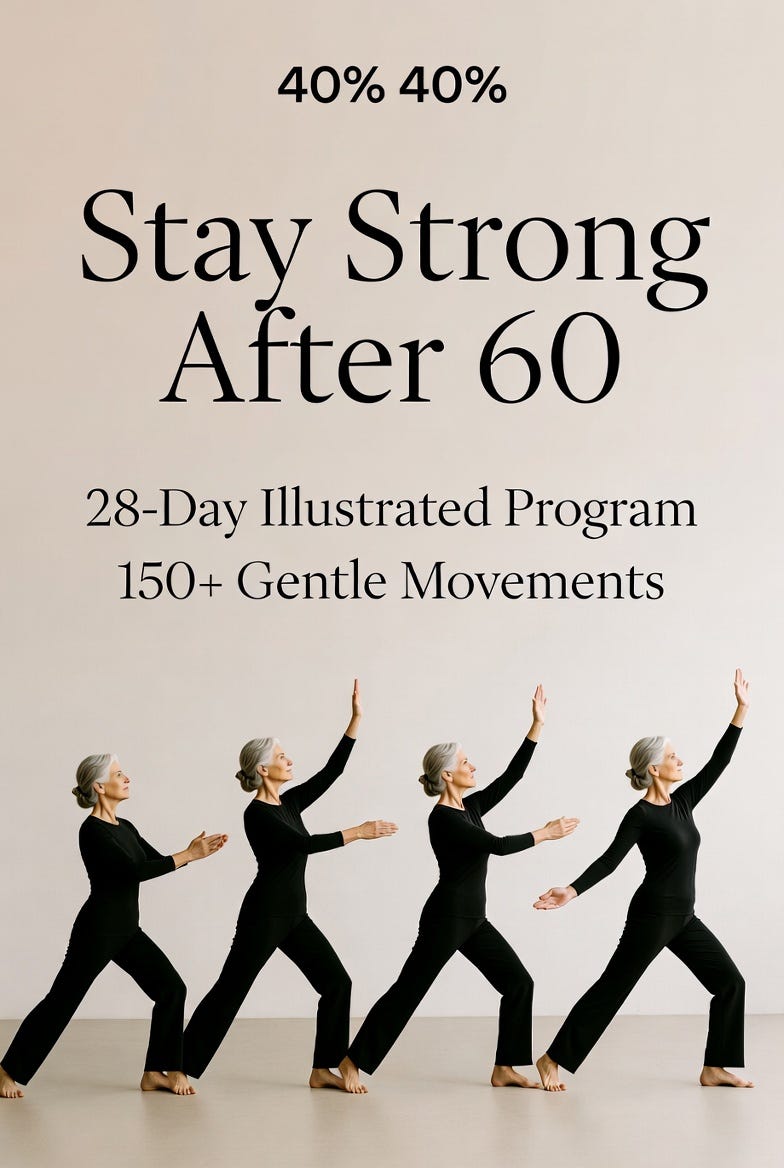
Tai Chi (sometimes spelled “Tai Chi Chuan”) is an ancient Chinese practice that combines slow, flowing movements with deep breathing and mindful focus. Think of it as meditation in motion.
Unlike high-impact exercises that pound your joints, Tai Chi moves with your body — gently, deliberately, and at your own pace.
It’s been practiced for hundreds of years, and now modern science is catching up to what its practitioners have always known: Tai Chi works.
Why Tai Chi Is a Game-Changer for Knee Pain After 60
Here’s the thing about aging knees — they don’t just hurt because they’re “old.” They hurt because of:
- Weakened muscles that no longer support the joint properly
- Reduced flexibility that puts extra strain on cartilage
- Poor balance, which leads to overcompensation and added stress on the knee
- Inflammation from years of wear and tear
Tai Chi addresses all of these — at the same time — without any harsh impact on your joints.
It Strengthens Without Straining
The slow, controlled movements of Tai Chi gently engage the muscles around your knee — the quadriceps, hamstrings, and calves. Stronger muscles mean better joint support, which means less pain.
It Improves Flexibility and Range of Motion
Tight muscles and stiff joints are a recipe for discomfort. Tai Chi’s flowing movements gradually increase your flexibility, making everyday movements — like bending, climbing stairs, or rising from a seat — far more comfortable.
It Works on Balance (Which Matters More Than You Think)
Poor balance is one of the biggest contributors to knee pain in older adults. When you’re off-balance, your knees compensate — and that leads to strain. Tai Chi is one of the most effective practices for improving balance at any age.
It Calms Inflammation
Stress and chronic inflammation go hand in hand. The meditative, breathwork-focused nature of Tai Chi helps lower stress hormones in the body, which in turn can reduce inflammation around the knee joint.
What the Research Actually Says
This isn’t just ancient wisdom — it’s backed by modern science.
Multiple studies have confirmed that Tai Chi can significantly reduce knee pain, improve physical function, and enhance quality of life — particularly in older adults with osteoarthritis, one of the most common causes of knee pain after 60.
In fact, one major clinical trial published in the Annals of Internal Medicine found that Tai Chi was just as effective as physical therapy for knee osteoarthritis. And participants didn’t just feel less pain — they also reported better mood and improved sleep.
Pretty remarkable for something that looks like a slow-motion dance, right?
🌿 Ready to Give It a Try?
If you’re dealing with knee discomfort and looking for a gentle, proven way to start feeling better, you’re going to love what we’ve found.
👉 **Click here to discover a Tai Chi resource specifically designed for knee pain relief** — perfect for beginners and easy to do from the comfort of your own home.
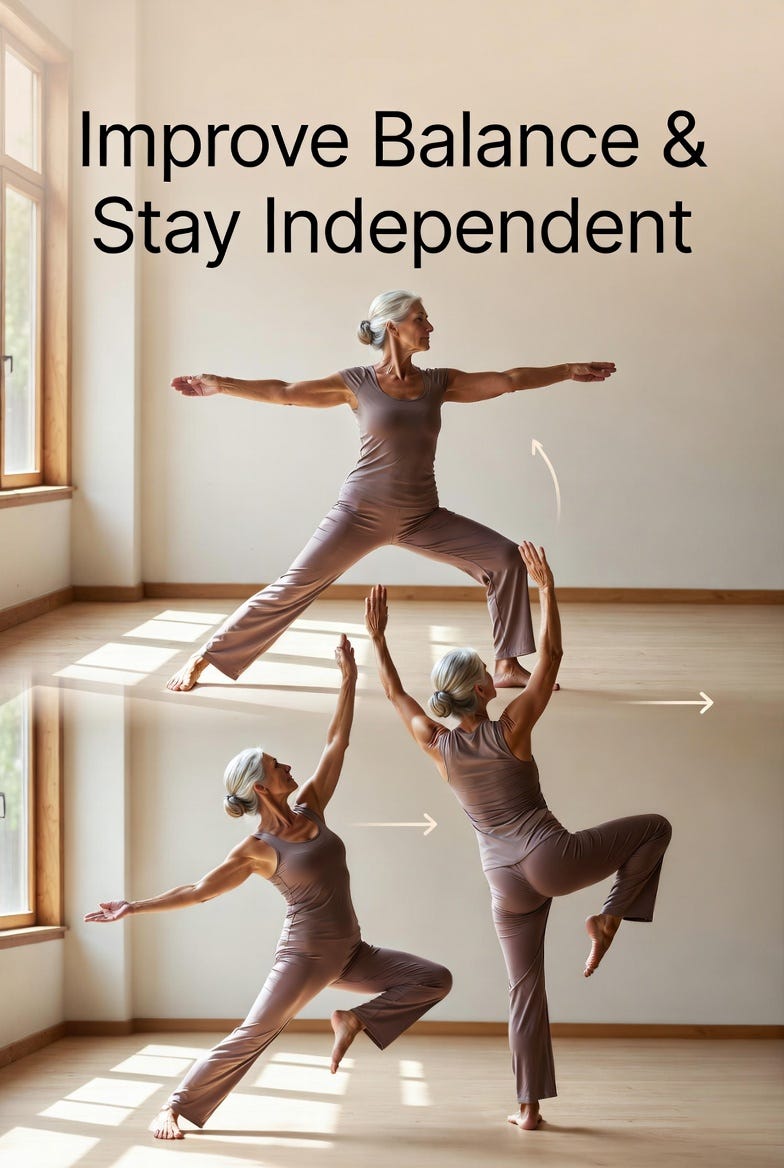
How to Get Started (Even If You’ve Never Done It Before)
One of the best things about Tai Chi is that you don’t need any prior experience, special fitness level, or equipment. Here’s how to ease into it:
Start Small
Begin with just 10–15 minutes a day. Even short sessions can make a meaningful difference over time. Consistency matters far more than duration.
Focus on Form, Not Speed
Tai Chi is meant to be slow. Resist the urge to rush. The slower you move, the more engaged your stabilizing muscles become — and the more benefit you get.
Listen to Your Body
If a movement causes sharp pain, stop. Mild discomfort as you build strength is normal. Sharp pain is not. Always work within your own comfort zone, especially in the beginning.
Make It a Routine
Like any practice, the magic is in the repetition. Try to practice at the same time each day — morning is a wonderful time to gently wake up your joints and start the day feeling centered.
H3: What to Expect in the First Few Weeks
Most people notice improvements in balance and flexibility before they notice changes in pain levels. That’s completely normal.
Here’s a rough timeline of what many beginners experience:
- Week 1–2: You’ll start to feel more body awareness and a sense of calm after practice
- Week 3–4: Flexibility begins to improve; some early reduction in stiffness
- Week 6–8: Noticeable improvement in balance and strength; knee discomfort often begins to ease
Remember, Tai Chi is a practice — not a quick fix. But unlike pain medications or invasive treatments, it comes with zero side effects and a long list of added benefits.
A Gentle Reminder About Knee Pain After 60
If you’re experiencing significant knee pain after 60, it’s always worth having a conversation with your healthcare provider before starting any new exercise program. Tai Chi is generally considered very safe for older adults, but your doctor knows your unique situation best.
That said, most physicians are openly supportive of Tai Chi — many even recommend it.
The Bottom Line
Knee pain doesn’t have to be an inevitable part of getting older. With the right approach — one that’s gentle, consistent, and works with your body rather than against it — you can regain comfort, mobility, and confidence.
Tai Chi has helped millions of people around the world do exactly that. And it can help you too.
You don’t need to be flexible. You don’t need to be fit. You just need to start.
🌟 Your Next Step
If this article has sparked your curiosity and you’re ready to take the first step toward relieving your knee pain after 60, don’t wait.
👉 **Check out this Tai Chi guide for knee pain relief right here** — it’s a wonderful starting point for anyone who wants to move with less pain and more joy.
Your knees have carried you through a lifetime of experiences. It’s time to give them a little love.
Always consult your healthcare provider before beginning any new exercise program, especially if you have existing medical conditions.
메타데이터
- post_id
- e9ebbafabcb3
- slug
- the-gentle-secret-to-beating-knee-pain-after-60-that-most-people-overlook-e9ebbafabcb3
- url
- https://medium.com/@gentle_power_fitness/the-gentle-secret-to-beating-knee-pain-after-60-that-most-people-overlook-e9ebbafabcb3
- canonical_url
- https://medium.com/@gentle_power_fitness/the-gentle-secret-to-beating-knee-pain-after-60-that-most-people-overlook-e9ebbafabcb3
- author_url
- https://medium.com/@gentle_power_fitness
- status
- ok
- fetched_at
- 2026-06-09 15:37:30