JCPenney Store Closures 2025: What Shoppers Need to Know About the Latest Retail Shift
In the ever-evolving retail landscape, another chapter is being written as JCPenney prepares to shutter seven locations across the United…
JCPenney Store Closures 2025: What Shoppers Need to Know About the Latest Retail Shift
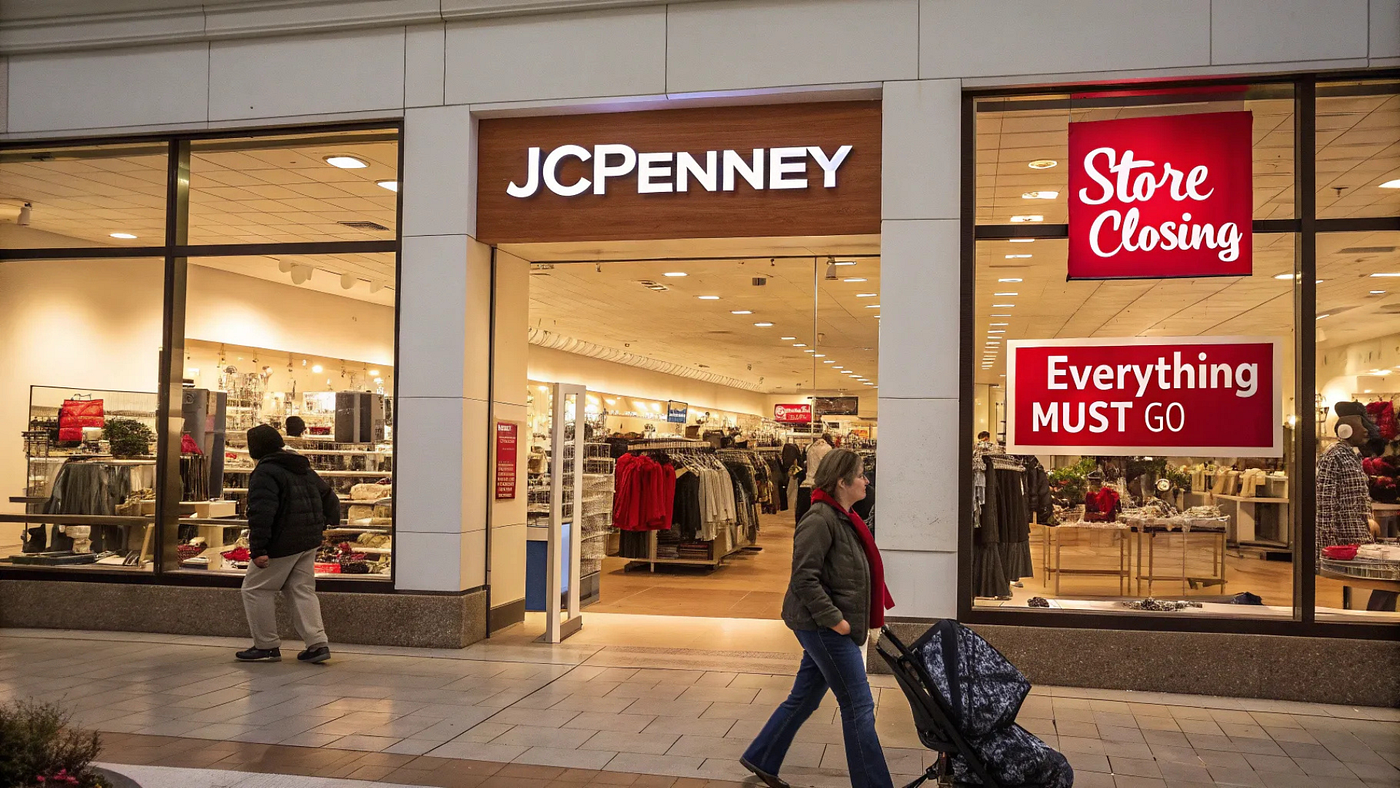
In the ever-evolving retail landscape, another chapter is being written as JCPenney prepares to shutter seven locations across the United States. If you’ve been following department store trends or are a loyal JCPenney shopper, these closures represent the latest adjustment in the company’s retail footprint since emerging from bankruptcy in 2020. Let’s dive into what’s happening, why it matters, and what it means for the future of this iconic American retailer.
The Final Countdown: Seven Stores Closing by May 25
This weekend marks the final days for seven JCPenney locations that have served their communities for years. By May 25, 2025, these stores will close their doors permanently, ending an era for shoppers who’ve relied on these locations for clothing, home goods, and more.
The affected locations span seven different states:
- The Shops at Tanforan in San Bruno, California
- The Shops At Northfield in Denver, Colorado
- Pine Ridge Mall in Pocatello, Idaho
- West Ridge Mall in Topeka, Kansas
- Fox Run Mall in Newington, New Hampshire
- Asheville Mall in Asheville, North Carolina
- Charleston Town Center in Charleston, West Virginia
If you’re a regular shopper at any of these locations, now’s your last chance to visit before they’re gone forever. Many stores are running final clearance sales, offering opportunities for significant savings on remaining merchandise.
The Missing Eighth Store
Interestingly, when JCPenney initially announced these closures in February 2025, they mentioned eight locations would shut down. The original announcement included all seven stores listed above plus a location at Westfield Annapolis Mall in Maryland. Recent reports have revealed that the current status of the Annapolis store remains unclear, leaving local shoppers uncertain about its future.
Understanding the Why: Reasons Behind JCPenney’s Decision
JCPenney has characterized these closures as “isolated” rather than part of a larger contraction strategy. According to company representatives, the decision to close specific stores typically stems from several factors:
- Expiring lease agreements
- Changes in local market conditions
- Store performance metrics
- Shifting consumer shopping patterns
The company has emphasized that these closures are unrelated to their recently announced Catalyst Brands merger, suggesting they’re part of normal business operations rather than a broader restructuring effort.
The Bigger Picture: JCPenney’s Current Retail Footprint
Despite these closures, JCPenney maintains a substantial presence in the American retail landscape. As of late April 2025, the company operated 656 stores nationwide. After these seven locations close, approximately 649 stores will remain.
The retailer maintains locations across 51 states and territories, with the highest concentration in:
- Texas: 72 stores (11% of all locations)
- California: 63 stores (10%)
- Florida: 44 stores (7%)
- New York: 27 stores (4%)
- Ohio: 25 stores (4%)
Only six states and territories lack a JCPenney presence: Guam, U.S. Virgin Islands, Northern Mariana Islands, Hawaii, District of Columbia, and American Samoa.
From Bankruptcy to Rebuilding: JCPenney’s Journey
To fully understand these closures, we need to look at JCPenney’s recent history. The company filed for Chapter 11 bankruptcy protection in May 2020, during the height of pandemic-related retail disruptions. That filing led to more than 200 store closures as the company restructured its operations.
JCPenney emerged from bankruptcy in December 2020 under new ownership — a partnership between Simon Property Group and Brookfield Asset Management Inc. Since then, the retailer has worked to stabilize its business and adapt to changing consumer preferences.
In 2023, CEO Marc Rosen told FOX Business that the company was revamping its product offerings, positioning JCPenney as a more affordable alternative to other department stores. The company also announced an investment exceeding $1 billion to enhance its store portfolio — a clear signal of commitment to physical retail despite industry challenges.
Strategic Moves: The Catalyst Brands Partnership
Early 2025 brought a significant development that may shape JCPenney’s future trajectory. The company partnered with Forever 21 to create a new entity called Catalyst Brands, which also includes several other retail names: Brooks Brothers, Aéropostale, Lucky Brand, Nautica, and Eddie Bauer.
This strategic merger is expected to result in 1,800 store locations and 60,000 employees across the combined brands. For JCPenney shoppers, this partnership could potentially bring new product lines and shopping experiences to remaining stores as the company leverages synergies across these established brands.
What This Means for Shoppers and Communities
While seven store closures represent just over 1% of JCPenney’s total footprint, the impact on local communities is significant. Department stores often serve as mall anchors, driving foot traffic that benefits smaller retailers. When these anchors close, it can accelerate mall decline and reduce local shopping options.
For shoppers in affected areas, alternatives include:
- Shopping at other nearby JCPenney locations
- Visiting competing department stores like Kohl’s, Macy’s, or Dillard’s
- Shopping online at jcpenney.com, which continues to offer the full range of merchandise
- Exploring the growing number of discount retailers expanding into former department store spaces
The Future of Department Store Retail
These closures reflect broader trends in American retail, where department stores continue to face challenges from e-commerce, discount retailers, and changing consumer preferences. However, JCPenney’s continued investment in its remaining stores suggests the company sees value in maintaining a physical presence.
The retailer appears to be taking a strategic approach — closing underperforming locations while investing in stores with stronger prospects. This “right-sizing” strategy has become common among traditional retailers adapting to the digital age.
Final Thoughts: What’s Next for JCPenney?
As JCPenney closes these seven locations, the company continues evolving under its post-bankruptcy ownership. The Catalyst Brands merger represents a bold attempt to create synergies across multiple retail names, potentially strengthening JCPenney’s competitive position.
For loyal shoppers, these changes signal a company in transition, not abandoning physical retail but adapting it to contemporary realities. Whether this strategy succeeds depends on JCPenney’s ability to deliver compelling merchandise, competitive pricing, and seamless omnichannel experiences that meet today’s consumer expectations.
If you’ve shopped at these closing locations, consider visiting one last time before May 25. And if you’re wondering about the future of your local JCPenney, the company’s continued investment in its store portfolio suggests many locations will remain viable shopping destinations for years to come.
FAQ Section
Why is JCPenney closing these specific stores?
While JCPenney hasn’t provided store-specific reasons, the company typically closes locations due to expiring leases, changing market conditions, or underperformance. These closures appear to be part of normal business operations rather than a larger contraction strategy.
Will more JCPenney stores close in 2025?
JCPenney has stated they “do not have plans to significantly reduce store count,” suggesting these seven closures are isolated cases rather than the beginning of a larger wave of shutdowns.
What happens to employees at closing stores?
JCPenney typically offers affected employees the opportunity to transfer to nearby locations when possible, though specific arrangements for these seven stores haven’t been publicly detailed.
Is JCPenney still in financial trouble?
Since emerging from bankruptcy in 2020, JCPenney has stabilized under new ownership. The company’s $1 billion investment in its store portfolio and the recent Catalyst Brands merger suggest a company focused on growth rather than survival.
How does the Catalyst Brands merger affect JCPenney shoppers?
Over time, this partnership may bring new product lines and shopping experiences to JCPenney stores as the company leverages synergies with brands like Forever 21, Brooks Brothers, and Eddie Bauer.
JCPenney #RetailNews #StoreClosure #DepartmentStores #ShoppingTrends #RetailStrategy #CatalystBrands #RetailTransformation
“JCPenney store closures May 2025,” “department store locations closing in 2025,” “what happens when JCPenney closes,” “JCPenney Catalyst Brands partnership impact,” “alternatives to closed JCPenney stores”
메타데이터
- post_id
- ea070d8780d0
- slug
- jcpenney-store-closures-2025-what-shoppers-need-to-know-about-the-latest-retail-shift-ea070d8780d0
- url
- https://medium.com/@finomicsedge/jcpenney-store-closures-2025-what-shoppers-need-to-know-about-the-latest-retail-shift-ea070d8780d0
- canonical_url
- https://medium.com/@finomicsedge/jcpenney-store-closures-2025-what-shoppers-need-to-know-about-the-latest-retail-shift-ea070d8780d0
- author_url
- https://medium.com/@finomicsedge
- status
- ok
- fetched_at
- 2026-08-02 01:42:06