Dagashi Diaries #10: Orion Mini Cola — A Can You’re Not Supposed to Drink
The instructions on the packaging say: don’t drink it. This is because the container looks exactly like a can of cola — a miniature…
Dagashi Diaries #10: Orion Mini Cola — A Can You’re Not Supposed to Drink
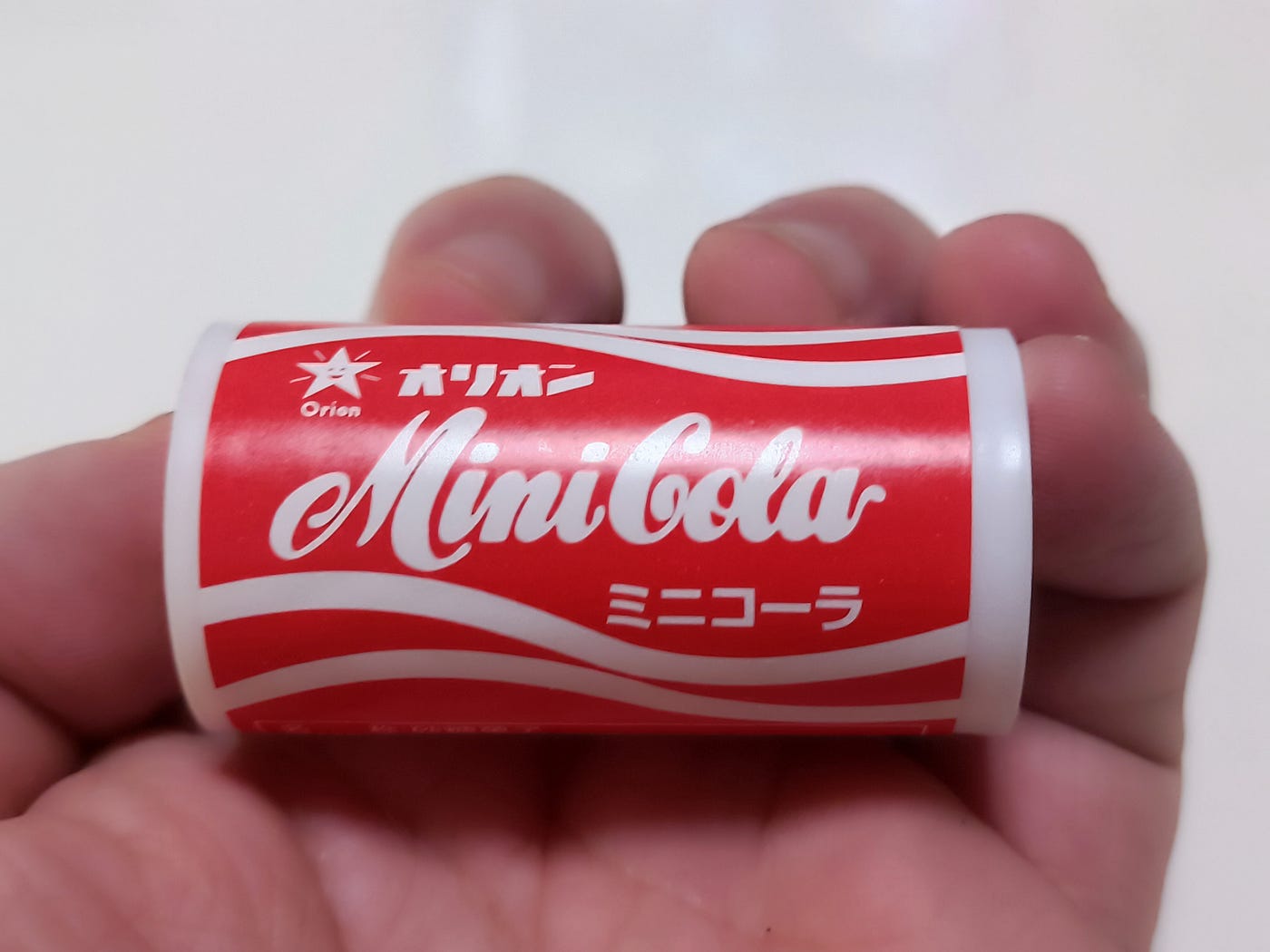
The instructions on the packaging say: don’t drink it. This is because the container looks exactly like a can of cola — a miniature pull-tab can, about 5cm tall, made of plastic — and Orion felt the warning was necessary. They were probably right.
Mini Cola launched in November 1978 and has never stopped selling. It is Orion’s best-performing product and one of the most recognised dagashi in Japan. At ¥36 (about $0.23) for 8g of cola-flavoured ramune candy, it has been the standard answer to the question of what to bring on a school trip for nearly five decades.
THE CAN
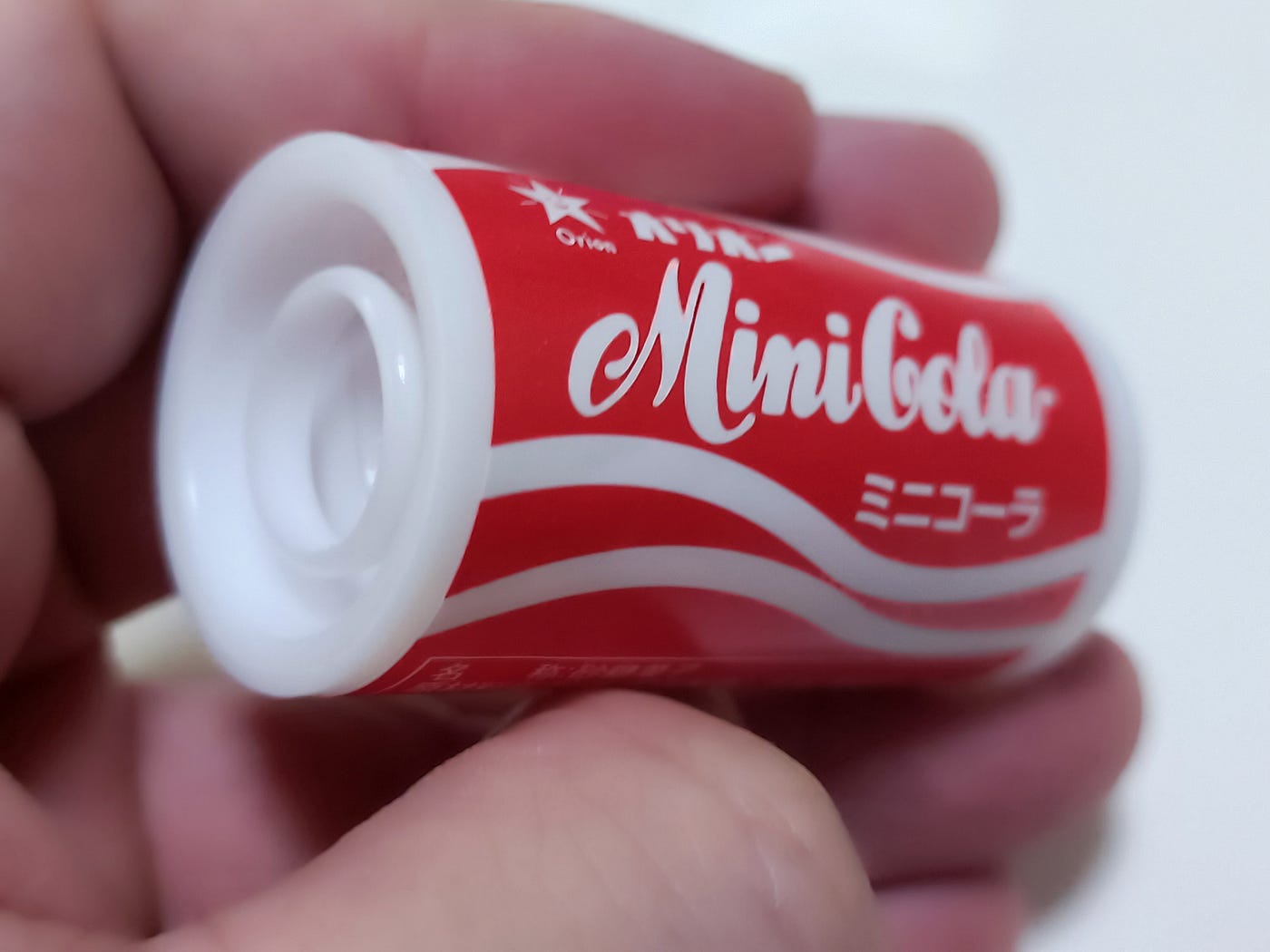
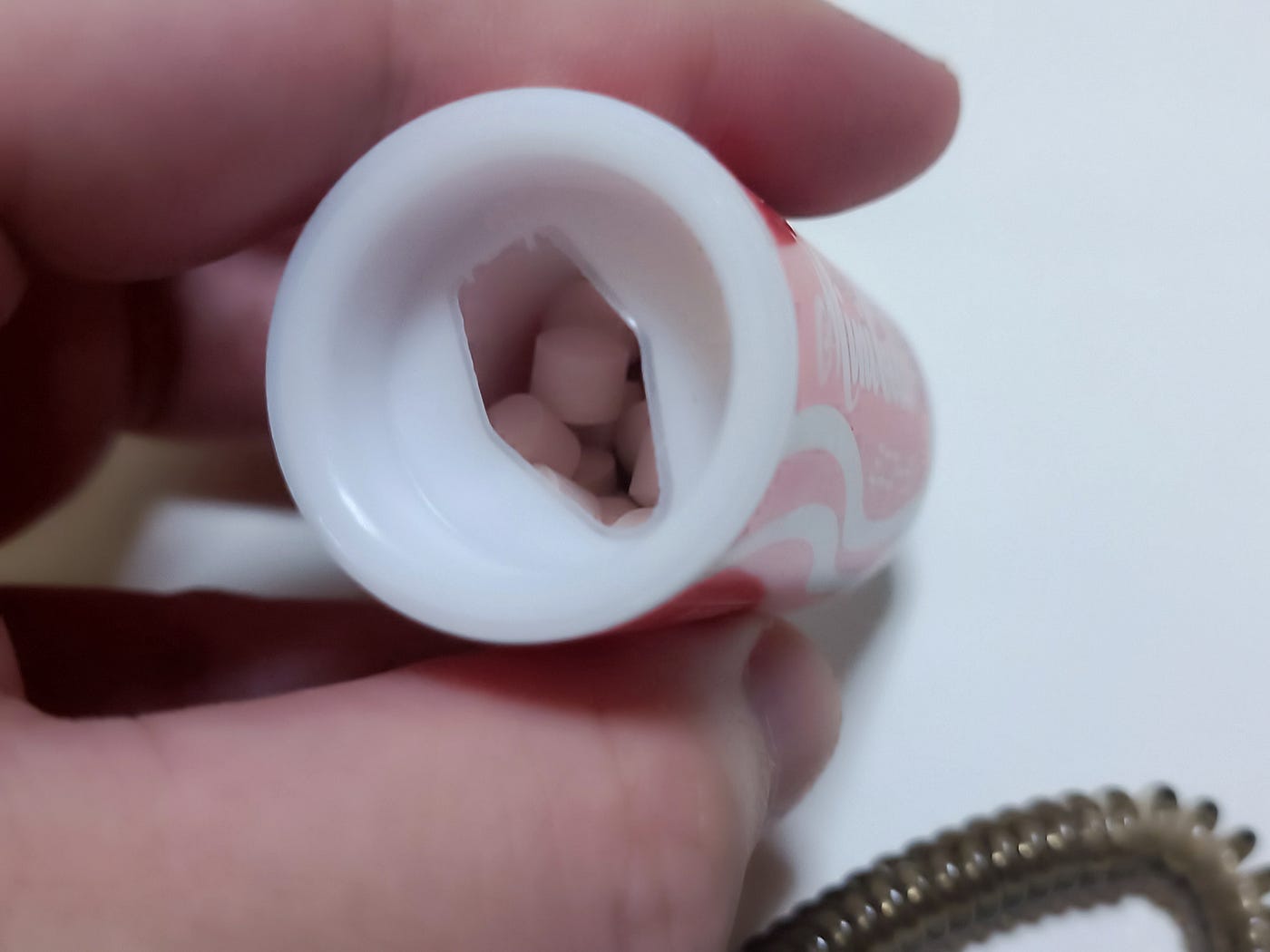
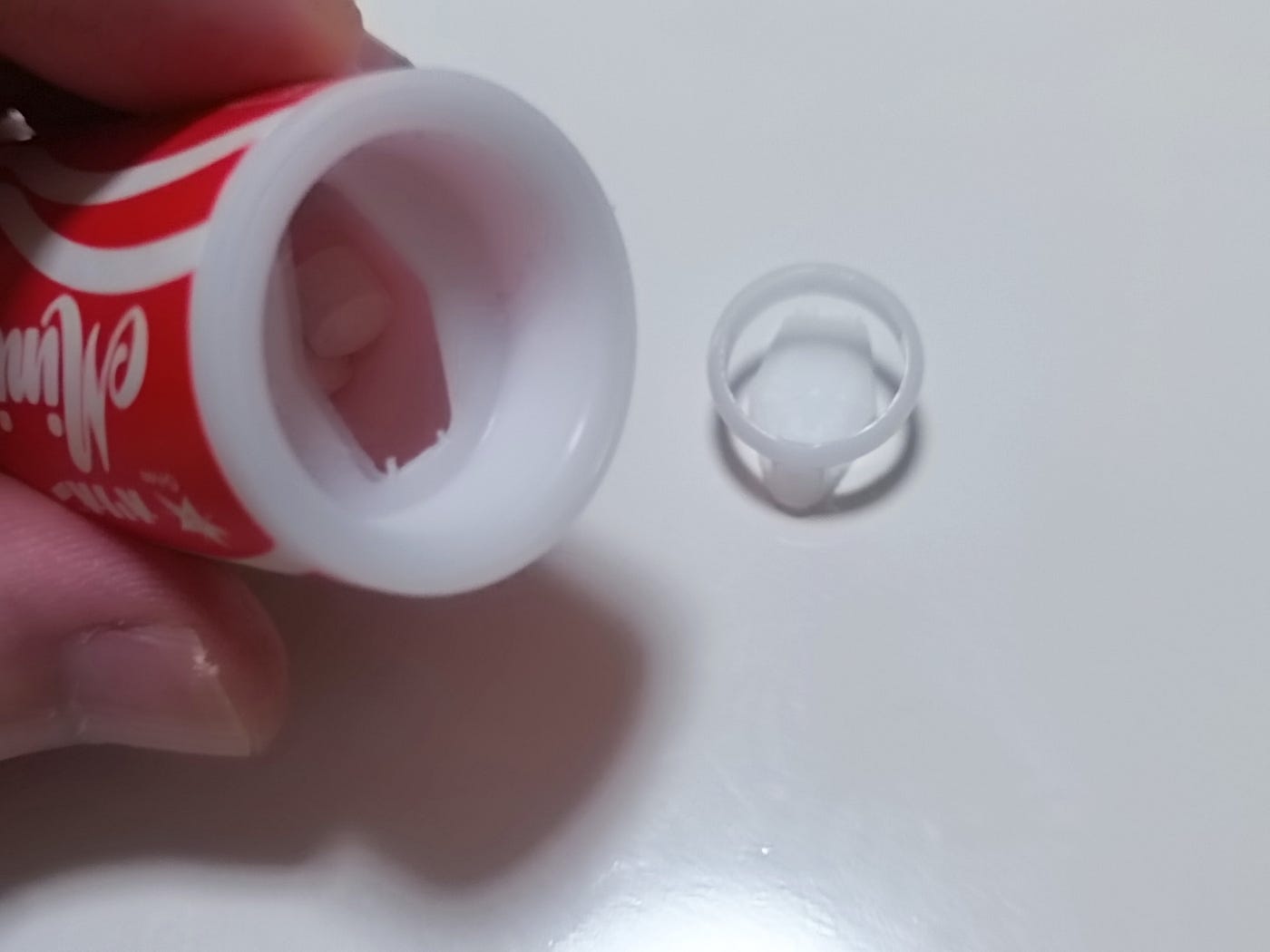
The container replicates a pull-tab can from the late 1970s — specifically the style where the tab was pulled entirely free and discarded, rather than folded back into the opening as modern cans do. That older design, the detachable pull-tab, was phased out over time precisely because the loose tabs became litter. Anyone under their late thirties has probably never encountered one in real life. The Mini Cola container preserves the design exactly: you pull the tab, the lid opens, and you’re looking at a pile of small ramune pieces inside.
It’s a small museum piece that also happens to be a snack.
THE TASTE
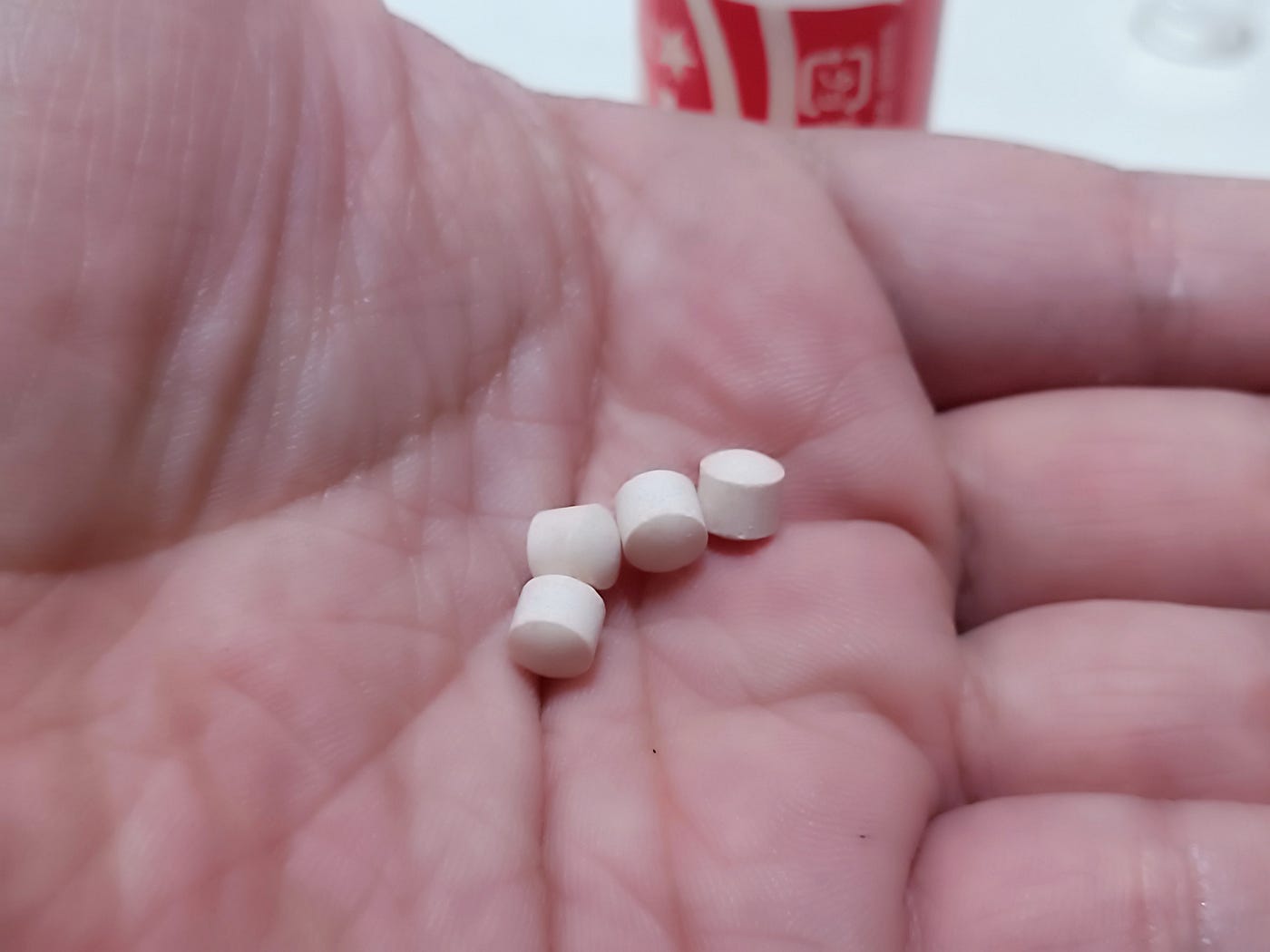
The flavour is dagashi cola — the category that exists separately from Pepsi, separately from Coca-Cola, with its own identity that anyone who grew up in Japan will recognise immediately. The first sensation on the tongue is a brief sourness — the ramune’s acidic component — and then the cola flavour follows and stays. It’s lighter than a real cola, sweeter, with no carbonation obviously, but the flavour read is unmistakably correct.
Eating several pieces at once concentrates both the sourness and the cola flavour considerably. One or two at a time is mild. A small handful is sharp and distinct. The candy rewards patience but doesn’t punish impatience.
At 40-plus pieces per container, ¥36 buys a meaningful amount of eating time.
THE SCHOOL TRIP ECONOMY
Japanese elementary school trips operate on an unofficial barter system. Children bring their allotted snack budget worth of dagashi and spend part of the trip negotiating exchanges — this for that, two of these for one of those. Mini Cola was well suited to this economy: the container made it visually interesting, the piece count was high enough to offer generously, and the flavour was familiar enough that almost everyone wanted some. It functioned as both currency and entertainment.
This is the kind of snack that doesn’t just taste like something — it tastes like a specific time of year, a specific age, a specific set of circumstances that most people can place exactly.
Orion Mini Cola is available at dagashi shops, convenience stores, and supermarkets across Japan. ¥36 per container (about $0.23 at April 2026 rates), 8g, 40+ pieces. Made by Orion Co., Ltd. Launched November 1978.
메타데이터
- post_id
- ea2ebfd117d9
- slug
- dagashi-diaries-10-orion-mini-cola-a-can-youre-not-supposed-to-drink-ea2ebfd117d9
- url
- https://medium.com/@hiro3714/dagashi-diaries-10-orion-mini-cola-a-can-youre-not-supposed-to-drink-ea2ebfd117d9
- canonical_url
- https://medium.com/@hiro3714/dagashi-diaries-10-orion-mini-cola-a-can-youre-not-supposed-to-drink-ea2ebfd117d9
- author_url
- https://medium.com/@hiro3714
- status
- ok
- fetched_at
- 2026-06-21 20:33:08