What Is Conversation Intelligence?
It’s not a recording tool. It’s not a note-taker. Here’s what it actually does.
What Is Conversation Intelligence?
(And Why It Changes Everything About How You Communicate at Work)
It’s not a recording tool. It’s not a note-taker. Here’s what it actually does.
Picture this.
You’re on a sales call. The prospect hits you with a pricing objection you weren’t expecting. Your mind goes blank for a second. You buy time with “great question” while internally scrambling for a response.
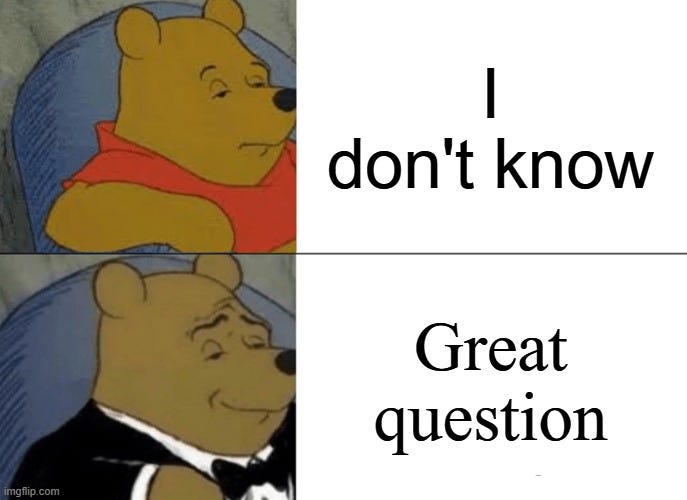
You’ve been there. Everyone has.
Now imagine you had a co-pilot sitting next to you who had read every sales call transcript you’d ever done, every objection you’d ever faced, and every winning response that closed a deal. They whisper the answer before you even finish processing the question.
That’s what conversation intelligence does. Not after the call. During it.
So What Actually Is Conversation Intelligence?
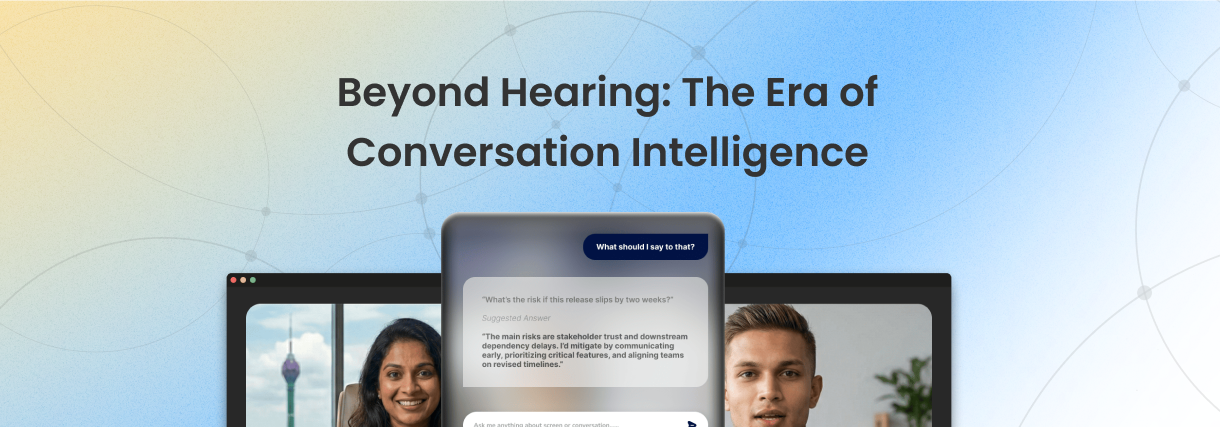
Conversation intelligence is AI technology that analyses spoken conversations in real time and surfaces relevant information, suggested responses, and insights while the conversation is still happening.
The keyword is real-time.
Most people confuse it with transcription tools like Otter or Fireflies. Those tools listen to your meeting, record it, and give you a transcript when it’s over. Useful, sure. But by the time you’re reading that transcript, the meeting already happened. The moment passed.
Conversation intelligence works differently. It processes what’s being said as it’s being said, and brings you what you need right now. Key talking points. Risk flags. Suggested answers. Context pulled from your CRM or project tools. All while you’re mid-sentence.
Think of the difference between a dashcam and a GPS. A dashcam records everything so you can look back later. A GPS tells you to turn left before you miss the exit.
Who Actually Uses This?
The short answer: anyone who has high-stakes conversations at work.
Sales reps use it to handle objections on the spot without going quiet or giving a clumsy answer. Project managers use it during stakeholder calls to keep track of risks, action items, and decisions as they happen. Job applicants use it during interviews to stay calm and articulate when a question catches them off guard.
And founders? They use it for investor updates and board meetings, where saying the wrong thing can actually cost you money.
It sounds like a niche tool for power users. But it is simpler than that. If you have ever left a meeting thinking, “I should have said that” then you are exactly who this is for.
Why Didn’t This Exist Five Years Ago?
It did. Just badly.
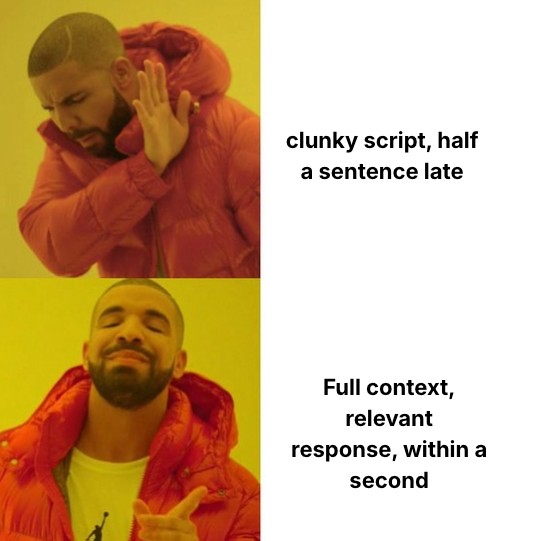
Early versions existed in call centres. Scripts would pop up on agent screens based on keywords. Clunky. Slow. Usually half a sentence behind the conversation.
What changed is the underlying AI. Large language models got good enough to understand the context of a conversation, not just trigger on keywords. When a prospect says “your competitor is cheaper”, a keyword-based system flags “competitor” and shows a generic discount script. A modern conversation intelligence tool understands the full context of that objection and surfaces a specific, relevant response.
The other thing that changed is latency. The models got fast enough to be genuinely real-time. A response that arrives three seconds after you need it is still useless. That gap closed.
The Part Nobody Talks About: What It Does After the Call
Real-time support is the headline. But what happens when the call ends matters too.
Good conversation intelligence software automatically generates a structured meeting summary, a list of action items, and a draft follow-up email. Not a transcript. An actual summary written the way you would write it, with the key decisions and next steps pulled out.
If you run three client calls a day, that alone saves you 30 to 45 minutes of note-taking and email drafting. Every day.
Is This Just for Enterprise Companies?
That used to be the case. The first generation of conversation intelligence platforms cost thousands per month and were built for large sales teams with dedicated managers to set them up.
That has changed quickly. Current tools have brought real-time conversation intelligence to individual professionals and small teams. The pitch is simple: you get the same in-call support and automated follow-ups whether you are a solo founder running investor meetings or a fresh graduate sitting your first job interview.
The barrier used to be price and complexity. Neither excuse holds now.
The Honest Summary
Conversation intelligence is not magic. It does not make you a better communicator by itself.
What it does is remove the cognitive load of trying to remember, process, respond, and take notes all at the same time. That is genuinely hard. It is what makes high-stakes conversations feel high-stakes.
Take that burden away, and most people find they actually are better communicators. They just needed the space to show it.
If you have ever finished a meeting wishing you could have a second go at it, this technology exists specifically for you.
If you want to try real-time conversation intelligence during your next meeting, Flowly is worth looking at. It works during live calls and handles the follow-up automatically.
→ Try Flowly free at **meetflowly.com**
메타데이터
- post_id
- ea389b49fada
- slug
- what-is-conversation-intelligence-ea389b49fada
- url
- https://medium.com/@senithalanerolle/what-is-conversation-intelligence-ea389b49fada
- canonical_url
- https://medium.com/@senithalanerolle/what-is-conversation-intelligence-ea389b49fada
- author_url
- https://medium.com/@senithalanerolle
- status
- ok
- fetched_at
- 2026-08-02 11:42:58