Trade Shows vs Online Sourcing: What Works Better for Textile Buyers?
In textile sourcing, one of the recurring questions for buyers is whether it’s more effective to attend trade shows or to search for…
Trade Shows vs Online Sourcing: What Works Better for Textile Buyers?

Trade Shows vs Online Sourcing: What Works Better for Textile Buyers
In textile sourcing, one of the recurring questions for buyers is whether it’s more effective to attend trade shows or to search for suppliers online. Both approaches offer unique benefits and challenges, and the “right” choice depends on your business stage, sourcing goals, and resources.
Let’s break down the pros and cons of each, then provide practical advice based on buyer profiles — from startups to established procurement teams.
The Case for Trade Shows
Advantages
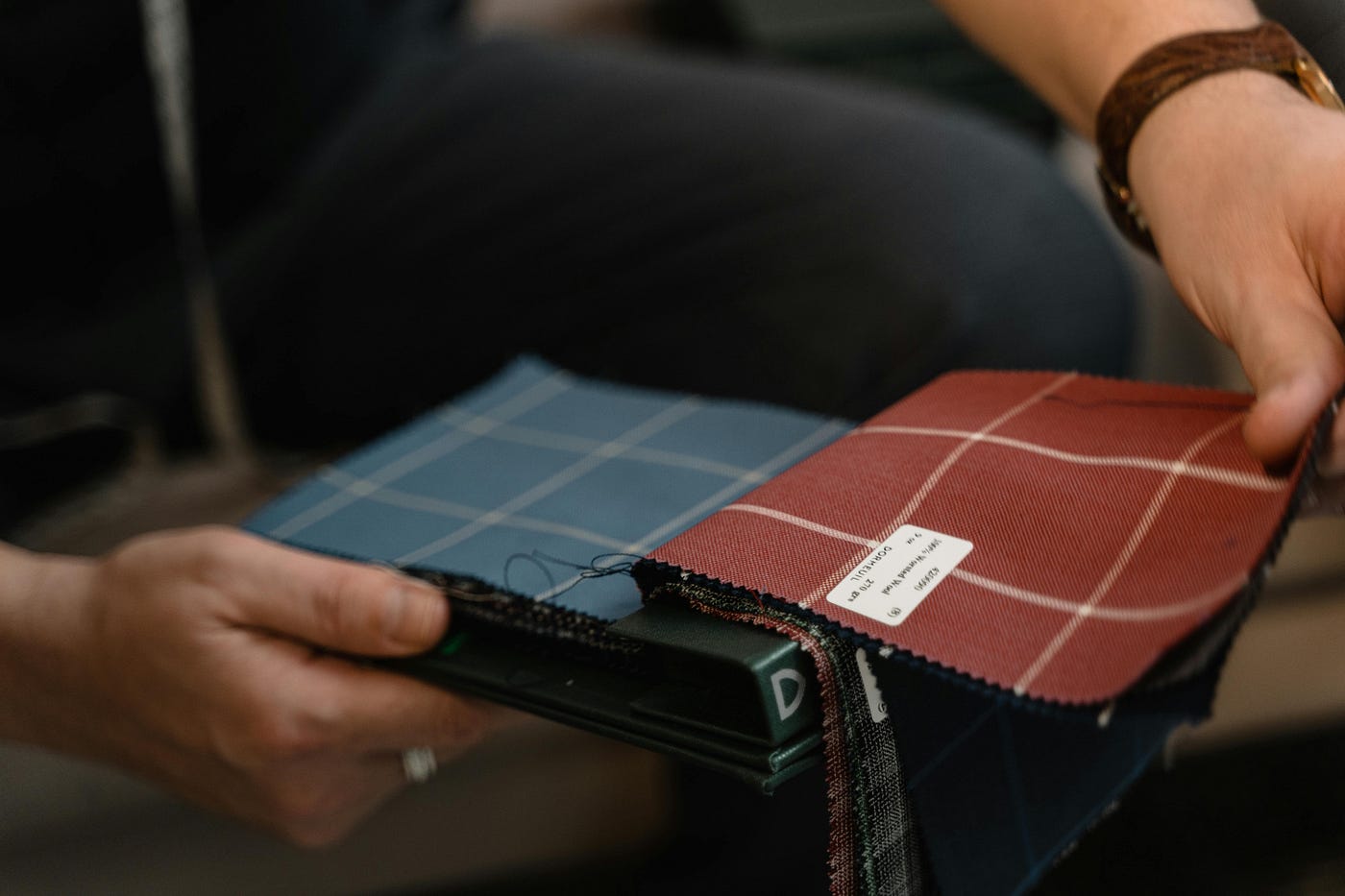
- Face-to-Face Interaction: Meeting suppliers in person builds trust faster. You can shake hands, touch fabrics, and see product quality up close.
- Networking Opportunities: Trade shows bring together industry peers, trend experts, and technology providers, offering inspiration beyond supplier discovery.
- Comprehensive Showcase: Large-scale shows can gather hundreds of textile suppliers under one roof, saving time compared to scattered online searches.
Disadvantages
- High Costs: Travel, accommodation, and registration add up quickly. For buyers, attending major global textile trade fairs can cost thousands of dollars.
- Time Commitment: Multi-day events require you to pause daily operations. For small teams, this is a significant opportunity cost.
- Overwhelming Scale: With hundreds of booths, it can be difficult to focus, and you may leave with only a handful of viable contacts.
The Case for Online Sourcing
Advantages
- Global Access: Online sourcing platforms open doors to suppliers across continents without requiring travel.
- Convenience: You can research, compare, and communicate with suppliers anytime, without leaving your office.
- Scalability: Digital sourcing allows you to evaluate more suppliers faster, filtering by region, certifications, or product type.
Disadvantages
- Trust Gap: Without in-person interaction, verifying credibility can be harder. Samples and third-party audits are essential.
- Information Overload: Online platforms list thousands of suppliers, making it challenging to identify who’s truly reliable.
- Less Tangible Assessment: You can’t immediately touch fabrics or inspect quality in the early stages.

Practical Advice by Buyer Profile
1. New brands or startups
- Why attend trade shows? For first-time buyers, exhibitions offer a crash course in the market. You can discover suppliers, touch fabrics, and gain a clearer understanding of pricing, quality standards, and trends in one trip.
- Why try online sourcing? Startups often have limited budgets and smaller order volumes. Online platforms let you test suppliers without major upfront travel costs, and many trading companies online accept lower MOQs.
2. Experienced buyers or sourcing managers
- At trade shows: Use them for relationship-building and trend scouting rather than initial supplier discovery. Trade shows are valuable for maintaining supplier connections and negotiating face-to-face.
- Online sourcing: Experienced buyers already know what to look for. Digital platforms allow quick comparison, supplier vetting, and faster sample ordering without leaving the office.
3. Large-scale buyers or established brands
- At trade shows: Exhibitions can be effective for supplier audits, introducing new product categories, or meeting multiple partners in a short time.
- Online sourcing: For routine procurement, digital channels are often more efficient, especially when working with long-term suppliers or running multiple tenders simultaneously.
In short, your choice should align with your brand’s maturity level, order volume, and sourcing goals.
Supplier’s Perspective: Why Many Are Rethinking Trade Shows
From the supplier side, the cost of attending trade shows has become increasingly difficult to justify. A single event can cost upwards of $10,000 USD once you factor in booth fees, promotional materials, and staff travel. Yet the return on investment often amounts to just a few business cards — and many of these leads never convert into actual orders.
As a result, more textile suppliers are turning to online channels, social media, and direct outreach. These methods are not only more cost-effective but also allow suppliers to connect with highly targeted buyers rather than relying on foot traffic at a booth.
Final Thoughts
For textile buyers, trade shows still offer unmatched value when it comes to relationship building and experiencing fabrics firsthand. However, online sourcing provides scale, efficiency, and accessibility — especially important for newer or resource-conscious brands.
In practice, many buyers adopt a hybrid approach: using online platforms for initial research and supplier comparisons, then meeting shortlisted suppliers at trade shows or during factory visits.
From the supplier’s side, the industry is shifting. As digital sourcing becomes the norm, trade shows may play a smaller role, with many companies prioritizing cost-effective online strategies.
Let’s Continue the Conversation
What has worked better for you — trade shows or online sourcing? Have you found one more reliable for discovering textile suppliers? Share your experiences in the comments, or reach out directly to discuss what sourcing strategies fit your business model.
메타데이터
- post_id
- ea7b549dc87d
- slug
- trade-shows-vs-online-sourcing-what-works-better-for-textile-buyers-ea7b549dc87d
- url
- https://medium.com/@fanterco.melinda/trade-shows-vs-online-sourcing-what-works-better-for-textile-buyers-ea7b549dc87d
- canonical_url
- https://medium.com/@fanterco.melinda/trade-shows-vs-online-sourcing-what-works-better-for-textile-buyers-ea7b549dc87d
- author_url
- https://medium.com/@fanterco.melinda
- status
- ok
- fetched_at
- 2026-08-01 17:22:33