Stop saying “I hope you land an interview”.
Please don’t tell anyone to focus on the job-hunt if you care about them. Send them this article instead.
Stop saying “I hope you land an interview”.
Please don’t tell anyone to focus on the job-hunt if you care about them. Send them this article instead.
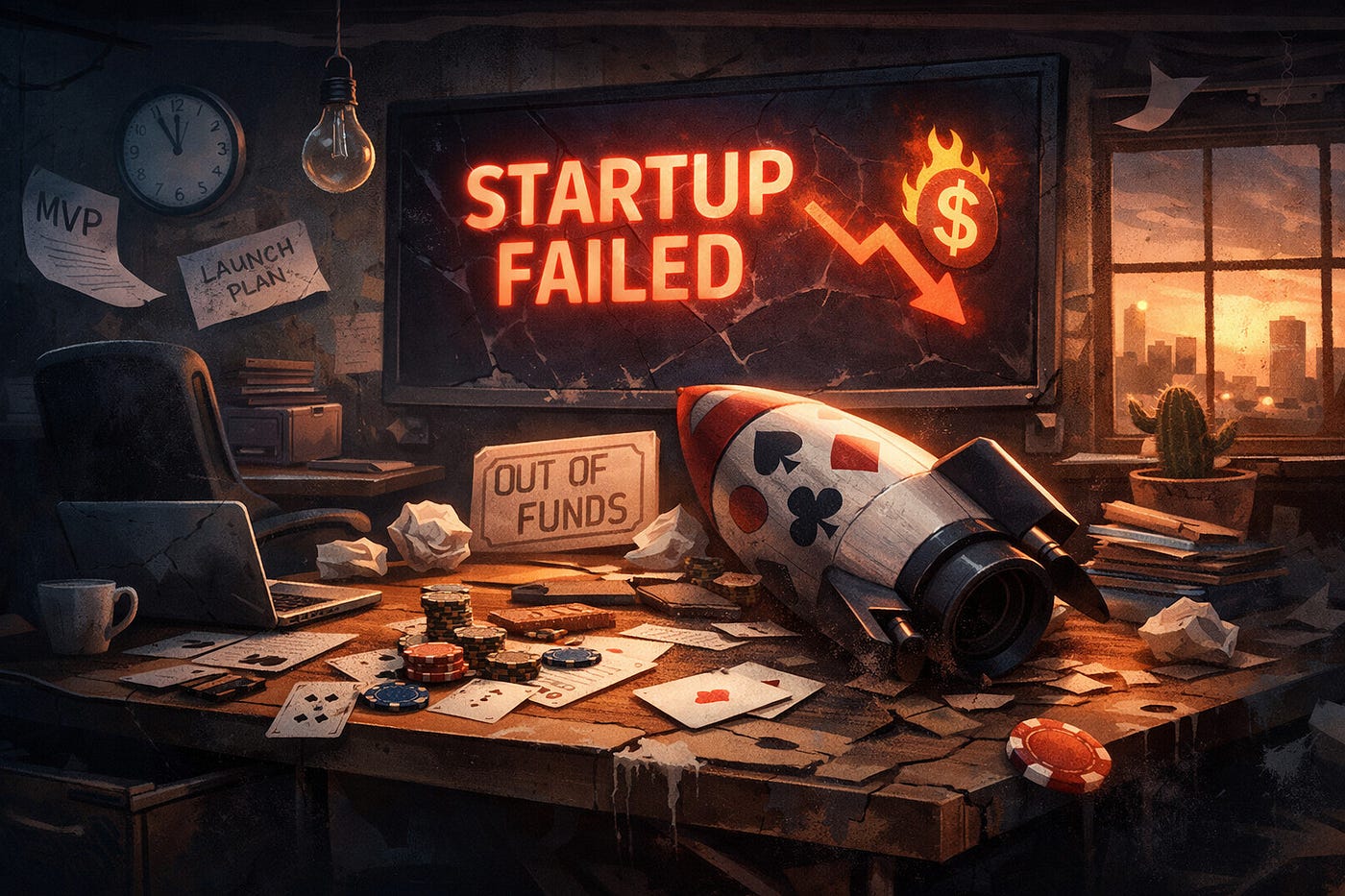
Credit: Nicholas Kusuma
The world is full of goodwill, good intentions, and naive thoughts mixed in-between.
It is a really tough time to be mentoring, with massive layoffs and tens of thousands of professionals losing their rice bowls every other fortnight.
“How am I going to feed my family? How am I going to pay my mortgage?”
“You’ll land something soon. Keep going!”, echoes the thoughts and well-wishes of those who didn’t get laid off. Defeated but trudging along, those laid-off set out to have 6-month plans to get employment. 6-months became a year, and before long, a year nearly becomes two.
The biggest mistake most people make after getting laid off is hoping you’ll get a job again.
The market is not going to recover
Something I’ve noticed within hiring networks in the industry is that companies are basically cycling through their talent networks on cues. The same type of professional is getting hired, the same cycle of promotions and layoffs happen. The same processes over and over again, like automated clockwork.
When you start hearing the same stories over and over, it becomes difficult to not notice the eerie patterns and similarities that leads to one sane conclusion:
There are limited spots in the pool. Once you’re out, you’re out.
You know what this means, the moment you lose a job, the chances of you getting another is *slim** at best.
What does the data say?*
I’m not here to sell sentiments without evidence. As of 2024, based on the data on Levels.fyi, Indeed, and LinkedIn (USA-focused markets), 60% of tech professionals (Software engineers, PMs, Designers) get a new job in 6 months.
However, 20% of those in the layoffs pool also fail to secure a role after 9 months and counting, and the number dibs to 5.8% after a year.
The good news: This means that tech still has a pretty low unemployment rate.
The bad news: You’ll be sitting pretty for quite some time if you’re not in ideal circumstances*.
*Ideal circumstances: Living in a big city, working in-office, have relevant skills the industry needs, don’t need visa sponsorships, young. To name the few.
The realistic formula of how long you’ll take to land your next role
Before we talk about actions, let’s talk about time. Because planning time effectively is the most critical thing to do to manage expectations and prevent disappointments.
The baseline timeframe starts at 3 months (average for a mid-level, local tech worker in a stable industry).
Are you living in a big city where tech companies are based? -1 month Are you willing to work onsite / hybrid? -0.5 month Are you in a sought-after industry? (AI/ML/Cloud/Cyber-security/Fintech) -1 month Are you a junior professional? +2 months Are you a senior professional? +1 month Are you Staff/Principal/Lead? -0.5 month Are you a manager? +1 month Have direct leads / referrals? -1 month Are you a middle-aged professional? +3 months Are you only working remote? +2 months Are you in legacy tech? (jQuery, non-cloud Infra) +3 months Was there a major layoff in your industry lately? +1 month
I’ve made this based on a few friends’ profiles, and from sample counts it’s pretty accurate. A mid-level software developer working in Berlin should find a job in about 1.5 months. This is accurate according to LinkedIn quant data and my friend’s actual experience.
And it seems I might take more than 6 months to find my next role. Tough shit.
If you’re under a 6-month estimate, good for you! Just keep applying and you’ll land something.
What to do if you’re looking at >6 months but under a year
This is a tricky one because I belong to this group and ngl, it’s boring as sh*t. The tough thing isn’t the interviews or the assignments and tests, the toughest thing is trying not to die of boredom and maintaining a decent schedule.
I’ve just completed my 2nd month of job hunting, with ~60 applications (rookie numbers I know, but I don’t believe in mass applications) and only 4 companies I’ve talked to seriously, there’s basically a lot of spare time of nothingness to do.
Not losing my mind to the endless void of time between rejections and ghosting is my main challenge. And so, here’s my advice on how to cope with it (what I am actually doing):
- Apply sparingly: I never spend more than 1 working day on applications a week. Target and choose where you apply to because you’ll also have to manage the rejections coming in.
- Side hustle: There is a huge demand for freelance work in the industry right now. Companies can’t commit to full-time hires, but short-term work is greatly needed. Network, promote your skills, be open to work. Getting temporary pay is better than no pay at all.
- Learn a new skill: You have a lot of free time, dedicate 2-3 days a week to learning something. Vibe-coding, language, marketing, whatever. Pick something that can be learned in 6 months and keep at it.
At the end of your time in unemployment jail, you should have a decent side hustle built up and a new skill to brag about, on top of a new job.
Go figure! Consistency is key.
What to do if you’re looking at >12 months
I personally would rather prefer to be in this group, but the grass is always greener on the other side. With more time, comes a slightly different strategy.
- Focus on pivoting: Upskilling yourself becomes the most important thing for people in this group. Be it changing industries or picking up a sought-after specialisation in your area, you have the time to commit.
- Switch to freelance: Don’t apply to jobs / roles, apply to projects that you can learn from and build relevant experience in your resume. If you’re in this group, you’re not sought-after, so you need to make yourself so through this manner.
- Learn to market yourself: Volunteer at events, network online and offline. You need to make your name known to local network so you increase your chances.
Does this strategy work? A laid-off tech recruiter friend of mine basically switched over to freelance and pivoted to a non-tech industry. This wasn’t by luck, because he did try to get back into tech recruitment for almost a year before he realised it wasn’t going to work out.
But it’s not that there isn’t opportunities, they just take work to attain. And he found an industry he wanted to pivot to, put in the effort to learn the technical skills for, and with some networking in a local hub, he is full-time freelance earning decent dough while also having more freedom with a 3-day work week.
Sometimes, the outcome doesn’t have to always be a full-time job.
Don’t hope for a job, work for it
While I hate over-generalising statements because everyone is in a different situation and will have different risk tolerances and resources to manage layoffs, we all need to put in some level of effort to get out of the unemployment rut.
Not all layoffs are equal, and that’s why it’s important to reflect and get an accurate sense of where you’re at, and be able to customise a plan that’ll actually get you to success.
6-months of unemployment can look very different for different people. At the end of the day, the industry statistics have spoken: Those who cannot get employment have structural gaps they need to fix aka you need a game plan to follow and be consistent for.
I personally noticed more interesting roles opening up this upcoming quarter, and there are tons of interesting positions in both tech and non-tech hungry for talented individuals.
But these roles take time. From the grapevine to the actual position getting approved and ready for application, it can take months. And it doesn’t quite make sense to do nothing and wait during that time.
There is no more instant gratification thanks to tech capitalism, and maybe that’s a good thing, because at least now, career gaps are becoming such a commonality that HR won’t blink at them anymore.
Closing thoughts
Awareness is a big part of why I write about my career journey as a designer, even in the midst of failure where I get laid off and I ‘struggle’ with successful applications.
Because at some point in your career, if you compare profiles of designers of the same calibre in your network, you will realise the difference between designers who are employed or not depends on two factors: Luck and Consistency.
If you’re not lucky, be consistent. If you’re consistent, prepare to get lucky.
I’ve always said luck is when opportunity meets preparation. So constant progress and growth on your side matters.
With this article, I hope you can take away the following (which I have devised and tested with friends and mentees alike):
- Calculate how long your job hunt will last
- Think of strategies depending on your expected unemployment gap
- Focus on small goals to help with your unemployment situation
As of today, tech unemployment stands at 3.5% (globally), that’s way lower than global averages of 5.5%. Demand is still there, and you’re part of the supply.
The only question is what kind of demand you can supply. Full-time employment, freelance gigs, short-term projects… every job counts and there is a market for everyone if you can adjust expectations.
So don’t worry, understand your situation, and make a plan to tackle it. You can do this!
P.S. I’m currently on freelance gigs. Life ain’t that bad.

Like the article? Hold the clap button to clap as much as you can or give me a follow! Clapping is free and it helps me get this article to more readers ❤️ I’d love to hit 1K.
메타데이터
- post_id
- ea7f066a7e72
- slug
- stop-saying-i-hope-you-land-an-interview-ea7f066a7e72
- url
- https://blog.prototypr.io/stop-saying-i-hope-you-land-an-interview-ea7f066a7e72
- canonical_url
- https://blog.prototypr.io/stop-saying-i-hope-you-land-an-interview-ea7f066a7e72
- author_url
- https://medium.com/@melkoh
- status
- ok
- fetched_at
- 2026-06-10 18:44:10