Your Genes May Predict Your Lifespan — Check Before It’s Too Late!
Imagine possessing the ability to ascertain your lifespan through a simple DNA test. Recent advancements in human genetics suggest that we…
Your Genes May Predict Your Lifespan — Check Before It’s Too Late!
Imagine possessing the ability to ascertain your lifespan through a simple DNA test. Recent advancements in human genetics suggest that we may be closer to achieving this goal than previously thought.
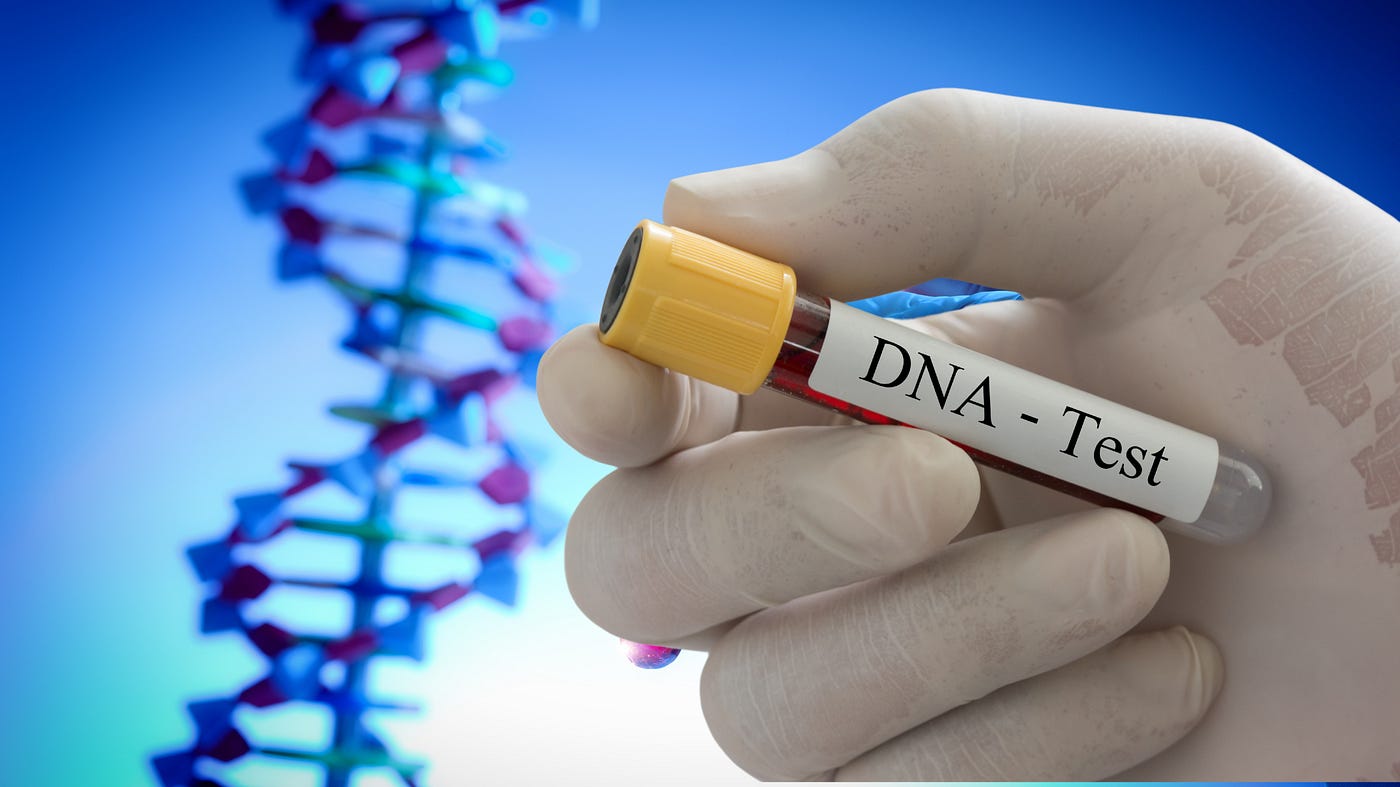
A simple DNA test may tell you your story
Death is a complex process that surpasses the concept of living until it occurs. Each day we live presents a new opportunity, and predicting the precise moment of our demise is influenced by a multitude of external and internal factors. While external factors, such as our environment, are beyond our direct control, we can effectively manage and optimize the internal factors that impact our longevity. By focusing on the aspects within our influence, we can extend our lives and experience a fulfilling existence.
The adage “I don’t want to live long but I want to die young” encapsulates a common desire for a youthful existence in advanced age. This aspiration does not necessarily imply an early death, but rather a desire to maintain a youthful spirit and vitality until the end of life.
Furthermore, the desire to live beyond the century mark is not uncommon.This does not mean I want to die early, but it means I want to be still young in my 80s and 90s before I die. And I dont want to live beyond 100.
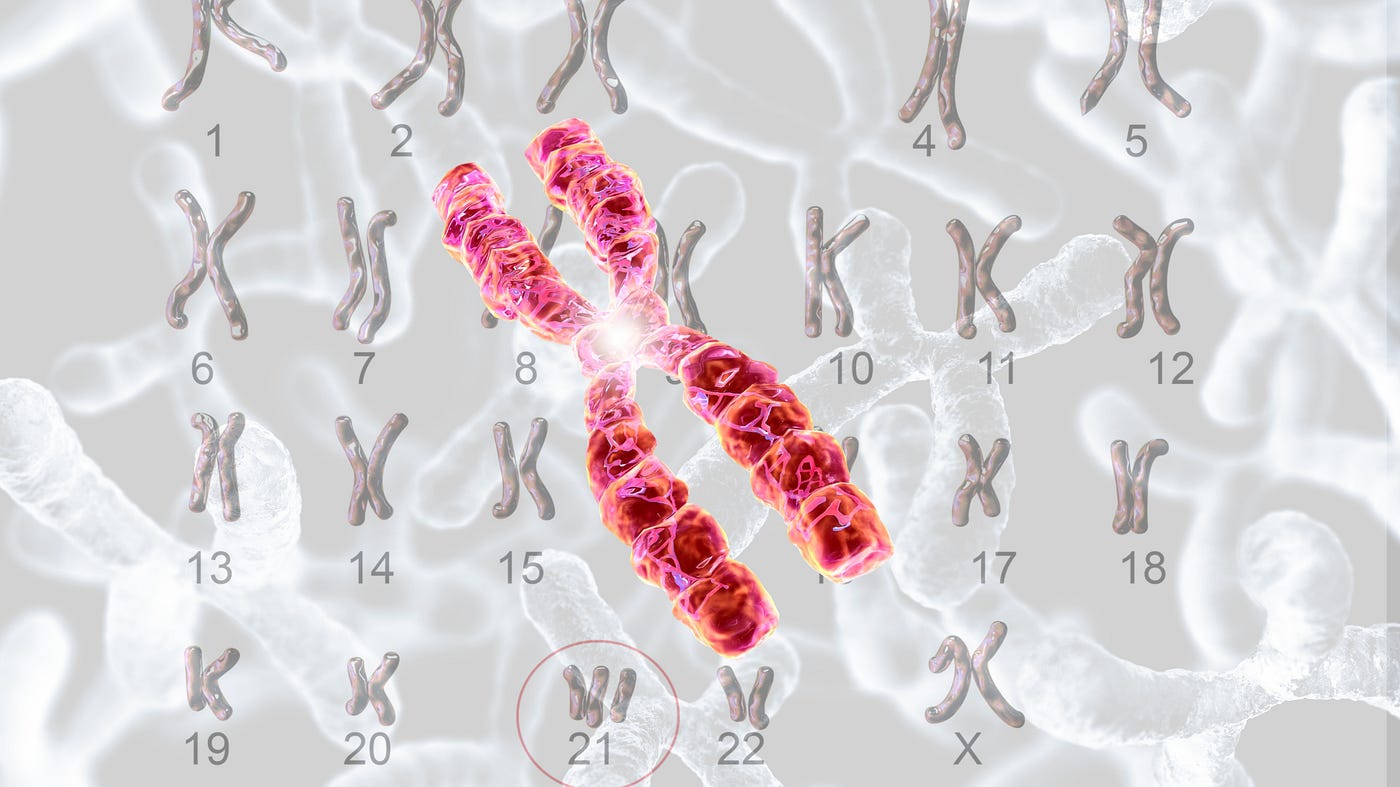
Your telomeres may help you live longer
Can Genetics Predict Longevity in Humans?
If you die a natural death, your genome and genes are responsible for your slow aging and eventual death. Scientists have proposed various theories of aging, including the entropic theory, the hormonal theory, and the mitochondrial theory.
While these theories are valuable in their own right, they fail to explain the root cause of aging. Only the telomeres and telomerase theory of aging can provide a comprehensive understanding of the ultimate cause of aging, which we will explore in more detail in “linking telomeres and telomerase to longevity.”
Your genes determines your longevity
The Genes That Determine Longevity
Biologists have discovered numerous genes linking to cell cycles, DNA stability, DNA repair, growth and aging, apoptosis, autophagy, insulin signaling, telomerase activity, and maintaining telomere length. These genes have been linked to longevity and known to be secrets to reverse aging. Here, I have listed the top 10 genes determining longevity in human with their function and references.
| Gene | Gene Name       | Function                            | References          |
|------|-----------------|-------------------------------------|---------------------|
| FOXO3| Forkhead Box O3 | Regulates stress resistance         | Wilcox et al.,2008  |
| SIRT1| Sirtunin 1      | Enhances DNA stability & cell repair| Guarente, 2013      |
| SIRT6| Sirtuin 6       | DNA reapir and glucose meatabolism  | Kanfi et al., 2012  |
| TERT | Telomerase RT   | Maintains telomerase length         | Shay & Wright, 2011 |
| LMNA | Lamin A/C       | Strucutral comp. of nuclear envelope| Eriksson et al.,2003|
| IGF1R| Insulin like GF1| Regulates growth and aging          | Suh et al., 2008    |
| TP53 | Tumor protein 53| Regulates cell cycle and Apoptosis  | Feng et al., 2007   |
| APOE | Apolipoprotein E| Lipid metsbolism and brain aging    | Belloy et al.,2019  |
| MTOR | MT of Rapamycin | Controls cell growth and autophagy  | Johnson et al.,2013 |
| KL   | Klotho          | Aging and insulin signaling         | Kuro-o et al.,1997  |
Linking Telomeres and Telomerase to Longevity
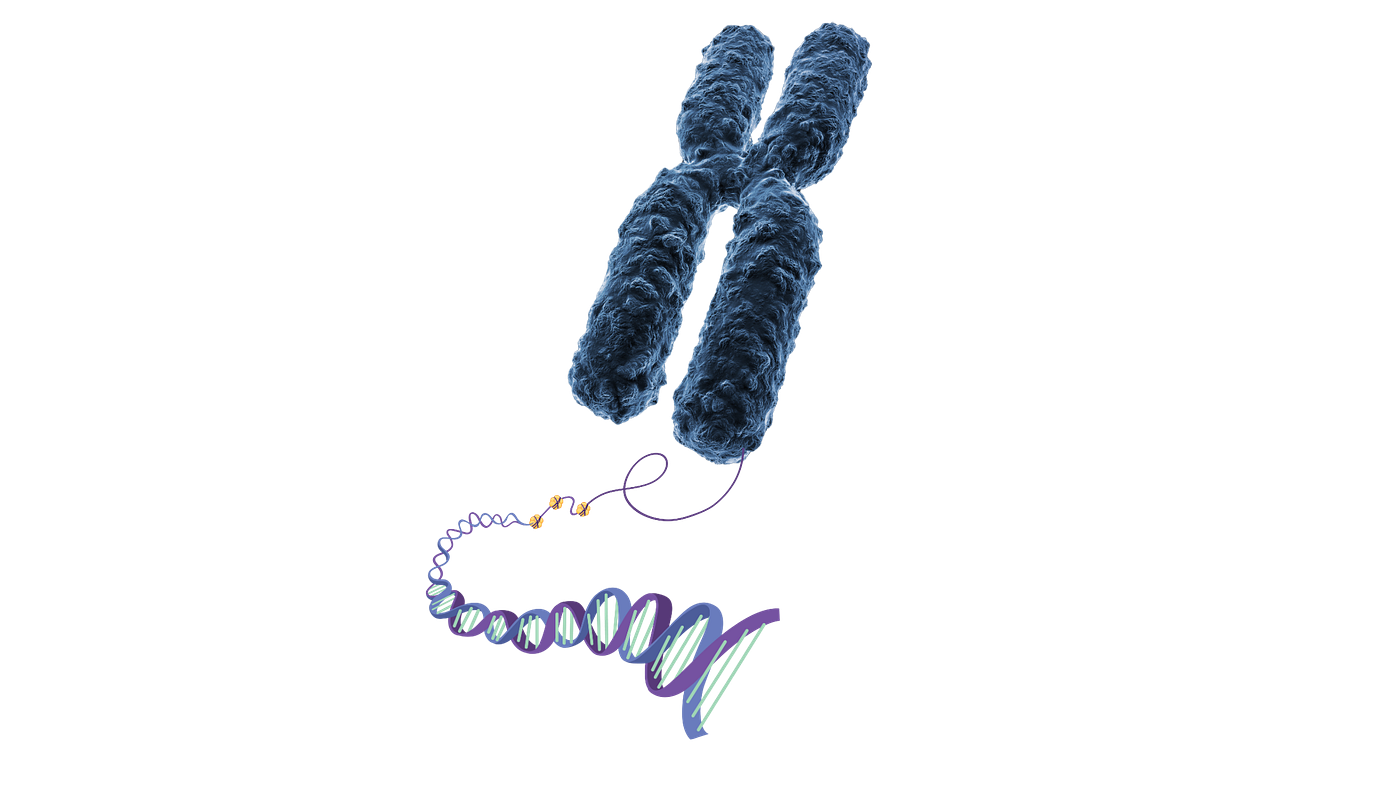
Telomeres are protective caps at the ends of each of our 46 chromosomes. They function as a biological clock for aging. With each cell division in our body, telomeres shorten until they reach a minimum limit, preventing further division. This process drives aging and age-related diseases.
However, telomere length can be extended by adding DNA sequences through the action of the TELOMERASE enzyme. This process can slow the aging process and increase longevity in humans. Adult human cells have low telomerase activity, while certain stem cells, germ cells, and cancer cells maintain their immortality through telomerase activation and continued cell division.

Being physically active may maintain your telomere length
Epigenetics and Beyond Your Genes
Our genes play a crucial role in predicting our longevity, but epigenetics — the methylation of DNA without altering its sequences — can significantly impact aging and longevity. Environmental factors such as stress, sleep, fasting, micronutrient supplementation, meditation, and physical activities can modify epigenetics through DNA methylation and acetylation.
For instance, an individual may possess the longevity gene TERT (Telomerase Reverse Transcriptase) in their cells, but it may be inactivated by DNA methylation due to chronic stress and a sedentary lifestyle. Conversely, healthy lifestyle choices such as meditation, a fulfilling life, regular exercise, and a balanced diet have been shown to activate TERT gene activity by positively influencing epigenetic mechanisms. This helps maintain telomere length and decelerate the aging process.
This is what our genes and genetics cannot explain
How to Keep Your Longevity Genes Happy
Possessing longevity genes does not guarantee an extended lifespan; rather, ensuring the well-being of these genes is crucial. How can this be achieved? Your actions significantly impact your genes. Here are five steps that can contribute to increasing longevity:
- Adequate Sleep: Sleep is paramount. During sleep, your body undergoes a reboot, activating and regulating all biochemical and physiological processes. It replenishes energy, strengthens memory, and restores the nervous system.
- Stress Management: Chronic stress can damage DNA and accelerate premature aging. Practicing stress management techniques such as meditation, deep breathing, and maintaining social connections can enhance longevity.
- Nutrient-Rich Diet: A balanced diet, incorporating raw fruits and vegetables, omega-3-rich nuts, limiting sugar intake, and minimizing processed foods can significantly increase the likelihood of longevity.
- Engaging in Physical Activity: Gentle yoga, tennis, badminton, running, swimming, and a combination of resistance training, high-intensity interval training (HIIT), and low-intensity movements can prolong life expectancy.
- Setting Achievable Goals: Studies have demonstrated that setting achievable goals, living with a purpose, and cultivating self-discipline can positively impact lifespan.

TAKING ACTIONS NOW!!!
Taking Actions Now: Shaping Your Destiny and Longevity
By implementing these strategies, you gain the power to shape your life and potentially extend your lifespan. Your life presents a dichotomy between “ignorance,” characterized by a lack of information, “knowledge without action,” which entails possessing knowledge but failing to take actions, and “knowledge and immediate action.” To achieve longevity and a healthy, fulfilling, and physically fit life, it is imperative to take proactive steps and adopt a lifestyle that aligns with your aspirations.
You possess the inherent freedom to make this choice. By taking immediate actions, you can realize your goals and embark on a fulfilling journey.
메타데이터
- post_id
- ea86ff656e7e
- slug
- your-genes-may-predict-your-lifespan-check-before-its-too-late-ea86ff656e7e
- url
- https://medium.com/the-human-genome/your-genes-may-predict-your-lifespan-check-before-its-too-late-ea86ff656e7e
- canonical_url
- https://medium.com/the-human-genome/your-genes-may-predict-your-lifespan-check-before-its-too-late-ea86ff656e7e
- author_url
- https://medium.com/@sarose97
- status
- ok
- fetched_at
- 2026-06-28 04:42:08