I Stopped Trying to Read. I Started Counting How Many Times I Picked the Book Up.
How changing the definition of reading changed everything
I Stopped Trying to Read. I Started Counting How Many Times I Picked the Book Up.
How changing the definition of reading changed everything
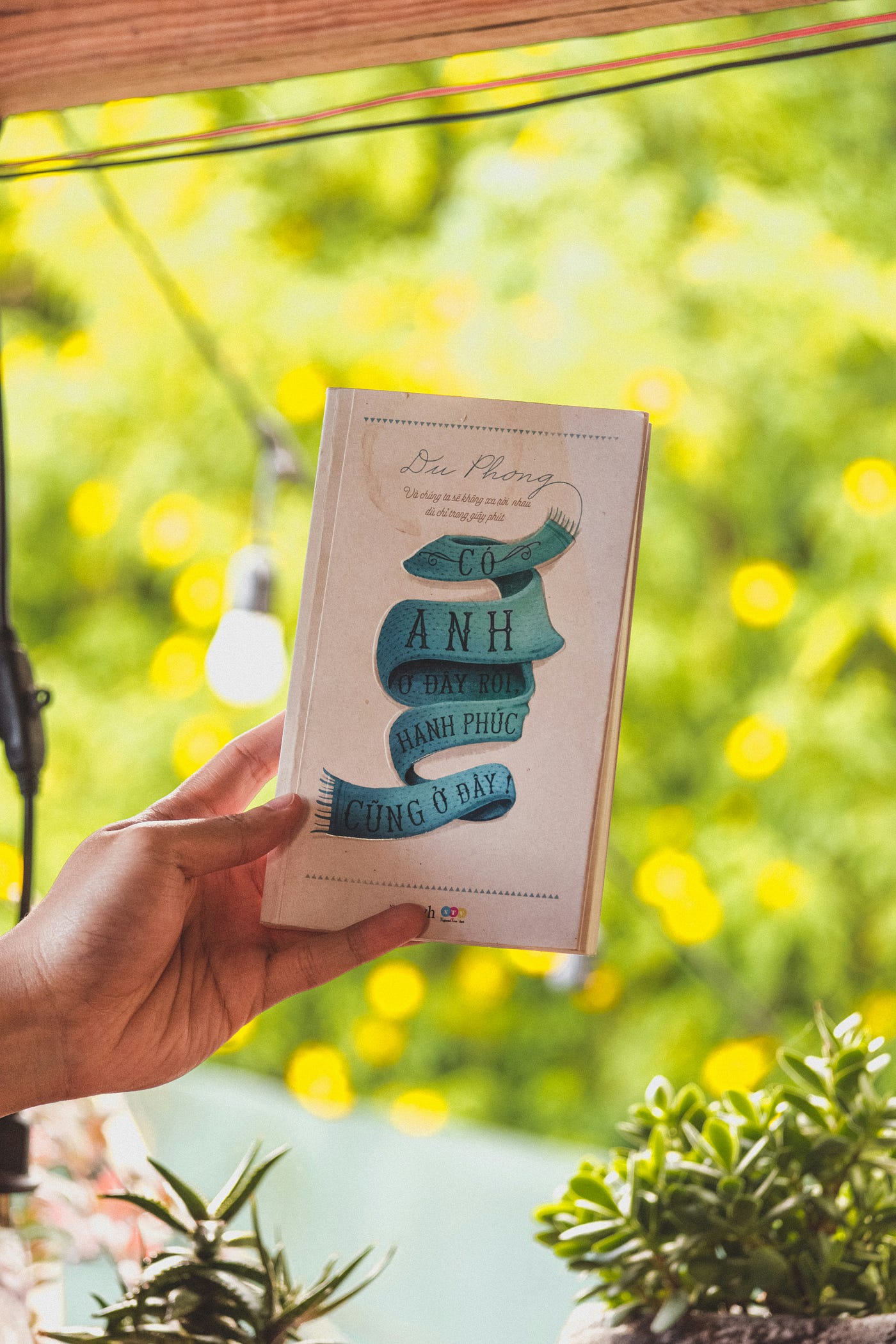
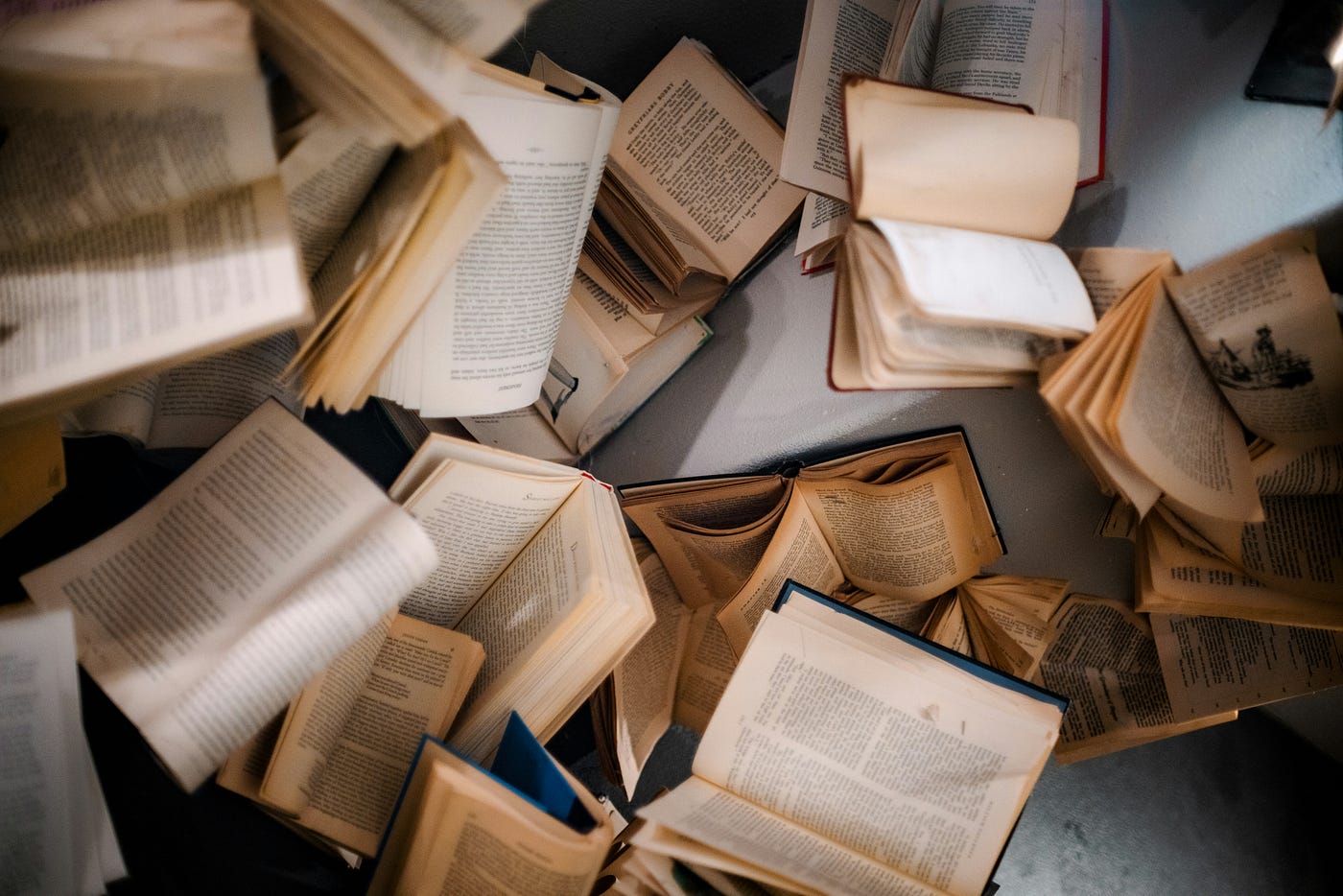
Photo by Le Vu on Unsplash
My phone told me I had used it for seven hours that day.
I stared at that number for a while. Not because I was shocked. I had been half-aware of it for months. But because I couldn’t account for any of it. I couldn’t name a single thing I had read, watched, or learned. Seven hours, and nothing to show.
The book on my desk had been waiting for three weeks.
I had been telling myself I wasn’t reading enough. What I hadn’t considered was whether I was measuring it correctly.
Here’s what I had been doing wrong.
I was defining reading as finishing something. Pages read, chapters completed, books ticked off a list. That definition meant every session began with a silent negotiation: Do I have enough time to make this count? Usually, the answer was no. So I didn’t start.
I started thinking about it differently.
What if reading wasn’t about pages at all? What if it was just about how many times the book ended up in my hands — and how long it stayed there?
I know how that sounds. But follow it for a moment.
If I pick up a book and read three sentences before I get distracted, that’s still three sentences I didn’t read yesterday. The accumulation of small, almost accidental moments of contact — that’s what reading actually is, most of the time. The long, uninterrupted sessions are the exception. We treat them like the rule.
The thing that changed wasn’t my willpower. It was what I reached for.
I had been using my phone for seven hours a day because it was always in my hand. Not because I decided to use it — because it was there, and there was always something on it that was slightly easier than doing anything else.
I started keeping a book in my bag instead of leaving it on my desk. On the train, I held the book. Not always to read it. Just to hold it.
What happened was almost embarrassing in its simplicity.
When the book is in your hand and you have three minutes, opening it is the next logical move. Not because you decided to read. Just because it’s already there, and opening it requires less effort than putting it back.
I started reading on trains I had been commuting on for years without reading. I read while waiting, while standing, in the small gaps between things. None of it felt like reading in the old sense. No intention, no timer, no goal.
A month later, I had read more than in the three months before.
The part I hadn’t expected was how it changed the way I thought about books I wasn’t reading.
My tsundoku — the pile of unread books I had been quietly guilty about — stopped feeling like failure. A book I carry but don’t open is still a book I’m in a relationship with. I’m holding it. I’m aware of it. I’m thinking about it on the train even when I’m not reading it. That’s not nothing.
I used to think the goal was to finish books. Now I think the goal is to keep them close enough that finishing them becomes possible.
Pick it up more often. Hold it a little longer.
Finishing books comes later.
First, keep them close.
메타데이터
- post_id
- eaa152eb41c7
- slug
- i-stopped-trying-to-read-i-started-counting-how-many-times-i-picked-the-book-up-eaa152eb41c7
- url
- https://medium.com/the-writing-table/i-stopped-trying-to-read-i-started-counting-how-many-times-i-picked-the-book-up-eaa152eb41c7
- canonical_url
- https://medium.com/the-writing-table/i-stopped-trying-to-read-i-started-counting-how-many-times-i-picked-the-book-up-eaa152eb41c7
- author_url
- https://medium.com/@scrap
- status
- ok
- fetched_at
- 2026-07-14 06:41:41