ELISA Analyzer — Accurate Testing for Antibody and Antigen Detection in Clinical Research
Clinical laboratories, diagnostic centers, and research facilities require precise detection of antibodies and antigens to support disease…
ELISA Analyzer — Accurate Testing for Antibody and Antigen Detection in Clinical Research
Clinical laboratories, diagnostic centers, and research facilities require precise detection of antibodies and antigens to support disease diagnosis, biomedical research, and pharmaceutical studies. Among the most widely used laboratory techniques for this purpose is ELISA.
An ELISA analyzer automates the process of enzyme-linked immunosorbent assay testing, allowing laboratories to process samples with greater efficiency and consistency. From infectious disease screening to hormone testing and autoimmune disorder detection, ELISA-based systems play a major role in modern diagnostics.
This blog explores what an ELISA analyzer is, how ELISA testing works, the challenges laboratories face, and how automated systems such as the ELISA Analyzer LELISA-A11 support accurate immunoassay testing.
What is an ELISA Analyzer?
An ELISA analyzer machine is a laboratory instrument designed to automate the ELISA immunoassay process used to detect and quantify antibodies, antigens, proteins, peptides, and hormones in biological samples.
ELISA stands for Enzyme-Linked Immunosorbent Assay, a widely used ELISA analytical technique in clinical diagnostics, research laboratories, and biotechnology facilities.
An ELISA machine performs several tasks in the testing workflow, including:
- Sample dispensing
- Incubation cycles
- Plate washing
- Reagent dispensing
- Optical measurement and analysis
Automating these processes allows laboratories to process multiple samples with improved repeatability.
The ELISA Analyzer LELISA-A11 is designed for high-throughput immunoassay workflows, assisting laboratories performing antibody detection, antigen analysis, and hormone testing.
Why ELISA Testing is Important in Clinical Research
Clinical research depends on sensitive analytical methods capable of identifying biomolecules present in extremely low concentrations. ELISA tests help detect disease markers that support diagnosis and research studies.
Applications include:
- Infectious disease screening
- Hormone level measurement
- Vaccine development
- Autoimmune disorder research
- Allergy testing
- Cancer biomarker studies
Because ELISA can measure both antigens and antibodies, it is widely used in medical diagnostics and laboratory investigations.
Common Laboratory Challenges in Immunoassay Testing
Laboratories conducting ELISA immunoassay procedures often face operational difficulties that impact productivity and test consistency.
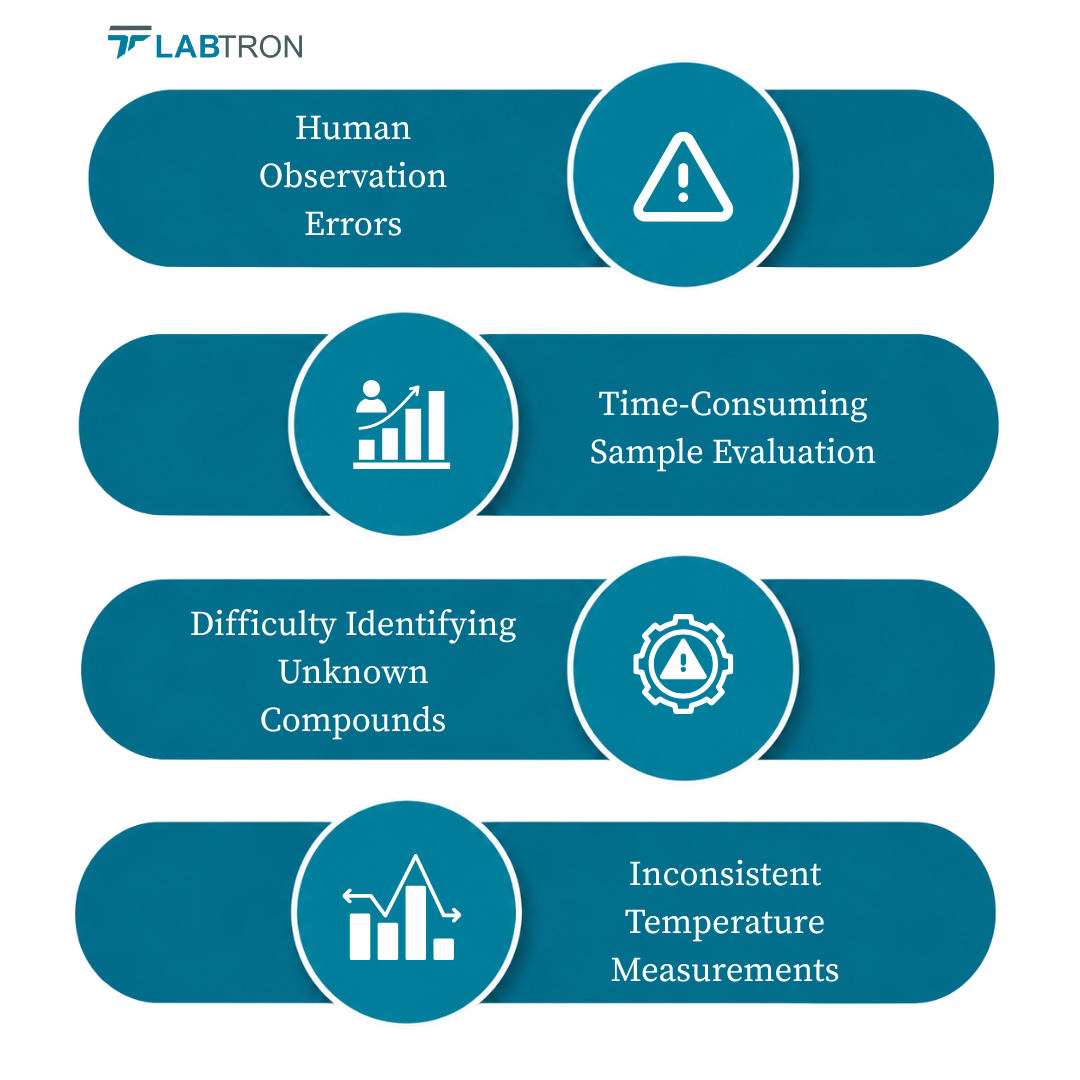
1. Manual Processing Errors
Traditional ELISA methods require manual pipetting and incubation steps. Human error during reagent dispensing or sample handling can affect results.
2. Time-Intensive Workflow
Running large numbers of ELISA tests manually requires significant time, particularly when processing multiple microplates.
3. Inconsistent Incubation and Washing
ELISA protocols require precise washing cycles and incubation conditions. Variations can affect antigen-antibody binding.
4. High Sample Volume
Clinical labs handling large testing volumes need systems capable of continuous sample processing without workflow interruptions.
5. Data Interpretation
Manual analysis of absorbance values from microplates can slow laboratory reporting.
Automated ELISA Analyzer — Supporting Laboratory Efficiency
Automated **Immunoassay Analyzer** addresses many of these laboratory challenges by performing the ELISA process with integrated programming and optical detection systems.
Systems such as the ELISA Analyzer LELISA-A11 support laboratory workflows by combining incubation, washing, and detection functions in a single instrument.
Key advantages include:
- Automated microplate processing
- Reduced manual pipetting steps
- stable incubation conditions
- High-throughput testing capability
- Digital result interpretation
These features help laboratories maintain stable testing procedures when performing ELISA analytical technique workflows.
How the ELISA Test Works
Understanding how the ELISA test works helps explain why this analytical technique is widely used in clinical laboratories.
The ELISA process uses antigen–antibody binding reactions to detect specific biomolecules in a sample.
Basic ELISA Principle
- Coating the Microplate Antigens or antibodies are immobilized on the surface of microplate wells.
- Sample Addition Biological samples such as serum or plasma are introduced into the wells.
- Antibody Binding Target antibodies or antigens bind to the immobilized molecules.
- Enzyme-Conjugated Detection A secondary antibody linked to an enzyme attaches to the bound molecules.
- Substrate Reaction A chemical substrate reacts with the enzyme, producing a color change.
- Optical Detection The ELISA analyzer measures the absorbance of the reaction to determine analyte concentration.
How the ELISA Test is Performed in Laboratories
Laboratories typically follow standardized procedures when determining how an ELISA test is performed.
The workflow includes:
- Preparing reagents and calibration standards
- Loading microplates into the analyzer
- Dispensing samples and reagents
- Running programmed incubation cycles
- Washing wells to remove unbound substances
- Adding enzyme substrates
- Measuring optical density using the analyzer
Automated instruments manage these stages with minimal manual handling.
Key Applications of ELISA Analyzers in Modern Laboratories

The ELISA analyzer extends across multiple **Laboratory** sectors, including clinical diagnostics, pharmaceutical research, and biotechnology development.
Infectious Disease Testing
ELISA testing is widely used to detect viral and bacterial infections, such as:
- HIV
- Hepatitis
- Dengue
- COVID-19 antibodies
Hormone Testing
A hormone analyzer machine based on ELISA technology helps measure endocrine biomarkers, including:
- Thyroid hormones
- Insulin
- Cortisol
- Reproductive hormones
Systems like the Automatic Immunoassay Hormone Analyzer LIHA-A10 assist laboratories studying endocrine function and hormone regulation.
Autoimmune Disease Detection
ELISA assays are used to detect autoantibodies linked to autoimmune disorders such as:
- Rheumatoid arthritis
- Lupus
- Celiac disease
Vaccine and Immunology Research
Researchers use ELISA immunoassay techniques to evaluate antibody responses during vaccine development and clinical trials.
Food Safety Testing
ELISA is also used to detect allergens and toxins in food products.
Environmental Testing
Researchers analyze environmental samples for microbial contamination using ELISA methods.
When is the ELISA Test Done?
Understanding when an ELISA test is done depends on the clinical or research objective.
ELISA tests are typically performed when laboratories need to:
- Detect infection markers
- Measure immune response
- Identify specific antibodies or antigens.
- Monitor hormone levels
- Conduct epidemiological studies
Medical Equipment practitioners often request ELISA testing when screening patients for infectious diseases or immune disorders.
What is an ANA ELISA Test?
Many laboratories ask what the ANA ELISA test is when studying autoimmune diseases.
ANA stands for Antinuclear Antibody. The ANA ELISA test detects antibodies that attack components within a cell nucleus. Elevated ANA levels may indicate autoimmune disorders such as lupus or systemic autoimmune diseases.
ELISA-based ANA testing helps laboratories identify abnormal immune responses.
Where is ELISA Used?
The question of where ELISA is used highlights the broad role of ELISA technology in laboratory environments.
Common facilities using the ELISA Analyzer include:
- Clinical diagnostic laboratories
- Hospital pathology departments
- Biotechnology laboratories
- Pharmaceutical research centers
- Veterinary laboratories
- Food safety laboratories
- Academic research institutes
Automated systems such as EUROIMMUN Analyzer, Automated ELISA Processor, and ELISA Analyzer LELISA-A11 support immunoassay testing across these environments.
ELISA Analyzer LELISA-A11 for Immunoassay Workflows
The ELISA Analyzer LELISA-A11 is designed to assist laboratories performing high-volume immunoassay testing.
This ELISA analyzer machine supports microplate-based ELISA testing and enables laboratories to manage antibody and antigen detection workflows more efficiently.
The system integrates essential functions required for the ELISA analytical technique, including:
- Microplate incubation control
- Reagent dispensing capability
- Optical absorbance measurement
- Automated data processing
- Multi-sample analysis
These capabilities help laboratories maintain structured testing procedures when processing immunoassay samples.
Role of ELISA Technology in Modern Diagnostics
ELISA remains one of the most widely used **Laboratory Equipment** immunoassay methods due to its ability to detect biomolecules with high sensitivity.
Automated instruments have expanded the role of ELISA in:
- Clinical disease detection
- Biomedical research
- Vaccine monitoring
- Hormone analysis
- Environmental testing
With advanced systems such as an ELISA machine, an immunoassay analyzer, and automated processors, laboratories can handle increasing sample volumes while maintaining testing procedures.
For more information, **click here** or contact us at
Email: info@labtron.com
메타데이터
- post_id
- eadff99e54fd
- slug
- elisa-analyzer-accurate-testing-for-antibody-and-antigen-detection-in-clinical-research-eadff99e54fd
- url
- https://medium.com/@deniselabtroncc/elisa-analyzer-accurate-testing-for-antibody-and-antigen-detection-in-clinical-research-eadff99e54fd
- canonical_url
- https://medium.com/@deniselabtroncc/elisa-analyzer-accurate-testing-for-antibody-and-antigen-detection-in-clinical-research-eadff99e54fd
- author_url
- https://medium.com/@deniselabtroncc
- status
- ok
- fetched_at
- 2026-06-24 23:31:39