Farewell, Fair-weather friends!
A painful reminder that sometimes, the real danger isn’t outside of our circle — but within our circle.
Farewell, Fair-weather friends!
A painful reminder that sometimes, the real danger isn’t outside of our circle — but within our circle.
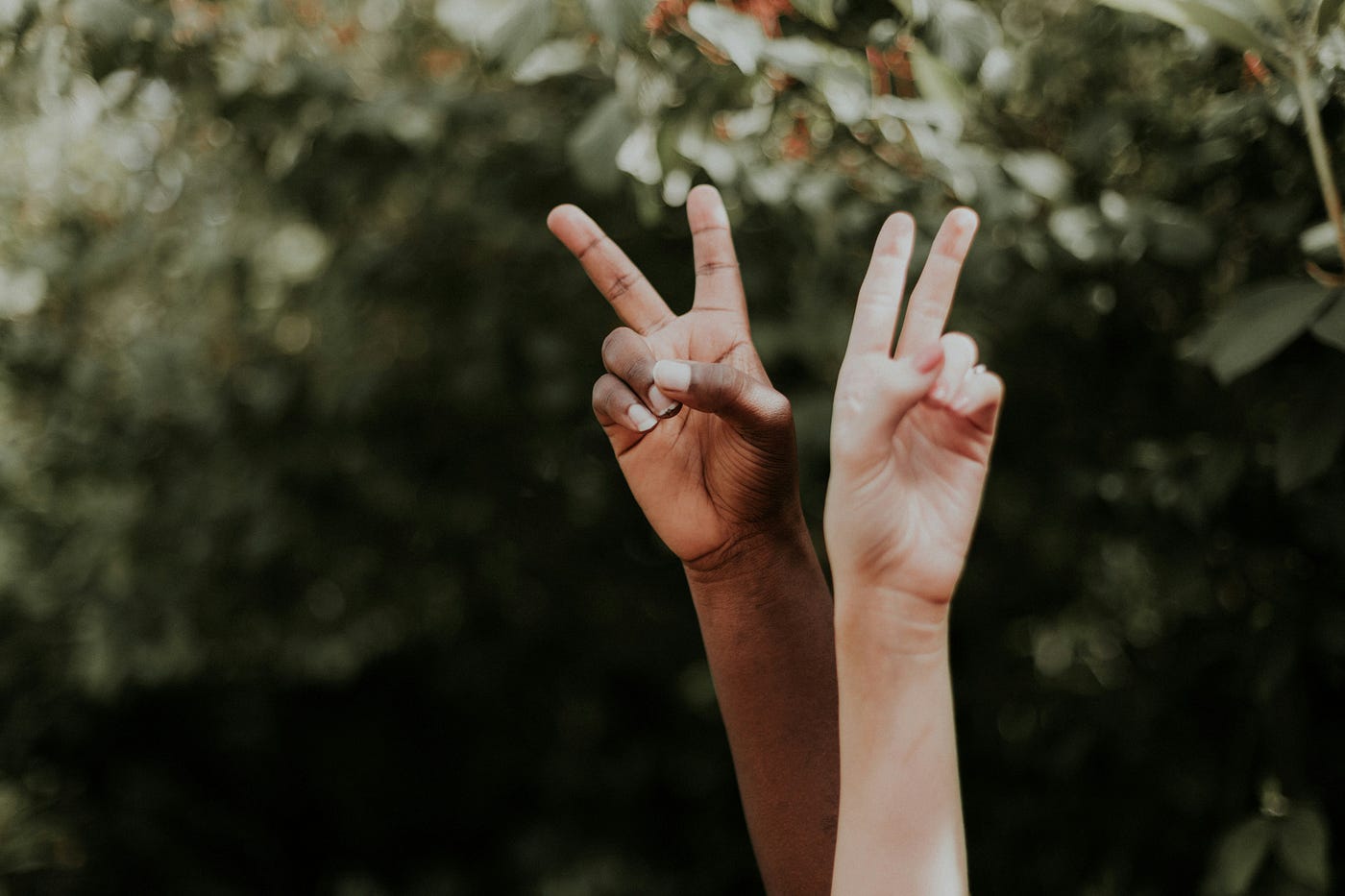
The Ones Who Come Closer to Harm You
Some betrayals arrive dressed like strangers. Others sit at your dinner table, call you “best friend,” and promise they’d never hurt you. The most dangerous betrayals, however, come from those who have studied you — your habits, your heartbreaks, your hopes — and decide to exploit the intimacy they’ve been given.
For over a decade, I existed inside of a friendship that, in hindsight, was rooted in control, envy, and a deeply unsettling form of proximity-based harm, rather than love or respect. It came with smiles and performances. It came from someone who said, “I’ve got you,” while slowly pulling the rug from beneath me.
The insidious nature of the betrayal was amplified by the racial context, highlighting how, as a Black woman, I was particularly vulnerable to the dynamics of power and control exerted by my white former best friend. And while I didn’t recognize it in real time, that racial dynamic shaped everything — from the power they wielded in our social settings to the gaslighting I experienced when I dared to set boundaries. This wasn’t just personal harm. It was harm that echoed through centuries of unequal dynamics, weaponized intimacy, and silent control.
The racial dimension made this even harder to catch. As a Black woman, I didn’t know how much that ground tilted in favor of whiteness — until I did. Power plays in public, gaslighting in private. Boundaries felt revolutionary. This wasn’t small betrayal. It was centuries-old control playing out in microdoses. And yeah. I see it now. I didn’t before.
The Mask of Friendship: Control Disguised as Care It’s one thing to lose a friend. It’s another to realize you never had one to begin with.
Over the course of 13 years, I thought our friendship was rooted in trust. I leaned on this person through heartbreak, illness, and the daily complexities of being a mother and a survivor of multiple chronic illnesses. But what I didn’t see was how they used my vulnerability as leverage; they wanted access to my life not to uplift me, but to insert themselves into every decision, relationship, and success, quietly sabotaging it.
Whenever I dated someone new, they’d find fault in the new person in my life, seemingly out of a desire for control. They would message the men I dated behind my back, pretend to be concerned for my safety, when in reality it was a toxic cocktail of jealousy and possessiveness. At the time, this person still presented as a woman, and their behavior toward me often tipped into something that now reads, in hindsight, as homoerotic obsession — sexualized control masked as protectiveness. Their former husband (who also happened to be Black) once accused them of being in love with me. I laughed it off. I didn’t see it. Now I do. It was triangulation.
When I started forming friendships with people they introduced me to, they’d grow distant, hostile, even punishing. They wanted to stifle my growth and own me. It was a strange sort of aggressiveness that gave me the feeling that they were trying to force me into compliance — but of what?
Their whiteness afforded them credibility; when they lied or manipulated stories, others readily believed them, highlighting a broader societal bias. I didn’t receive the same kindness. I was the “angry Black woman.” I was the “dramatic one.” They weaponized racial bias with surgical precision, often unconsciously — but no less effectively.
White Friendships and Historical Parallels This story is not just interpersonal, but it’s also a historical problem.
Too often, Black women find themselves in friendships with white individuals who appear kind and progressive, yet these relationships often replicate the same dynamics of surveillance, control, and extraction discussed earlier. The powerful façade of safety often conceals an entitlement to witness your life while remaining distant enough to dehumanize you.
Historically, Black women have been expected to hold the emotional weight of everyone around them — even in friendships. We’ve been expected to be strong, forgiving, and educational. But when we express pain or call out harm, we’re quickly labeled as aggressive, ungrateful, or unstable. That’s a systemic problem, not just a social issue.
Research on interracial friendship dynamics suggests that Black women often face unique challenges when asserting boundaries, particularly with white women. According to secondary analysis from Jackman and Crane’s work in Divided We Stand, Black women frequently report feeling undervalued in cross-racial friendships, especially when those relationships require confronting uncomfortable truths or addressing harmful behavior. These boundary assertions can be perceived as combative or ungrateful — further reinforcing power imbalances and emotional strain.
Additionally, studies and anecdotal analysis (such as Christina Holmgren’s work in racialized accountability discourses) highlight how white women invoke emotional fragility or perceived victimhood in response to feedback from Black peers — positioning themselves as the harmed party while erasing the lived experience of the person calling for accountability. This subtle but potent form of emotional manipulation, often referred to as “weaponized innocence,” is deeply familiar to me in my own story.
The Mask & Myth of “Concern” Another friendship ended after a serious breach of trust and safety. A white woman I had been close with gave my then teenager hard drugs. When I chose to cut contact, her reaction was not remosre, but hostility. There was no real remorse for the harm caused, despite a written admission of guilt. In a Facebook message, she acknowledged that the incident “shouldn’t have happened,” accepting responsibility for both breaking the law and endangering my daughter’s well-being. Yet afterward, she tried to discredit me, leaning on familiar racialized tropes that cast Black women as “unstable,” “overprotective,” or “irrational.”
This wasn’t just interpersonal conflict — it reflected a deeply entrenched cultural script. As Ruby Hamad outlines in *White Tears/Brown Scars, white women in cross-racial conflicts have historically defaulted to perceived victimhood when held accountable, often at the direct expense of women of color. Research published in Social Problems has similarly shown that white women are more likely to deflect accountability by using emotional narratives to position themselves as harmed, even when they are the instigators. [Accapadi, M. M. (2007). “When White Women Cry: How White Women’s Tears Oppress Women of Color.” College Student Affairs Journal*, 26(2), 208–215]
Her behavior fit a familiar pattern. Though she claimed to act out of concern, her actions consistently prioritized the performance of innocence while shielding her romantic partner, a dishonorably discharged man, even when the safety of others was at risk. This man was physically present and directly involved when they, as adults, gave drugs to my teenager. Despite the severity of the situation, she remained loyal to him, at the expense of her own three children and my teenager. Anyone who challenged her choices, whether in this instance or in the past, was quickly dismissed or villainized. In my case, speaking up came with added social penalties, as her defensiveness was amplified by racial dynamics that cast me, the Black mother, as the aggressor rather than the protector.
A study published in the *Journal of Black Psychology* found that Black women are more likely to experience relational devaluation in interracial friendships, especially when asserting boundaries or protecting loved ones. That was evident here. My decision to enforce a boundary was pathologized. Not because it was irrational, but because it disrupted a dynamic that relied on my silence and compliance.
The Real Danger Isn’t Always the Obvious One
I used to grieve the loss of these friendships. Sometimes I am angry that I stayed so long in places I was never safe.
There’s a myth that time equals loyalty, that years in a friendship prove its value. But time can also be a trap. The longer someone is in your life, the deeper they can hide the knife they intend to stab you with. Walking away was an act of self love. It was an act of survival. It was reclaiming my own narrative after years of being gaslit into silence. It was understanding that proximity does not equal protection — especially across racial lines.
Betrayal from strangers is painful. Betrayal from those who love you is devastating. But betrayal from those who were always in a position of racial power over you — that’s an entirely different beast. It operates quietly. It performs friendship while eroding your boundaries. It mimics love while slowly replacing your truth with its own. And when you finally do walk away, it convinces the world you are the villain.
To be quite honest, I’ve grown to be 100% okay with being the villain. I am a woman who finally learned that love without accountability is not love. That friendship without equity is not safe. And that sometimes, the most revolutionary thing a Black woman can do — is walk away from the very people who would harm her just to assert their domiance.
Follow me here on Medium for more essays on race, gender, identity, and truth-telling. You can also find me on: 🧵 Threads: @theveronicamarz 📸 Instagram: @theveronicamarz 🎙️ Spotify: *The Bad Bxtch Club* — marketing, healing, real talk.
메타데이터
- post_id
- eafde5c73ff9
- slug
- farewell-fair-weather-friends-eafde5c73ff9
- url
- https://medium.com/@theveronicamarz/farewell-fair-weather-friends-eafde5c73ff9
- canonical_url
- https://medium.com/@theveronicamarz/farewell-fair-weather-friends-eafde5c73ff9
- author_url
- https://medium.com/@theveronicamarz
- status
- ok
- fetched_at
- 2026-07-11 16:23:17