When Movies Become Doorways to Reading
There is something magical about meeting a story twice. Stories that took me from Screen to Page.
When Movies Become Doorways to Reading
There is something magical about meeting a story twice. Stories that took me from Screen to Page.
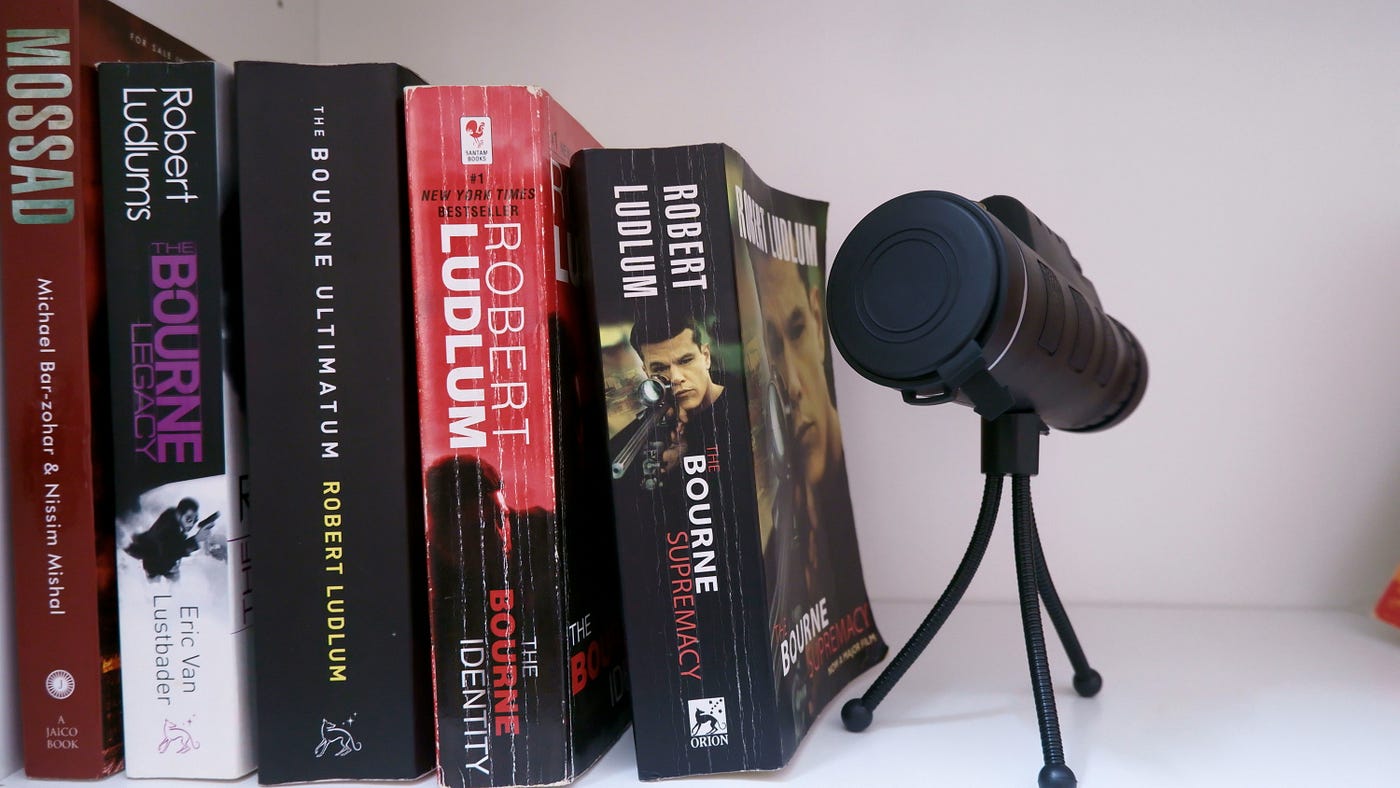
Photo by Just random Captures on Unsplash
There’s a very specific kind of magic that happens after certain movies end!!
The credits roll. The screen fades to black. Everyone else moves on. But something inside you refuses to leave the story behind. You begin searching interviews, looking up characters, replaying scenes in your mind until you arrive upon the written word that birthed it.
**Click here to read the full story.**
For many, books and movies are rivals. There is always a debate that the book is better, and the movies barely scratch the surface of the actual story.
For me, many times, movie adaptations have become doorways to certain bookish journeys. There are occasions where I’ve found that the most meaningful reading journeys actually begin with cinema.
Here are a few movie adaptations that led me to pick up the books that they are based on.
Harry Potter Series (2001–2011)
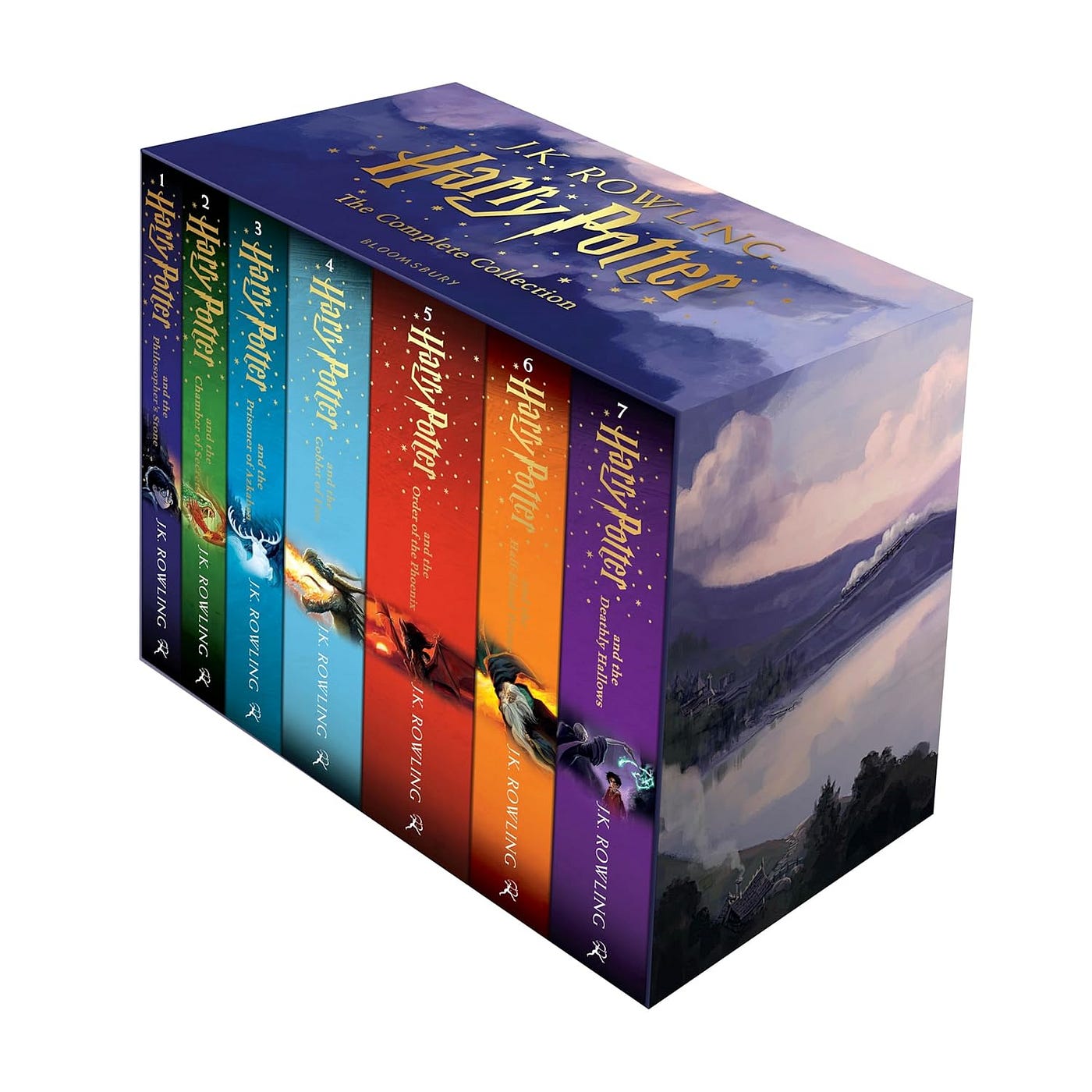
Photo Credits: Amazon
I am a huge, huge Harry Potter fan. My journey into the wizarding world began in 2002 when I first watched *Harry Potter and the Sorcerer’s Stone.* I was completely mesmerised. Hogwarts felt magical in the truest sense. The floating candles, moving staircases, Quidditch matches, magical classes, and the feeling that an entirely different world existed just beyond ordinary life.
At that point, I had no idea the movies were based on a series of books.
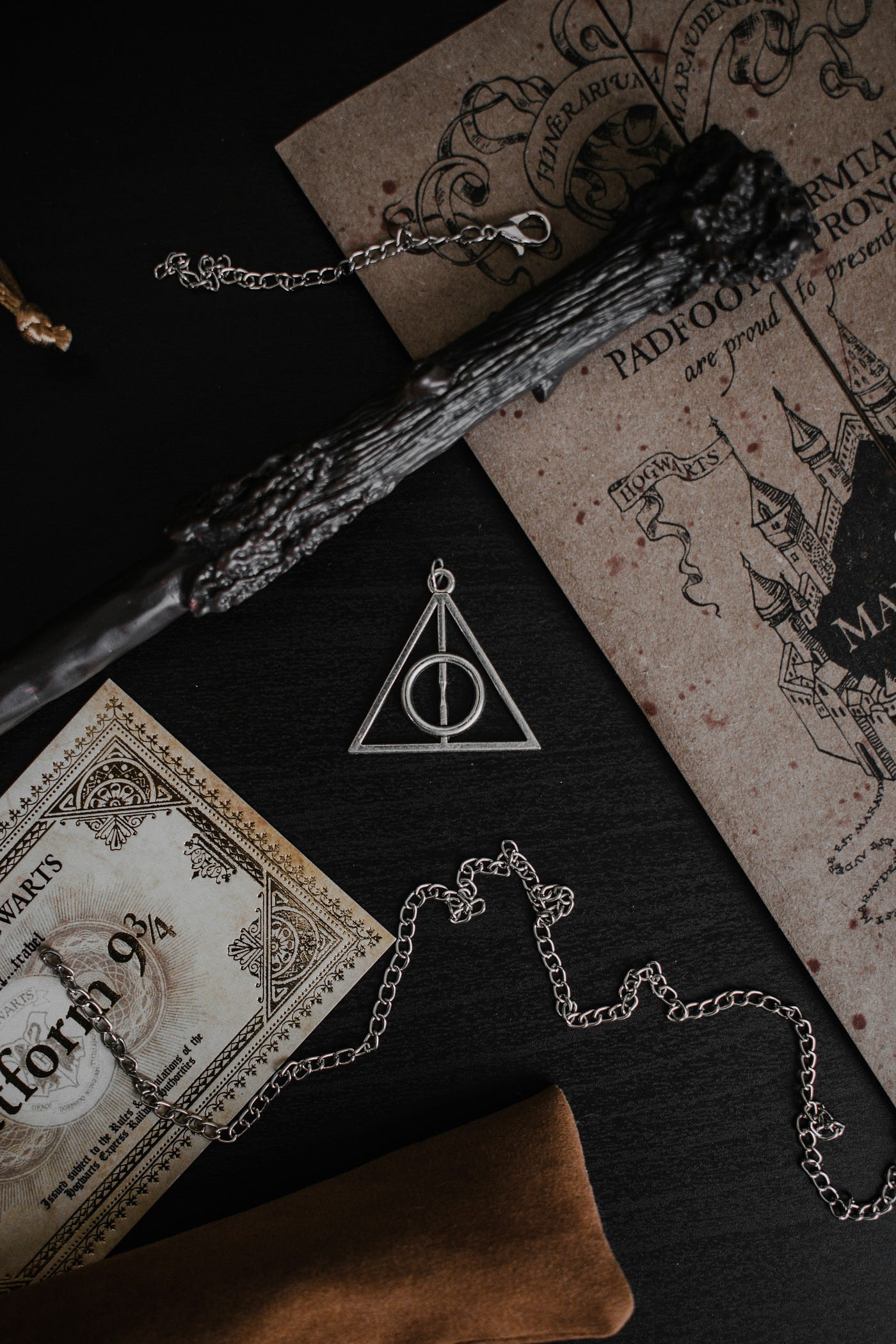
Photo by Klim Musalimov on Unsplash
Only in 2005 did I discover that there were entire novels behind these films. By then, *Harry Potter and the Chamber of Secrets* had already deepened my obsession with the story. I remember thinking: I cannot wait years to know what happens next.
And that single thought led me straight to the books.
What followed was unforgettable. I read every volume with complete obsession, turning pages late into the night. At the same time, I watched every film adaptation that followed, almost growing up alongside the characters themselves.
The films gave faces and voices to the characters I loved. Even while reading, I could vividly picture Daniel Radcliffe as Harry, Emma Watson as Hermione, and Rupert Grint as Ron.
But the books expanded the world in ways cinema never fully could. The emotional depth, the darker undertones, the moments of friendship and grief, the complexity of characters like **Snape and Dumbledore**, everything felt richer and more intimate on the page.
For me, the Harry Potter stories have always been about one central idea:
In the end, love triumphs over everything.
And now, I’m eagerly awaiting the upcoming Harry Potter series as well — ready once again to step back into the world of magical storytelling.
The Book Thief (2013)
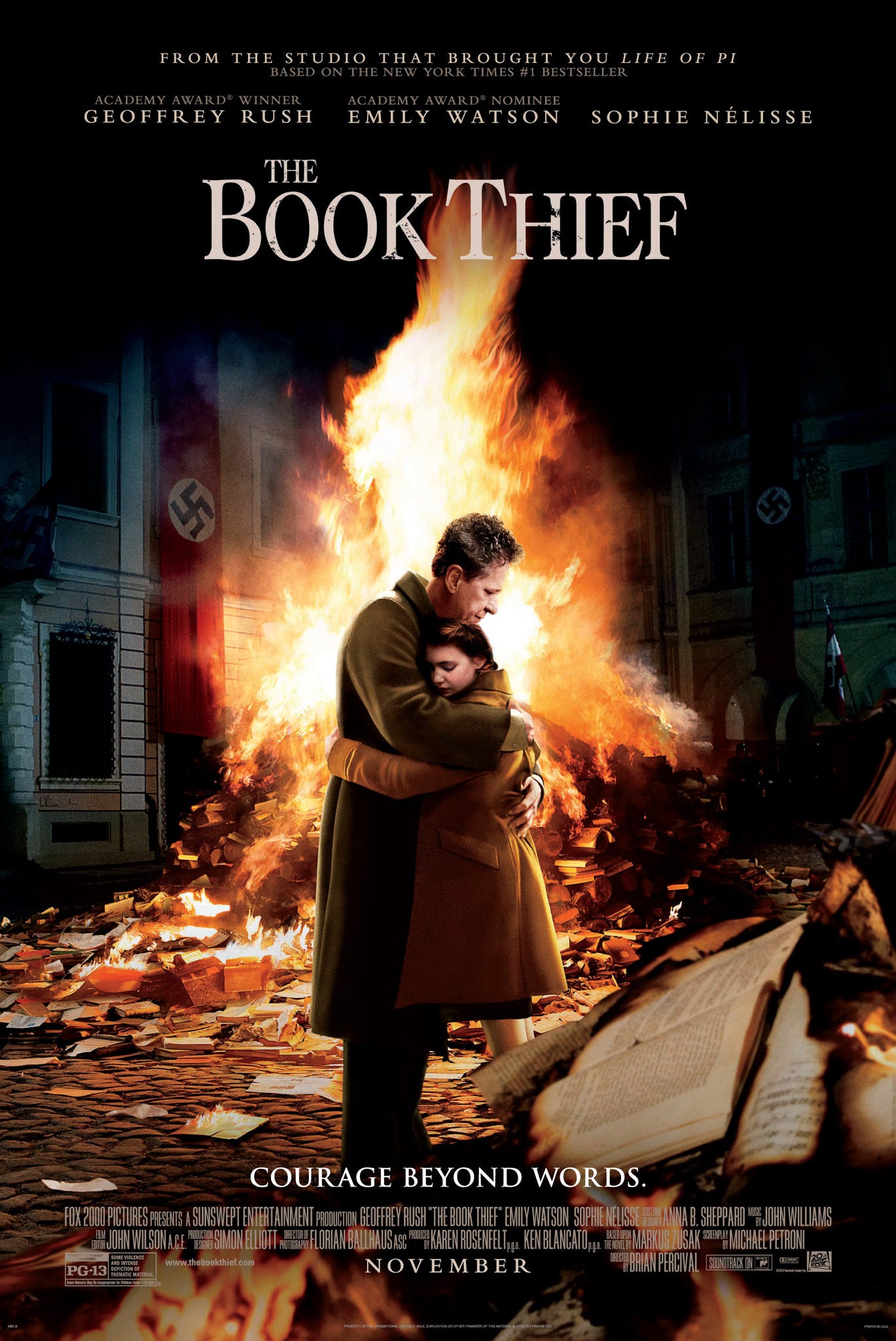
Photo Credit: IMDB
I first encountered The Book Thief in 2020, through its hauntingly beautiful film adaptation. By the time the movie ended, I was like,
It would be really interesting to read the book!!
What made the adaptation especially memorable was how perfectly the cast embodied the characters. Sophie Nélisse was absolutely perfect as Liesel. She carried the innocence, curiosity, and quiet resilience that made the character feel deeply real. Geoffrey Rush brought extraordinary warmth and gentleness to Hans Hubermann, while Emily Watson gave Rosa a rough-edged tenderness that felt authentic rather than softened for cinema. Even Rudy, played by Nico Liersch, was incredibly convincing, full of energy, loyalty, and youthful emotion.
By the time the movie ended, I had already decided that I had to read The Book Thief.
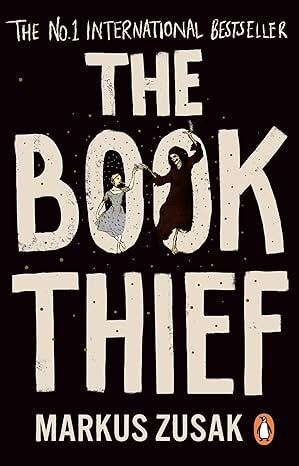
Photo Credit: Amazon
While reading, I could still see the faces of the actors I had first met on screen. Liesel was always Sophie Nélisse in my imagination. Hans Hubermann carried Geoffrey Rush’s kindness, patience, and comforting presence. The film had given the characters a visual soul.
At the same time, the novel carried a depth that the screen could only hint at. Reading Markus Zusak’s writing gave a complete meaning and clarity to what I saw on the screen.
Even now, The Book Thief remains one of my favourites (book and movie) of all time.
The Curious Case of Benjamin Button (2009)
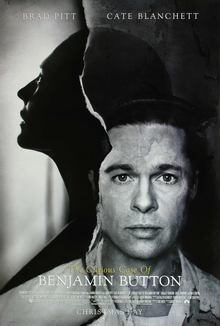
Photo Credit: Wikipedia
I first watched the movie, The Curious Case of Benjamin Button, in 2009. I was fascinated by its extraordinary concept of a clock moving backwards and a man ageing in reverse, slowly journeying toward infancy.
The film also made me a huge admirer of Brad Pitt and Cate Blanchett. Their performances carried so much emotional subtlety that the story never felt gimmicky despite its unusual premise. Benjamin and Daisy’s relationship and their constant fighting against the timing of life were impeccably portrayed on screen by these two actors.
Only recently, while exploring short stories, I discovered that the film was inspired by The Curious Case of Benjamin Button, written by F. Scott Fitzgerald. That discovery immediately drew me toward the original story.
The actual short story is quite different from the film in several ways, though certain moments remain strikingly similar. Reading it was fascinating because it revealed how cinema had expanded a brief literary concept into something emotionally vast and visually unforgettable.
What makes the story so compelling is not merely the novelty of ageing backwards, but the emotional contradictions that come with it. At times, Benjamin’s condition appears advantageous, like escaping certain expectations of age and experiencing life differently from everyone else. Yet it also brings loneliness, displacement, and an inability to truly move through life in sync with the people he loves.
Both the film and the story beautifully capture the strange sadness hidden inside such a unique idea. They make you reflect on ageing itself, as a biological process, and also as something deeply tied to identity, relationships, memory, and time.
My Recent Encounters with Movies to Books: Adding to my TBR pile
Photo Credit IMDB
Recently, I watched the movies Project Hail Mary and Remarkably Bright Creatures on Netflix. And for a start, both these films managed to do something I always love: they sent me searching for the books on which they are based.
Project Hail Mary, as most people now know, is far more than just a science-fiction story set in space. At its heart, it is an emotional tale about Dr. Ryland Grace and Rocky, an Alien, two beings from entirely different worlds forming an unlikely friendship built on trust, sacrifice, and unwavering loyalty.
It is deeply moving to see their “no matter what happens, I have your back” kind of bond. Even through the film adaptation, that emotional connection felt powerful. At the same time, I also felt that many of the scientific ideas and emotional layers could only be fully experienced after reading the book. That quest compelled me to get the book to understand the story more deeply.
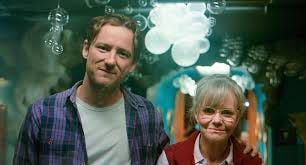
Photo Crdit — IMDB
Then came Remarkably Bright Creatures, a completely different kind of emotional experience, but equally unforgettable. The story revolves around Cameron and Tova, two people carrying their own grief, loneliness, and unresolved pain, whose lives intersect in unexpected ways. But what makes the story truly unique is Marcellus, the octopus at the aquarium where Tova works.
At first glance, Marcellus may simply seem like an unusual narrating creature, but he slowly becomes the emotional heart of the story. While humans often dismiss octopuses as primitive creatures, Marcellus proves to be remarkably observant, intelligent, and emotionally perceptive. As Cameron and Tova unknowingly reveal their fears, grief, and struggles around him, it is Marcellus who begins connecting the hidden truths between them. In many ways, he understands humans better than they understand themselves.
There is such warmth and tenderness in the premise that it becomes impossible not to feel emotionally invested. This story is all about loneliness, healing, companionship, and the quiet human search for closure.
Hope you enjoyed reading my journey from screen to page. I’d love to know in the comments if any movie or series ever inspired you to read the book it was based on? Or vice versa.
I am a published writer on Medium. My love for blogging enables me to write articles on AI, data analytics/science, food, travel, lifestyle, movies, books, etc. For more such stories, do follow me on Medium.
Feel free to comment and give your feedback. To become a medium member, click on this link.
© May 2026 — Puja Pathak — All rights reserved. Do not copy, reproduce, or distribute the content of this article without prior permission. Instead, share a link to this article. Thank you for respecting my work!
메타데이터
- post_id
- eb532768012b
- slug
- when-movies-become-doorways-to-reading-eb532768012b
- url
- https://medium.com/hooked-on-books/when-movies-become-doorways-to-reading-eb532768012b
- canonical_url
- https://medium.com/hooked-on-books/when-movies-become-doorways-to-reading-eb532768012b
- author_url
- https://medium.com/@pujappathak
- status
- ok
- fetched_at
- 2026-06-13 00:08:42