Self-taught Designer vs. Professional Mentorship: Which is faster?
Self-Taught Designer vs. Professional Mentorship: Which Path is Faster in 2026?
Self-taught Designer vs. Professional Mentorship: Which is faster?
Self-Taught Designer vs. Professional Mentorship: Which Path is Faster in 2026?
The barrier to entry for the design world has never been lower, yet the ceiling for professional excellence has never been higher. As we navigate the complex landscape of 2026, aspiring creatives face a pivotal choice: the independent freedom of the self-taught path or the structured acceleration of professional mentorship.
When you ask, “How long does it take to learn graphic design on your own?” the answer is often “as long as you let it.” However, when career speed, industry-standard proficiency, and salary growth are the metrics, the data reveals a clear winner. This design career path speed comparison breaks down why the “cheaper” route often costs the most in time.
The Myth of the Self-Taught Sprint
The appeal of being a self-taught designer in 2026 is undeniable. With endless YouTube tutorials and AI-driven learning aids, you can learn software like Adobe Firefly or Figma in a weekend. But software fluency is not design mastery.
The “Invisible” Time Drain
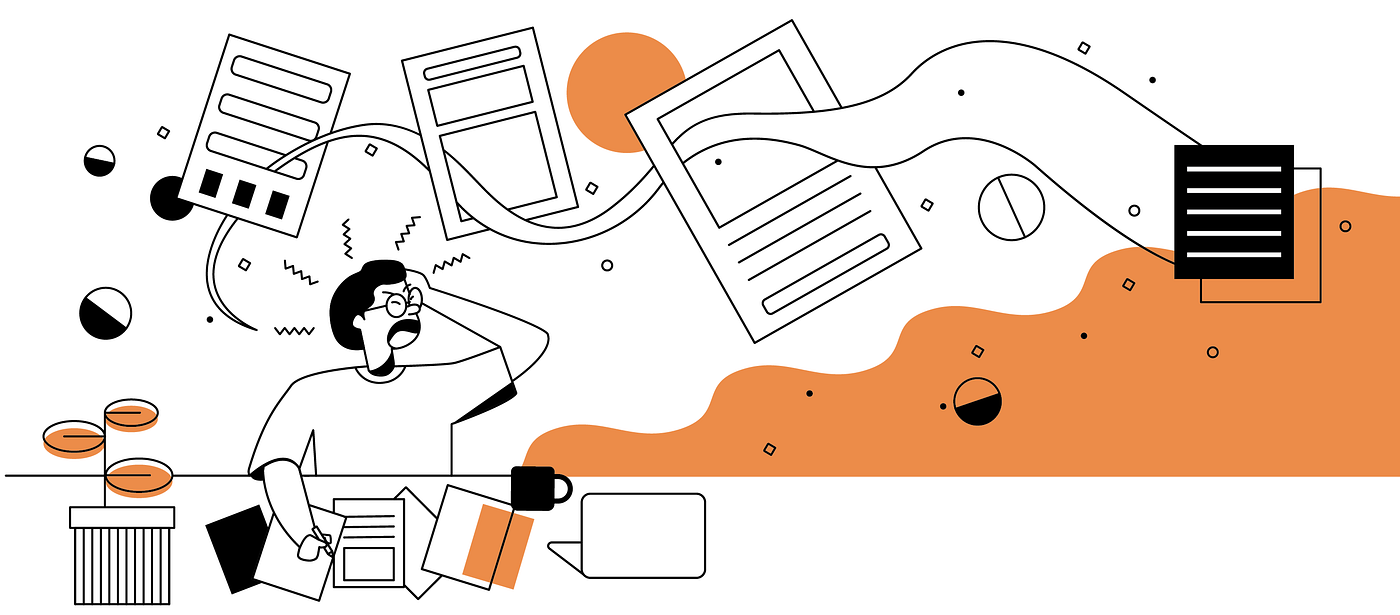
Self-taught designers often fall into the trap of Trial-and-Error Cycles. Without a guide, you don’t know what you don’t know. You might spend six months mastering a tool only to realize your foundational understanding of typography or grid systems is flawed.
- Average Timeline to Job-Readiness: 12 to 18 months.
- The Struggle: Picking up fragmented knowledge without the “design thinking” that high-paying employers demand.
- Networking for Self-Taught Designers: Without a formal program, building a professional network from scratch can take years, often leaving you stuck in low-paying freelance loops.
The Mentorship Fast-Track: Why It’s the Fastest Way to Become a Graphic Designer
Professional mentorship is effectively a “shortcut” through the noise. In 2026, the fastest way to become a graphic designer is through an intensive, mentored program that compresses years of accidental learning into months of intentional practice.
1. Real-Time Feedback Loops
The greatest benefit of graphic design mentorship is the immediate feedback loop. In design education, a mentor can spot a technical error in your industry-standard design workflows — such as improper file nesting or poor accessibility contrast — in minutes. A self-learner might only discover these errors after a client rejects a project.
2. Avoiding Beginner Design Mistakes
Mentors act as a “preventative filter.” They help you skip the “amateur” phase by teaching you:
- How to present work to non-designers.
- The psychology of color in conversion-led marketing.
- How to handle “Scope Creep” in freelance contracts.
3. Professional Design Mindset
A mentor doesn’t just teach you how to draw; they teach you how to think. Transitioning from a hobbyist to a pro requires a professional design mindset — understanding that design is a service-based solution to a business problem, not just an aesthetic choice.
Mentored vs. Self-Taught Design Salary: The Financial Gap
The speed of your learning directly impacts your earning potential. Statistics from 2026 show a significant “mentorship premium” in the job market.
Feature
Self-Taught Path
Mentored Path
Time to Portfolio-Ready
12–24 Months
3–6 Months
Starting Salary (India)
₹2.5L — ₹4L LPA
₹5L — ₹8L LPA
Promotion Velocity
3X Slower
5X Faster
Access to International Clients
Hard (Self-Vetting)
Easier (Referral-Based)
Data indicates that mentees are promoted 5 times more often than those working without guidance. Furthermore, 84% of creative leads credit their mentors with helping them avoid costly technical mistakes that could have derailed their early careers.
Is a Design Mentor Worth It in 2026?
With the rise of “micro-mentoring” and AI-assisted coaching, accessibility has increased. For Indian students, the best design mentorship programs now offer direct pipelines to global markets.
If your goal is a self-taught designer roadmap to international clients, you will eventually need a “bridge.” This bridge is usually a design portfolio review service or a senior mentor who can vouch for your work in US or UK markets. International clients look for “Signal” — and a recommendation from a recognized industry mentor is the strongest signal you can send.
The 2026 Verdict: Which is Faster?
If your definition of “fast” is simply opening a software program, the self-taught route wins. However, if “fast” means landing a role with a ₹12 LPA+ CTC or securing a remote contract with a London-based agency, professional mentorship is the only logical choice.
How to Choose Your Path:
- Choose Self-Taught if: You have 2+ years to experiment, are on a zero-dollar budget, and enjoy the process of “getting lost” to find your style.
- Choose Mentorship if: You want to be earning within 6 months, need to avoid the “imposter syndrome” of fragmented learning, and want immediate access to the “hidden job market.”
Conclusion: Don’t Walk Alone
In 2026, design is no longer a solo sport. It is a collaborative, AI-augmented, high-speed industry. While the internet provides the information, a mentor provides the transformation.

메타데이터
- post_id
- ebb32e338636
- slug
- self-taught-designer-vs-professional-mentorship-which-is-faster-ebb32e338636
- url
- https://medium.com/@upgyaninstitute/self-taught-designer-vs-professional-mentorship-which-is-faster-ebb32e338636
- canonical_url
- https://medium.com/@upgyaninstitute/self-taught-designer-vs-professional-mentorship-which-is-faster-ebb32e338636
- author_url
- https://medium.com/@upgyaninstitute
- status
- ok
- fetched_at
- 2026-06-09 15:37:30