From Bashō to Emoji: The Power of Ma
Why the Japanese comma has no rules, and what haiku poets knew about silence
From Bashō to Emoji: The Power of Ma
Why the Japanese comma has no rules, and what haiku poets knew about silence

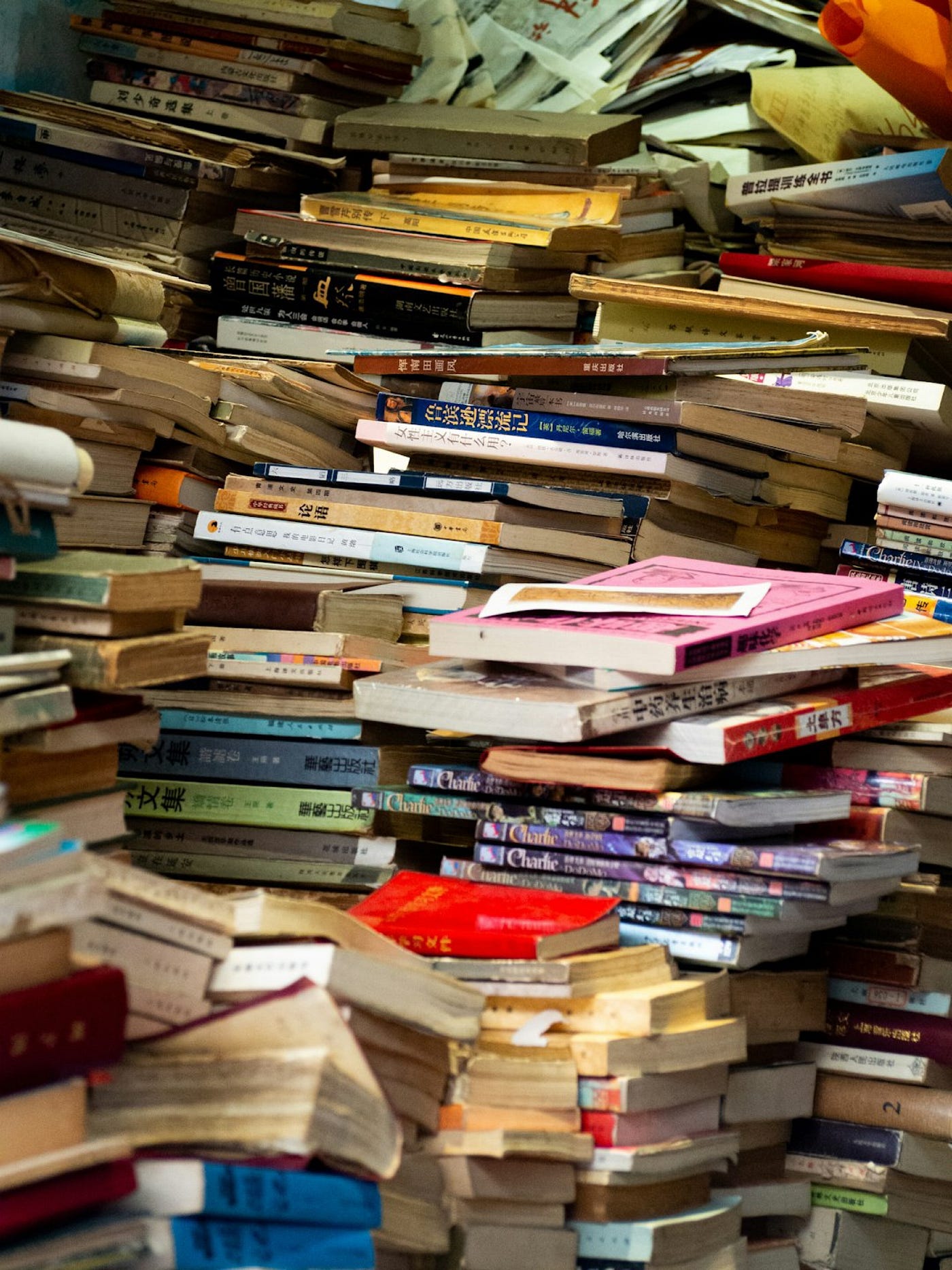
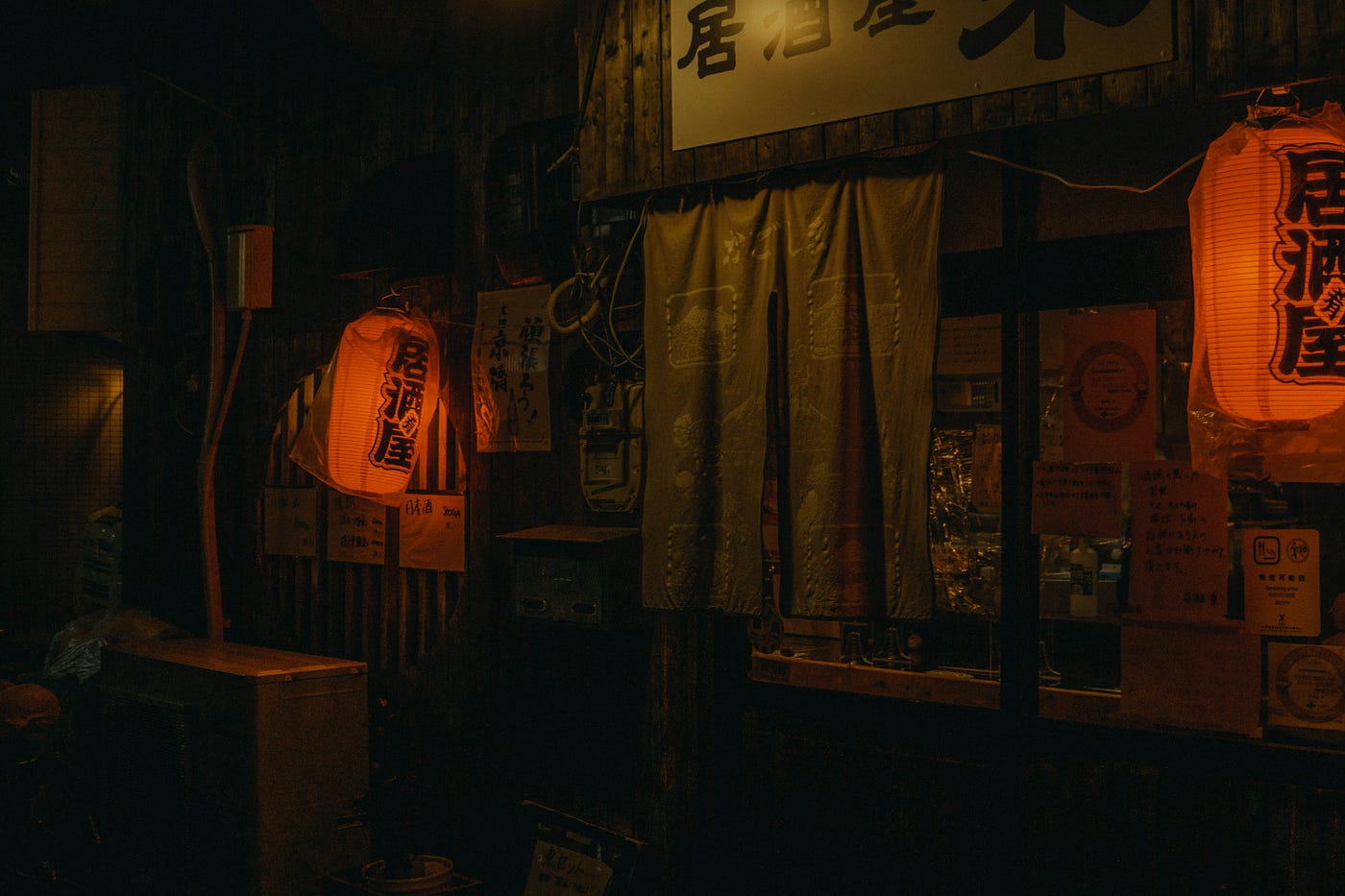
Image by author
No Japanese person actually talks like lessons in the textbook, right? In Japanese, the subject, the particles, even the verb: anything can be dropped. And that’s exactly why we get to enjoy the art of combination.
Most people who study Japanese seem to learn it through grammar and phrases. Especially phrases, I suspect? But once you can more or less speak, you start wanting to polish expressions that sound like you, don’t you? And that’s where rhythm and ma (間), the pause, become so important.
A confession: I myself am still very much studying English. When I first discovered that phonics existed (they never taught it in school in Japan — at least not at my public school. Well, that was ages ago) and bought a workbook, it said: “Try practicing with a metronome.”
I was stunned. Wait, the rhythm is fixed?! Japanese has no fixed rhythm at all. I had always pictured the English-speaking world as free and easy, so this came as a shock. And it made me realize something: that the freedom of Japanese is exactly where individuality lives.
I work as a copywriter in Japan. For about thirty years, I’ve been writing for department stores and brands. Japanese copywriting is a lot like haiku. In fact, it often falls into the 5–7–5 rhythm. When I write a headline, what I think about most is where to put the comma. That alone makes a real difference.
For example: a department store’s summer campaign. The message is be the first to enjoy summer. Do we go with:
- 夏に一番乗り (natsu ni ichiban-nori)
- 夏へ一番乗り (natsu e ichiban-nori)
- 夏、一番乗り (natsu, ichiban-nori)?
All three mean the same thing, but the impression changes dramatically. Natsu ni ichiban-nori, with the particle ni, is the standard sentence: you picture the season itself — the sea, the mountains, all those summer plans — and head into it.
Natsu e ichiban-nori, with e, has direction in it: the feel of dashing from the sand straight toward the water.
But natsu, ichiban-nori: now summer is simply there. Boom. Whoa, it’s summer! The sunlight on your skin, the air you breathe in, everything at full volume shouting summer — and then, first one in! That forward-leaning rush is what this version captures.
So in headlines, dropping the particle and placing a 、(tōten, the Japanese comma) is a fairly common technique, and it’s the classic way to create ma.
A quick note about the tōten. Generally it has two jobs: marking where to take a breath, and preventing misreadings. But here’s the thing — there are no rules for it. The 。(kuten, the period) has a rule: it must close the sentence. The tōten is completely free. Some people barely use it, some sprinkle it around until it gets in the way. To each their own.
When you speak, you create the ma yourself. In text, you have to leave it to the reader, right? So you place a tōten to tell them where the pause goes.
Three hundred years ago, haiku poets called this a kireji, a cutting word. You know the famous Bashō haiku:
古池や 蛙飛び込む 水の音 furuike ya / kawazu tobikomu / mizu no oto an old pond / a frog leaps in / the sound of water
That ya at the end of the first line is a kireji. Kireji are words used in haiku and linked verse to adjust the tone or heighten the emotion, and they carry no meaning of their own. That’s right. They are words that exist purely for ma, for rhythm and impression alone. That is how much this matters in Japanese.
By the way, just last week I saw this going around on X. Apparently, some of Japan’s Gen Z feel hurt when a text message ends with a period, as if they’re being pushed away. The Shōwa generation was in an uproar. Although, come to think of it, for about ten years now, more and more people have been writing without a single comma, just letting the characters run on. There was even that talk: “Using commas proves you’re an ojisan or obasan.” “It gives away your age.”
But that doesn’t mean they threw the ma away. Look at where the punctuation used to be: emoji moved in. A little smiley, keeping the balance. Why were emoji born in Japan? The answer might be hiding right about here.
Japan also has the expression 空気を読む (kūki wo yomu), reading the air, and this air is closely tied to ma. Break ma down and you get this: as sound, it is silence. But what physically exists is air. Handling that air is the very core of Japanese, and, one could say, the secret to surviving Japanese society.
From kireji to tōten to emoji. The tools change; Japanese stays a language of ma.
You already speak Japanese. But your rhythm and your ma are still ahead of you. That’s who my lessons are for. You can find my lessons here.
Japanese original text:
芭蕉から絵文字まで、日本語に欠かせない「間」の力。
文法通りに話す日本人なんていませんよね? そもそも日本語は、主語も、助詞も、述語も、なんだって省略可能。 だからこそ、組み合わせの妙を楽しめるんですから。
日本語を学ぶ人は、文法とフレーズで覚える人が多いと思います。特にフレーズで覚える人が多いのかしら?でも、ある程度、話せるようになったら、自分らしい表現を磨きたいって思いますよね?そこでとても大事になるのが、「リズム」や「間」なんです。
実は私、今なお絶賛、『英語勉強中』なのですが、初めてフォニックスの存在を知って(日本の学校ーー少なくとも私の通った公立では教えてもらえませんでした。まあ、大昔の話ですけどね)テキストを買ってきたら、そこに「メトロノームに合わせてやるといいですよ」なんて書いてあって驚いたんですよね。「リズムが一定なのか!」と。だって、日本語には決まったリズムなんてありませんから。常日頃、英語圏に自由なイメージを抱いていた私には衝撃だったんですよね。でも、その日本語の自由さこそが、個性になっているんだと、改めて気づかされました。
私は日本でコピーライターをしています。約30年、百貨店やブランドの言葉を書いてきました。日本語のコピーは、俳句に似ています。実際、五七五のリズムをとることも多いです。 特に、キャッチコピーを書くときに意識するのは「どこに点を打つか」ということ。それだけで、実際とっても違ってくるんですよ。
たとえば、デパートの夏のキャンペーンのキャッチコピー。「誰よりも早く夏を楽しもう!」というメッセージを、『夏へ一番乗り』にするのか、『夏に一番乗り』にするのか、はたまた『夏、一番乗り』にするのか。 どれも意味は同じなんだけど、与える印象はだいぶ変わってくるんです。「夏に一番乗り」は、わりと一般的な文章。夏という季節そのもの、海や山やいろんなレジャーを思い浮かべて、その季節に向かっていく感じ。「夏へ一番乗り」だったら、そっちに向かっていく雰囲気。砂浜から海に向かって走り出していくようなイメージ。 でも「夏、一番乗り」となると、そこにもう、ドーンと夏がある。うわっ、夏だ。肌に射す日射しも、吸い込む空気も、もう目一杯「夏!」と感じたときに、「よ〜し、一番乗りしてやるぞ〜」前のめりな感じを表現できるんですね。 というように、キャッチコピーでは、助詞を省いて「、/ 読点」を置くというのは、わりとよくある手法でして、まさに「間」を生み出す代表的なテクニックになるわけです。
「、/ 読点」の話を少しすると、一般に、息継ぎの場所を指示する、または、誤読を防ぐ、といった役割を持っています。でも、実は、その使い方にはルールがないんですよ。句点のほうは、必ず文章の最後につけるというルールがあるんですけど、「、/ 読点」は、完全にフリー。ほとんど打たない人もいれば、邪魔になるほど打つ人もいて、人それぞれ。
口頭で話していたら、「間」は自分で生み出すことができます。でもテキストだと、読む人に委ねなきゃならなくなっちゃいますよね?だから「、/ 読点」を打っておくことで、「ここが間ですよ」と示すことができるわけです。
三百年前の俳人たちは、これを切れ字と呼びました。有名な松尾芭蕉の俳句「古池や 蛙飛び込む 水の音」の「や」ですね。切れ字は、俳句や連歌で、音調を整えたり、感情を強調するために用いられる言葉で、それ自体に意味はありません。そうです。リズムや印象を整える「間」のためだけに、存在する言葉なんです。それほど、日本語には大切なことなんですね。
ところで、つい先週、Xを見ていたら、こんな話題がありました。日本のZ世代には、テキストメッセージの最後に句点があると、突き放された気がして傷つく、という人たちがいるらしくて、昭和世代は、騒然としました。 ただ、考えてみれば、確かに、十年くらい前から、一切読点を打たず文字を連ねて書く人たちは増えつつありました。「読点を使うとおじさんおばさんの証明」「年がばれるよね」なんていう言説もあったりして。 でも、だからといって、彼らは「間」を捨てたわけじゃないんです。今まで句読点があったところに、絵文字が入ってきている。にっこりマークでバランスを取っています。 なぜ、絵文字が日本で生まれたか?の答えは、案外こんなところにあるかもしれませんね。
日本には「空気を読む」なんていう言葉もあって、この「空気」と「間」は密接に関わっています。「間」を分解すると、まず音としては「静寂」。ですが物理的に存在しているのは「空気」なんです。その空気感を操ることが、日本語の根幹であり、日本社会で生き抜くコツともいえるでしょう。
切れ字から読点へ、そして絵文字へ。道具は変わっても、日本語はずっと「間」の言語です。 すでに日本語は話せる。でも、「リズム」や「間」はまだこれから。そんな方のためのレッスンをしています。
レッスンはこちらから。
메타데이터
- post_id
- ebd74a3ac9c8
- slug
- from-bashō-to-emoji-the-power-of-ma-ebd74a3ac9c8
- url
- https://medium.com/japonica-publication/from-bash%C5%8D-to-emoji-the-power-of-ma-ebd74a3ac9c8
- canonical_url
- https://medium.com/japonica-publication/from-bash%C5%8D-to-emoji-the-power-of-ma-ebd74a3ac9c8
- author_url
- https://medium.com/@kao.jpcoach
- status
- ok
- fetched_at
- 2026-07-16 21:26:35