Why Bangladeshi Users Are Getting Smarter About Choosing Online Platforms in 2026
Trust is no longer assumed. It is earned — transaction by transaction, withdrawal by withdrawal.
Why Bangladeshi Users Are Getting Smarter About Choosing Online Platforms in 2026
Trust is no longer assumed. It is earned — transaction by transaction, withdrawal by withdrawal.

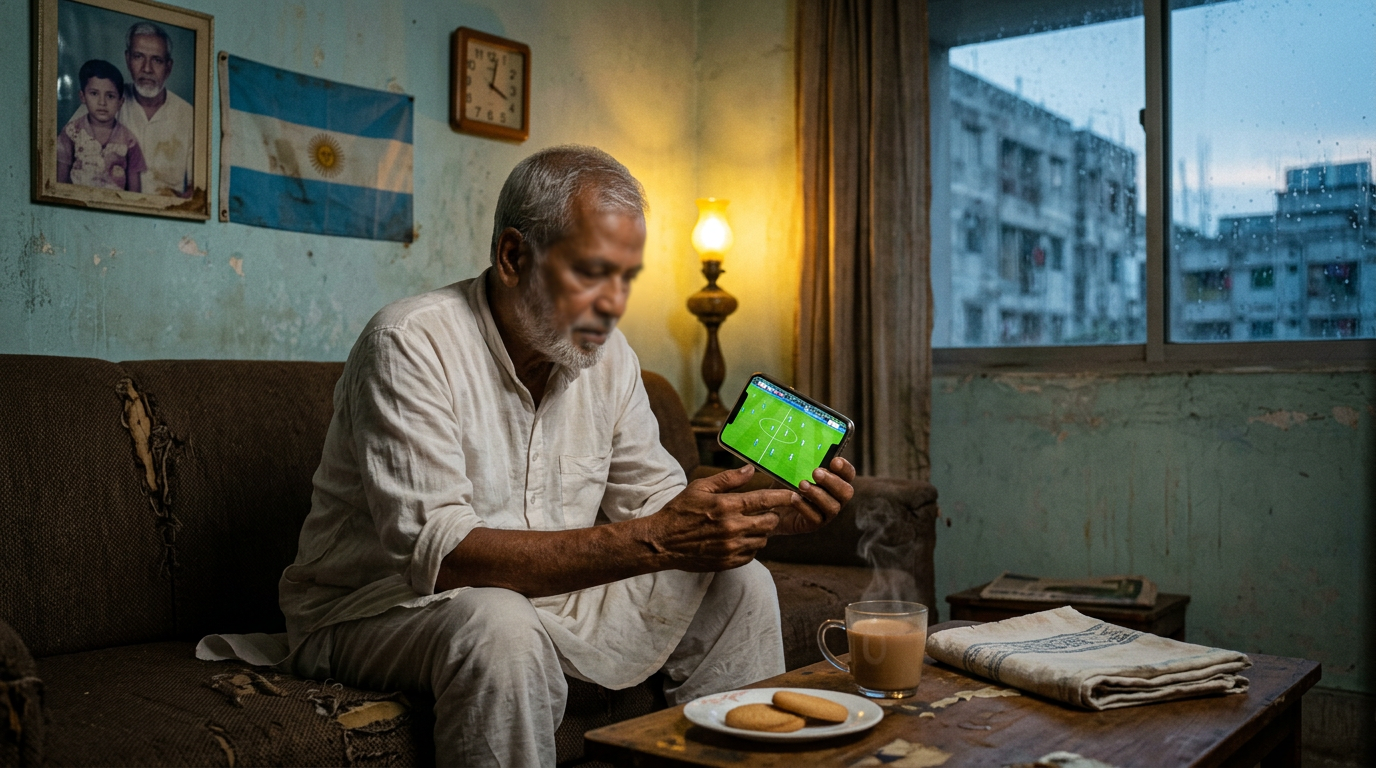
A Bangladeshi user evaluating digital platforms through bKash trust signals — the new standard for online platform credibility in 2026.
Something has shifted in how Bangladeshi internet users approach online platforms in 2026. It is not dramatic or sudden. It is the kind of change that happens quietly, across millions of individual decisions, until one day the pattern becomes impossible to ignore.
Users are no longer signing up for platforms based on visual design or promotional promises. They are asking harder questions before they commit. How fast does this platform actually pay out? Who else is using it? What happens when something goes wrong? The era of blind trust — or perhaps more accurately, the era of no other choice — is ending.
The Trust Gap That Defined 2023 and 2024
For most of Bangladesh’s digital expansion, the gap between what platforms promised and what they delivered was simply accepted as part of the experience. Users expected delays. They expected support teams that were slow to respond or difficult to reach. They expected terms and conditions that were written to protect the platform rather than the user.
This was not unique to Bangladesh. It reflected the early-stage dynamics of digital platform adoption in markets where the infrastructure was new, the regulatory frameworks were still developing, and users had limited alternatives. You used what was available, and you adjusted your expectations accordingly.
But Bangladesh’s internet population has matured faster than most observers predicted. With 82 million users online and the majority accessing digital services exclusively through mobile devices, the sheer scale of daily digital transactions has accelerated something that typically takes a decade: the development of collective user intelligence about which platforms are worth trusting and which are not.
What Trustworthy Platforms Are Doing Differently in 2026
The platforms that have earned genuine user trust in Bangladesh’s digital entertainment space share a set of characteristics that are specific enough to be instructive.
First, they have built their payment experience around the actual payment infrastructure Bangladeshis use. bKash, Nagad, and Rocket are not afterthoughts or secondary options — they are the primary payment rails, integrated deeply enough that deposits and withdrawals feel native rather than bolted on. Platforms that treat bKash as the default, rather than an accommodation, signal that they were designed for this market rather than adapted to it.
Second, they communicate specifics rather than generalities. “Fast withdrawals” means nothing. “Withdrawals processed within 1 to 5 minutes” means something. The shift from vague assurances to concrete commitments is one of the clearest signals of platform maturity, and Bangladeshi users have become skilled at recognizing the difference.
Third, they have built communities rather than just user bases. In a market where peer recommendations and community reputation travel faster than any advertising campaign, the platforms that invest in genuine user relationships — through responsive support, transparent communication, and consistent follow-through — compound their trust advantage over time in ways that cannot be purchased.
AQ999 and the Platform Evaluation Question
When users in Bangladesh evaluate platforms in the online entertainment space, they are essentially running the same mental checklist repeatedly: Does this platform pay out reliably? Does it support the payment methods I actually use? Is there a community of real users whose experience I can reference?
AQ999 has emerged as one of the platforms that consistently appears in these community conversations — not because of promotional visibility, but because of what users report about the actual experience. The combination of bKash, Nagad, and Rocket integration with a stated withdrawal window of one to five minutes addresses the two criteria that Bangladeshi users weight most heavily in their platform evaluations.
The 500-plus game library addresses a different kind of trust question: the question of whether a platform is serious about its product or merely using game variety as a surface-level attraction. Depth of offering signals long-term investment in the platform, which in turn signals to users that the platform intends to still be operating — and paying out — in six months.
The Role of Community Verification in Bangladesh’s Digital Market
One of the most underappreciated dynamics in Bangladesh’s digital platform economy is the role of community verification. Before a user in Dhaka or Chittagong commits to a new platform, they are almost certainly consulting their networks — Telegram groups, Facebook communities, WhatsApp threads — to find out whether anyone they trust has used it and what their experience was.
This creates an accountability mechanism that formal regulation has not yet provided in Bangladesh’s still-developing digital regulatory environment. Platforms that perform well in community verification gain users through referral at a rate that advertising cannot replicate. Platforms that perform poorly find that the same network effects work against them with equal efficiency.
The implication for any platform operating in this environment is straightforward: the product experience is the marketing. Promises made in promotional material are immediately tested against community-reported reality, and the delta between the two is what determines whether a platform grows or stagnates.
What 2026 Looks Like for Users Who Are Paying Attention
Bangladesh’s digital platform landscape in 2026 is genuinely more competitive than it was two years ago, which means it is also genuinely better for users who know what to look for. The platforms that have survived and grown are, on balance, better products than what was available in 2023. The pressure of an increasingly informed and networked user base has pushed platform standards upward.
For users navigating this landscape, the framework is simpler than it might appear: look for platforms that name specific payment methods and specific timeframes, check community channels for user-reported experiences rather than relying on promotional content, and treat the first transaction on any new platform as a test of whether the promises hold.
The platforms worth staying with are the ones that pass that test without drama. In Bangladesh’s digital entertainment market in 2026, that bar is being met by fewer platforms than the promotional noise might suggest — but it is being met, and users who know how to look are finding them.
메타데이터
- post_id
- ebe46bc38a2b
- slug
- why-bangladeshi-users-are-getting-smarter-about-choosing-online-platforms-in-2026-ebe46bc38a2b
- url
- https://medium.com/@taka-alliance-bd/why-bangladeshi-users-are-getting-smarter-about-choosing-online-platforms-in-2026-ebe46bc38a2b
- canonical_url
- https://medium.com/@taka-alliance-bd/why-bangladeshi-users-are-getting-smarter-about-choosing-online-platforms-in-2026-ebe46bc38a2b
- author_url
- https://medium.com/@taka-alliance-bd
- status
- ok
- fetched_at
- 2026-07-13 06:23:13