What Is a Crypto Wallet and Why Security Matters More Than Ever
As digital assets continue to gain mainstream adoption, understanding how cryptocurrencies are stored and protected has never been more…
What Is a Crypto Wallet and Why Security Matters More Than Ever
As digital assets continue to gain mainstream adoption, understanding how cryptocurrencies are stored and protected has never been more important. For anyone entering the crypto space, one of the first and most critical questions is **what is a crypto wallet** and why security plays such a central role in digital asset ownership. As Bitcoin and other cryptocurrencies attract not only individuals but also large financial institutions, the standards for security have risen significantly.
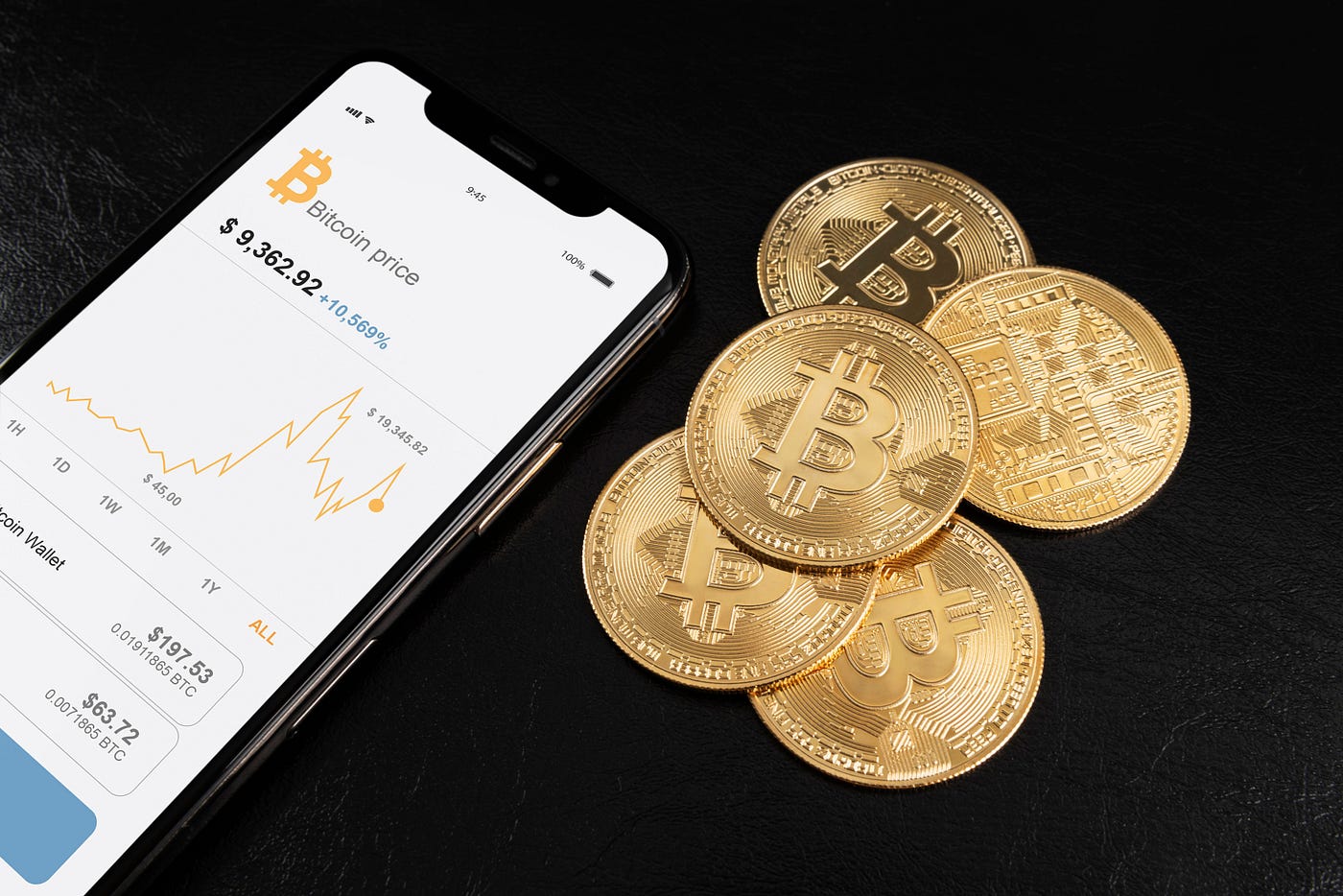
From everyday users managing small balances to institutions safeguarding billions in digital assets, secure storage is the foundation of trust in the crypto ecosystem.
What Is a Crypto Wallet?
A crypto wallet is a digital tool that allows users to store, send, receive, and manage cryptocurrencies. Unlike traditional wallets that hold physical money, crypto wallets store private keys. These cryptographic keys prove ownership and grant access to digital assets recorded on the blockchain.
When people ask what is a crypto wallet, it is important to understand that the wallet does not actually hold Bitcoin itself. Instead, it holds the private keys that allow users to interact with the blockchain. Whoever controls the private keys controls the assets.
This concept of self custody is one of the defining features of cryptocurrency and one of the main reasons security is so important.
Types of Crypto Wallets
Crypto wallets generally fall into two broad categories: hot wallets and cold wallets.
Hot wallets are connected to the internet and include mobile apps, desktop software, and web-based wallets. They are convenient for frequent transactions but are more exposed to online threats.
Cold wallets store private keys offline, often in hardware devices or secure physical environments. These wallets are considered far more secure and are commonly used for long-term storage.
The choice between hot and cold wallets depends on how frequently assets are used and the level of security required.
Why Security Matters More Than Ever
As cryptocurrency adoption grows, so does the attention from malicious actors. Hacks, phishing attacks, and user errors have resulted in significant losses over the years. Unlike traditional banking systems, blockchain transactions are irreversible. If private keys are compromised or lost, assets cannot be recovered.
This is why learning what is a crypto wallet also means understanding the responsibility that comes with managing one. Strong passwords, secure backups, and proper key management are essential for protecting digital assets.
Security is no longer optional. It is a fundamental requirement for anyone holding cryptocurrency.
Lessons from Institutional Bitcoin Storage
Retail users can learn a great deal from institutional security practices. Understanding **how institutions store billions in Bitcoin safely** provides insight into the highest standards of crypto custody.
Institutions do not rely on a single wallet or private key. Instead, they use layered security models that include cold storage, multi-signature authorization, geographic distribution, and strict internal controls. Access is carefully governed, and transactions often require approval from multiple parties.
These practices significantly reduce the risk of theft, fraud, and operational error, demonstrating how seriously security is treated at scale.
Cold Storage and Multi-Signature Protection
Cold storage is a cornerstone of institutional custody. By keeping private keys offline, institutions eliminate exposure to most online attack vectors. Assets stored this way are only accessed under tightly controlled conditions.
Multi-signature wallets add another layer of protection. They require multiple approvals before a transaction can be executed, preventing a single compromised key from resulting in asset loss. This approach reflects how institutions think about risk management and redundancy.
Retail users may not need the same level of complexity, but these principles highlight the importance of layered security.
Ownership, Custody, and Responsibility
Crypto wallets place ownership directly in the hands of users. This decentralised model offers freedom and control but also demands responsibility. There is no customer support line to reset a forgotten private key.
Institutions address this risk through governance, audits, and custody providers. Individual users must rely on education, best practices, and secure tools to achieve similar protection on a smaller scale.
Understanding how institutions store billions in Bitcoin safely reinforces why careful custody decisions matter, regardless of portfolio size.
The Role of Education and Trusted Platforms
Security is not just about technology. It is also about awareness and education. Users who understand phishing risks, backup procedures, and wallet functionality are far less likely to experience loss.
Platforms like Netcoins play an important role in this ecosystem by providing access to digital assets alongside educational resources that help users make informed decisions about custody and security.
As regulation and infrastructure mature, education remains one of the most effective tools for improving safety across the crypto space.
Looking Ahead
As cryptocurrencies continue to integrate into global finance, security expectations will only increase. Institutional custody standards are setting benchmarks that influence the entire industry. At the same time, wallet technology continues to evolve, offering users better tools for managing risk.
Understanding what is a crypto wallet is no longer just for early adopters. It is becoming essential knowledge for anyone participating in modern financial systems.
Final Thoughts
Crypto wallets sit at the heart of digital asset ownership. They represent control, responsibility, and security all at once. As adoption grows and values increase, the importance of proper wallet management becomes impossible to ignore. Learning from how institutions store billions in Bitcoin safely provides valuable insight into best practices that benefit everyone.
In an environment where trust is built through transparency and security, informed users are better equipped to protect their assets and participate confidently in the future of digital finance.
메타데이터
- post_id
- ec3582a8ee1e
- slug
- what-is-a-crypto-wallet-and-why-security-matters-more-than-ever-ec3582a8ee1e
- url
- https://medium.com/@blog.netcoins/what-is-a-crypto-wallet-and-why-security-matters-more-than-ever-ec3582a8ee1e
- canonical_url
- https://medium.com/@blog.netcoins/what-is-a-crypto-wallet-and-why-security-matters-more-than-ever-ec3582a8ee1e
- author_url
- https://medium.com/@blog.netcoins
- status
- ok
- fetched_at
- 2026-07-13 18:54:59